A pioneering study has uncovered a unique genetic characteristic in sloths that could unlock secrets to healthy ageing and metabolic efficiency, with potential implications for human health and even long-duration space travel.
In a scientific first, researchers have successfully sequenced and analysed the genome of the tree-dwelling mammal, identifying specific "jumping genes" – DNA sequences capable of relocating within the genome – that have been remarkably preserved over millions of years.
The investigation, conducted by experts from the Wellcome Sanger Institute, the Leibniz Institute for Zoo and Wildlife Research (IZW), and the Hospital Sirio Libanes, involved extracting and sequencing DNA from a captive sloth. This was then compared to the genomes of other Xenarthra members, such as anteaters and armadillos, to pinpoint what makes sloths genetically distinct.
The analysis revealed that the sloth genome contains multiple active copies of these "transposons", which are typically old and inactive in humans. These sloth-specific genes, which emerged in the common ancestor of all sloth species approximately 30 million years ago, are intricately linked to mitochondria – the cell's energy generators – and metabolic pathways.
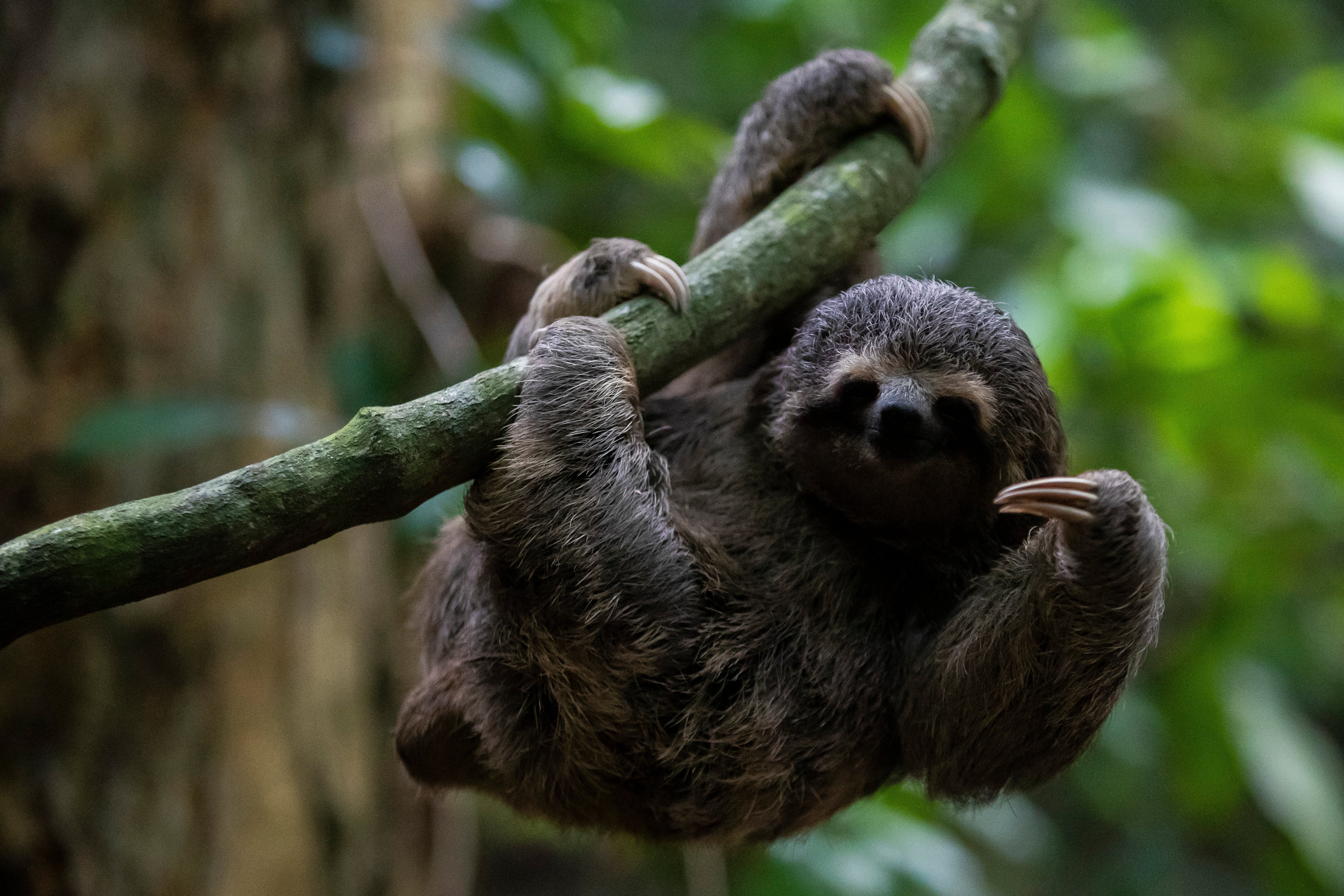
Scientists believe these unique genetic sequences are fundamental to the sloth's extraordinary adaptations and the evolution of their metabolism, which is the slowest among all mammals.
Dr Pedro Galante, co-lead author at the Hospital Sirio Libanes, highlighted the broader significance: "Many human conditions – including diabetes, ageing-related disorders, neurodegeneration, and muscle wasting – involve problems with energy production and mitochondrial function."
Dr Galante added: "While further research is needed, sloth cell lines may offer a natural model for understanding how organisms cope with low-energy states, and what goes wrong in disease. In the long term, this could inform research into tissue preservation, critical care medicine, ageing, metabolic disease, and even long-duration space travel."
Dr Marcela Uliano-Silva, senior bioinformatician at the Wellcome Sanger Institute, noted: "Evolution has already run billions of experiments. By studying unusual animals like sloths, we sometimes uncover biological solutions that humans never evolved."
Dr Camila Mazzoni, co-lead author and head of evolutionary and conservation genomics at the IZW, emphasised the animal's unique resilience: "Sloths have the slowest metabolism of any mammal, yet they remain healthy. Understanding how they achieve this may reveal new insights into how cells manage energy efficiently. Our findings suggest that sloths might have evolved genetic back-up systems that help compensate for their relaxed mitochondria and support their unique lifestyle."