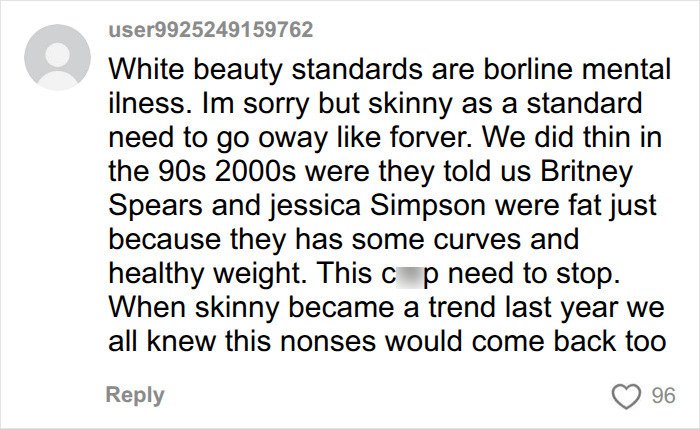
Pop stars like Dua Lipa and Tate McRae have become the targets of online attacks from those in the “SkinnyTok” community, a disturbing group that criticizes female celebrities’ bodies.
Despite having healthy bodies, the stars have become the subjects of social media commentary about their appearance.
A post that gained traction claimed Dua Lipa had gained weight during her honeymoon in Italy.
A post claiming Dua Lipa had “gained some weight” after her honeymoon raised alarms about the harmful SkinnyTok trend
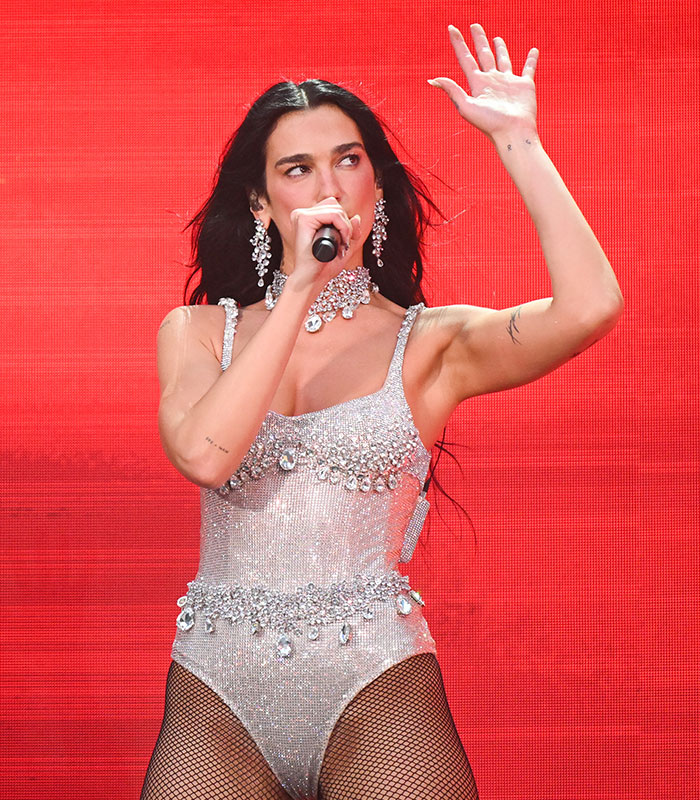
Image credits: Charles McQuillan/Getty Images
“After marrying her husband Callum Turner, singer Dua Lipa – who had been on her honeymoon for a while – was spotted in New York looking like she’d gained some weight upon returning from her honeymoon,” the post read.
Outraged by the post, a writer from Evie Magazine responded to the user who had body-shamed the singer.
“Severely underweight and malnourished Oz*mpic bodies are becoming so normalised and glamorised that they are calling Dua Lipa fat,” she raged.

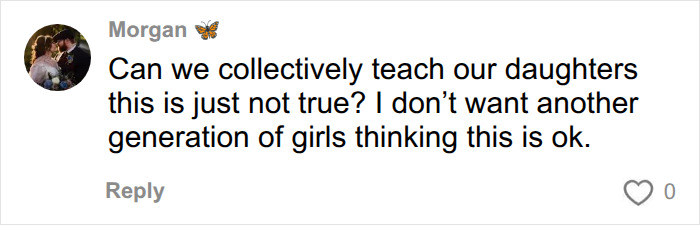
The woman went on to share a warning about the bodies that are being idealized by society.
“Are we for real? She looks healthy, she looks beautiful and vibrant. She looks like she has energy … She has something that is not visible in a lot of these malnourished bodies, and that is vitality.”
Dua and Tate McRae became the latest targets as experts warn that unrealistic beauty standards are making a troubling comeback
@monsharx♬ original sound – MON SHARX
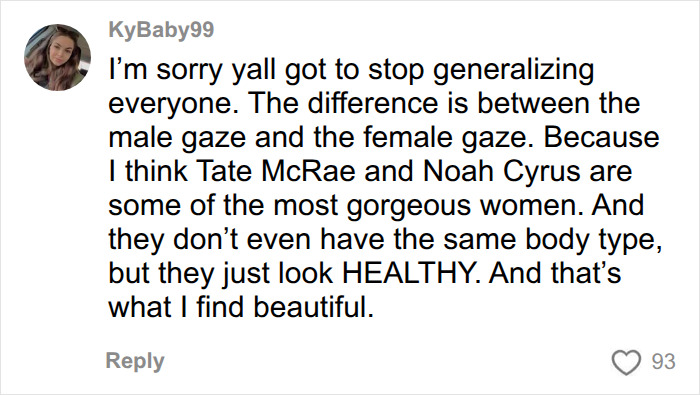
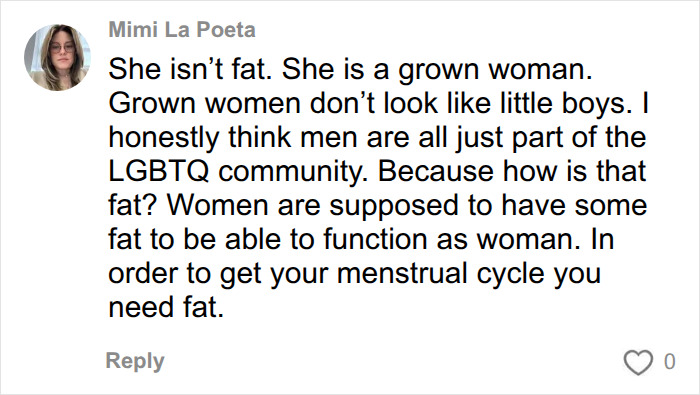
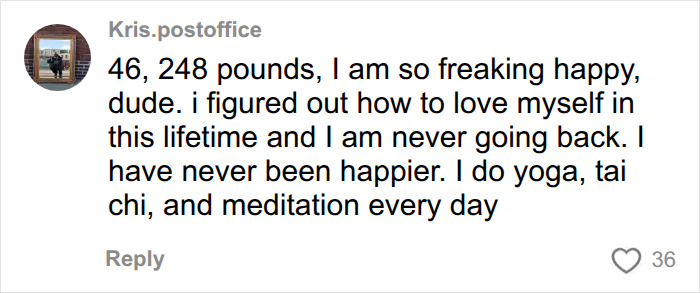
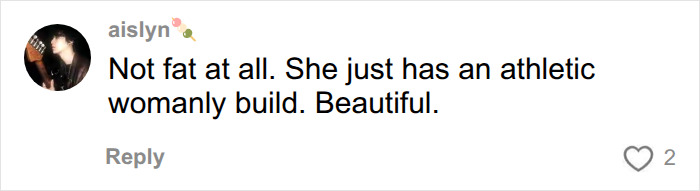
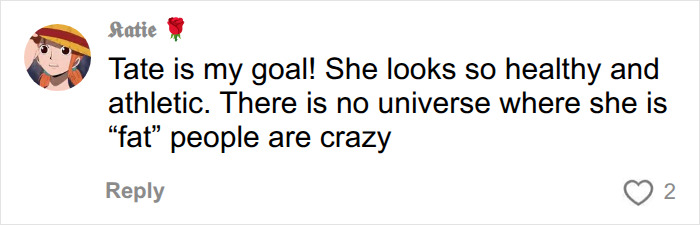
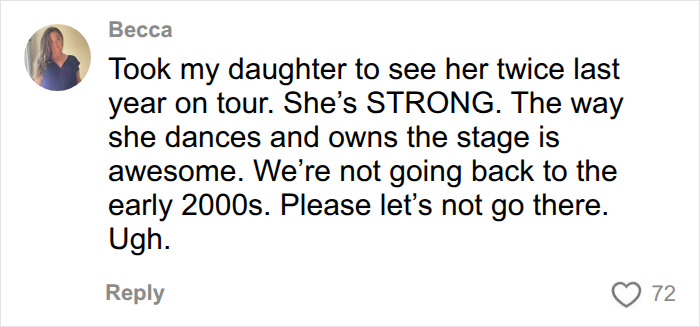
Others joined in to question the narrative, stressing that Dua’s body is perfectly healthy and urging people not to lose the progress made during the “body positivity” era.
“She literally has abs,” one fan pointed out, while another said, “I REFUSE to go back to 90,s/early 2000s weight standards.”
Similarly, singer and pro dancer Tate McRae was also body-shamed on videos of her dancing on stage.

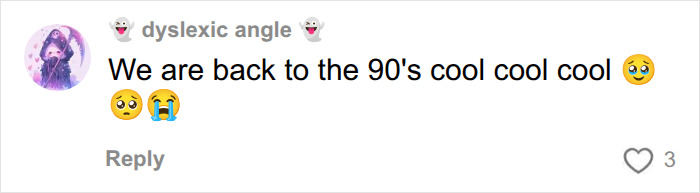
Speaking with news.com.au, mobility and strength trainer Rebecca Stewart expressed concern that a large section of society was reverting to the “her*in chic” era of the 1990s, when extremely thin bodies, like supermodel Kate Moss’, were idealized.
Stewart compared the body-shaming comments targeting Dua and Tate to those made when Britney Spears performed at the VMAs in 2007.
Jane Rowan, who leads a campaign against eating d*s*rders in Australia, told the outlet that exposure to media glamorizing unhealthy bodies could have “horrific consequences.”
Experts say the backlash against Dua and Tate reflects a dangerous shift toward glorifying extreme thinness
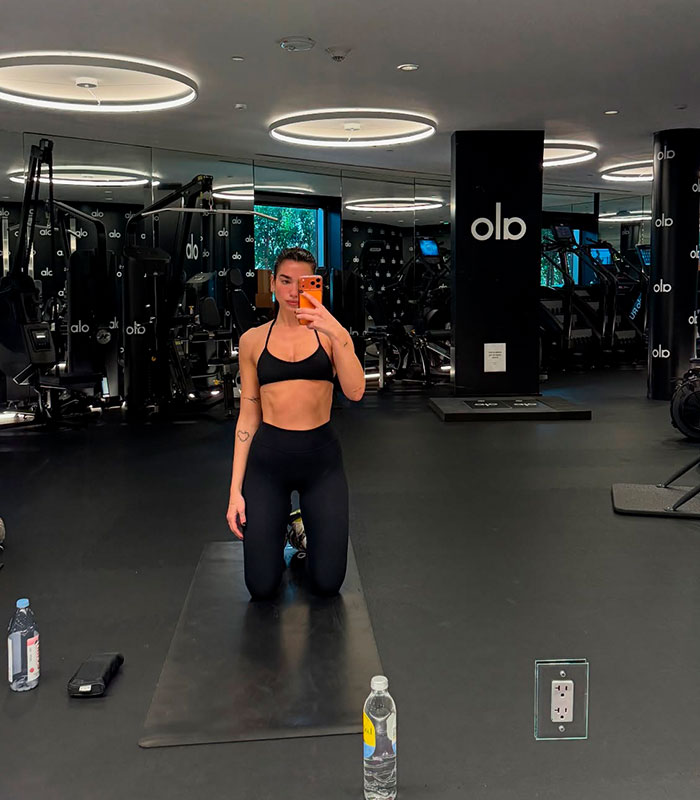
Image credits: dualipa
“Weight stigma online doesn’t just hurt people’s feelings, it has a profound consequences for mental health and eating d*s*rder risk,” she warned.
Rowan explained that reading those comments online could become a source of insecurity and ultimately lead to disordered eating for someone with a similar body type to the body-shamed stars.
Dangerous trends like SkinnyTok also send the wrong message to young people: that the pop stars’ appearance (and thinness) matter more than their musical talent.


Rowan advised parents of young teenagers to keep an eye on the type of content their children consume online, warning that social media algorithms may constantly feed them these unhealthy posts.
“Young people are in a very vulnerable stage,” she stressed. “Social media restrictions are so important for this reason.”
Tate McRae said being judged by strangers online can feel “terrifying”
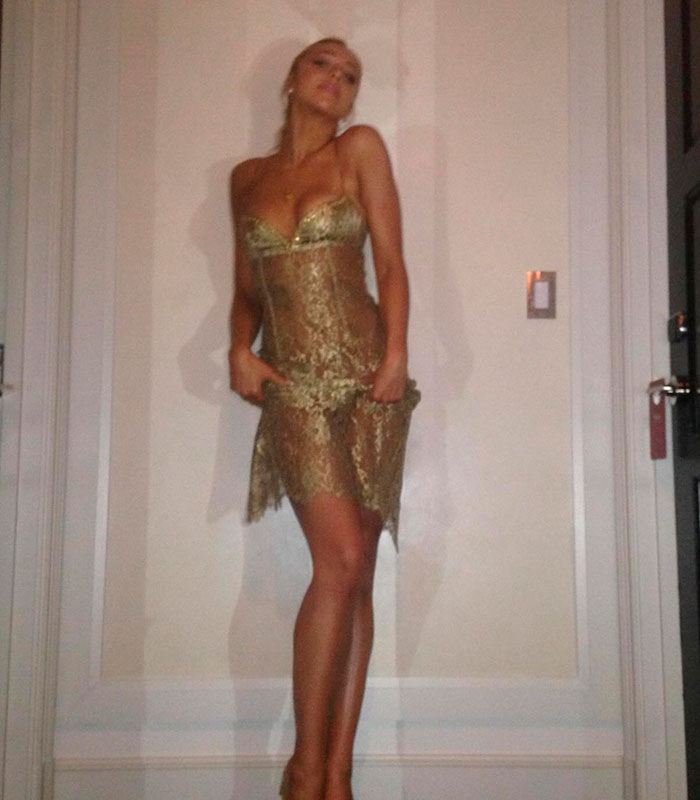
Image credits: tatemcrae
Dua, who is very active on Instagram, told the BBC that she has to log off social media whenever faceless trolls make it a source of anxiety.
“Social media can be such an amazing tool and it can be so fun to share things but at the same time it’s almost a breeding ground for hate and anxiety,” said the Training Season singer, whose name means “love” in Albanian.
@rebeccastewart.co these beauty standards are made by pdf files and are hurting everyone, no matter what size you are. #whitebeautystandards #bodyimagehealing #bodyimage #bodystandards #greenscreen ♬ original sound – rebecca | embodied strength
The star, who modeled for Topshop as a teenager, revealed that she was told that she needed to lose weight to succeed in the industry.
“I felt great the way I was. I had no reason to want to change,” the 30-year-old told Vogue, adding, “Of course, I had insecurities – times when I questioned my appearance. I know how destabilising it can be to feel not good enough.”

Meanwhile, the Sports Car singer, 23, admitted that it sometimes feels “terrifying” to be in the limelight and have her appearance scrutinized by thousands of people.
Addressing her critics, Tate said on the Triple J podcast, “I have insecurities and think the exact same things that you are. So it’s always weird when you have someone talking about your body online, talking about your face and picking it apart.
“I am a person. I’m just a girl going through all of these exact feelings that you are.”
“This is objectively wrong,” one reader commented