K-pop supergroup BTS are back in full formation after four years. On Friday, they complete their mandatory military service.
A day later, the South Korean band, composed of RM, Jin, Suga, J-Hope, Jimin, V and Jung Kook, returned to the stage with a concert in Seoul. Streamed on Netflix, the event drew 18.4 million viewers and hit No 1 on the platform in over 70 countries.
The hiatus came at the height of their global dominance, with multiple Billboard Hot 100 No 1 singles and stadium tours that sold out within minutes. Frontman RM said at the time the band needed space to “think about what kind of group we want to be” and to focus on their individual identities.
The members did solo work while completing their respective military service before regrouping in 2025 to start making Arirang. BTS: The Return, a Netflix documentary by Bao Nguyen, follows that process, tracking the members in Los Angeles as they move back into a full group schedule.
Here are six things BTS: The Return reveals about the group’s comeback.
The meaning of Arirang and why BTS chose it
The title of the album comes from a Korean folk song of the same name, long associated with periods of displacement and colonial rule when it came to symbolise Korean identity and resistance.
One of the earliest known “Arirang” recordings was made in 1896 at Howard University, where a group of Korean students performed the song on a wax cylinder. The moment is referenced in an animated teaser for the album, juxtaposing those students with present-day international fans listening to BTS perform in Korean.
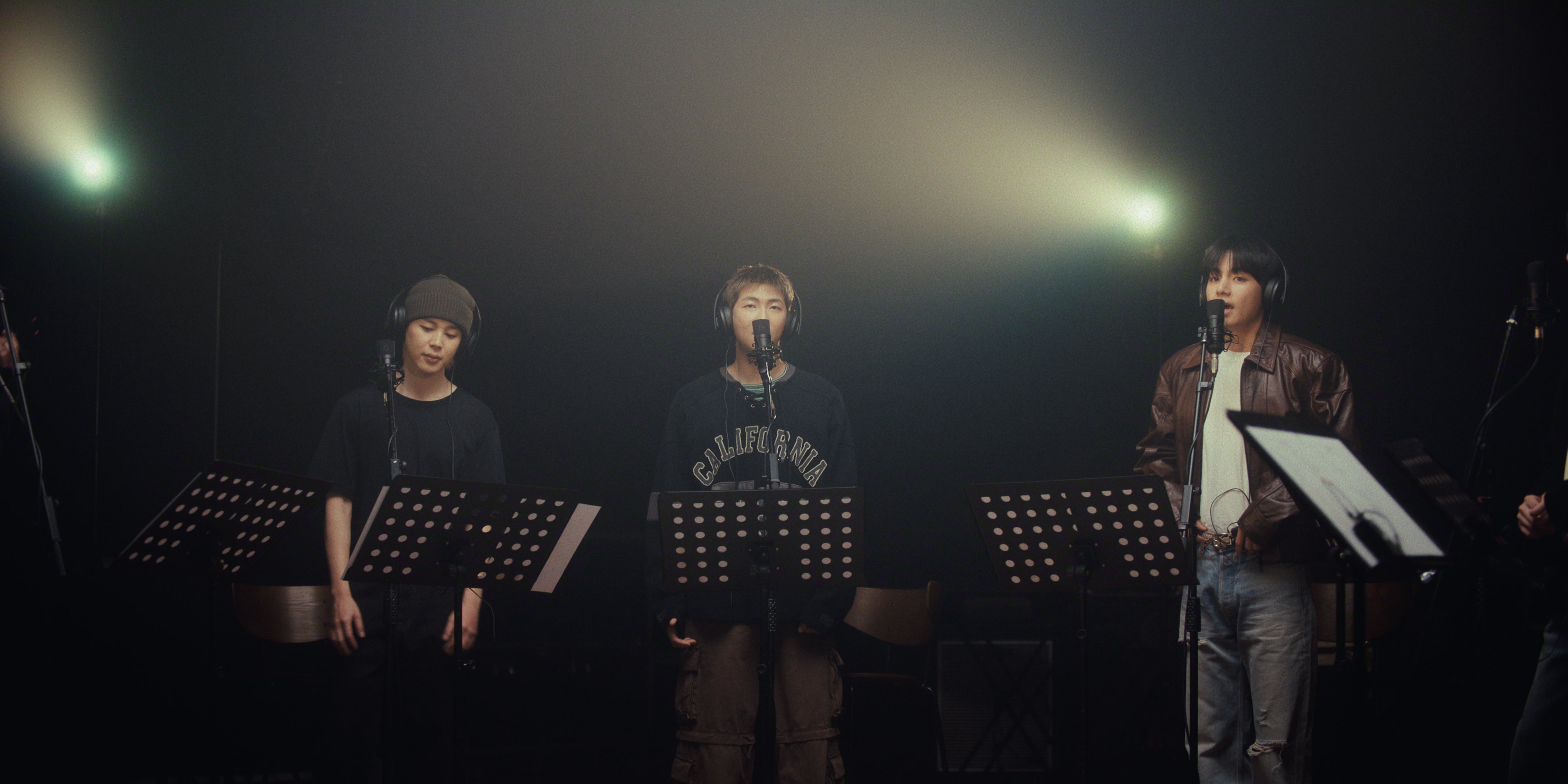
It was this story that Lee Bo Young, executive creative director at BTS’s label Big Hit Music, brought to the group. In explaining what the word likely meant, “longing for the beautiful people we love”, she drew a parallel with the group’s relationship with their fans, known as Army.
Why they were divided over the title track
While “Arirang” gave BTS their new album title, it didn’t end the debate over how far they should lean into their Korean identity and whether it alienated non Korean-speaking fans or felt too on the nose at home.
V wondered if sampling the folk song in the title track might come across as a stunt: “From a Korean perspective, they might think, ‘Oh wow, these f***ers went all in on the patriotism there, didn’t they?’”
J-Hope and Jimin were more open to the idea but RM was unconvinced, saying it didn’t quite fit and likening it to “bread, pork cutlets, and kimchi” mixed together.
Still, the “Arirang” sample on the album is far more prominent than initially planned. Hybe chairman Bang Si Hyuk encouraged the group to imagine a stadium of international fans singing a traditional Korean song, urging them to think about their roots and legacy. “An act like BTS only comes around once every few decades, and there’s no denying you’re Korean,” he said.
The final decision, however, was left to the group.
Why BTS wanted fewer English lyrics
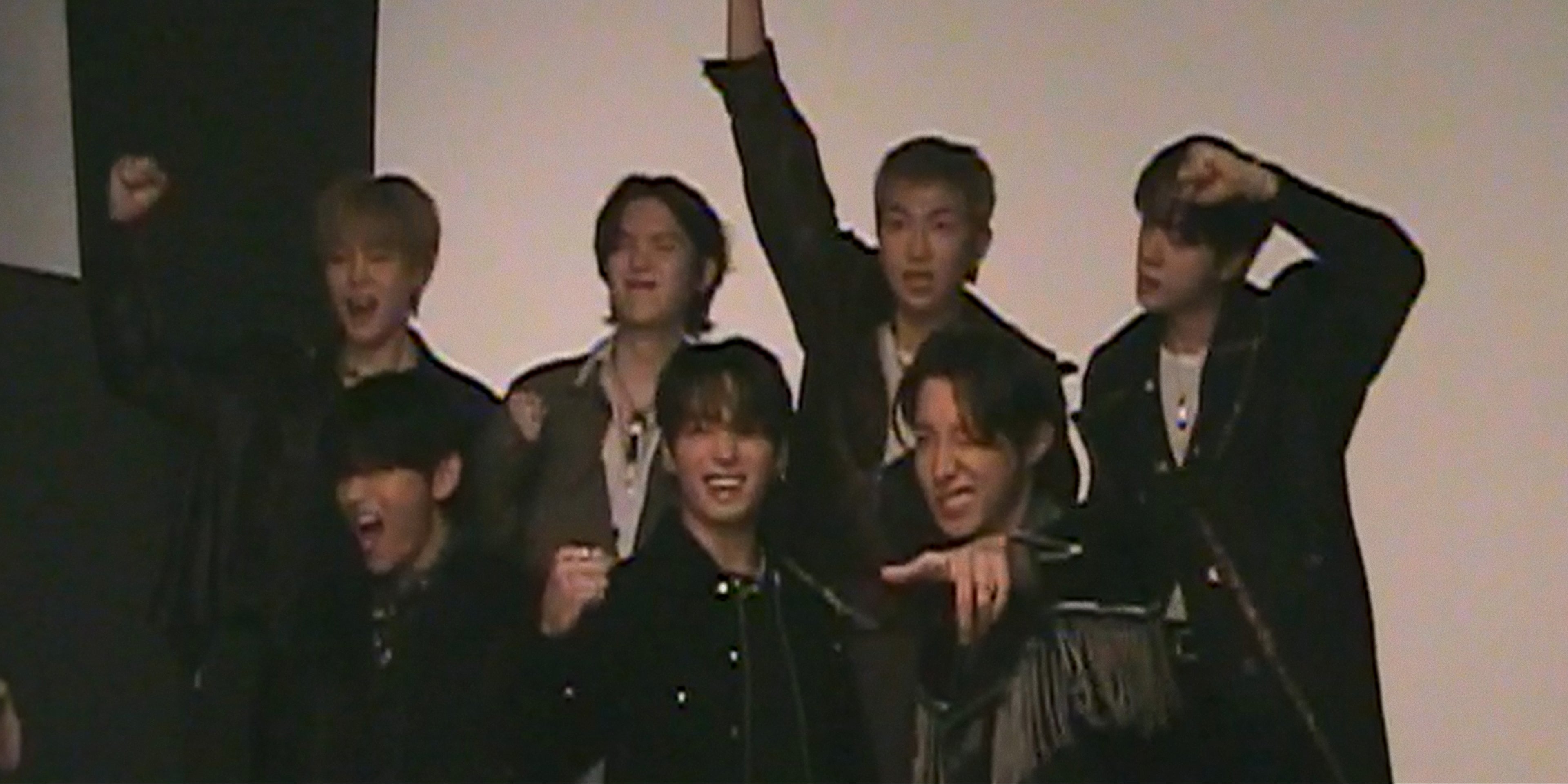
Through the documentary, the members bring up their concerns about English lyrics. Rappers RM and Suga both say they want to go back to some songs to add in more Korean lyrics, but receive some pushback from Big Hit Music vice-president Nicole Kim, who asks if they can find a way to maintain authenticity while appealing to their global fans.
The members also bring up a familiar concern: they simply may not have enough time to practise their English pronunciation before recording. Jin asks if an English translation of a Korean phrase will fit in the original beat, RM repeatedly questions if his lyrics sound “awkward and off putting” in sessions with songwriters and the group, and Jimin says plainly that no amount of practice will fix “clunky” lyrics.
The K-pop factory doesn’t stop churning
Instead of taking a break after their discharge from the military, BTS headed to Los Angeles to begin working on Arirang, their first studio album since Be in 2020.
The pace isn’t unusual in the K-pop industry and the band clearly recognise it. The documentary opens with the group in a rut – J-Hope describes their studio sessions as working “like a factory” while Jimin says they’re “rushing” after being away for so long.
At the same time, RM acknowledges that the career of a K-pop artist is quite short and that BTS have been unusually “blessed” for 12 years.
Why Jin has no writing credits
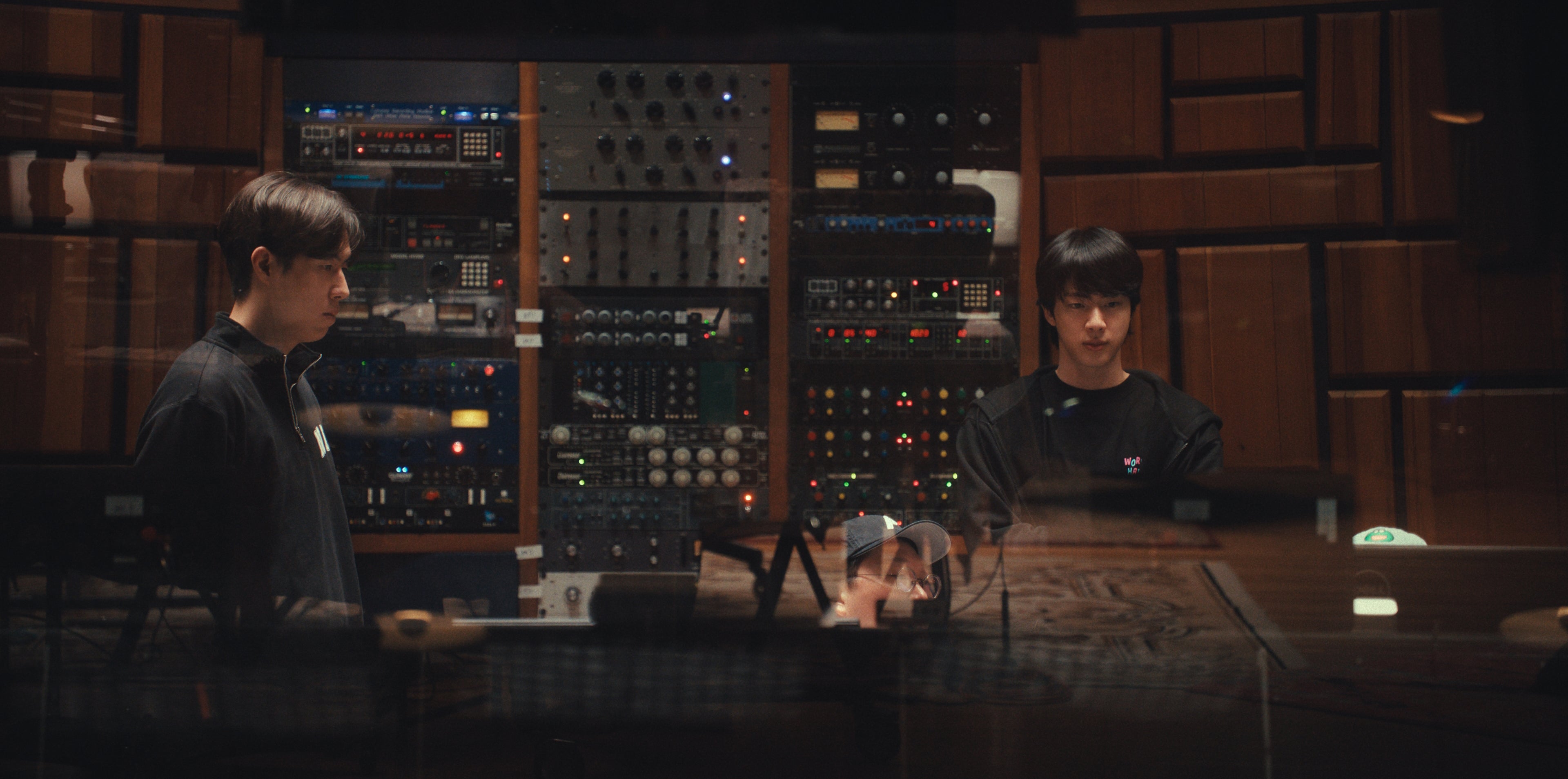
The group’s pace explains Jin’s absence from the songwriting credits on Arirang. It came down to timing: when he joined his bandmates a day after his tour ended, Suga told him that the “album is almost done”. He also left Los Angeles for solo work before other members of the group.
RM, Suga, J-Hope, Jimin, V, and Jungkook are all listed as songwriters across the record, with RM credited on 13 of the 14 tracks.
In spite of fans questioning how little he was involved in the writing process, Jin described the songs as “absolute bangers”. While he was initially unsure of his role, he added, the band had been together long enough that he figured out what he needed to do “even without words”.

The military carries over
South Korea mandates all able-bodied men aged 18-35 to perform 21 months of military service. The documentary opens with scenes that show the members shaving their hair, heading into their military bases, and leaving after discharge.
RM shares that he struggles with routine, equating his time in the military with the Greek concept of chronos, where time simply passes through the same daily routine repeated over months.
He describes his time in Los Angeles with the group as resembling kairos, where time is shaped by more meaningful, creative moments rather than just moving forward.
At one point, RM picks up the saxophone he learned while in the military and teases the others by playing the military wake-up call as the members groan out loudly and yell how much they hate it.
The documentary will be available for streaming on Netflix from 27 March.
Netflix raises prices for second year running. Here’s how much it will cost now
Something Very Bad is Going to Happen is bewilderingly dark and not scary
Seoul prepared for 260,000 at BTS comeback gig – but city says only 48,000 showed up
Bruce Springsteen says new tour is ‘going to be political’
Notorious rap fan Marco Rubio references Public Enemy to back Iran attacks