Scientists have made a "significant step" towards a revolutionary blood test capable of detecting brain tumours and monitoring their progression in real time.
Boasting over 90% accuracy, the new diagnostic tool could enable GPs to swiftly identify aggressive glioblastomas, with plans to extend its application to other brain tumour types.
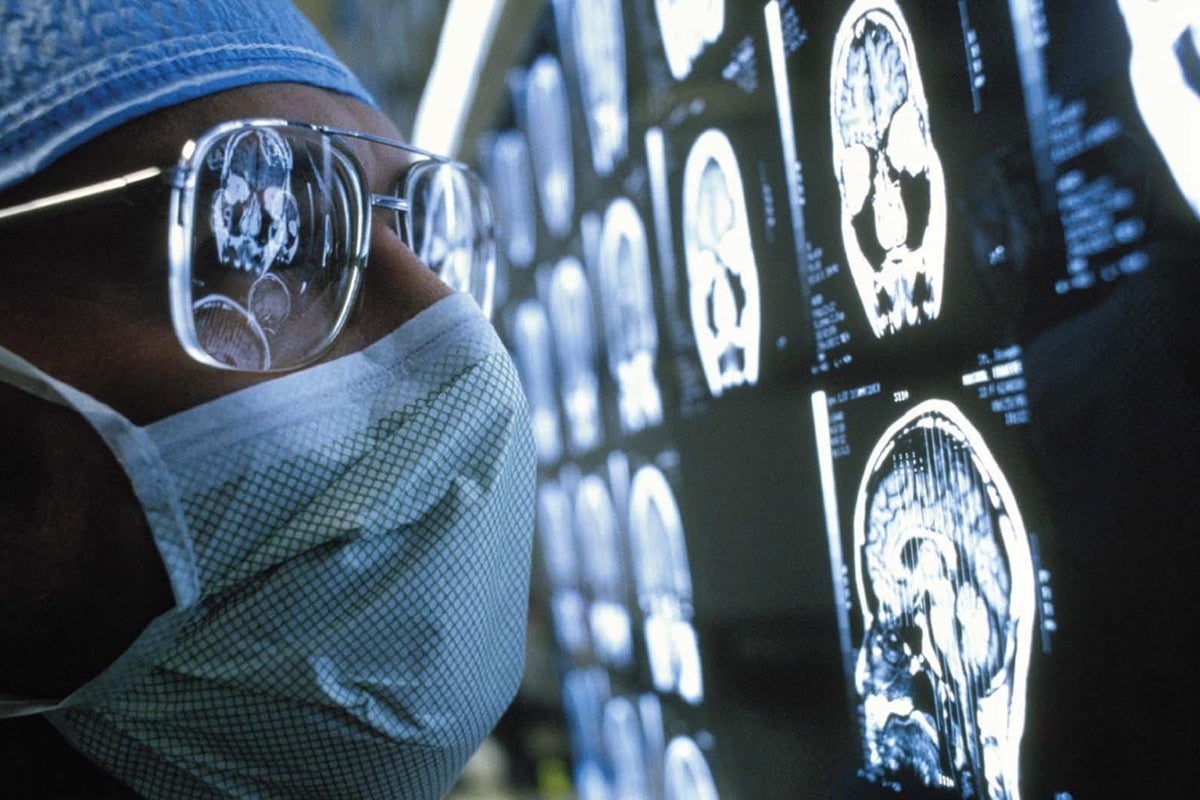
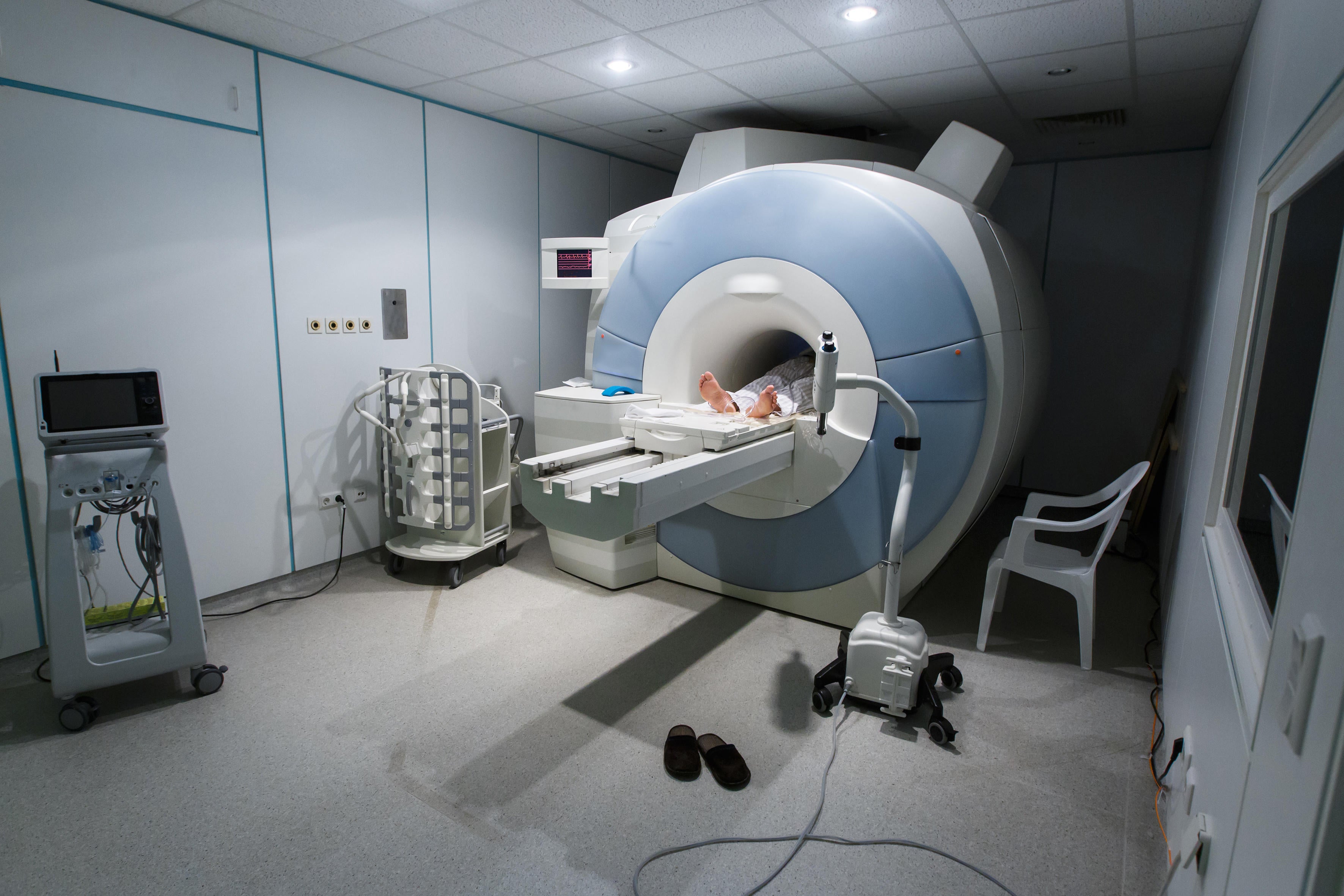
Currently, diagnosing and managing brain tumour patients is complex, often necessitating invasive surgical biopsies and extensive MRI scans. This research offers a less intrusive, potentially faster alternative.
The breakthrough, led by scientists at the University of Manchester in collaboration with teams in Denmark, centres on two blood proteins. These markers identify tumours with high precision and offer insights into disease response to treatment. Findings were published in Neuro-oncology Advances.
The blood test's validity was rigorously checked using glioblastoma patients throughout their treatment journey, including surgery, radiotherapy, and chemotherapy.
Professor Petra Hamerlik, the Brain Tumour Charity chair of translational neuro-oncology at the University of Manchester, who spearheaded the research, emphasised: "Glioblastoma is one of the most devastating cancers we face. The lack of reliable tests has been a major barrier to earlier diagnosis and treatment response monitoring."

Professor Hamerlik highlighted the test's remarkable stability: "What is remarkable about our findings is that, despite these tumours being very different in genetic make-up and constantly evolving, the signal in the blood is stable, robust and highly informative."
She expressed optimism for its future, adding: "We hope that once validated, this simple blood test may pave the way for earlier diagnosis and more precise monitoring of patients during and after therapy."
She confirmed: "Our dual-marker blood test achieved diagnostic accuracy greater than 90% and continued to perform just as well when the disease returned."
This, she believes, "opens the door to a future where we can follow the tumour’s behaviour through a simple blood sample, complement brain scans, and potentially recognise when the treatment isn’t working and the cancer returns – all much earlier than is currently possible."
Dr Simon Newman, chief scientific officer at the Brain Tumour Charity, echoed the sentiment: "Early and accurate diagnosis is absolutely critical for people with brain tumours, yet current tools are limited and often invasive.
This research therefore marks a significant step towards a simple blood test that could help clinicians detect glioblastoma and monitor how patients are responding to treatment in real time."
Professor Hamerlik, whose father suffered from glioblastoma, further explained the potential real-world application to the Press Association, noting patients often visit a GP "six to eight times before being sent for an MRI for a potential brain tumour."
"The idea with our work is that, if you come more than once with a headache, such as three times, and if the doctor suspects a brain tumour, they would run this test," she explained.
"The risk score would indicate that you might have a malignant growth in your brain, and you should go for MRI."
She envisions "a device – something like a Covid test – to start with”, hoping it will be "brought into the NHS within a decade" following regulatory approval.
Beyond initial diagnosis, Professor Hamerlik confirmed the test's effectiveness in measuring therapy response.
"When our patients started treatment after surgery, the biomarkers changed," she said. "They went up as the tumour grew back, and then they went down again when people were having chemotherapy."
The team has launched a clinical trial across six UK sites and four internationally. Addressing the scarcity of glioblastoma treatments, Professor Hamerlik expressed her desire for the blood test to be ready when new medicines emerge.
She underscored the critical impact of early detection: "Late diagnosis impacts the prognosis of the patients. The later, the bigger the lesion, the worse the outcome. Even with surgery, if the tumours are picked up early and they’re smaller, you have less damage to the normal brain."