
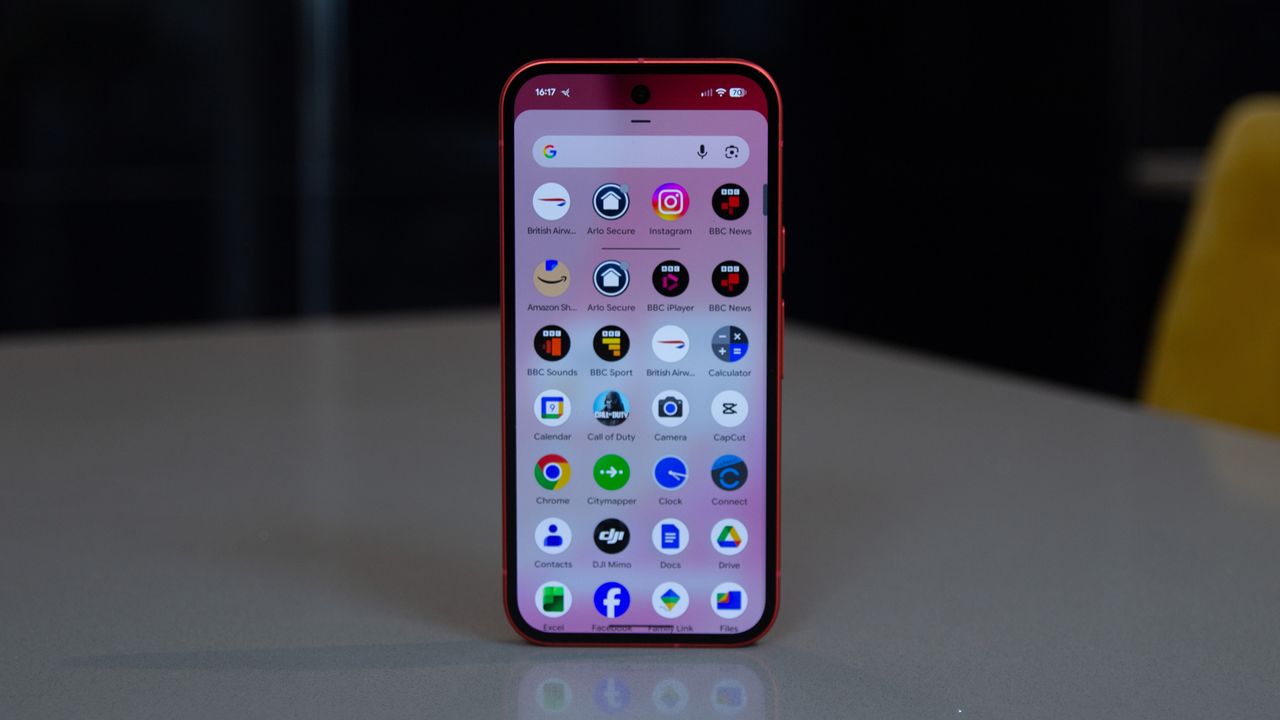
Google has confirmed that sideloading will continue to be supported on Android devices.
The news comes from Sameer Samat, head of Android, while Google continues to work on verifying developers to increase protections.
Sameer Samat, head of Android at Google, has confirmed that sideloading remains something that will continue on Android. "It's not going away", he said in a recent interview with Android Authority.
Sideloading has always been something that Android supported – in stark contrast to Apple's iPhone – allowing owners to install apps that don't come from Google Play.
On one hand, that allows plenty of freedom, so users can install older versions of apps, apps that are no longer supported, or apps that they develop themselves. On the other, it’s a simple route to getting malicious apps onto phones.
That's why the issue of sideloading has become a hot topic for Android, with Google recently saying that there's "50 times more malware from internet-sideloaded sources" than from Google Play.
That, according to the tech giant, saw governments pushing the company to address the problem. "The warnings we currently have are insufficient," Samat freely admitted, which is why developer verification is coming in to protect users.
That will result in apps needing to come from verified developers before they can be installed on certified Android devices. It will allow verified developers to distribute apps directly if they want to, but users will have an additional layer of protection.
Confirming news that previously broke, Samat said: “We will have a flow that allows more sophisticated users to install software that has not been verified.” This will allow "experienced users" – such as hobbyists – to install their own apps, while making it more difficult for casual users to accidentally install malware.
How will Android sideloading change?
While there are a number of warnings and protections in place (the ability to install sideloaded apps is off by default on Android devices) it's currently not a difficult process, much like installing an executable file on a PC.
"We would like to be able to tell the user this app is from this source. Now, that doesn’t mean that the app is safe. The user still has to make decisions. But at least you know who it’s from, and you can decide better. Do I trust this person, or do I not? That’s very important,” said Samat.
Android has thrived because of its open nature. That's one of the things that has attracted users and developers, while Apple continues to be a lot more closely regulated – a "walled garden", as it's often referred to.
For many Android users, giving up those freedoms would be to abandon the reason they were attracted to the platform in the first place, so it's a balance between maintaining openness for fans, while protecting those a little less savvy.