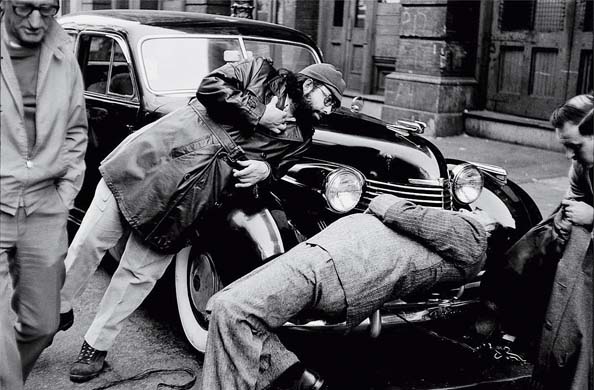
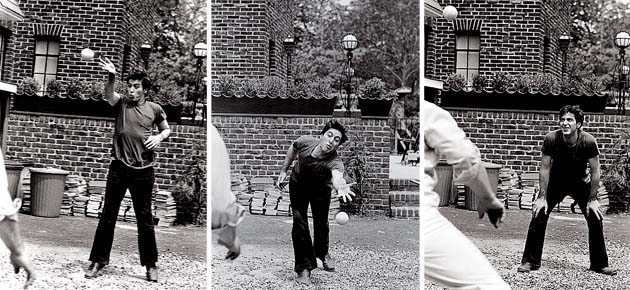
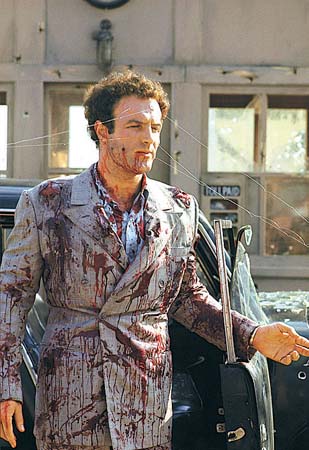
Francis Ford Coppola choreographs Marlon Brando’s slide down the front of the car after his character’s assassination. Vito Corleone was based on at least two real-life mob bosses: Vito Genovese, whose activities in the 1950s had done much to bring the mafia to the attention of the authorities, and rival “Luciano family” boss Frank Costello (from whom Brando borrowed Don Vito’s husky voice)Photograph: Steve Shapiro/TaschenAl Pacino playing handball in a break between scenes. From a family of Italian immigrants like the fictional Corleones, Pacino was nearly replaced after a few days of filming, as studio executives initially thought that his performance was too restrainedPhotograph: Steve Shapiro/TaschenJames Caan was wired up to a huge number of explosive blood packs, or squibs, for the scene where his character, Sonny, is gunned down. The 147 squibs were a Hollywood record at the time, and Caan only endured the pain out of face-saving bravadoPhotograph: Steve Shapiro/Taschen
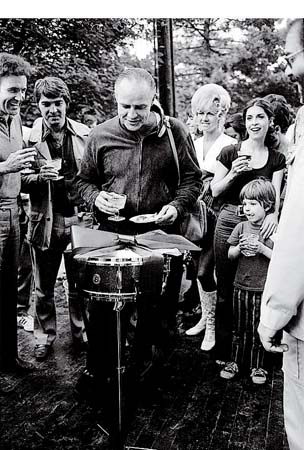
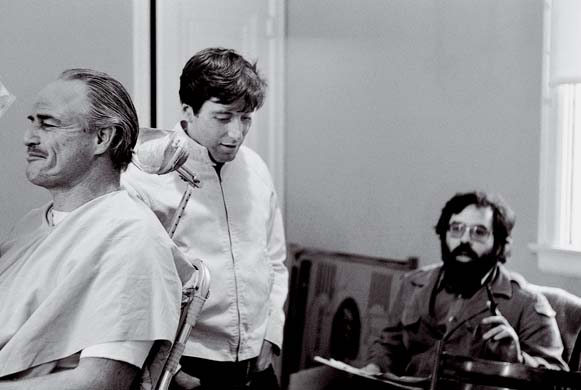
Gifts were handed out at the end of production. Brando was given some drums, having hammered the skins since he was a boy. He has said on several occasions that if he hadn’t been an actor he would have been a drummerPhotograph: Steve Shapiro/TaschenDuring makeup sessions, Coppola would talk through the script with Brando and Pacino. Brando was only 47 when he was cast as Vito Corleone, and had to have considerable “ageing” makeup. No one at the studio wanted Brando to play the part: he hadn’t had a hit in years. Coppola was only allowed to offer Brando the role after establishing that Laurence Olivier was too ill to work. Frank Sinatra also wanted the role, but was turned downPhotograph: Steve Shapiro/Taschen
Sign up to read this article
Read news from 100’s of titles, curated specifically for you.