Cincinnati Bengals rookie defensive end Shemar Stewart was carted off the field after suffering an apparent left leg injury during training camp on Tuesday, after his left knee appeared to buckle during a team drill.
Medical personnel attended to Stewart on the field before helping him to a cart for further evaluation. The Bengals have not announced the severity of the injury or provided an official diagnosis, and Stewart is expected to undergo additional medical testing to determine the extent of the damage.
Stewart, the Bengals' first-round selection in the 2026 NFL Draft, had recently returned to practice after resolving a contract dispute that delayed his full participation in offseason activities and training camp. His injury now raises questions about his availability as the team awaits the results of further medical evaluation.
Reports Suggest a Knee Injury Might Be The Culprit
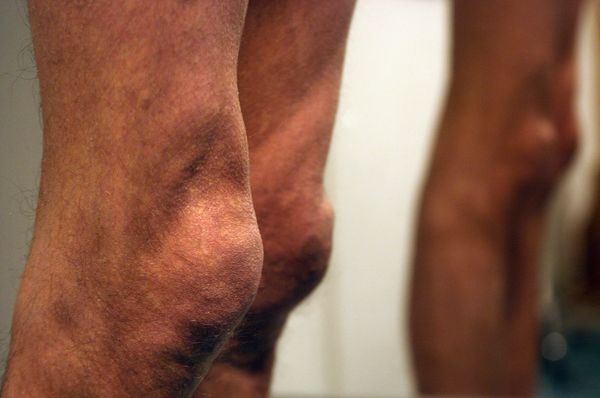
The injury occurred during a team period when Stewart's left knee appeared to buckle as the play developed. Medical personnel immediately attended to the rookie before helping him off the field, and he was later transported to the locker room on a cart for additional evaluation.
While the mechanism of injury suggested possible involvement of the knee, the Bengals have not announced an official diagnosis, and reports indicate the team plans to conduct further testing, including imaging if clinically indicated, to determine the extent of the injury.
Because Stewart's knee appeared to buckle during the play, physicians will likely evaluate several possible causes rather than assume damage to one specific structure. Similar injury mechanisms can involve ligament sprains or tears, meniscus injuries, patellar instability, bone bruises, tendon injuries, or other trauma affecting the knee and surrounding structures.
Until a physical examination and any necessary imaging studies are completed, it is not possible to determine which tissues, if any, have been injured.
How the Experts Inspect and Determine a Knee Injury
When an athlete's knee appears to buckle during play, sports medicine teams first work to prevent additional injury while performing an initial assessment. Clinicians determine where the athlete is experiencing pain and ask if a popping sensation was felt or heard.
Then they evaluate if the athlete can bear weight, and examine the knee for rapid swelling, instability, or deformity. Ice, compression, elevation, and temporary immobilization may be used when appropriate while the athlete is removed from play and transported for further medical evaluation.
The Next Steps After the Initial Evaluation
Physicians then perform a detailed examination to evaluate ligament stability, range of motion, swelling, tenderness, and weight-bearing ability. Specialized physical examination maneuvers help determine whether the anterior cruciate ligament (ACL), posterior cruciate ligament (PCL), medial collateral ligament (MCL), lateral collateral ligament (LCL), menisci, or other structures may have been injured.
X-rays may be obtained initially to rule out fractures or other bony injuries when clinically appropriate, while magnetic resonance imaging (MRI) is commonly used when significant ligament, cartilage, tendon, or meniscus damage is suspected because it provides detailed images of the knee's soft tissues.
Together, the physical examination and imaging findings help physicians distinguish among injuries involving the ACL, PCL, MCL, meniscus, and other stabilizing structures and guide decisions regarding rehabilitation, return to play, or if surgery is necessary.
Swift Medical Attention is Key to Preventing a Worse Outcome
Stewart's injury highlights how quickly an apparently routine football play can become a significant medical concern and why immediate evaluation is essential whenever an athlete's knee appears to give way unexpectedly.
His diagnosis has not been confirmed, but the incident demonstrates why healthcare professionals avoid drawing conclusions based solely on the mechanism of injury and instead rely on a thorough physical examination and appropriate imaging before determining the extent of damage. Stewart's case serves as a lesson to aspiring athletes that a knee or leg injury causing instability, buckling, difficulty bearing weight, or persistent swelling should not be ignored.
Whether an injury occurs during professional sports or everyday physical activity, seeking timely medical evaluation can help identify ligament, cartilage, tendon, or meniscus injuries early and allow appropriate treatment to begin, reducing the risk of long-term complications and improving recovery outcomes.