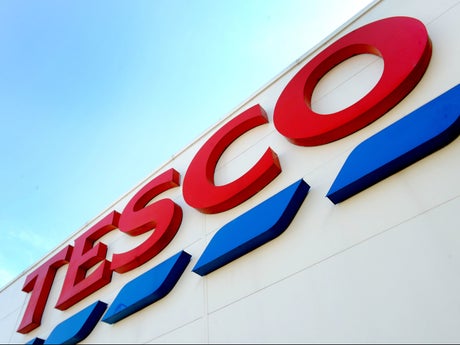
Investors in Tesco are trying to pressure the supermarket into cutting junk food sales and increasing the sale of healthy food and drink as evidence grows that the UK's obesity problem has worsened during the pandemic.
A consortium of investors, led by responsible investment NGO ShareAction, has filed what is thought to be the first nutrition-based shareholder resolution at a FTSE 100 company.
There is growing concern among some investors about the long-term impact actions big retailers are having on public health, ShareAction said.
Tesco is the UK's largest grocery retailer, with market share of just under 27 per cent.
The shareholders are calling on the retailer to cut its reliance on junk food for sales growth, emphasising that new health regulations likely to be imposed following the pandemic pose a risk to profits.
If passed at its AGM this summer, it would force Tesco to disclose what proportion of its overall food and soft drink sales are made up of healthy products.
It would also require the chain to develop a strategy to significantly increase the ratio of healthy to junk food sales by 2030, and publish a review of its progress each year from 2022.
The issue of setting out a healthy food strategy was raised at Tesco's 2020 AGM, ShareAction said, but the retailer refused to commit to making changes.
It said the resolution was a "marked escalation" in pressure from shareholders.
Before the pandemic, around 90,000 people died from diet-related diseases in the UK every year, according to a 2019 study.
An estimated 4.7 million people have diabetes - 90 per cent of which is type 2.
Obesity has now emerged as one of the biggest risk factors for acute cases of Covid-19, with severely obese people three times more likely to be admitted to intensive care with the virus.
The first phase of the government-commissioned National Food Strategy, published last summer, noted: "The fact that we went into the Covid-19 crisis with such high rates of obesity and diet-related disease has undoubtedly contributed to the UK's appalling death rate."
In response, the government is considering a series of measures to tackle the problem, including legislation to curb sales of junk food.
Among the proposals are an end to promotion of foods high in fat, salt or sugar by restrictions on offers such as buy one, get one free.
There could also be limits on placing junk food products in prominent positions, both in physical stores and online, to reduce impulse buys.
Elsewhere, other big British retailers have already established a strategy to increase sales of healthy products.
Marks & Spencer's "Plan A" sustainability programme includes a target of 50 per cent of sales on its own-brand items to be generated by healthier products by 2022.
Forty-three percent of Sainsbury's food and soft drink sales came from healthier products in 2019/20, and it has committed to reporting its progress twice yearly from 2021 onwards, ShareAction said.
The resolution is being backed by seven institutional investors managing more than £140bn in assets, along with 101 individual investors.
Additional reporting by Press Association