
Bluetooth: SBC, AAC, aptX Adaptive
Battery life: 60hrs
Wired listening: Yes, 3.5mm and USB-C
Finishes: x 1 (black)
Weight: 311g
They might not be the most exciting headphones to look at, but these truly deliver on the sound front. The included dongle ensures better audio quality, while the cans are revealing enough to let the higher-quality codecs shine. Their battery life is stellar too, and they're feature packed, though they are a bit lacking in terms of noise cancellation.
Pros
- Natural, dynamic, detailed sound
- USB-C dongle improves Bluetooth audio for iPhone and other devices
- Up to 60-hour battery life
- Comfortable, well-built design
Cons
- Beaten for ANC intensity
- Wired listening requires battery life
- Plain-looking design that doesn't fold up
Bluetooth: SBC, AAC, LDAC, LC3
Battery life: 30hrs
Wired listening: No
Finishes: x 3 (Black, Silver, Midnight Blue)
Weight: 254g
While still superb all rounders, the Sonys are bested for sound quality by the Sennheisers, which simply take you closer to the music. The XM6 come out on top in terms of noise cancellation, and if you time it right, they could be had for around £100 less. For casual listening, they're still the best choice for most people, but audiophiles will prefer the Sennheisers.
Pros
- Exceptional levels of detail and dynamism
- Spacious, musical sound
- Comfortable, folding design
- Superb ANC and call quality
Cons
- No aptX HD support
- No audio via USB-C
- Half the battery life of their Sennheiser rivals
Sennheiser headphones might not have dominated the headlines like Sony and Bose's models, but they have consistently scored very well, while also boasting a battery life of around double some of their rivals. Now Sennheiser's latest pair have another trick up their sleeve...
It's a little accessory that plugs into your audio source (like an iPhone) and ensures that it supports the same high-quality Bluetooth codec as the HDB 630 headphones.
It's undoubtedly a cool feature. But is it enough to lift them above the industry-leading Sony WH-1000XM6 as the best over-ear headphones around right now? Let's see.
Sennheiser HDB 630 vs Sony WH-1000XM6: price
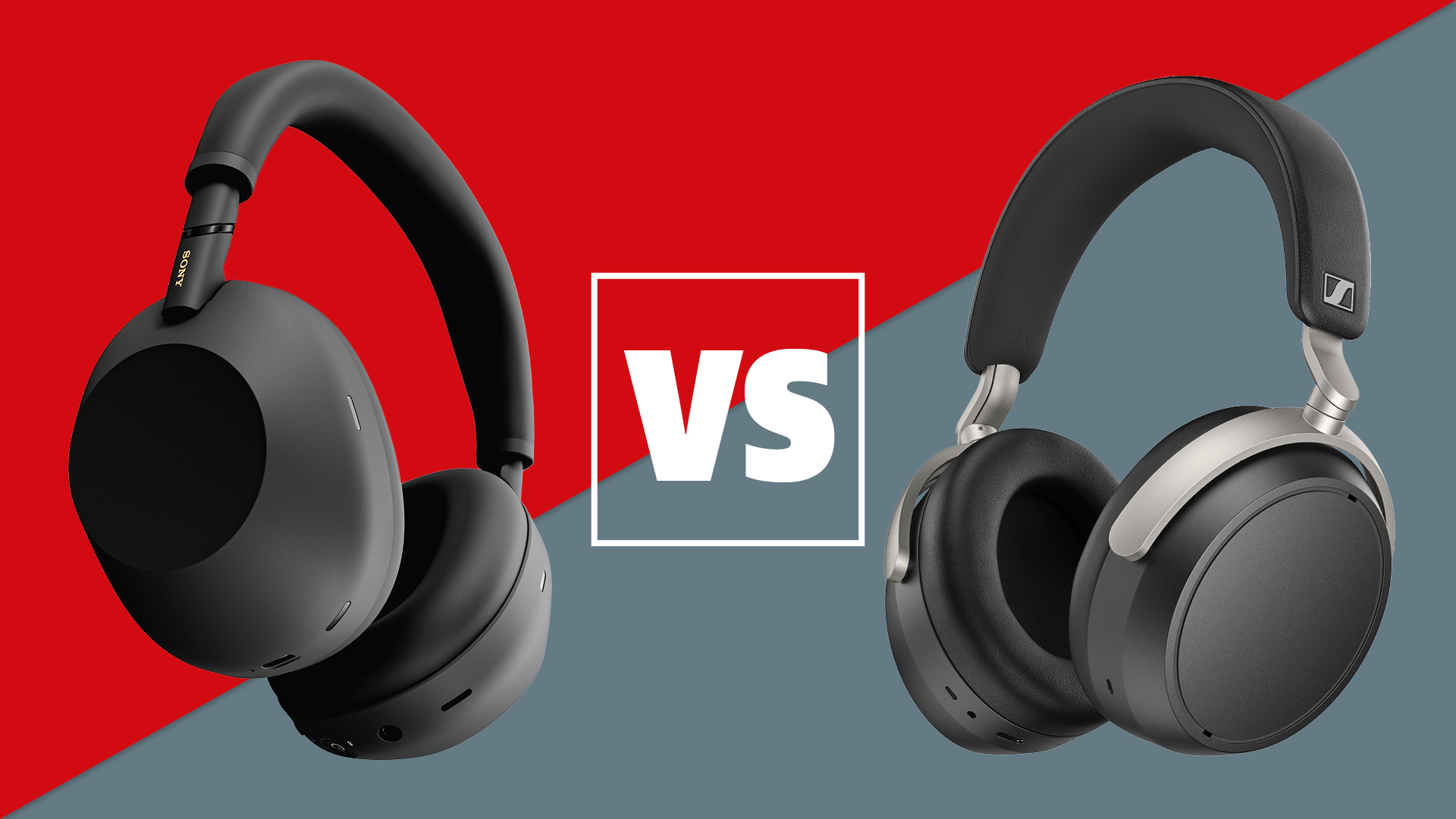
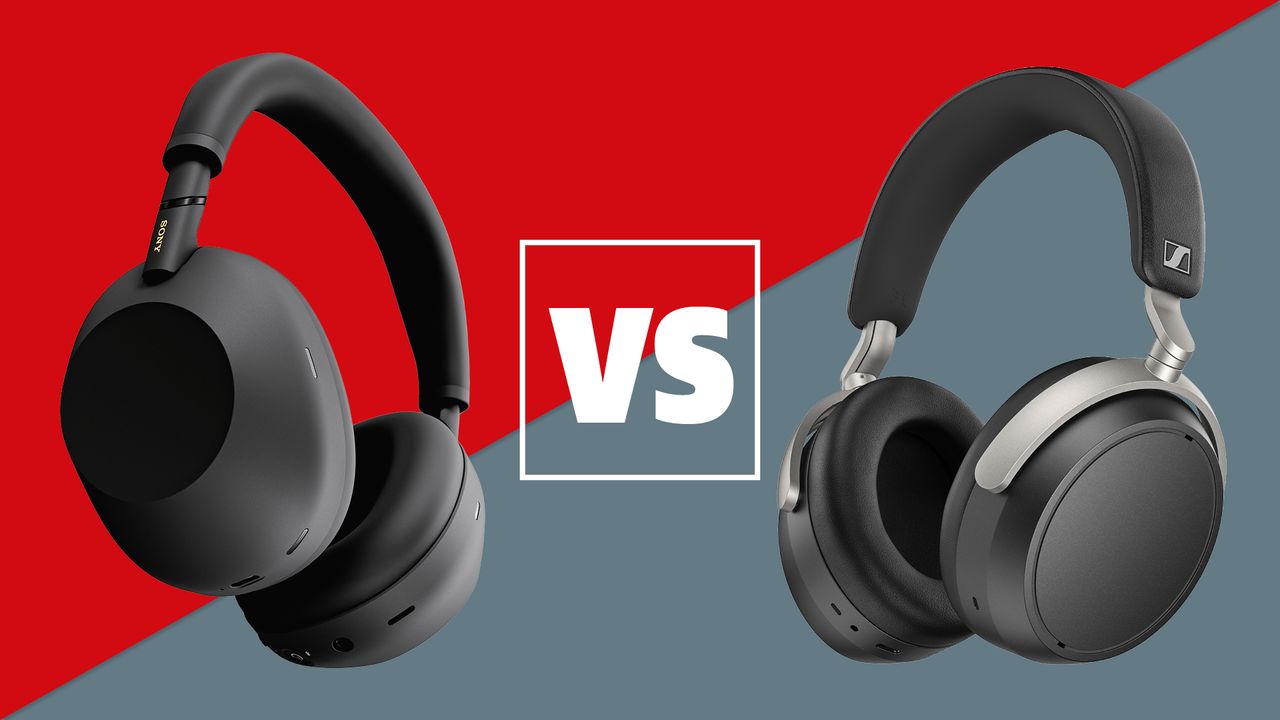
In the UK, both the Sennheisers and Sonys launched at the same price, though their prices differ in other countries. The Sennheiser HDB 630 launched at £400 / $500 / AU$1000, to the Sony WH-1000XM6's RRP of £400 / $450 / AU$699. But that's not the full story.
The Sonys have already been discounted – Black Friday 2025 saw their biggest price slash yet, to £300. While they haven't fallen that low since, at time of writing, they're selling for £349.
Sony products are often discounted in the sales, made more likely by the fact that the XM6 are a few months old already versus the brand-new Sennheisers. So Sony takes this round.
**Winner: Sony WH-1000XM6**
Sennheiser HDB 630 vs Sony WH-1000XM6: design & build
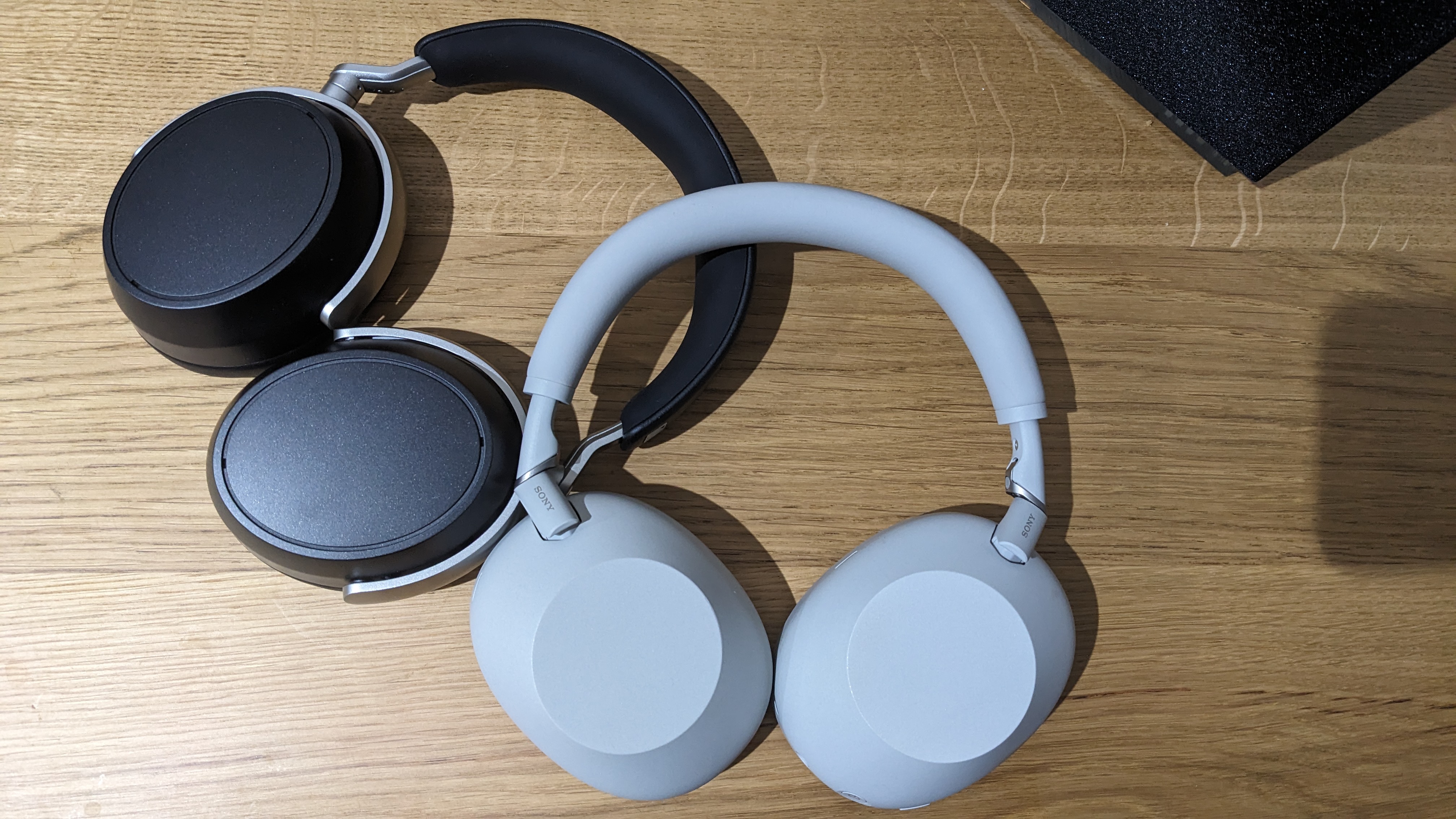
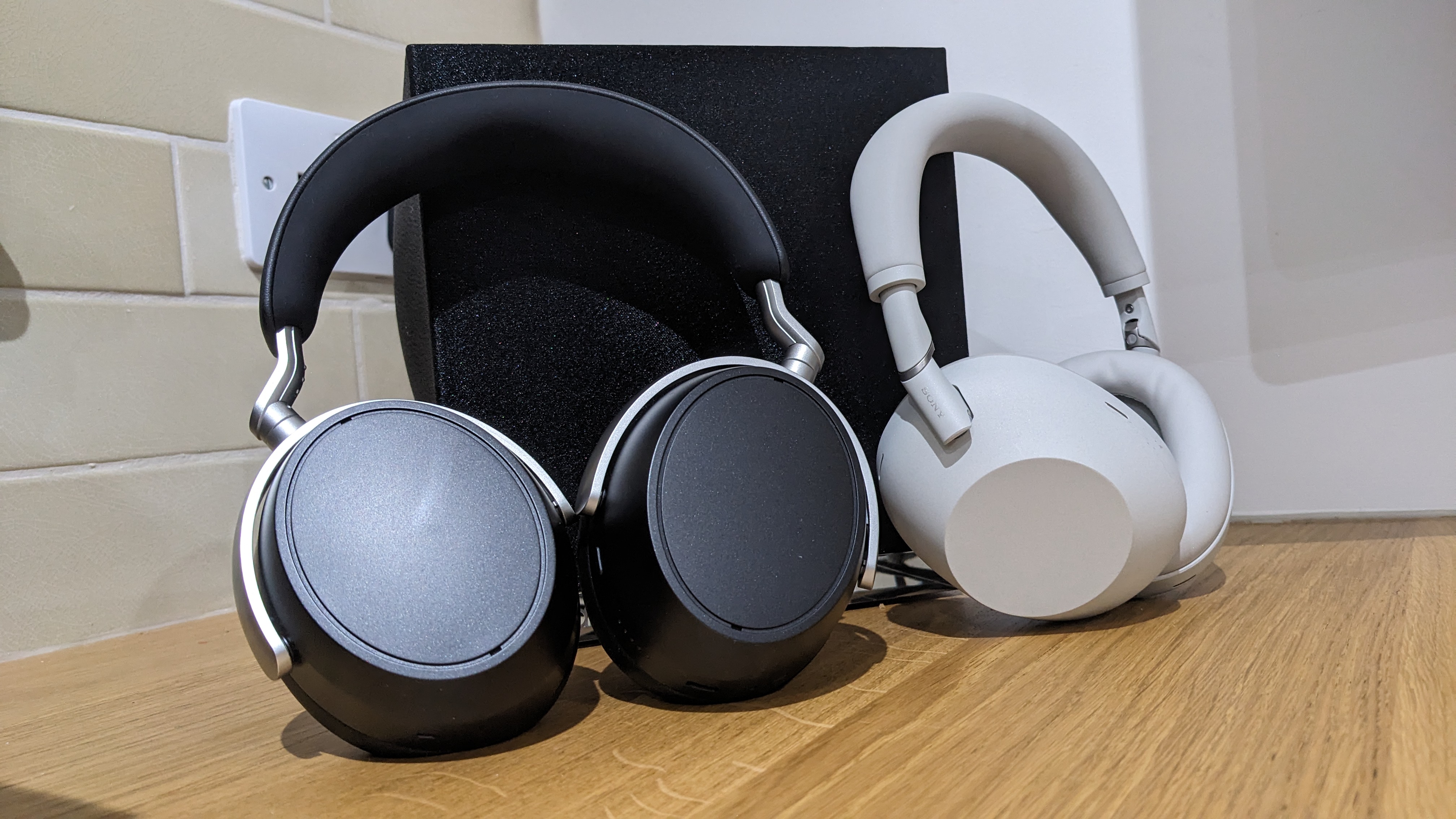
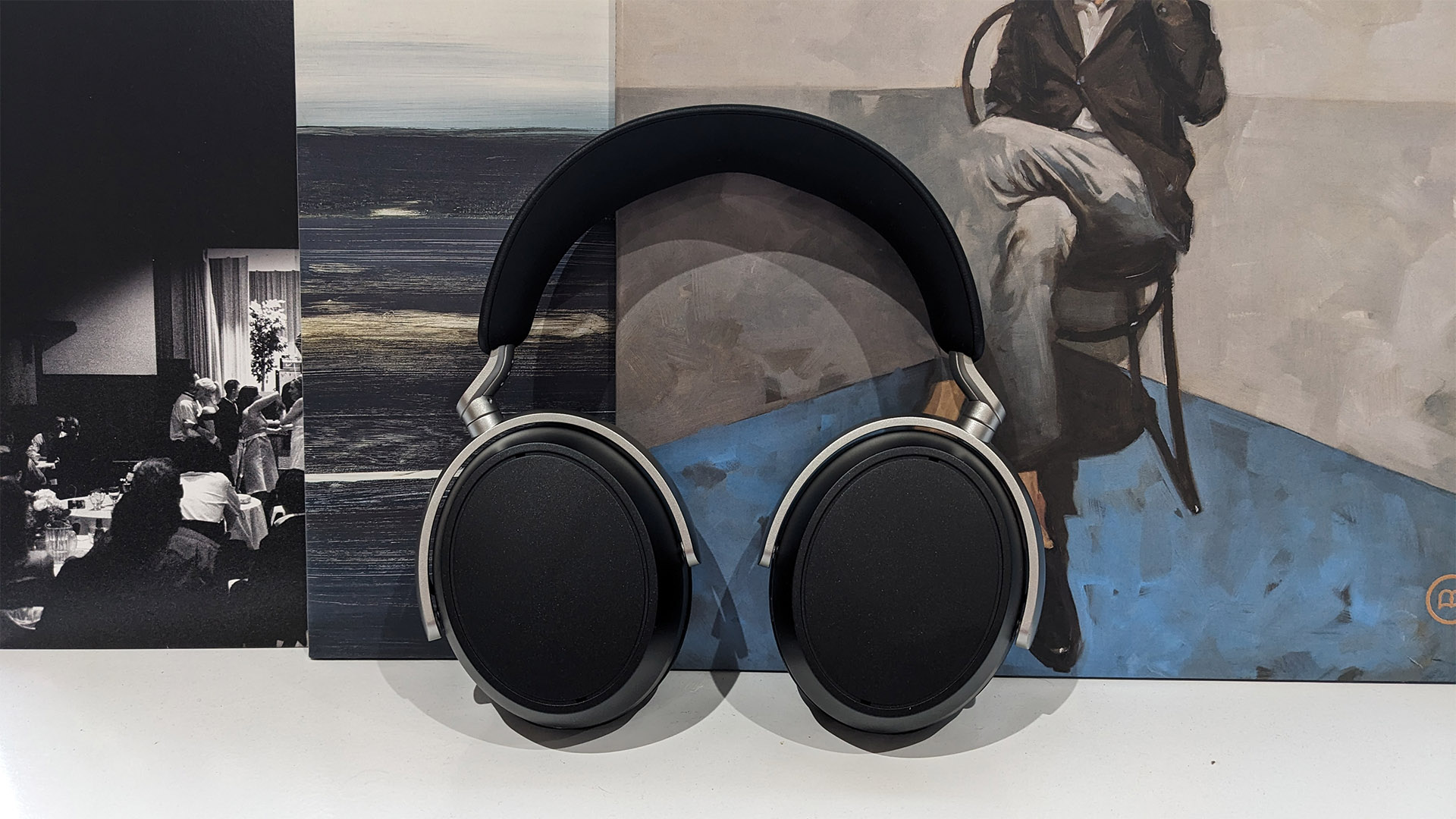
Looks-wise, the HDB 630 resemble recent Sennheiser Momentum models – 'functional' is the order of the day. The chunky oval earcups are free of any adornments, and there's a distinct lack of flourishes. They only come in one finish too, sticking to Henry Ford's maxim that you can have any colour you like, as long as it's black.
But in terms of comfort, it's a big tick. The grip is judged very well, striking the fine balance of being secure but not too tight, and the pleather earpads isolate well. The headband is well cushioned enough to make the headphones comfortable even during longer listening sessions.
You can deactivate Sennheiser's touch-sensitive controls using the app, so you won't accidentally press them. Which is a nice touch.
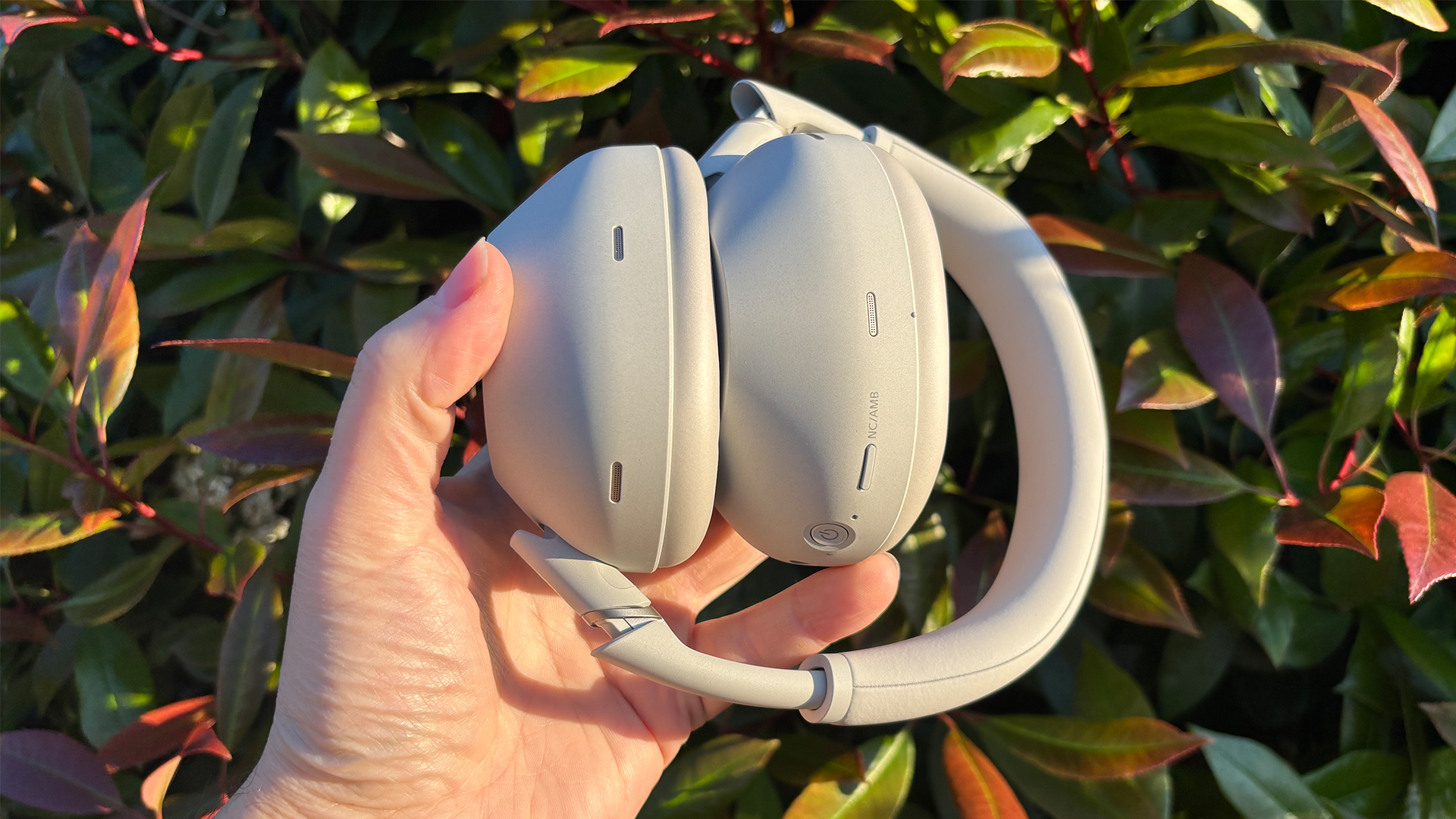
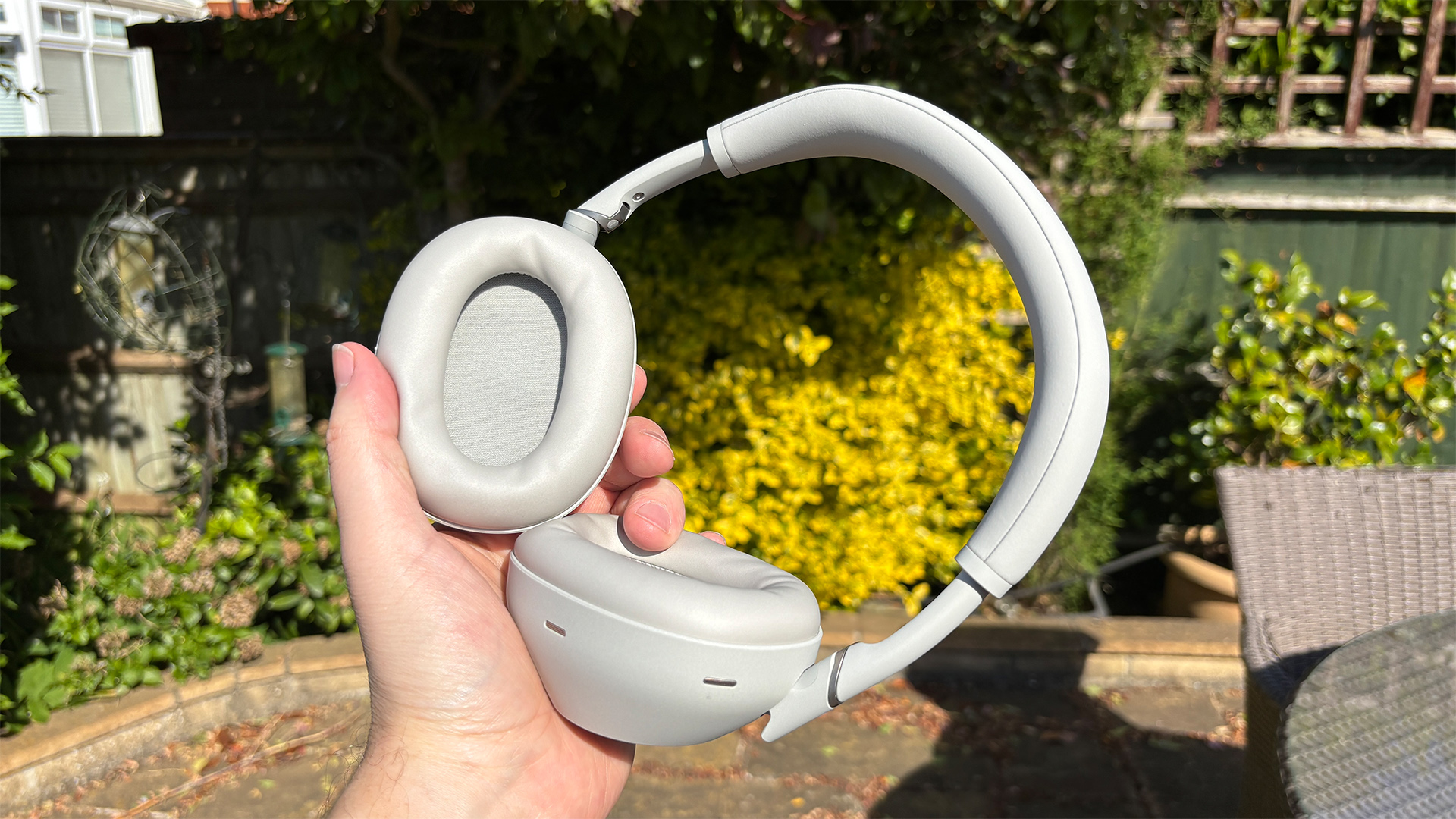
The Sonys have much more going on in terms of design, with three finishes and hinges that allow them to fold up into a ball (though they have to be stored flat to fit into the carry case). We find that materials used and build quality feels more premium than the Sennheisers, too.
The headband is wide and flat and makes the headphones very comfortable, while the sliders for adjusting size are noiseless and stepless, which certainly adds to the wow factor. Like the Sennheisers, the grip is very well judged and the earcups don't cook your ears like some pairs.
Sony uses touch controls too, and again, these can be deactivated using the app. The XM6 feature a fingerprint-resistant material to stop them being marked by your paws, so they'll stay looking new for longer.
**Winner: Sony WH-1000XM6**
Sennheiser HDB 630 vs Sony WH-1000XM6: features
The most eye-catching feature about the Sennheisers is the BTD 700 Bluetooth transmitter dongle that makes sure both source and headphones are using the same Bluetooth codec. It plugs in via USB-C, so will fit most modern phones – to use it with older iPhones you'll need a USB-C-to-Lightning adapter.
It connects to the headphones automatically, showing a solid white light when connected and purple one when playing music. It's a doddle to use, and the dongle is tiny, though it is still a faff having to plug something into your phone.
Still, for the boost in sound quality, it's worth it. It means every compatible phone will support the aptX Adaptive Bluetooth codec, meaning higher-quality listening up to 24-bit/96kHz supported through the HDB 630 headphones.
But the Sennheisers have plenty going for them besides this. They have the same 60-hour battery life as their Momentum 4 Wireless stablemates – that's double the 30 hours of the Sony WH-1000XM6.
These figures are with ANC enabled, though Sennheiser's figure does drop to a still excellent 45 hours with the dongle in use.
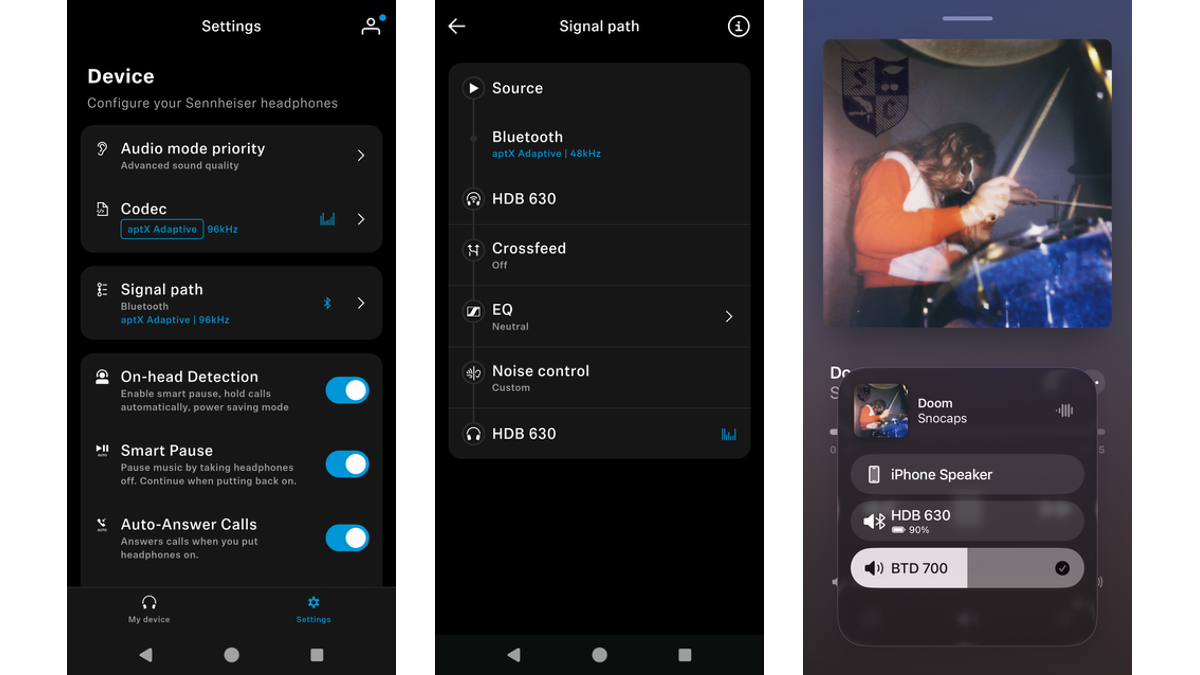
There's a comprehensive app too, which not only shows you the audio quality you're listening to and the signal path from source to headphones, but also lets you toggle on-head detection, handsfree controls, tweak the equaliser and ANC, and more. It also has extensive parametric EQ settings to allow you to fine-tune the frequency curve to your heart's content.
You can listen to the HDB 630 wired too, either using the 3.5mm headphone cable or USB-C, though you'll need some battery power for either. You can listen to the XM6 while they're charging using their USB-C cable, but only wirelessly – you can't listen to them wired via USB-C, but you can when using the 3.5mm cable.
The XM6 have a newly developed 30mm ‘soft edge’ dome driver and Sony’s new HD Noise Cancelling Processor QN3 processor which is a claimed seven times faster than its QN1 predecessor. There's also a ‘look-ahead noise shaper’ that improves the digital-to-analogue process by reducing distortion and improving dynamics.
They borrow Sony’s DSEE Extreme sound enhancement engine from the XM5 model, as well as the low phase noise crystal oscillator (to improve timing) from Sony's premium Walkman range. Like Walkmans, they have gold-infused solder in certain parts of the circuit, and optimised components and circuitry to minimise crosstalk and interference.
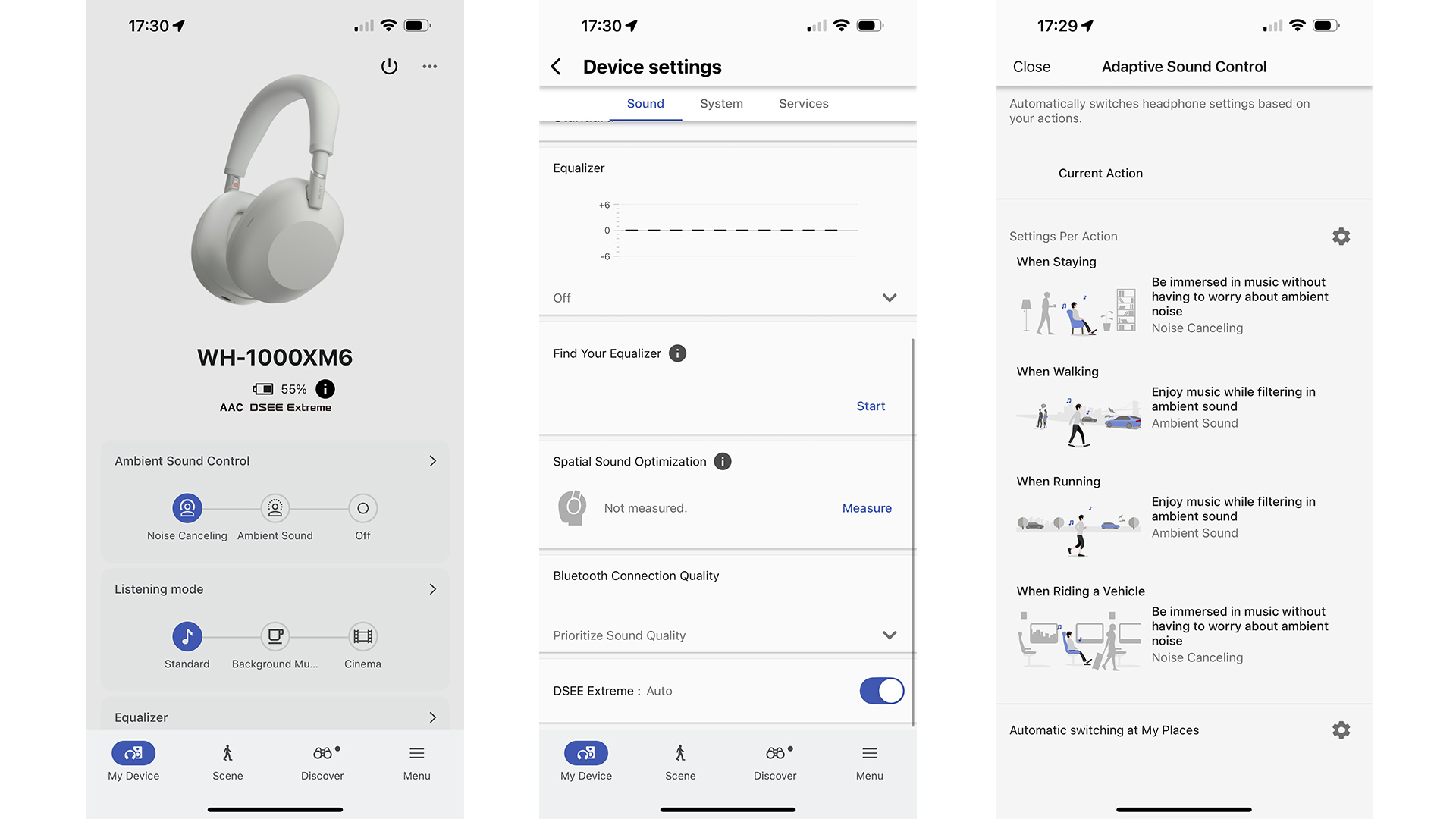
The Sonys don't support the various aptX codecs like the Sennheisers, but have Sony's own LDAC instead. And they add a new 360 Reality Audio Upmix for Cinema, which brings a spatial audio feel to any stereo audio content. Sony's Sound Connect app is comprehensive too, with a 10-band equaliser, Gaming EQ and more settings.
Both models feature Bluetooth Multipoint for pairing two wireless devices at once and switching between them seamlessly.
Both pairs are bursting with features, but the Sennheisers take this round thanks to their innovative dongle.
**Winner: Sennheiser HDB 630**
Sennheiser HDB 630 vs Sony WH-1000XM6: noise cancellation
At last, we find a chink in the HDB 630's armour: noise cancellation. It's still very good, just not up there with the class leaders.
Their ANC takes the edge off background sounds, especially low-end frequencies like traffic rumble. And in our experience, these tend to be the most distracting.
"Set ANC level to maximum and play music at a decent volume, and you’ll likely find yourself satisfyingly isolated," we noted in our review. It's when they come up against the Sony XM6 that they come unstuck.
The Sonys are just more effective, full stop. Wearing the Sennheisers, you're more aware of engine noise, whereas the Sonys "provide a more intense feeling of ‘dead air’ between the earcups, and it’s easier to switch off from the noise world while wearing them, particularly when listening to low/mid-volume piano pieces."
The Sony XM6 are some of the best noise-cancellers in their field. With more mics than their predecessors, a design aimed at reducing wind noise, and an NC Optimiser that constantly adapts the ANC to your environment, they're incredibly effective at silencing the outside world.
"Low-end and midrange noise are contained exceptionally well, especially as we try to navigate London's underground system," we wrote in our review.
"We found the Sonys to be wonderfully consistent in dealing with bass and midrange rumblings and just giving you a nice clear background on which you can place your music."
**Winner: Sony WH-1000XM6**
Sennheiser HDB 630 vs Sony WH-1000XM6: sound

So is the dongle a gimmick? Or does it actually help the HDB 630's sound? We're pleased to report it's very much the latter.
We tested them with an iPhone 16 and Samsung Galaxy S21, and found the jump in sound quality with the dongle to be night and day. With aptX Adaptive – enabled by the dongle – music played has noticeably more clarity and solidity, especially when listened to through the Sennheisers.
Indeed, the HDB 630 are "wonderfully smooth and natural sounding headphones, full of shape and dynamism across the frequency range," we wrote in our review. They excel in terms of midrange texture, dynamic expression and refinement, even showing up the Sony XM6 when it comes to Mountains (we met) by Christine And The Queens.
"The sparse piano notes drip with harmonics, while the percussive rhythmic pattern comes through with precision and purpose," we wrote of the HDB 630.
"Through the Sonys, the emotional impact is still there, but the presentation is that bit flatter, the percussion and vocal delivery less shapely and dynamic within a more compressed soundstage."
This isn't a one-off. With track after track, the Sennheisers take you closer to the music, going beyond the texture of the notes to tell you how a musician is playing their instrument. The HDB 630 have a wider soundscape, with greater separation between the various musical elements within it. It all adds up to a greater sense of scale, less congested arrangements and a more rewarding listen.
Not that the XM6 aren't superb in their own right. They're outstanding for detail, dynamism and precision, extracting an awesome level of information from any track you feed them. They have a great sense of rhythmic drive, with plenty of authority and a meaty yet well-defined bass.
Listening to Billie Eilish’s No Time To Die, you hear a great degree of intimacy conveyed by the XM6. "The amount of space around the individual key strokes means you can hear the full dynamic contrast," we wrote in our review.
"Her vocal oozes texture and emotion and you can picture just how close she is to the microphone when recording the track," we went on, while Eminem's Till I Collapse packs a powerful and solid bass hit.
The XM6 make for a fantastic listen. But heard side by side with the Sennheisers, they lose out.
**Winner: Sennheiser HDB 630**
Sennheiser HDB 630 vs Sony WH-1000XM6: verdict
Well well well. Our 2025 Award winners have been trumped in the sound department. The Sennheiser HDB 630 are a superb listen – dynamic, spacious, with an unbelievable level of texture. That they outgun the Sonys in this department is nothing short of a revelation.
Of course there's much more to a pair of headphones than just sound, but that's where our priorities lay. The XM6 are cheaper and certainly more exciting in terms of design, and they do cancel noise more effectively.
There's really not much to choose between them in terms of features, but the Sennheisers' dongle and higher-quality listening edge it for us. For superior sound, they're your best bet, though if it's an all-round excellent pair of wireless headphones you want, the Sonys more than suffice.
MORE:
Sony XM6 vs XM5: how do the Sony flagships compare?
Sony vs Sennheiser headphones: which are better?
The best wireless headphones you can buy