Average grocery bills for family households are approaching $1,000 a month, and consumers are shifting to seasonal eating both to combat the impact of high inflation and improve physical health. Sourcing fruits and vegetables during their natural harvest windows lowers grocery spending while providing superior nutrient density.
The strategy directly answers the economic pressure facing modern households. According to the USDA Economic Research Service, retail prices for fresh vegetables are predicted to increase 7.8% in 2026. By choosing items that are currently abundant, shoppers bypass the premium pricing associated with out-of-season transport and storage.
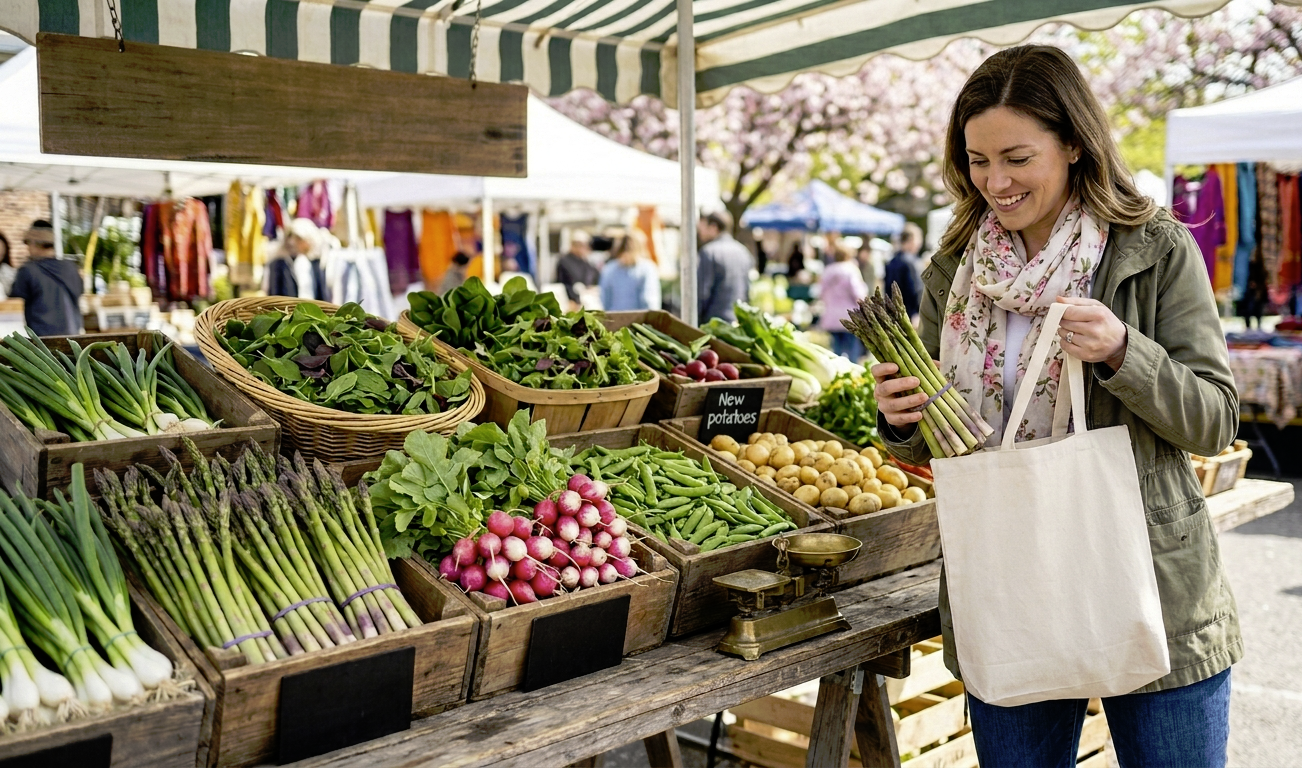
Image Source: Google Gemini
Why In-Season Produce Is Cheaper
When a crop is harvested in its natural season, the market experience is defined by a massive surge in supply. Basic economic principles dictate that abundance drives wholesale prices down, and smart grocery stores pass those savings directly to consumers.
Logistics costs also plummet because regional distribution networks require significantly less refrigeration and fuel compared to international shipping operations. For example, buying imported berries in the winter involves complex, climate-controlled shipping chains that artificially inflate the shelf price.
Focusing on regional harvests is an effective way to lower food expenses. Researching the best fresh spring ingredients to use in 2026 helps households prepare vibrant meals without paying the steep import premiums associated with out-of-season alternatives. And crucially, it’s a way of mixing up your standard rotation of meals so that your diet is varied.
Maximum Nutrient Density at the Peak of Harvest
Produce that is allowed to fully ripen on the plant before harvest develops a superior nutritional profile. Artificial ripening processes used during long-distance transit fail to replicate the complex vitamin and antioxidant development that occurs naturally.
Plants naturally synthesize specific nutrients to match the seasonal needs of human biology. Leafy greens and crisp vegetables abundant in warmer months offer higher water content and essential minerals for hydration.
Everyday grocery shopping yields better nutritional returns when shoppers synchronize their meal planning with the agricultural calendar. Millions of pounds of fresh produce are harvested every day across local farming networks. This predictable cycle ensures that consumers who prioritize seasonal items receive the highest concentration of vitamins for every dollar spent, making healthy diets easier to follow.
Sourcing food from regional harvests reduces the time elapsed between the field and the dinner plate.
Integrating these items requires minimal planning:
- Focus on purchasing produce that is featured in large displays near the front of the grocery section
- Build weekly menus around a rotating selection of two or three core seasonal vegetables
- Freeze excess seasonal purchases during peak abundance to preserve nutrients for later months
Better Flavor Profiles Drive Sustainable Dietary Habits
Food harvested at the proper time tastes significantly better than produce engineered to survive months of cold storage. Mass-produced crops destined for long-distance shipping are bred for durability rather than flavor, leading to a bland culinary experience.
Natural sugars and aromatic compounds reach optimal levels only when the plant grows under ideal climate conditions. This heightened flavor profile makes healthy home cooking inherently more satisfying. When whole foods taste excellent on their own, individuals are far less reliant on heavy sauces, sodium, or processed additives to make their meals palatable.
Discovering innovative ways to prepare these items helps maintain variety in the kitchen. Exploring fresh recipe concepts in culinary journals provides continuous inspiration for maximizing these vibrant ingredients throughout the changing seasons. You can also find out about the wider economic realities that are putting pressure on household budgets by exploring the other posts on our site and staying in the loop on the latest news stories.