I know that this news will be sudden and unexpected and therefore must come as a shock,” Lorna Clark, the director of music at the BBC, wrote in an email to staff on Monday morning. She was announcing the sacking of Scott Mills, a long-term BBC DJ who, in January last year, was given the Radio 2 breakfast slot, often seen as the crown jewel of British radio broadcasting. Today, it has emerged that Mills was investigated by the police in 2016 after allegations of “serious sexual offences” against a teenage boy, dating back to the late Nineties. The news has blindsided Mills’ colleagues, the rest of the UK’s media and his fans, as for years Mills has been seen as a steady voice through a tumultuous period for BBC radio.
Born in 1973 in Southampton, Mills joined the BBC in 1998 as part of the roster for its youth-focused station, Radio 1. Before then he has toured regional stations – from Hampshire to Manchester, via a stint in Bristol – honing his easy, affable persona. In 24 years at Radio 1, he watched on, apparently uncomplaining, as contemporaries like Zoe Ball, Sara Cox and Chris Moyles got the plum breakfast show gig. His afternoon show – a milder, less raucous affair – cemented Mills’ reputation as the station’s Steady Eddie who would frequently stand in during colleagues’ absences, without risking stealing their thunder. “It’s about comfort, not chaos,” he reflected on his style, last year, during a radio masterclass.
In 2001, aged 27, he decided to come out as gay. Even in the new millennium this wasn’t a simple decision. Men like Paul Gambaccini and Kevin Greening had cracked open the door, but the culture at Radio 1 remained blokey, and Mills’ cheeky chappy persona – often appearing with short, spiked hair and in tracksuits – was a playful riff on lad culture of the time. “It's not a secret at all, and I've always felt comfortable with it,” he told The Guardian in an interview at the time. “But that's all people need to know, really.” In 2024 he married his boyfriend Sam Vaughan in Ibiza, with many BBC presenters (including his co-host Chris Stark, and fellow anchors like Ball, Rylan Clark and Jordan North) in attendance.
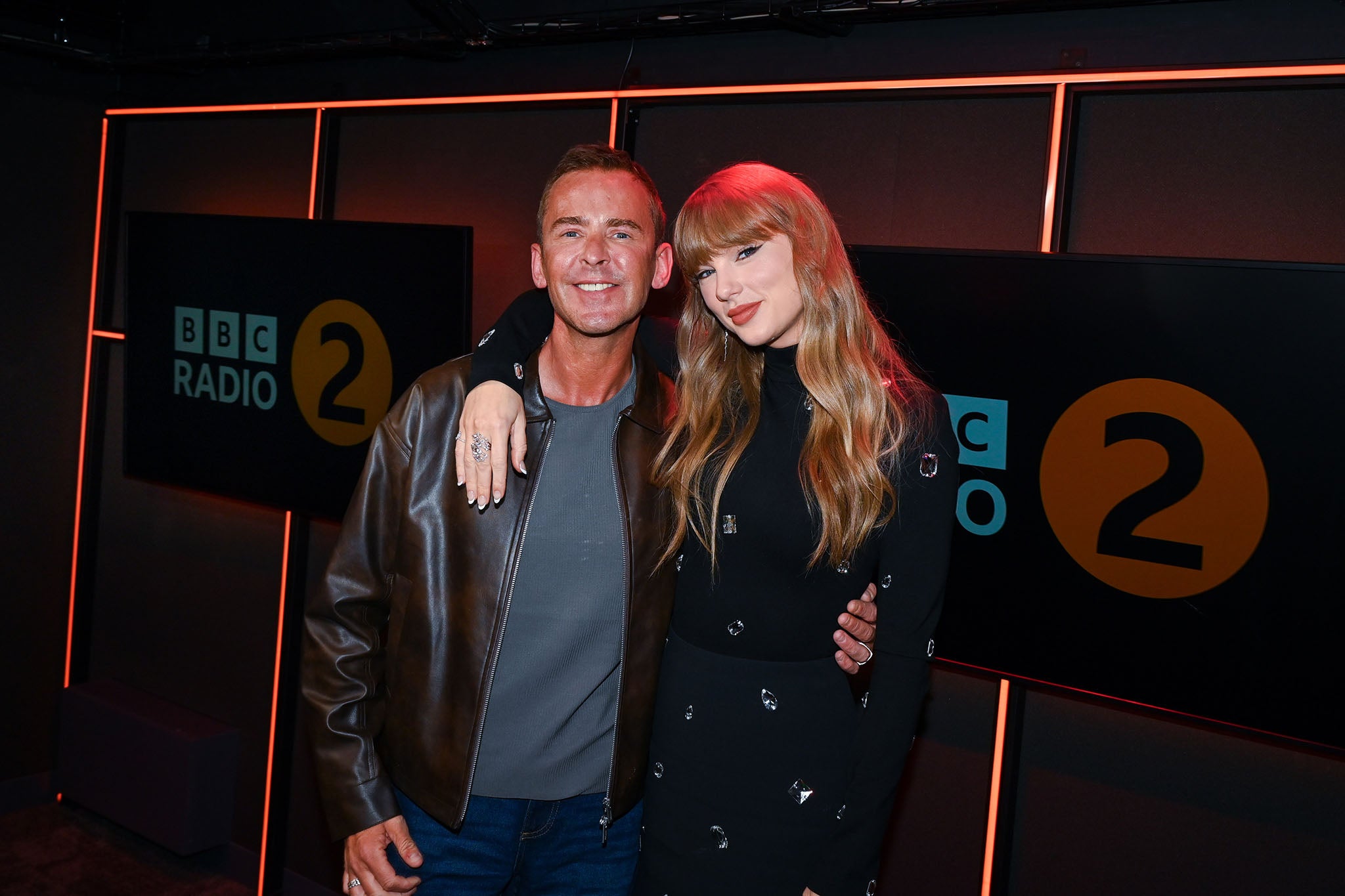
Part of Mills’ success was down to his early uptake of social media friendly formats, like “Innuendo Bingo” in which celebrities fill their mouths with water and try not to spit it out while listening to increasingly ludicrous civilian malapropisms. A 2013 episode, featuring American comedian Will Ferrell, reached 4.2 million views on YouTube at a time when his employer had no real strategy for the platform. This ability to bridge old-school radio and the increasing importance of the internet might have been in the mind of Radio 2 bosses when, in 2022, they controversially poached Mills (then aged 49, a classic transitional time for DJs) to replace Steve Wright in the station’s afternoon slot. Three years later, he was promoted to breakfast. It came with a bump in pay – to over £355,000 – making him the 11th highest paid star at the BBC.
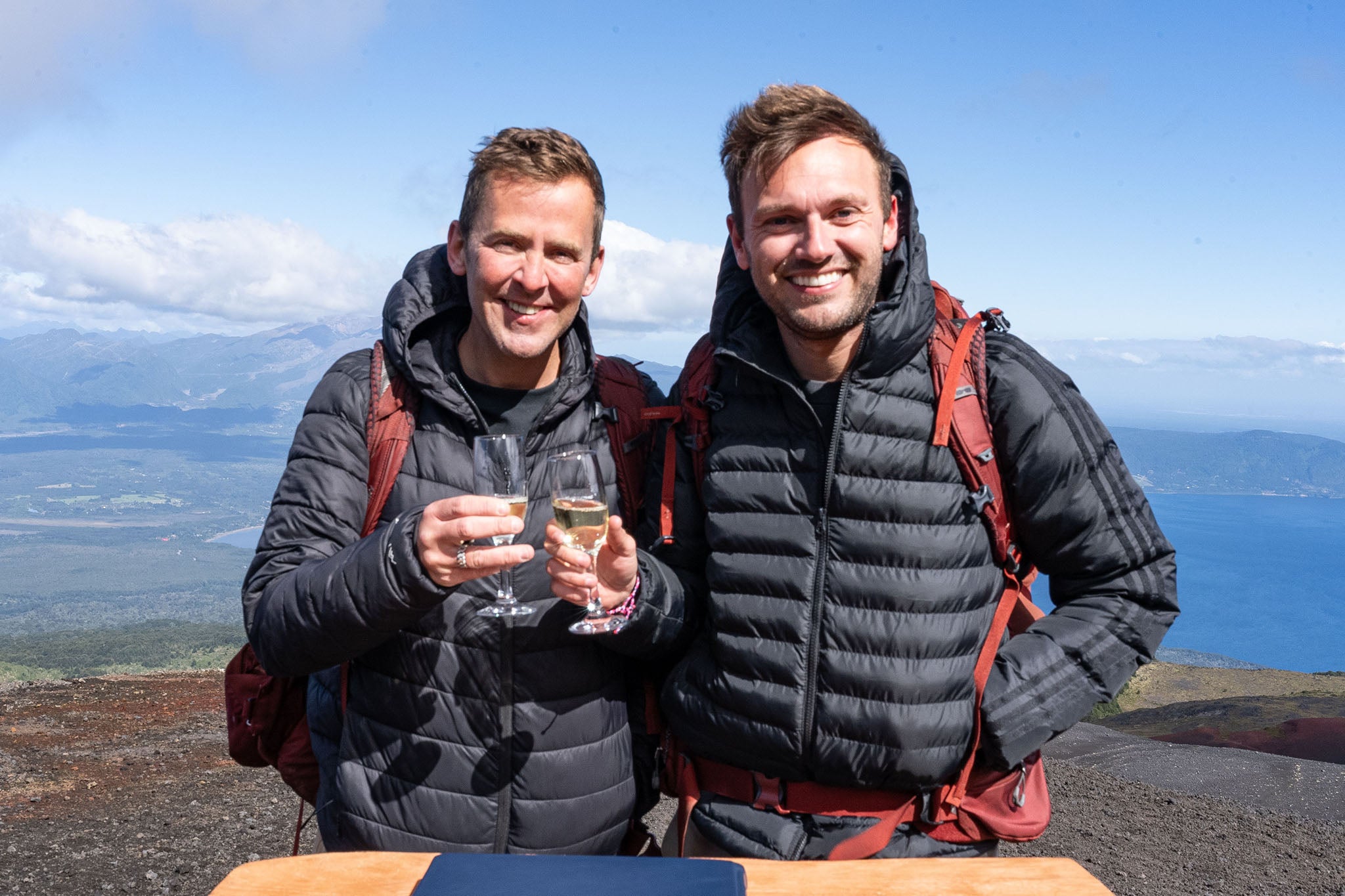
Another constituent of Mills’ success was his willingness to throw himself into any number of different projects. He has been a frequent fixture on the private hosting scene (I remember sitting in the audience when he hosted the British Kebab Awards), as well as participating in regular charity work, including raising over £1m for BBC Children in Need in 2022 during a 24-hour treadmill challenge. As with many BBC lifers, Mills has also frequented the reality TV circuit, appearing in Celebrity Scissorhands (a short-lived hairdressing competition) in 2006 and Strictly Come Dancing in 2014, where he awkwardly sambaed his way to 11th place. But it was perhaps his victory in Celebrity Race Across the World in 2024, appearing alongside his husband Sam, that most endeared Mills to the British public. “Can confirm: it’s the best feeling ever,” he told cameras, wiping away tears as the couple arrived at Volcán Osorno, the finish line.
Last month it was announced that he would host a companion podcast, Race Across the World: The Detour, alongside former winner Alfie Watts. While that project has, presumably, had its visa revoked, it was too late for the BBC to alter its 2026 Red Nose Day sketch The Traitors: The Movie – The Sequel, which aired just over a week ago. “Well, I haven’t got a clue who it could be!” Mills’ character, mutton-chopped gardener James, announced in the pastiche. The cameo will remain as a clunking reminder of how unexpected Mills’s axing was.
“You’re the conductor of the orchestra,” Mills told the audience at a Radiodays event, less than a year ago, reflecting on the role of a host. “But yours isn’t always the most important voice.” And yet the BBC finds itself, once again, facing questions about its workplace culture, its personnel judgment and its due diligence. It is the latest talent-fuelled crisis for the organisation, and one with extremely bad timing: current Director-General, Tim Davie, departs on Thursday, with new DG, Matt Brittin, joining in May. As welcome presents go, this one is deeply unwelcome.
Whether this marks the end of Mills’ career remains to be seen. For more than two decades, Mills has been an unshowy stalwart of British radio, finding a home at Radio 2 that seemed to reciprocate his calm and agreeable tone. His 2012 autobiography was titled Love You Bye, a reference to the catchphrase with which he would sign off calls from listeners. Overnight, he’s lost his career at the BBC, leaving him without the chance to say goodbye, either to colleagues or listeners.