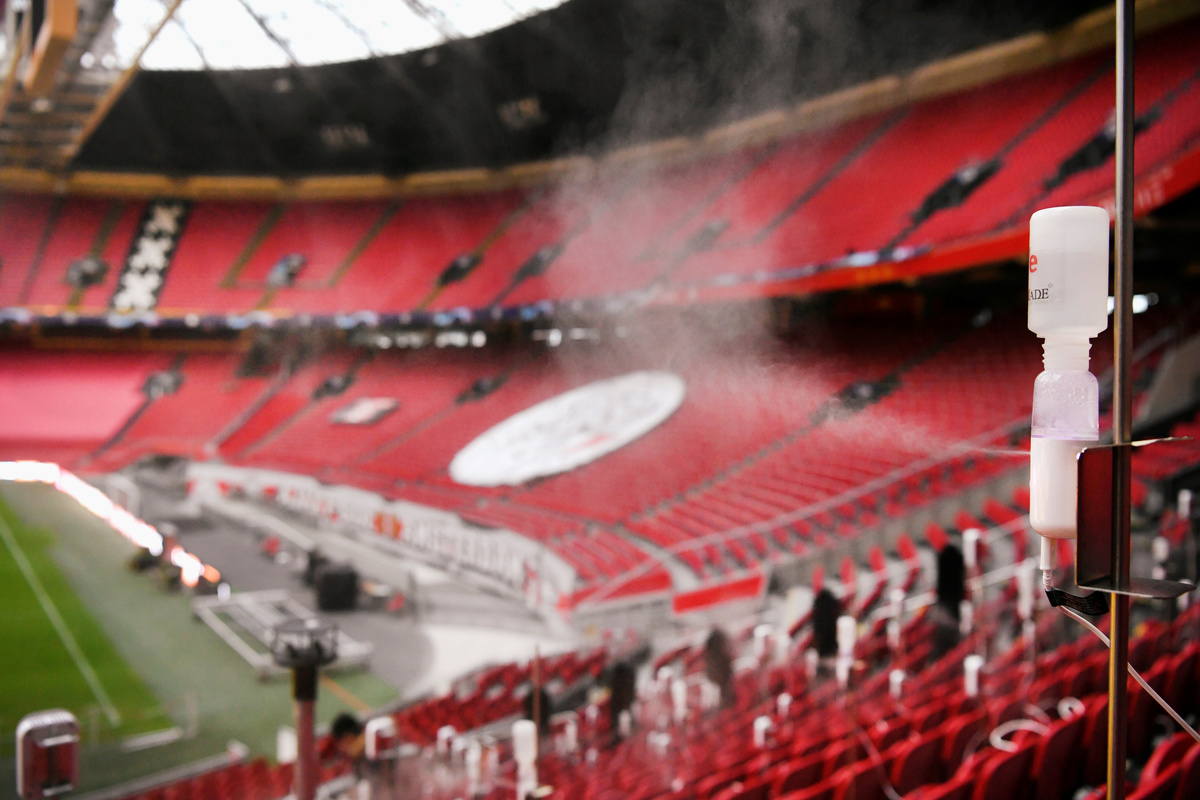
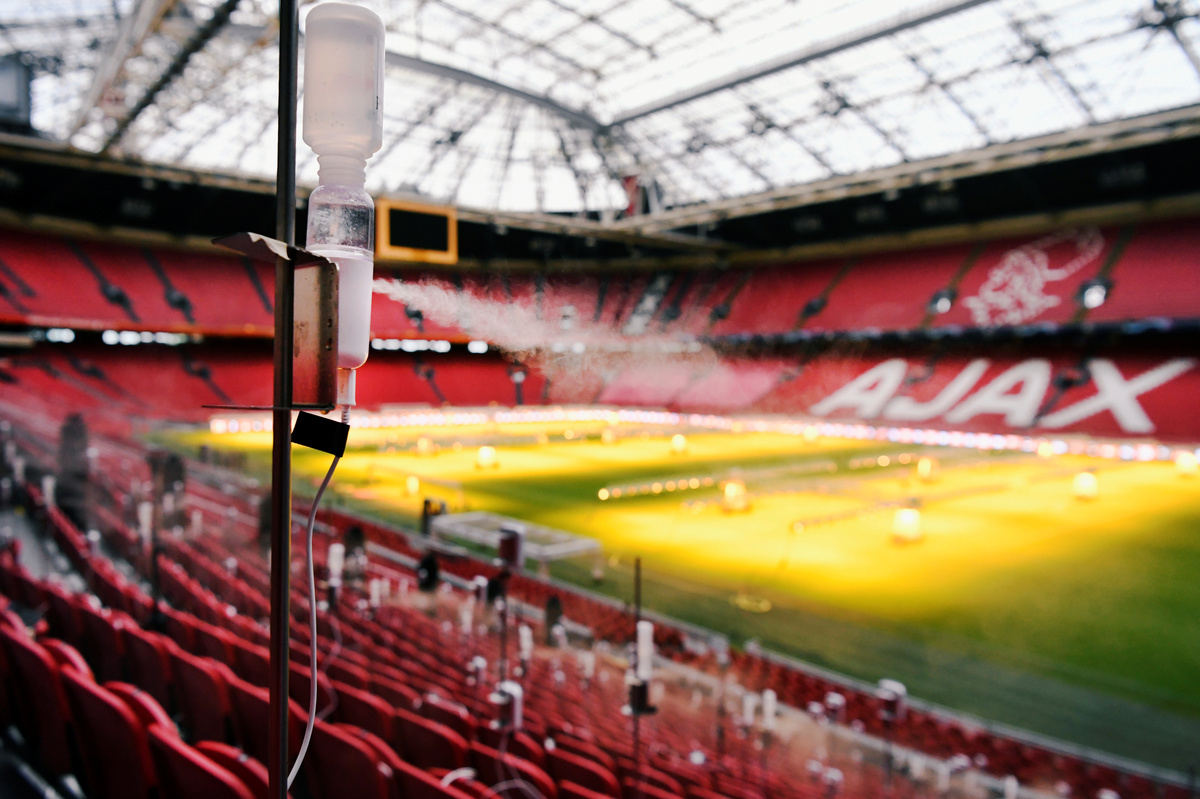
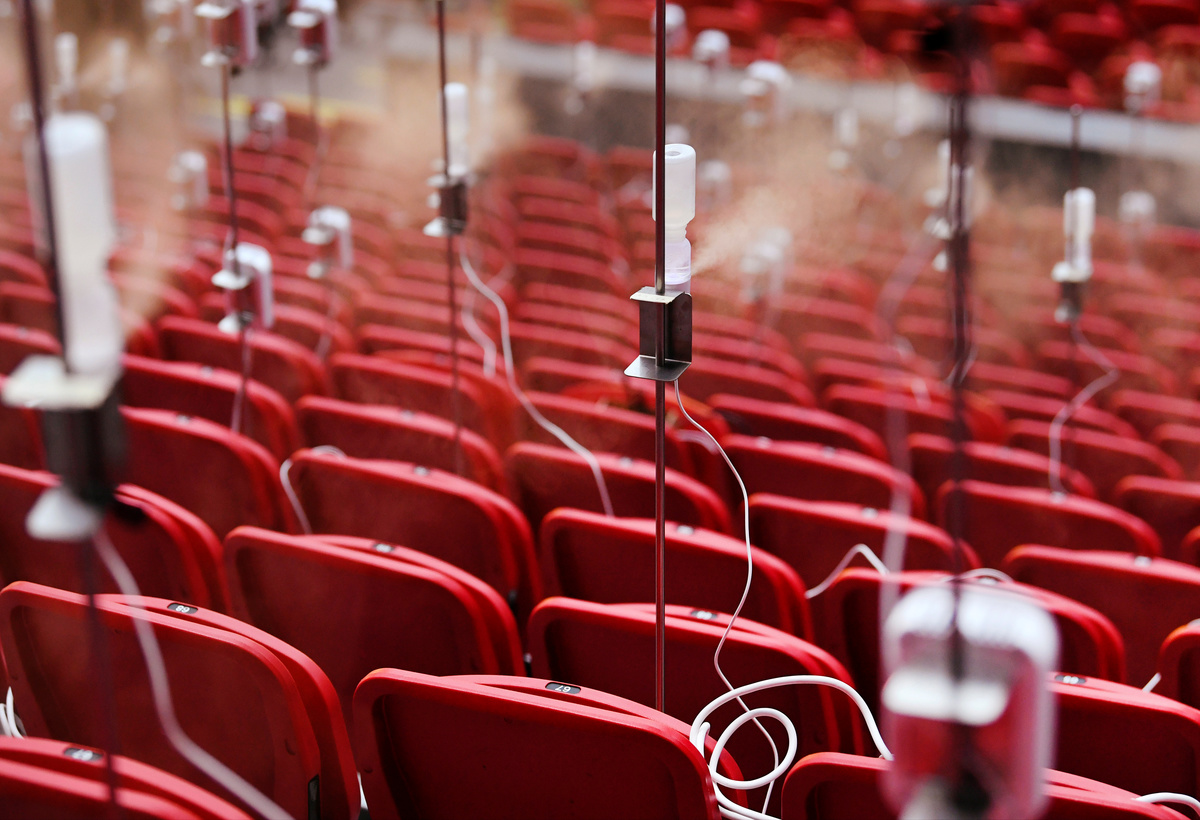
Scientists are using the Netherlands' largest football stadium to model how a cheering football crowd might spread aerosols through the air by spraying fine droplets, made to resemble saliva, over the empty stands.
Their hope is that by finding out more about the behaviour of aerosols or airborne particles, which could spread the coronavirus within a crowd, they will be able to remove them from the air and get fans back into stadiums and concert halls.
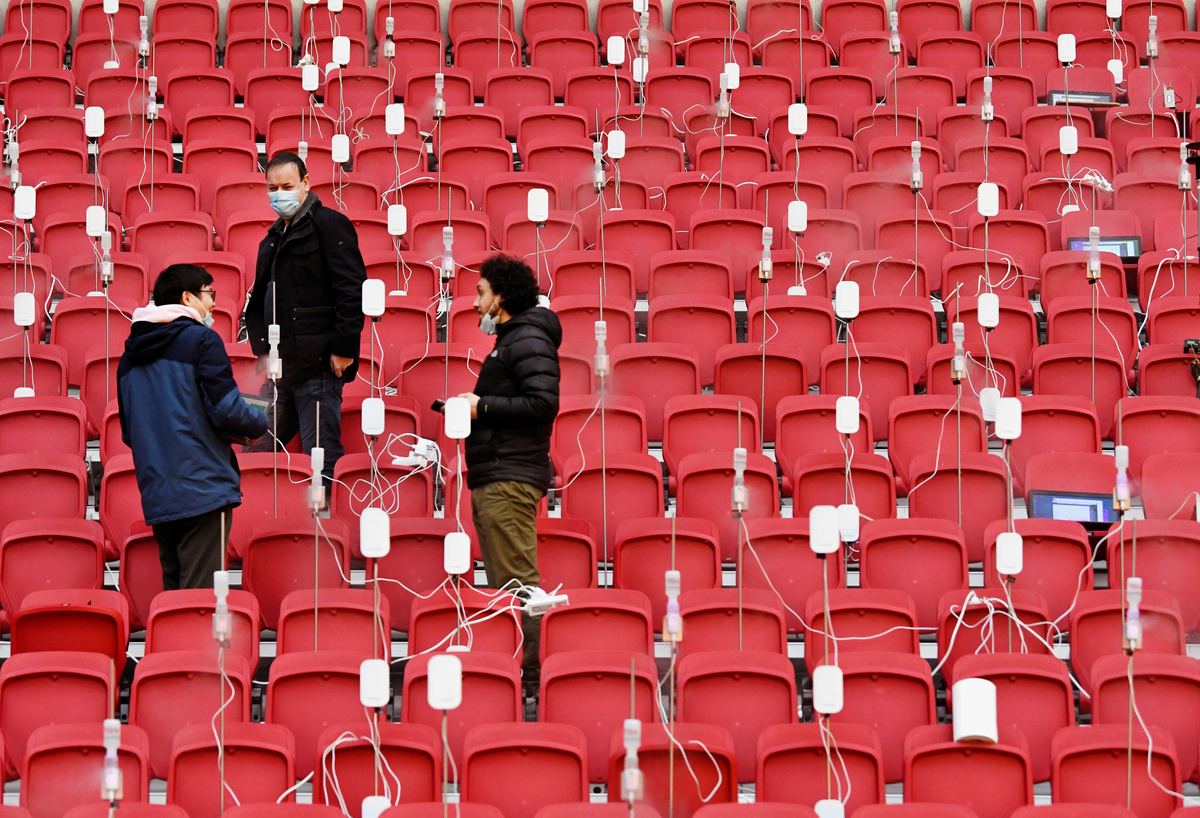
"There is almost no information in scientific literature about the behaviour of aerosols in this kind of environment", lead researcher Bert Blocken told Reuters.
The tests are taking place at the Johan Cruyff Arena in Amsterdam, home of Ajax Amsterdam.
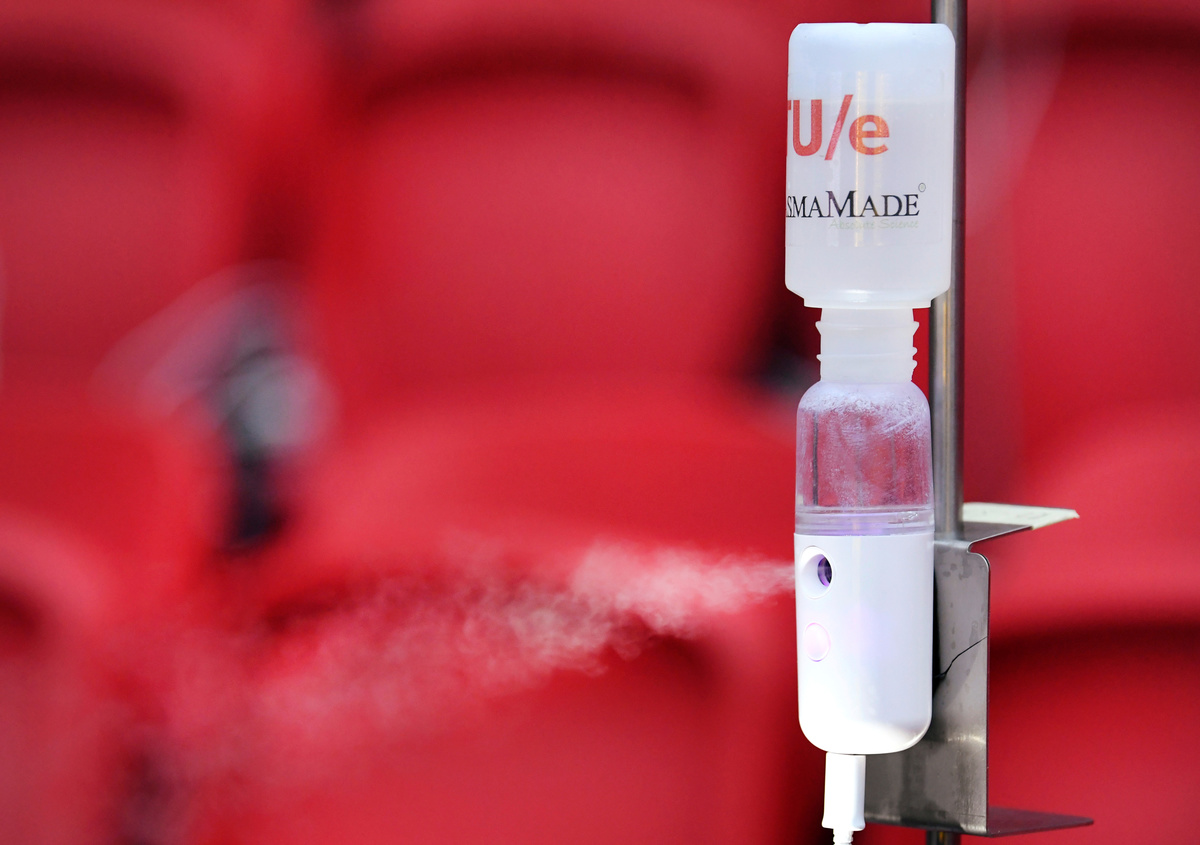
"We want to get a fundamental insight in the behaviour of aerosols in a stadium filled with football supporters. By air cleaning technologies you can drastically reduce concentrations and make stadiums safe in terms of aerosol transmission of the virus," he added.
There is growing consensus among scientists that transmission via aerosols plays a part in the spread of the novel coronavirus, although it is unclear to what extent.
The research could provide insight in how to minimise the concentration of aerosols and limit their epidemic risk, said Blocken, a professor in aerodynamics at the Technical University of Eindhoven.
A computer model will extrapolate the data gathered during weeks of testing to show the effects for a full capacity crowd of around 55,000.
Researchers also hope to get permission soon to experiment with a real crowd of 730 football fans, seated close together.
The final goal is to get capacity crowds back into stadiums, Blocken said, possibly through the use of large scale COVID-19 testing, face masks and ventilation.
That would be exactly what the Johan Cruyff Arena needs to survive, its director told Reuters.
"This is a very costly building, and the income is less than half of what is normal, so we are making a loss every month", said Henk Markerink.
"We try to keep the ship afloat, but this shouldn't take too long because in the end this cannot be financed."