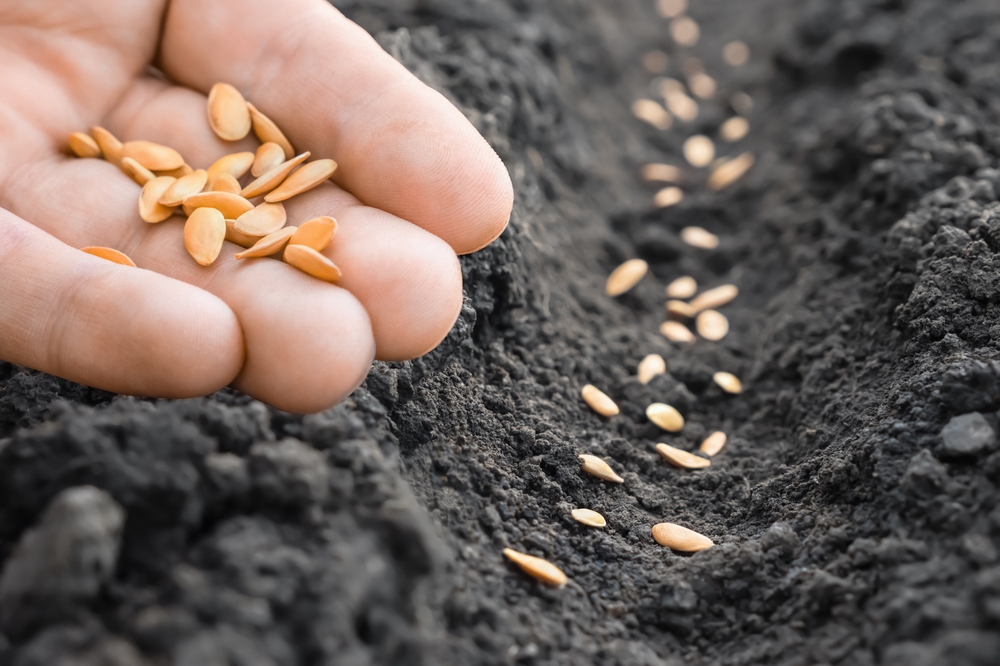
Saving seeds from favorite heirloom plants stretches a gardening budget while preserving varieties that earned a permanent place in the garden. A handful of carefully collected seeds can grow into baskets of tomatoes, colorful flowers, or crisp beans next season without another trip to the garden center. Better yet, seed saving turns the end of the growing season into one last satisfying harvest instead of a simple cleanup.
With a little patience and the right techniques, those tiny packages of potential stay healthy and ready for planting when spring finally rolls around.
Pick the Right Plants for the Best Seeds
Heirloom varieties make the best candidates for seed saving because they grow true to type when they receive pollen from the same variety. Healthy plants deserve top priority because strong parents usually produce stronger offspring, while weak or diseased plants often pass along unwanted problems. Instead of grabbing seeds from the first ripe fruit, mark standout plants during the growing season with colorful ribbon or garden twine so the very best performers earn a place in next year’s garden. That little habit pays off season after season because each generation comes from reliable, productive plants. Gardens slowly develop a personality of their own when favorite heirlooms return year after year.
Cross-pollination deserves a little attention before seeds head into storage. Tomatoes, peas, beans, and lettuce usually stay true with little effort because they often pollinate themselves before flowers even open. Squash, pumpkins, cucumbers, melons, and corn tell a different story because insects or wind carry pollen from nearby varieties with surprising enthusiasm. A saved zucchini seed might produce a perfectly edible but very unexpected squash next season if another variety grew nearby. Garden surprises can be fun, but predictable harvests usually start with carefully selected seed parents.
Harvest Seeds at the Right Moment
Timing makes all the difference because immature seeds rarely store well or germinate successfully. Beans, peas, lettuce, and many flowers should stay on the plant until pods or seed heads dry naturally and become crisp. Tomatoes, peppers, cucumbers, and squash need full maturity, often beyond the stage when anyone would want to eat them, because seeds continue developing long after vegetables reach the dinner table. A tomato saved for seed often looks soft and slightly overripe, but the seeds inside have reached their peak.
Dry weather creates ideal harvesting conditions because moisture encourages mold and spoilage. A sunny afternoon works far better than a damp morning covered in dew. Paper bags, envelopes, or shallow baskets keep collected seeds well ventilated during harvest, while plastic bags trap humidity that quickly causes trouble. The final harvest of the season suddenly feels much more rewarding when every pod and fruit promises another garden in the future.
Dry Seeds Like a Patient Gardener
Freshly harvested seeds almost always need extra drying before long-term storage. Spread cleaned seeds in a single layer on paper plates, coffee filters, or fine screens, then place them in a warm room with good air circulation away from direct sunlight. Daily stirring prevents clumps and exposes every surface to moving air. Rushing this step often leads to mold, and mold can ruin months of gardening effort in just a few days.
Tomatoes deserve one extra step because their seeds sit inside a protective gel that slows germination. Place the seeds and pulp into a small jar with a little water and let the mixture ferment for two or three days until a light layer of mold forms on top. Rinse the clean seeds thoroughly, then spread them out to dry completely before storage. The process may look unusual, but gardeners have relied on this simple technique for generations because it removes the gel and helps produce cleaner, healthier seed.
Store Tiny Treasures for Next Spring
Completely dry seeds reward careful storage with years of reliable germination. Paper envelopes labeled with the variety name and harvest year work beautifully because they allow tiny amounts of leftover moisture to escape. Place those envelopes inside an airtight glass jar or sealed container with a small packet of silica gel or a little dry rice wrapped in tissue to reduce humidity. Cool, dark, and dry conditions protect seed quality far better than warm garages or sunny windowsills.
Clear labels save plenty of future confusion because tiny brown seeds often look remarkably alike after a few months. Nothing creates more mystery than opening an unlabeled envelope in February and wondering whether it holds marigolds or peppers. Most properly stored vegetable seeds remain usable for several years, although germination slowly declines over time. Testing older seeds on a damp paper towel before planting gives gardeners a quick preview of what to expect without wasting precious garden space.
A Small Habit That Keeps Giving
Seed saving offers something surprisingly satisfying beyond the obvious savings at checkout. Every carefully labeled envelope carries memories of the sweetest tomato, the tallest sunflower, or the bean plant that refused to quit during a difficult summer. Those seeds become part of the garden’s story instead of just another purchase on a spring shopping list. The tradition also encourages closer observation because gardeners notice which plants really deserve another season in the spotlight.
Which heirloom plant earned a permanent spot in the garden, and will its seeds make the journey into next year’s planting plans?
You May Also Like…
Gardeners Are Switching to Heirloom Seeds to Save Money
7 Quick-Germinating Seeds That Deliver Fast Results
Buying “Last Year’s” Seeds: Does It Actually Matter for Your Harvest?
Why Smart Gardeners Buy Seeds in Bulk (And How to Store Them for Decades)
How to Start Seeds Indoors on a Tight Budget Without Wasting Money
The post Save Seeds, Save Money: Harvest, Dry and Store Seeds from This Year’s Favorite Heirloom Plants appeared first on Frugal Gardening.