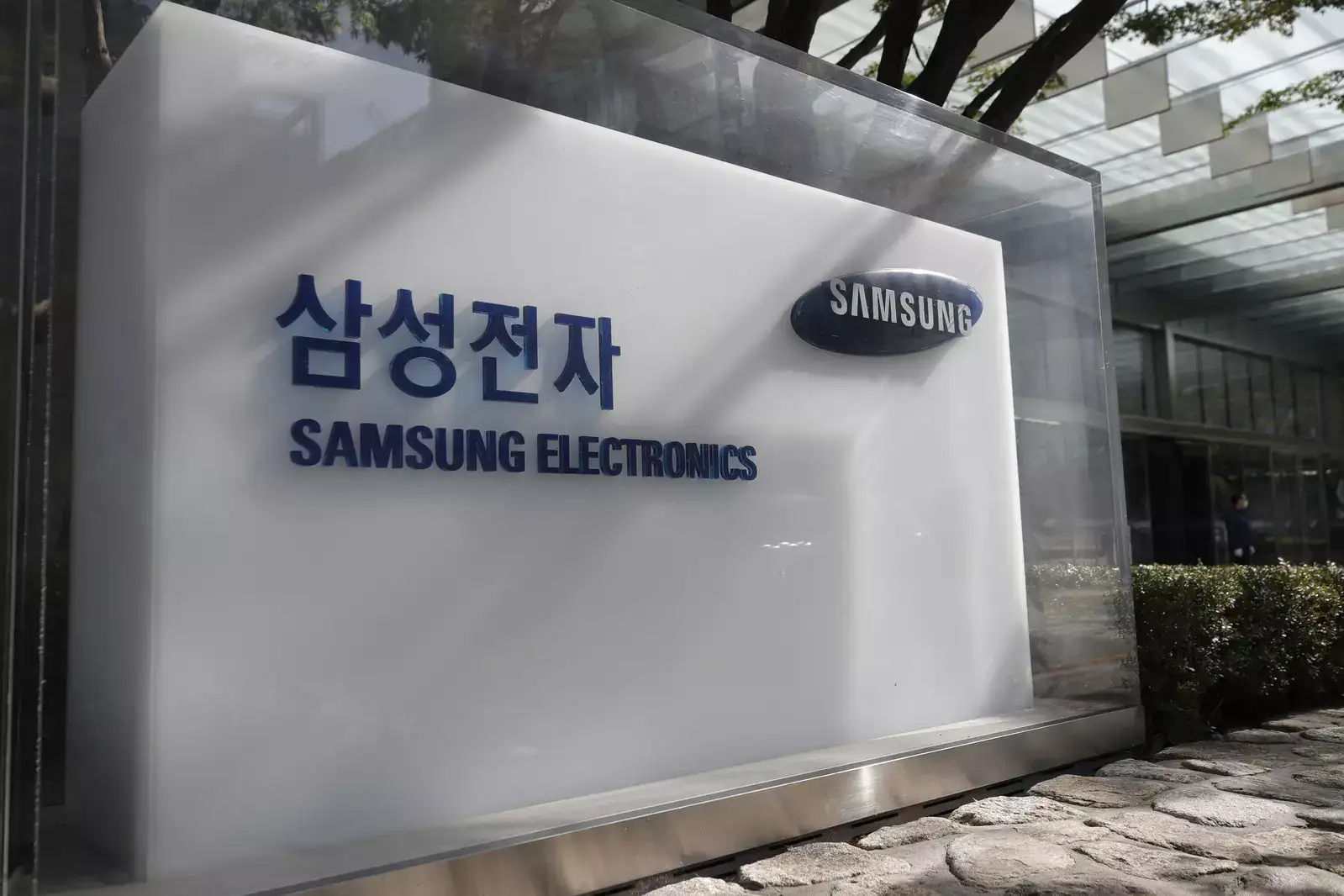
Shares of Samsung Electronics plunged more than 9% on Friday after labour tensions escalated at the world's largest memory chipmaker, raising concerns over potential disruptions to semiconductor production and customer deliveries.
The stock fell as much as 9.3% during trading, sharply underperforming the broader South Korean market, after the company’s labour union reaffirmed plans for a strike beginning next week despite Samsung proposing unconditional talks to restart negotiations.
The labour dispute intensified after government-mediated negotiations between Samsung and its union over wages and bonus structures collapsed earlier this week. According to Reuters, the union said it remains committed to an 18-day strike starting May 21 while remaining open to fresh talks after June 7.
The strike threat has triggered growing investor anxiety around production continuity at a time when the global semiconductor industry remains highly sensitive to supply disruptions.
According to Reuters, Samsung executives apologised to the public and the government for the labour dispute and urged the union to resume negotiations. The company also said senior executives were heading to its Pyeongtaek semiconductor campus to meet union leadership directly.
Samsung said in a statement that while the formal government-mediated process had ended, it would "continue engaging in dialogue" to resolve the 2026 wage negotiations smoothly.
The dispute has emerged partly due to worker dissatisfaction over what the union described as a large gap in bonus payouts compared with rival chipmaker SK Hynix. Reuters reported that the union warned more than 50,000 workers could participate in the strike if demands are not addressed.
The potential economic impact has also become a major concern for South Korean authorities.
Finance Minister Koo Yun-cheol warned that a strike at Samsung could pose serious risks to South Korea’s economic growth, exports and financial markets. The country has become increasingly dependent on semiconductor exports, with chips accounting for 37% of total exports in April compared with 20% a year earlier.
Market concerns deepened further after JPMorgan estimated that the production impact of a strike could be larger than previously anticipated because of expectations of broader worker participation.
JPMorgan estimated that the impact on Samsung's operating profit could range between 21 trillion won and 31 trillion won, equivalent to roughly $14 billion-$21 billion. Potential sales losses were estimated at around 4.5 trillion won.
Also read: Why investors are dumping oil stocks after long-awaited petrol, diesel price hike
Samsung had already started reducing chip production ahead of the possible strike, citing a report by local newspaper MoneyToday.
The labour dispute comes at a sensitive time for Samsung as the company battles intense competition in advanced AI memory chips while attempting to regain market leadership against rivals, including SK Hynix and Micron Technology.
(Disclaimer: Recommendations, suggestions, views and opinions given by the experts are their own. These do not represent the views of The Economic Times)