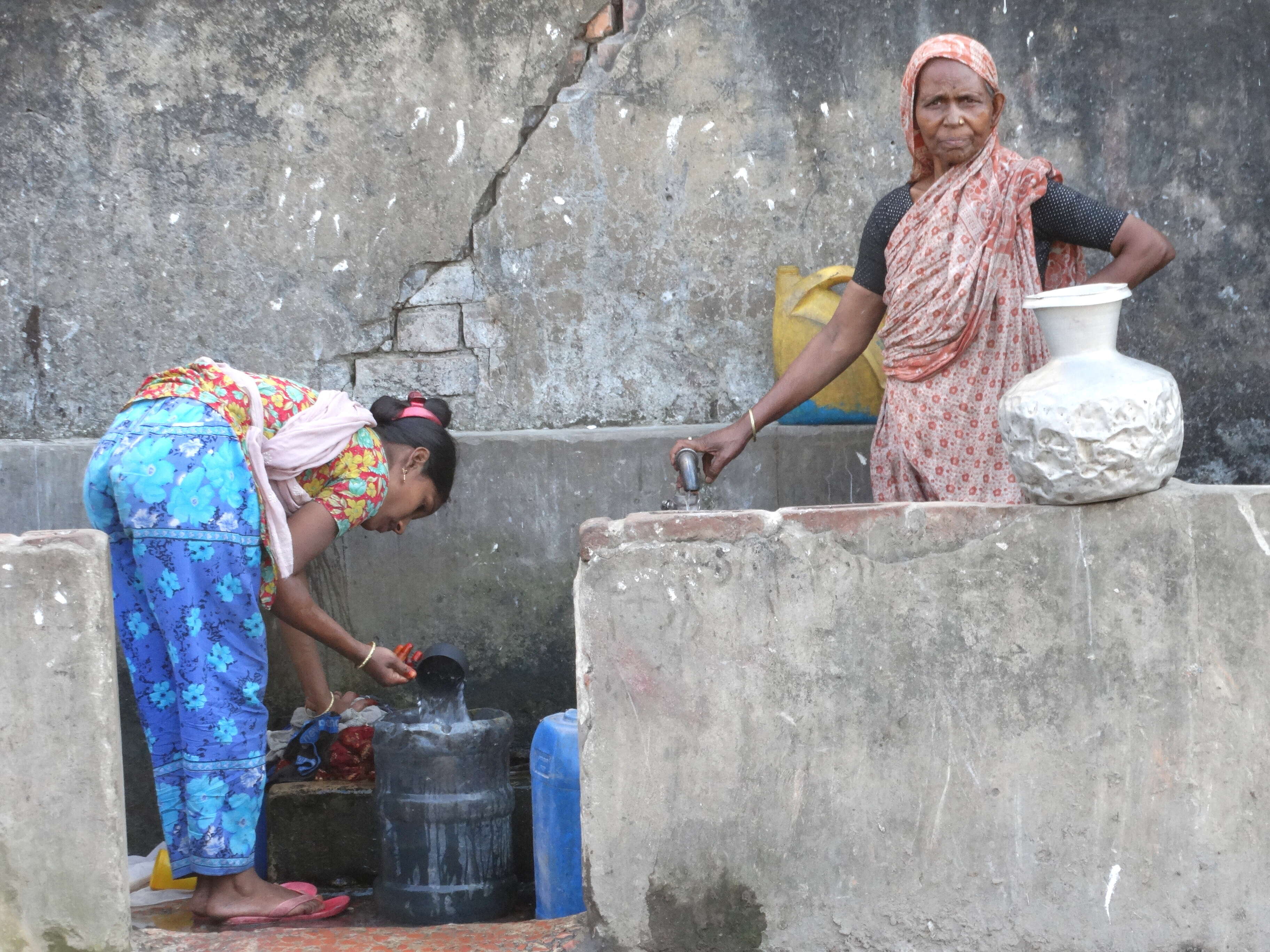
When we turn on the kitchen tap for a glass of water or a morning cup of tea, we usually picture something simple and safe. For decades, environmental stories have often portrayed rural water projects as standard health victories that protect families from waterborne illnesses. A common belief is that building deep tube wells and local water pumps solves rural hydration needs, driving water scarcity away and leaving a safe landscape for local communities.
Get breaking news anytime, anywhere. Download the TOI app now!
But a closer look at drinking water sources in climate-vulnerable coastal regions tells a different story of hidden environmental shifts and rising physical strain. Rather than a simple story of clean water access, the daily water supplies available to communities on the edges of changing coastlines are undergoing a fast-moving change in their invisible mineral makeup. Instead of providing pure hydration, these local water sources are carrying a heavy load of dissolved sodium pushed inland by rising sea levels and intense seasonal storms. An ordinary glass of clear water may reflect a broader ecological shift that is changing how researchers think about heart health and climate vulnerability.
This striking environmental health discovery was detailed in a study published in the BMJ Open . The researchers followed a group of 701 non-hypertensive pregnant women across a cross-sectional analysis in Dacope to track the long-term biological consequences of drinking saline groundwater. By analysing the identity and distribution of sodium levels in household water supplies over nearly a decade, the authors presented evidence that regional temperatures and climate pressures exert a strong influence on local health. Their analysis found that salt levels in local water sources rose significantly over time, while women exposed to high sodium levels faced a much greater risk of experiencing a quiet, hidden surge in their cardiovascular baselines.
The hidden risk in drinking water
To fully understand why this rapid transition has reshaped our understanding of environmental health, it helps to look at how different water sources respond to a changing climate. Traditionally, rural communities relied on shallow ponds and rainwater, but the steady transition to groundwater wells was meant to secure a more reliable year-round supply. The data in the study reveal that groundwater from deep tube wells contained the highest salt content, with a median concentration of 740 milligrams of sodium per litre of water.
This shifting baseline means that everyday hydration is turning into an unintentional source of high dietary salt intake for families living in vulnerable coastal zones. The study reports that women using these salty water sources were consuming up to ninety-four per cent of their maximum daily recommended sodium limit just from their drinking water alone, assuming a standard intake of two litres per day. Because this mineral build-up is invisible and often difficult to taste, residents continue to use the wells daily, completely unaware that their primary water source is steadily placing their cardiovascular systems under continuous physical stress.
The research team found that saline water exposure was associated with a pattern affecting diastolic blood pressure. When comparing the data over the tracking window, the authors noted that women consistently using these groundwater supplies experienced a significant long-term increase in their diastolic blood pressure, averaging an additional 2.30 mmHg compared to those relying on fresh rainwater. Interestingly, the model suggested a non-linear association, with risk appearing to rise more sharply around one thousand milligrams per litre.
Balancing local water safety with global climate realities
The practical insights gained from this nine-year study highlight a useful lesson for conservation and urban planning. By suggesting that regional climate factors may influence blood pressure trends, the research indicates that standard medical advice alone may not be enough. Protecting vulnerable communities requires moving past simple medical check-ups toward a broader framework that acknowledges how global environmental trends reshape local water tables.
According to the study, recognising the dominant role of climate means that local water infrastructure programmes must become far more intentional. The data showed that sodium concentrations increased in seven out of nine local administrative districts over the tracking period, suggesting that freshwater resources are shrinking rapidly. To support these changing populations, local planning should focus on building resilient public water systems, such as advanced rainwater harvesting networks and community-scale desalination plants that provide a steady freshwater supply throughout both dry and wet seasons.
By showing an association between groundwater chemistry and blood pressure, the study offers a data-driven look at ecological change. Recognising that climate change may be reshaping drinking water quality encourages a more integrated approach to environmental management.