Russian village's last teacher stays on for her one remaining pupil
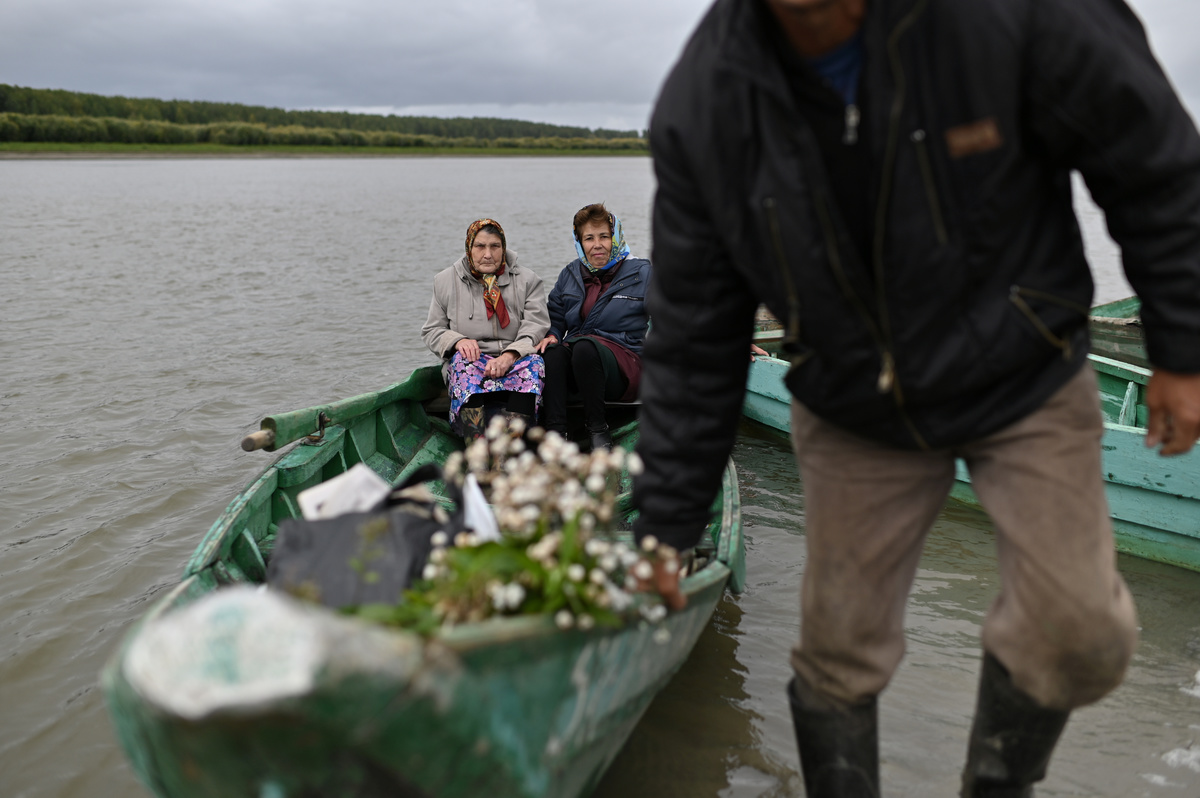
Local residents travel across Irtysh River outside the village of Sibilyakovo, Omsk region, Russia, September 1, 2019. REUTERS/Alexey Malgavko
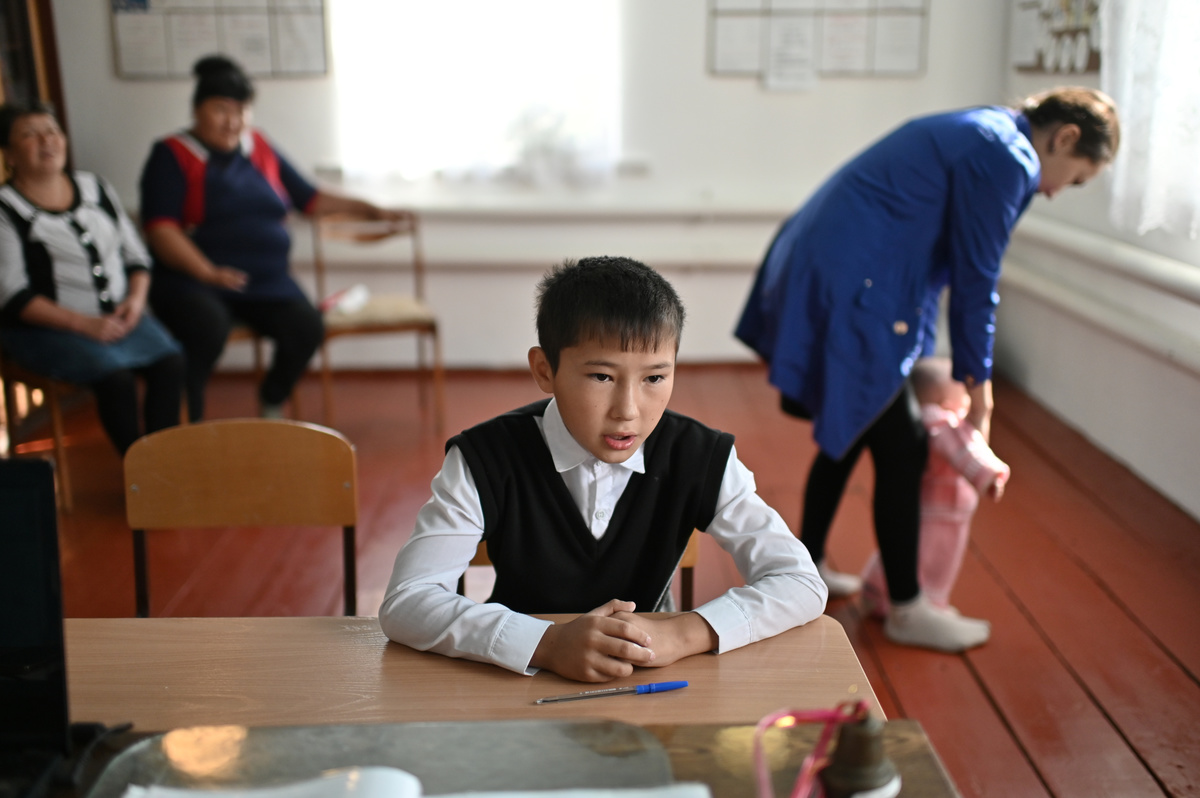
SIBILYAKOVO, Russia (Reuters) - Uminur Kuchukova, 61, could have retired years ago, but she continues to teach at this dying Russian village's once bustling school for the sake of its last pupil, a 9-year-old boy. When she leaves next year, the school will close.
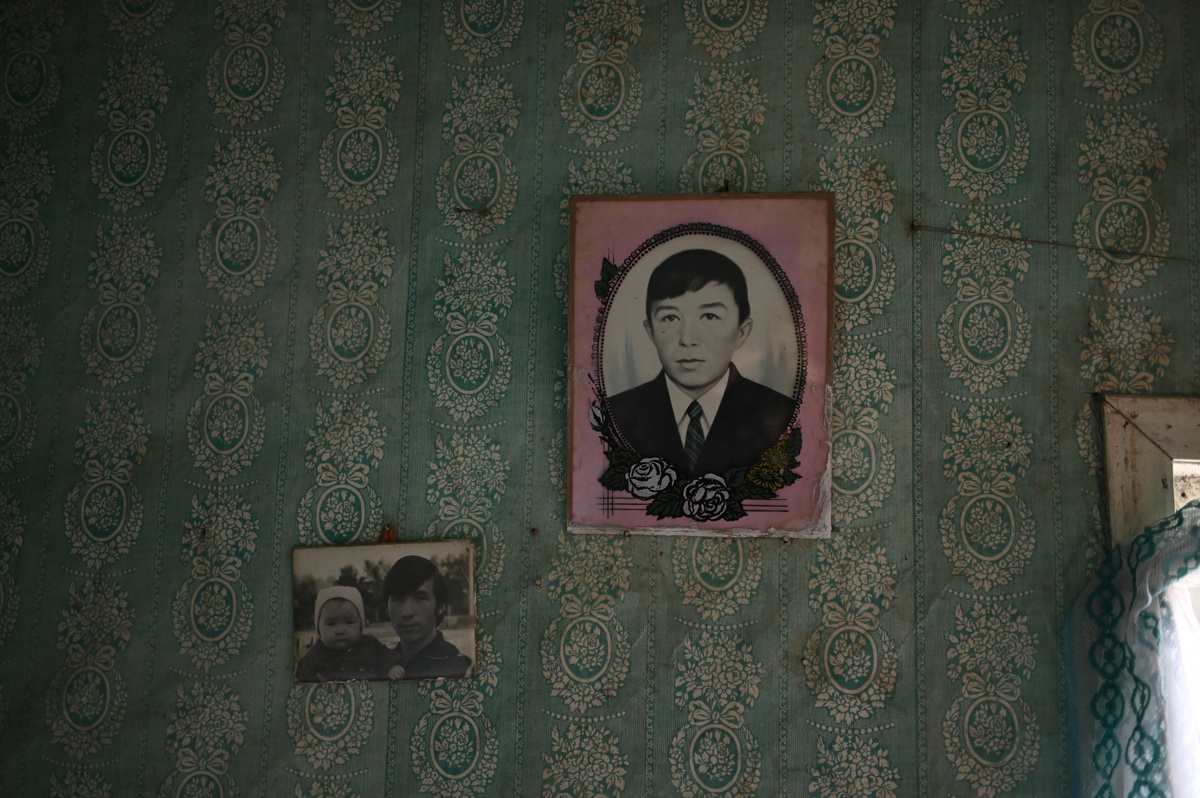
Like thousands of villages dotted across Russia, the remote Siberian village of Sibilyakovo emptied after the closure of its state-run collective farm following the 1991 collapse of the Soviet planned economy. Jobs dried up and people left in droves.
In its heyday in the 1970s, Sibilyakovo's primary school had four classes, each of around 18 children, and a population of 550. Kuchukova has taught at the school for 42 years.
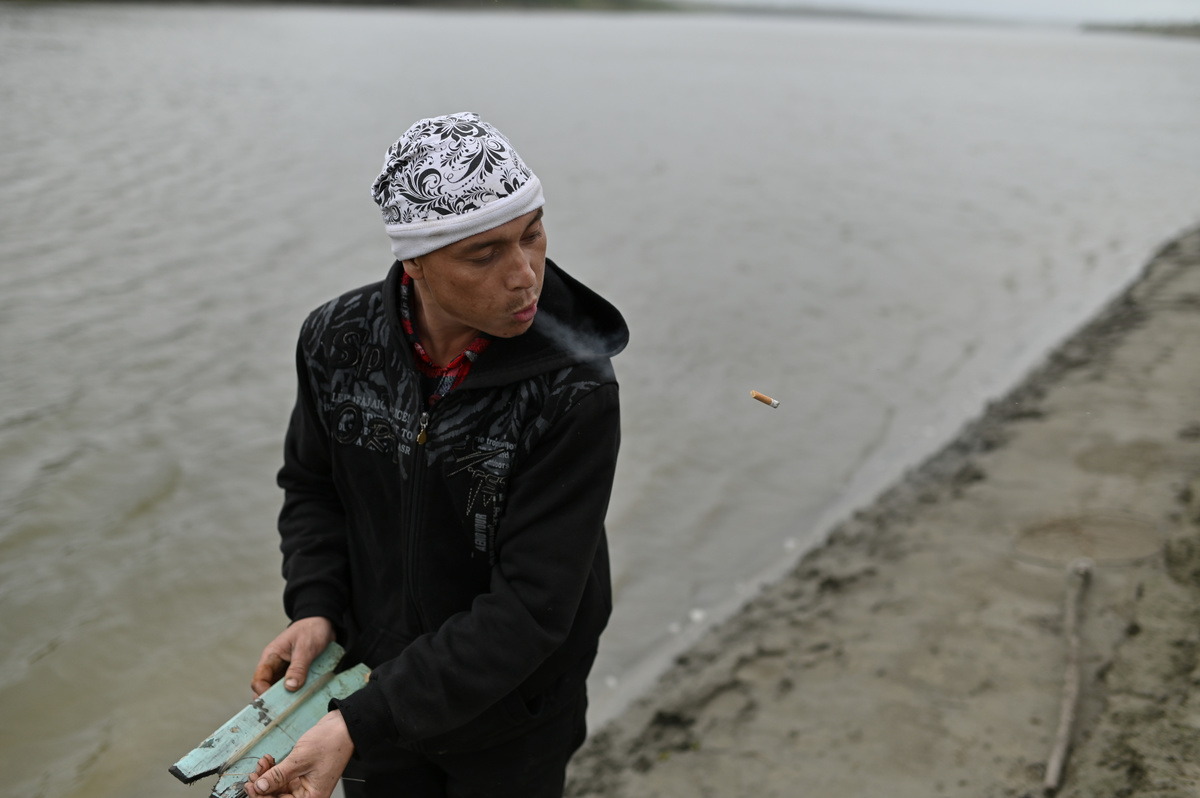
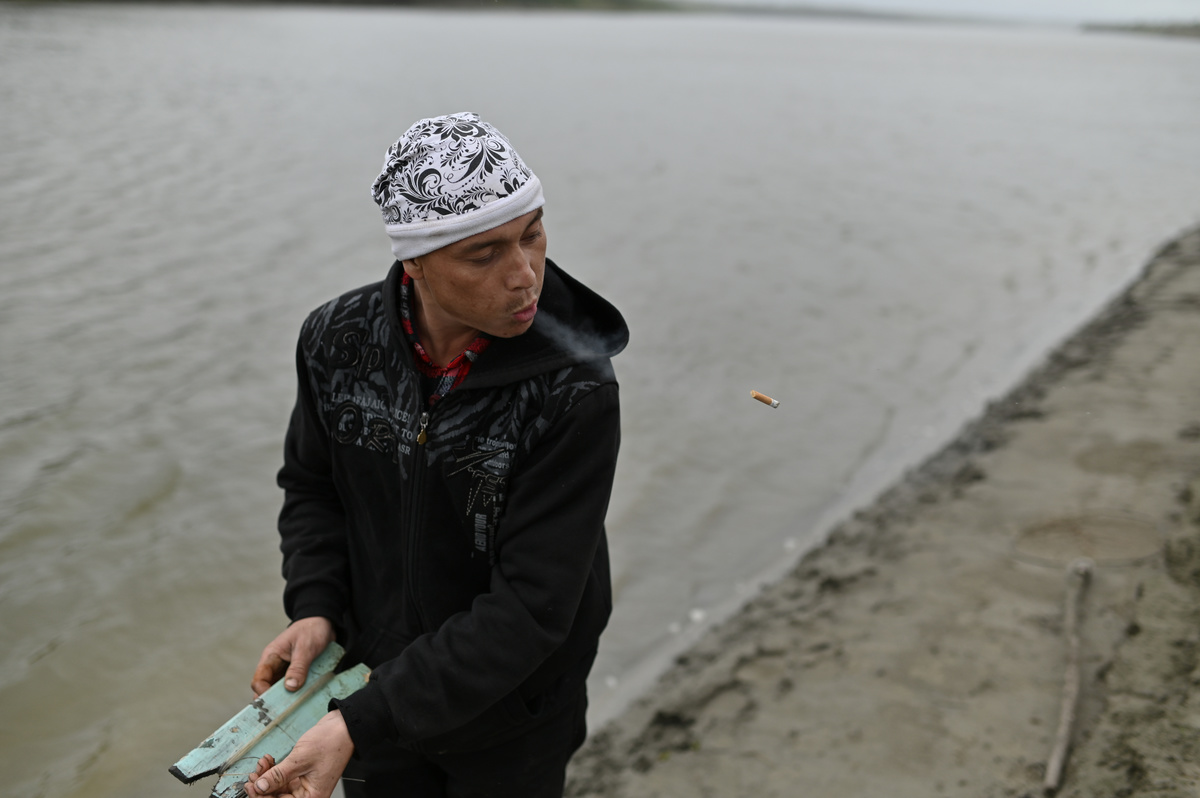
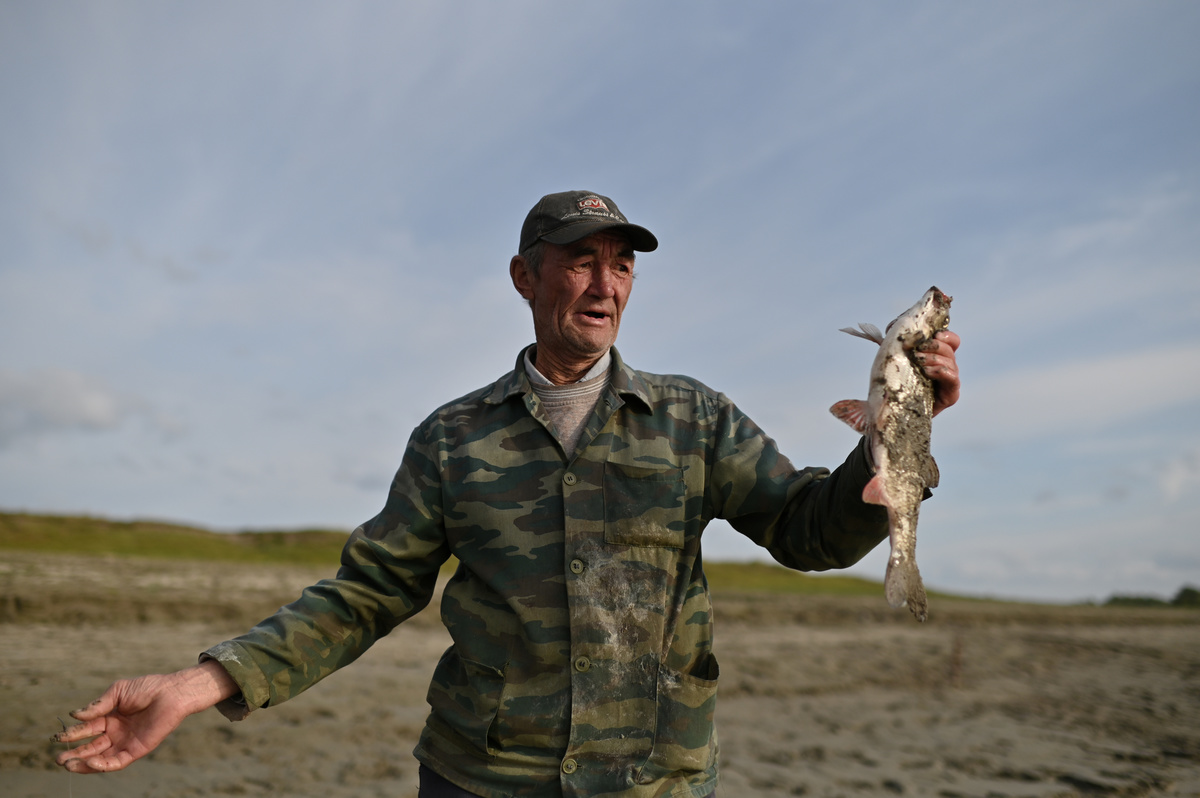
A local resident fishes on Irtysh River outside the village of Sibilyakovo, Omsk region, Russia, September 1, 2019. REUTERS/Alexey Malgavko
Nowadays her house looks out onto abandoned homes on all sides. The village's population has shrunk to 39 and Ravil Izhmukhametov is the school's only pupil.
Kuchukova has bought a home in the town of Tara about 50 km (30 miles) away. She plans to retire there with her husband at the end of the school year when she thinks Izhmukhametov will be old enough to travel to the neighboring village for lessons.
The nearest school then will be a 30-minute boat journey across the choppy Irtysh river followed by a 20-minute ride on the school bus.
A local resident fishes on Irtysh River outside the village of Sibilyakovo, Omsk region, Russia, September 1, 2019. REUTERS/Alexey Malgavko
"I feel sorry for him. His parents don't want to leave (Sibilyakovo) yet and it's scary to send a little boy like him over the Irtysh, there are such big waves," she said.
The village is mainly inhabited by Tatars, a Turkiс group that is one of scores of ethnic minorities in Russia.
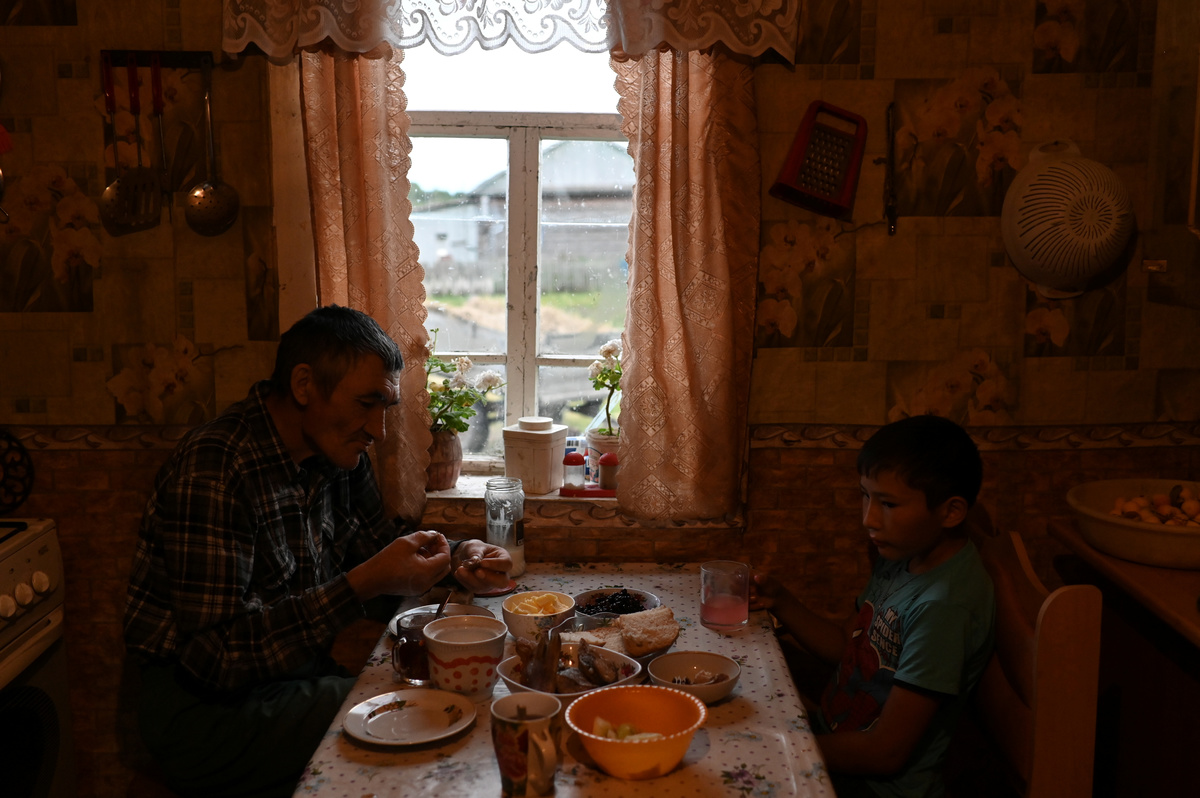
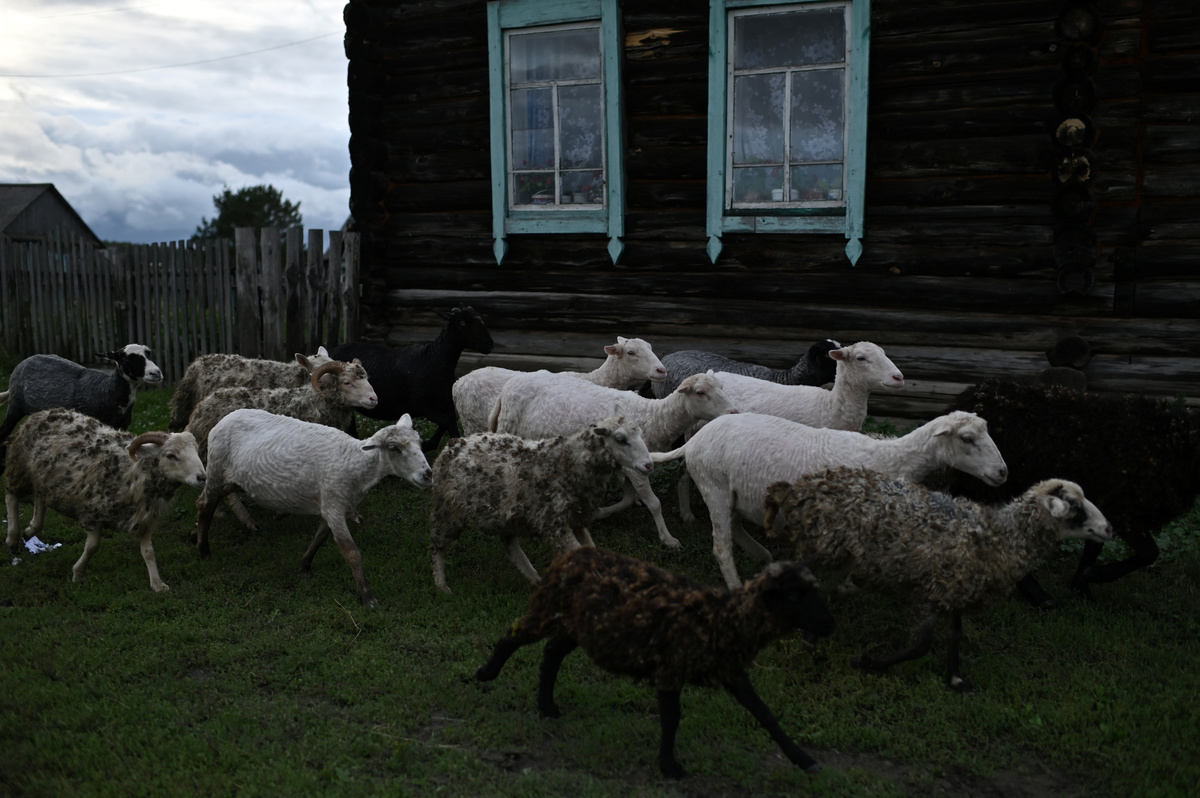
Izhmukhametov's parents are farmers and have livestock but they don't want their son to stay in the village when he grows up. "Our eldest children live in the city and we're happy about that," said Dinar Izhmukhametov, 48.
A local resident fishes on Irtysh River outside the village of Sibilyakovo, Omsk region, Russia, September 7, 2019. REUTERS/Alexey Malgavko
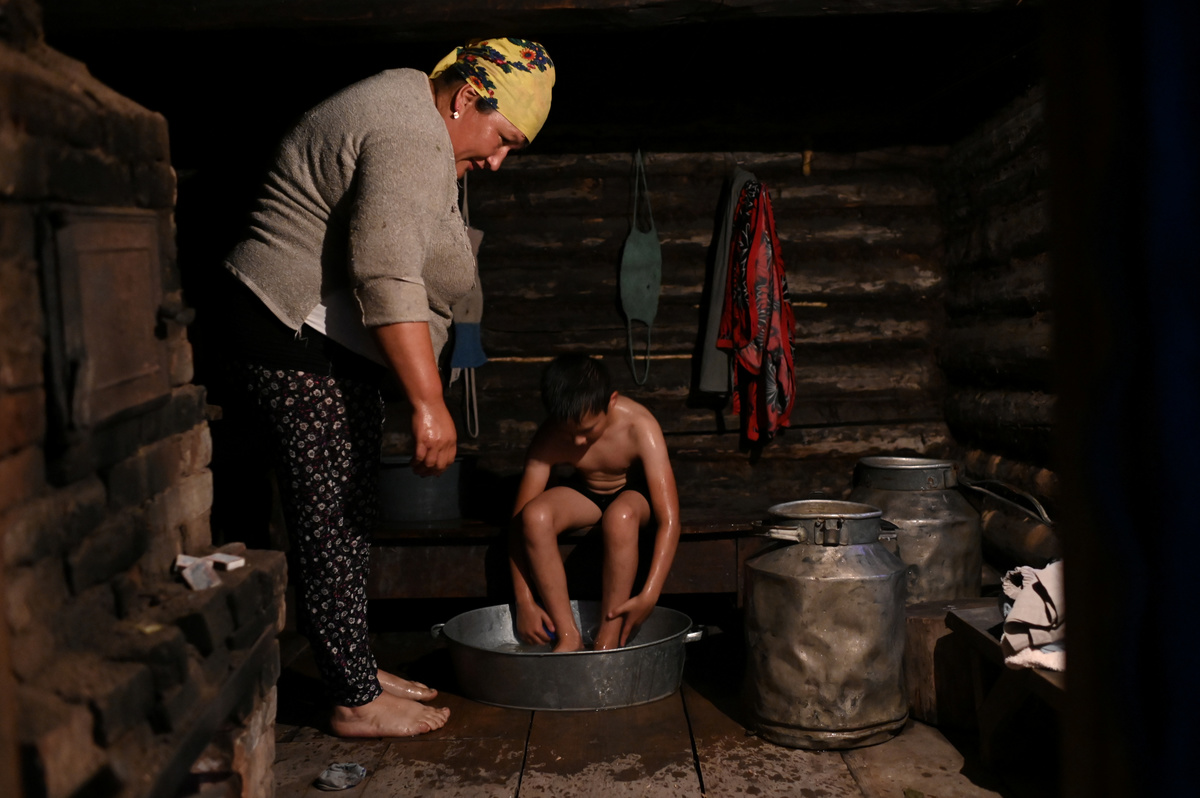
The son, Ravil, says he has no interest in moving to the city, but that he realizes he will have no choice one day.
He was nonplussed when asked what it was like to go to school without any classmates. "I've got nothing to compare it to, but of course I'd like to have friends so I'm looking forward to going to the main school."
Looking back on her decades-long career, Kuchukova is sad that the school where she worked for more than four decades will soon close its doors for good.
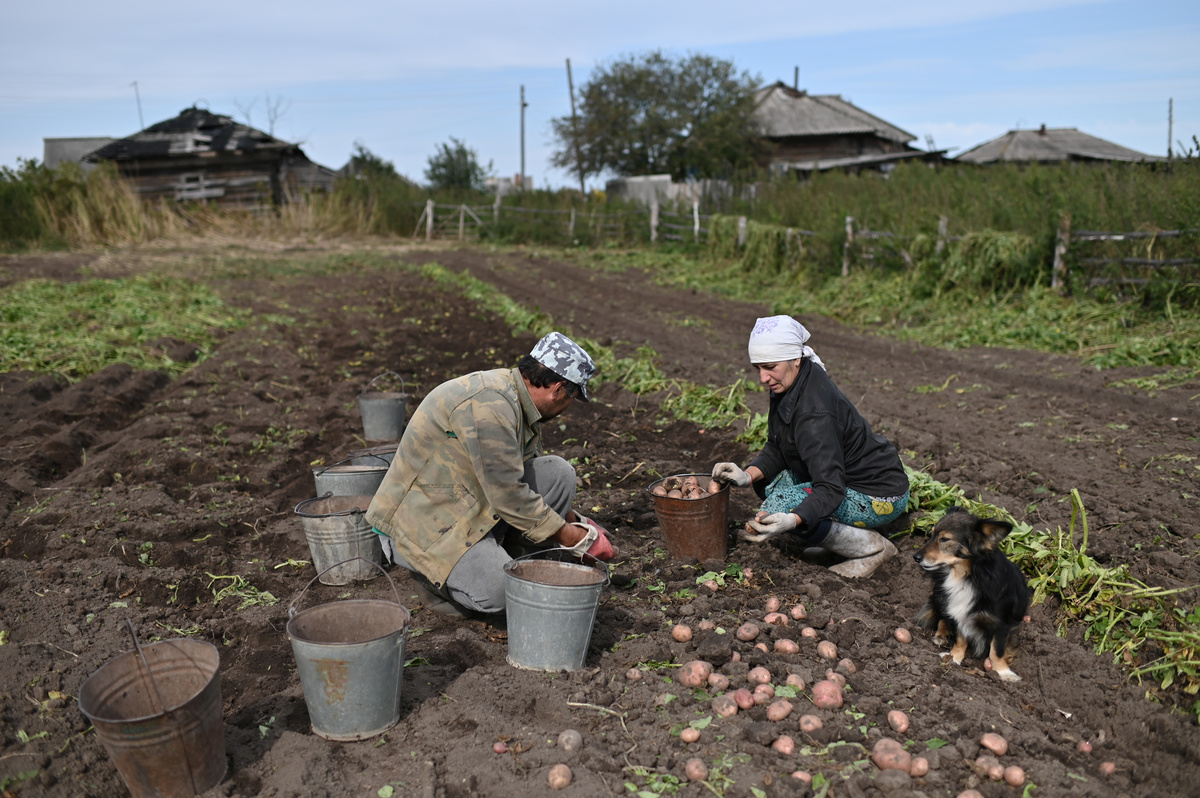
Spouses Rafik and Gulfira Koldasheva harvest potatoes in the village of Sibilyakovo, Omsk region, Russia, September 7, 2019. Like thousands of villages dotted across Russia, the remote Siberian village of Sibilyakovo emptied after the closure of its state-run collective farm following the 1991 collapse of the Soviet planned economy. Jobs dried up and people left in droves. The village is mainly inhabited by Tatars, a Turkiс group that is one of scores of ethnic minorities in Russia. REUTERS/Alexey Malgavko
"Now it'll stand there just like in the neighboring villages, not needed by anyone, while people in the city can't find places for their children at kindergarten and are queuing up from the moment they're born," she says.
And even when she herself finally goes to live in Tara, she won't leave her past behind.
"My parents are buried here, a part of me is here. We'll spend every remembrance day here when people come to remember those who have passed away... We'll come to look after the graves."
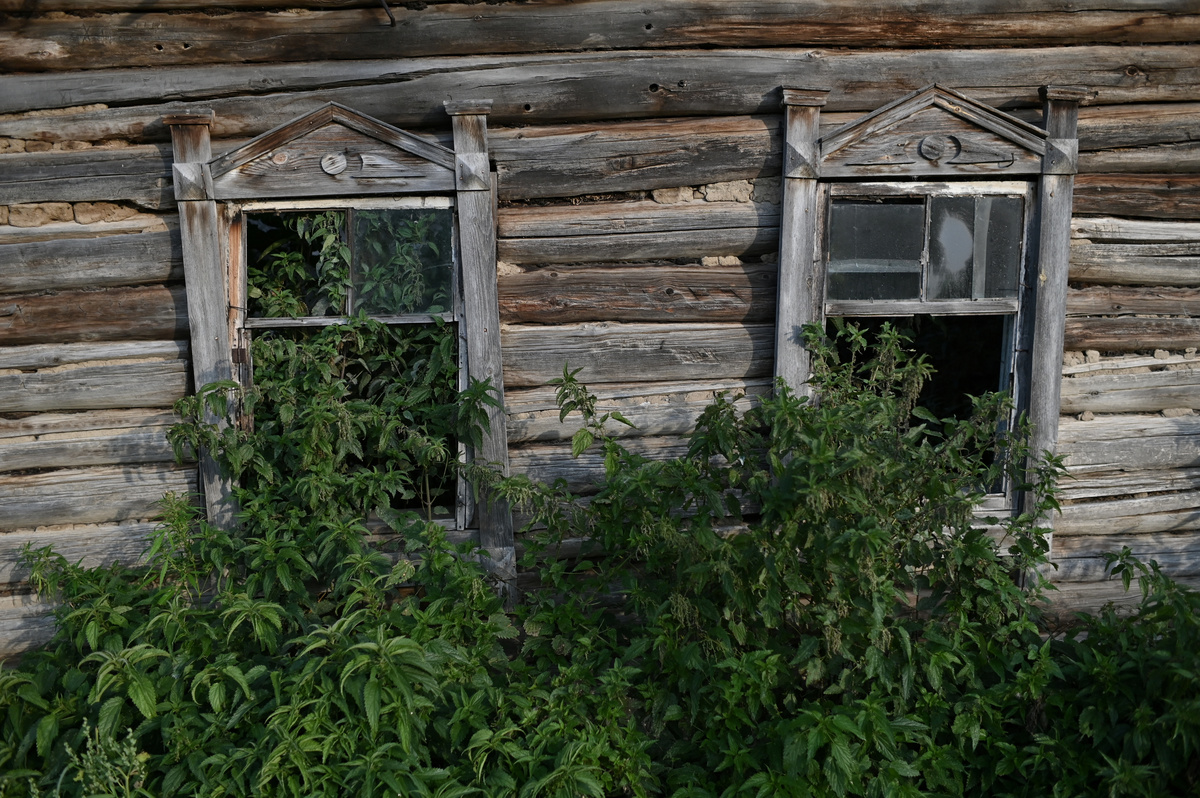
Plants have grown at an abandoned house in the village of Sibilyakovo, Omsk region, Russia, September 8, 2019. Like thousands of villages dotted across Russia, the remote Siberian village of Sibilyakovo emptied after the closure of its state-run collective farm following the 1991 collapse of the Soviet planned economy. In its heyday in the 1970s, Sibilyakovo's population was 550. It has shrunk to 39. REUTERS/Alexey Malgavko
(Reporting by Alexei Malgavko; Writing by Tom Balmforth; Editing by Gareth Jones)
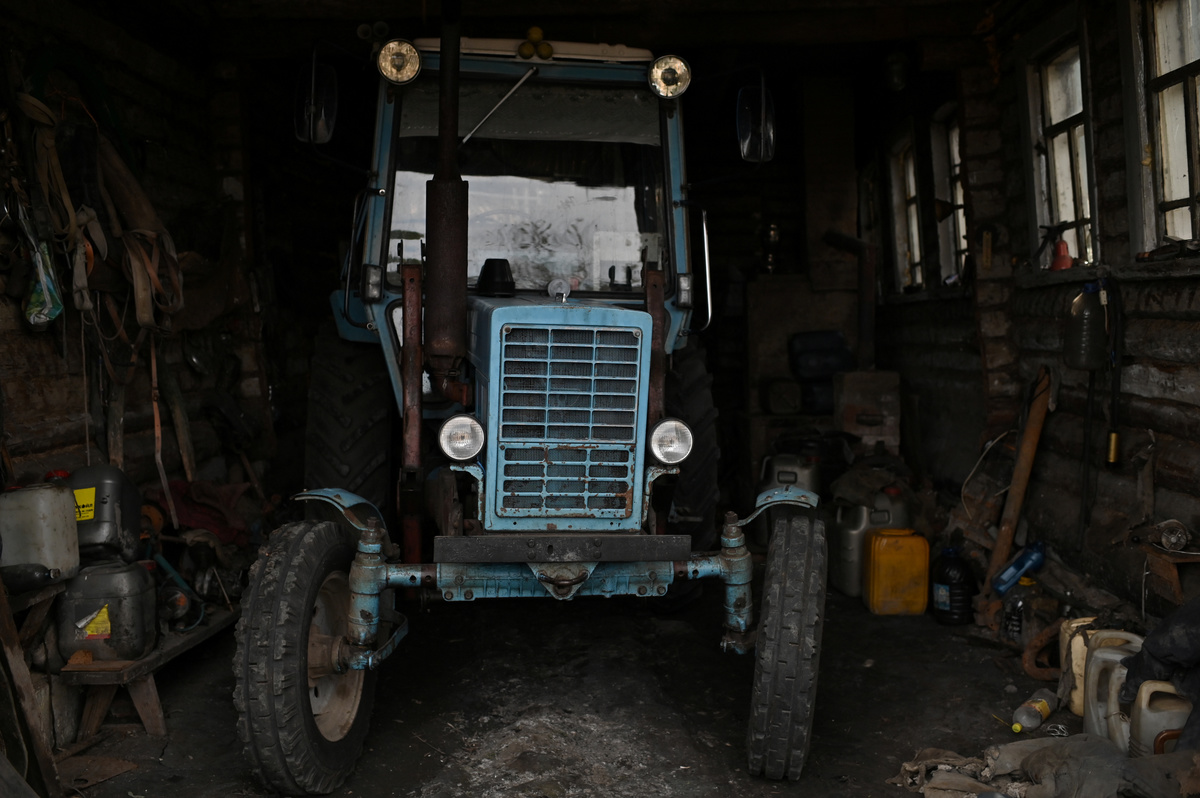
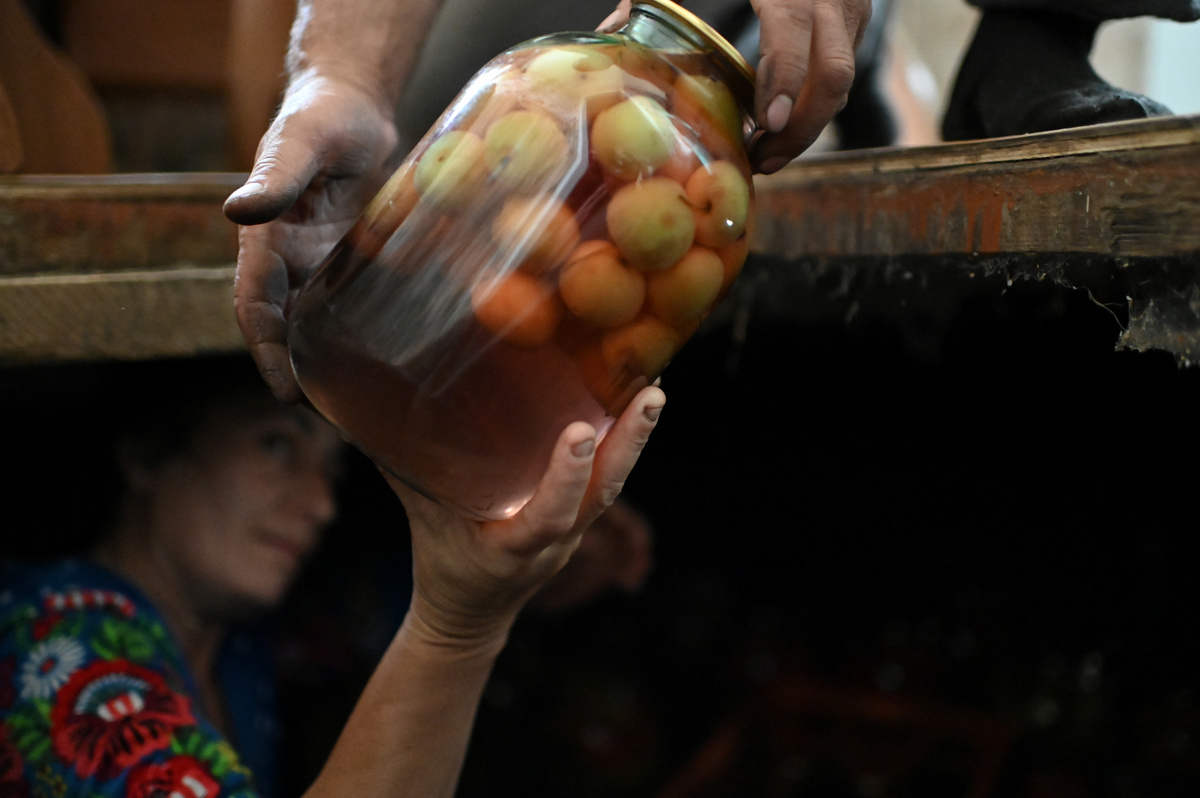
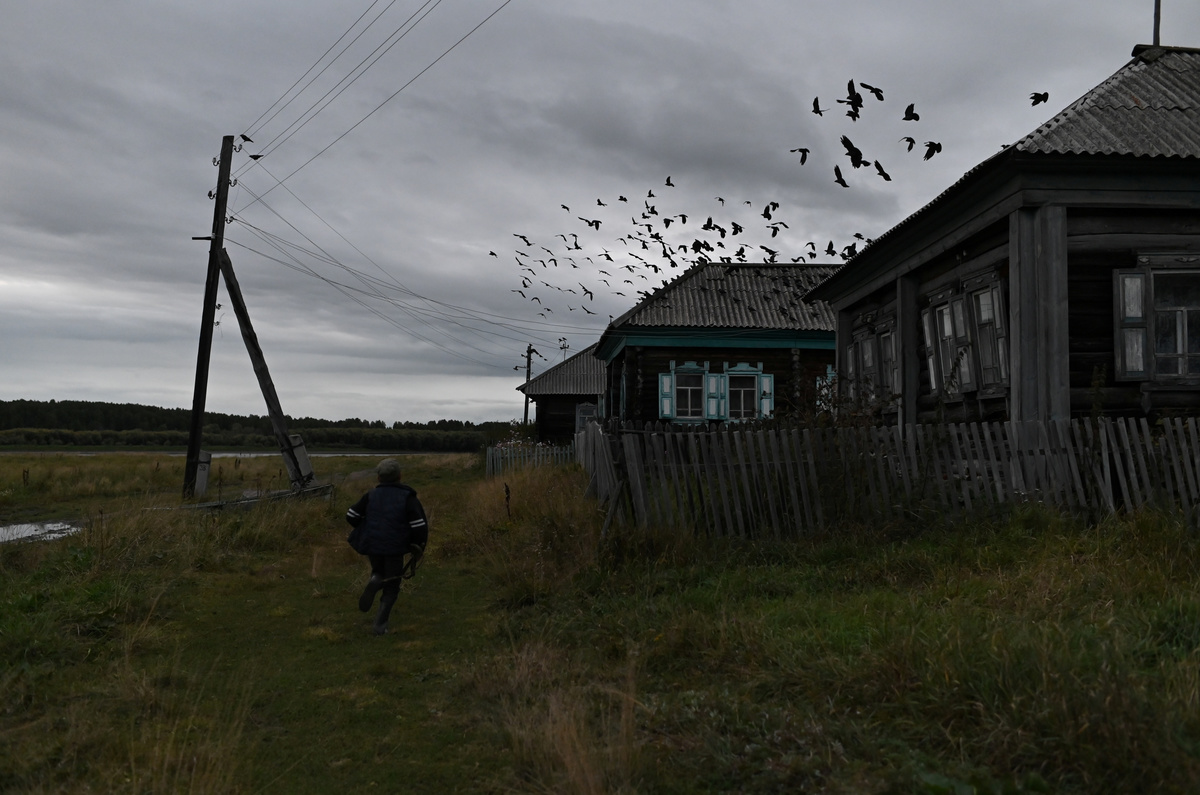
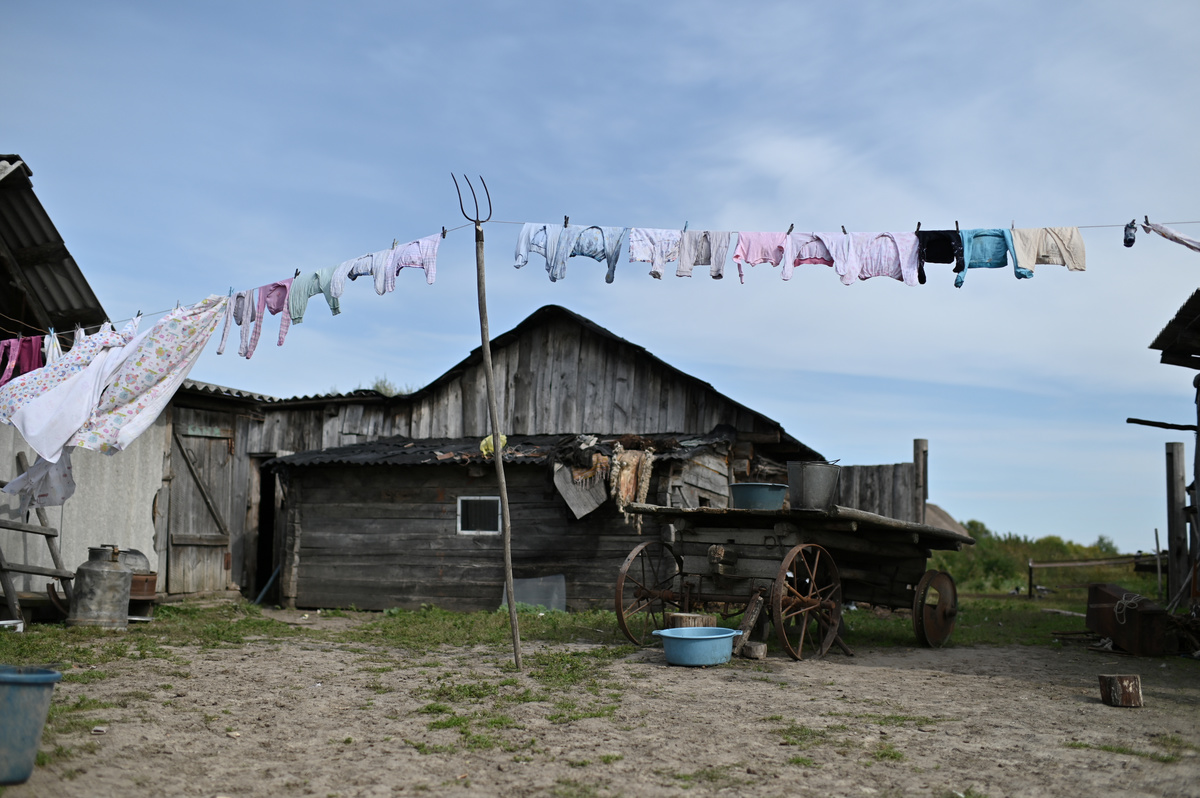
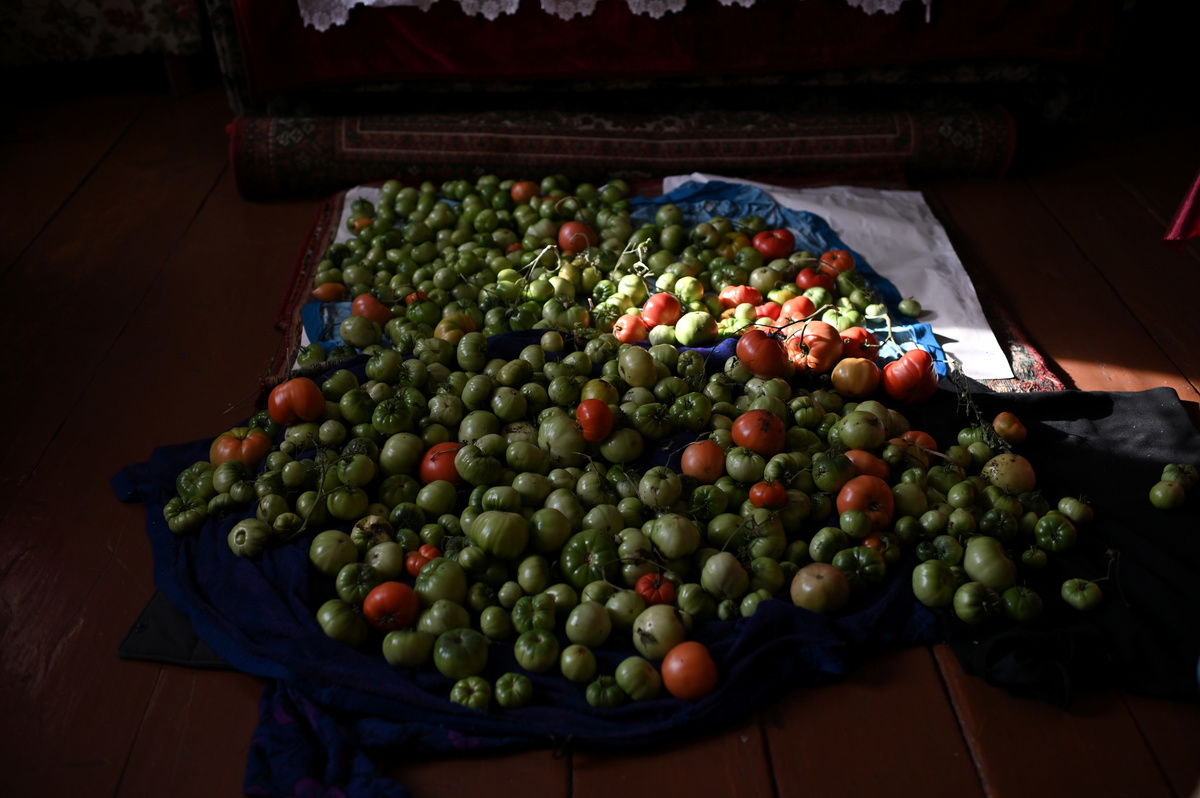
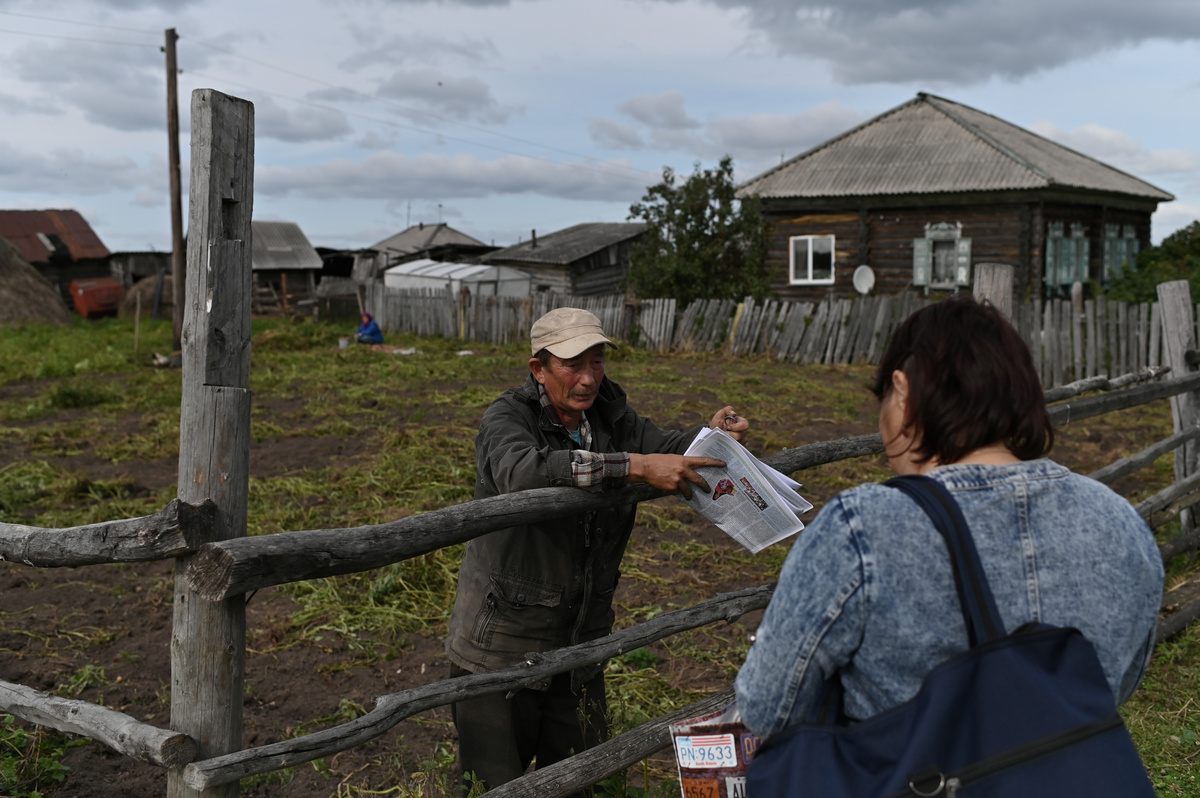
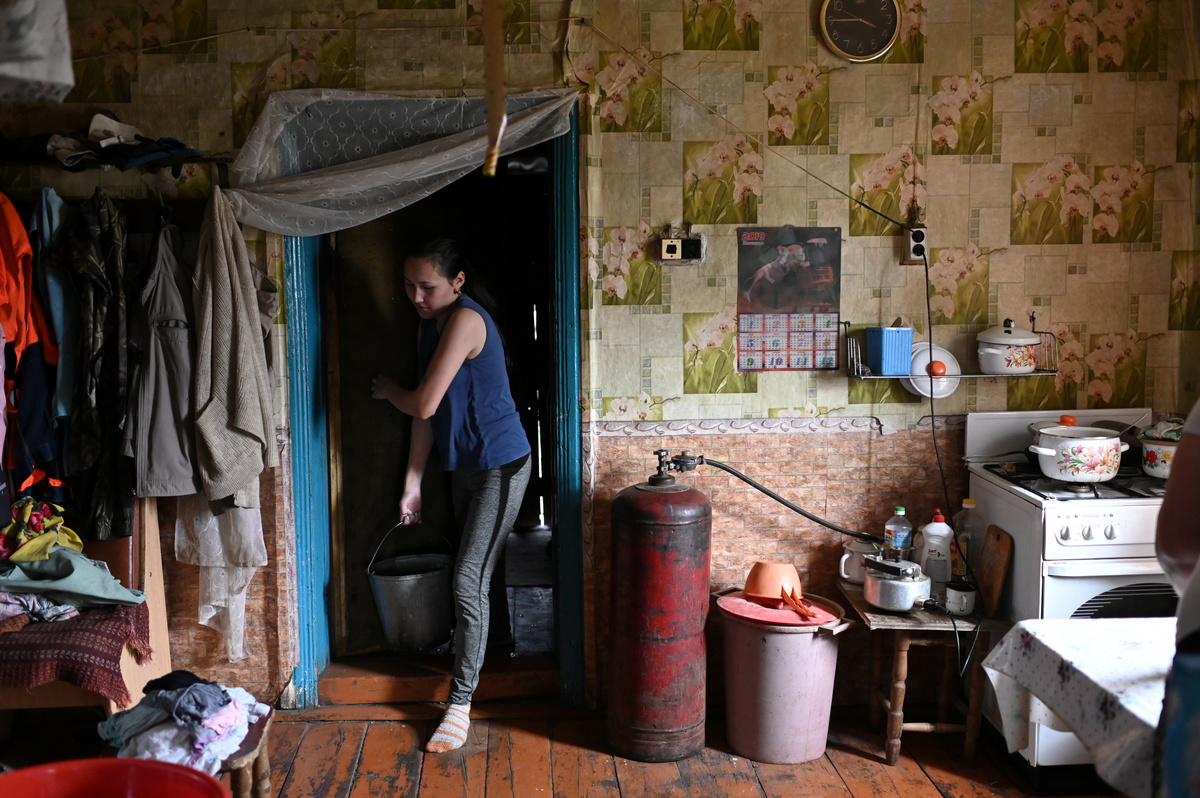
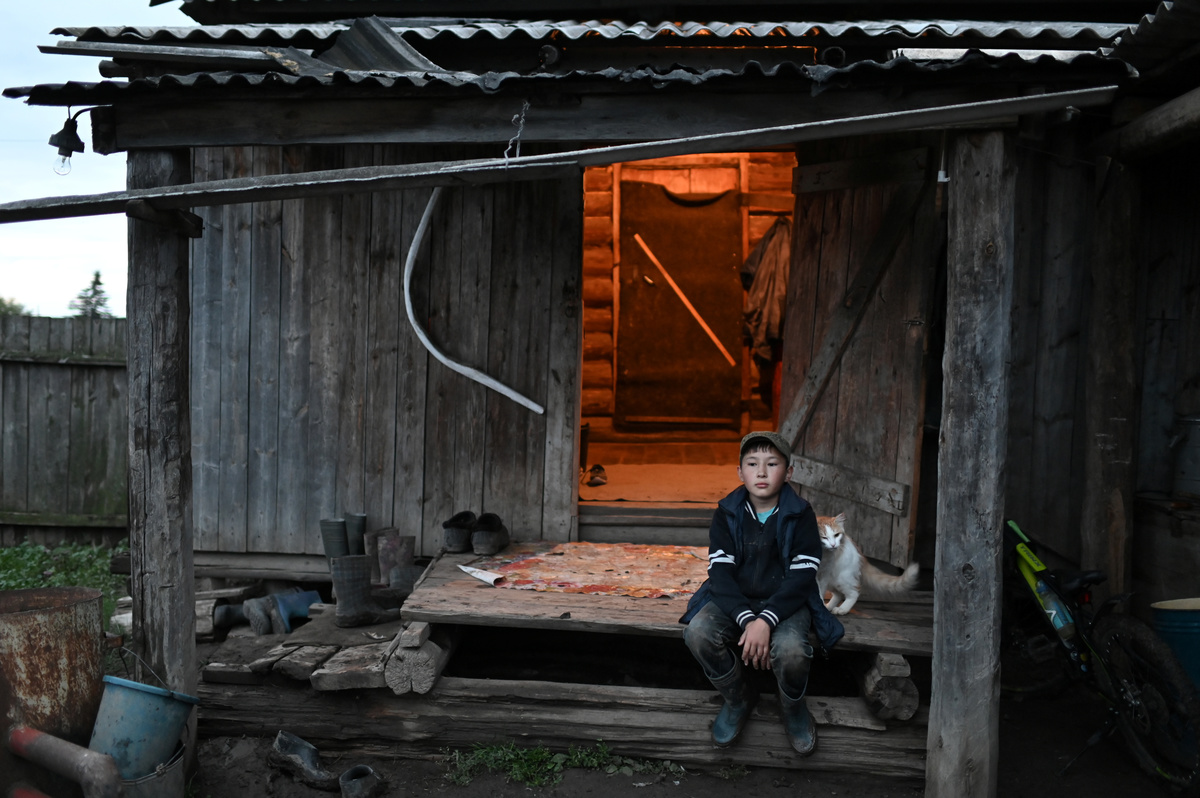
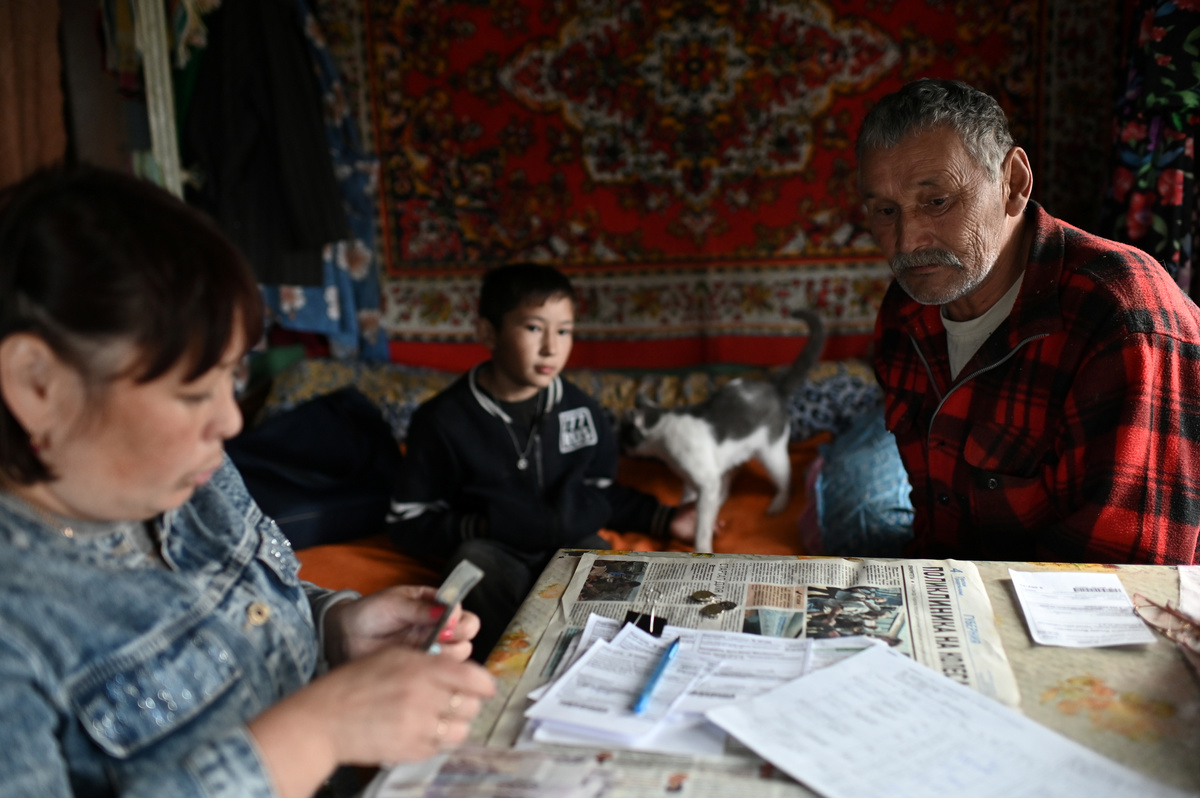
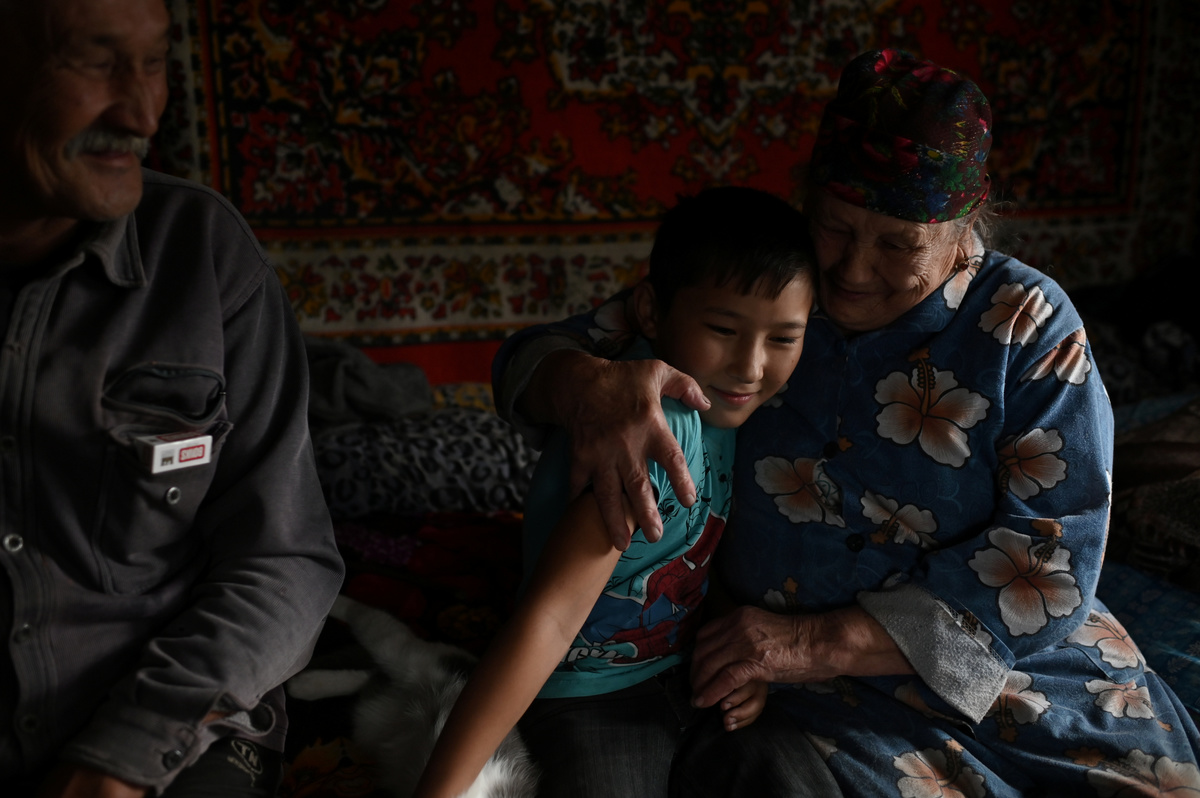
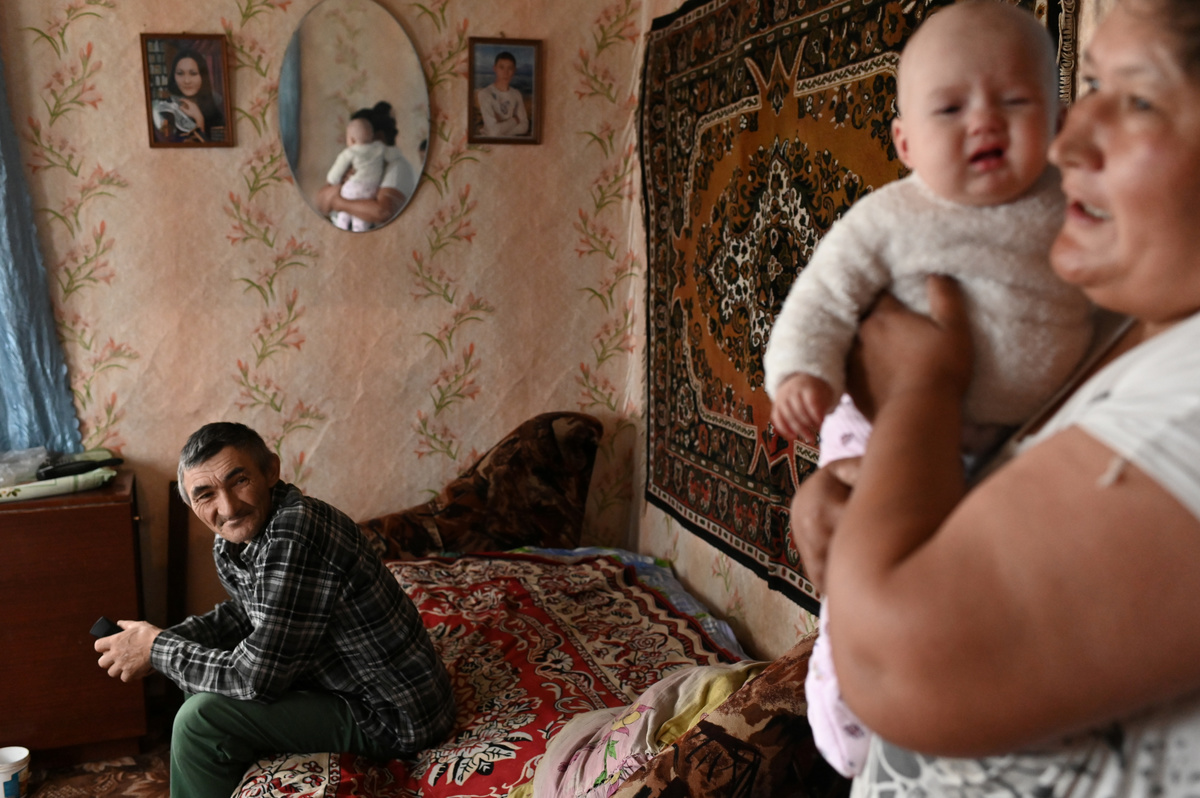
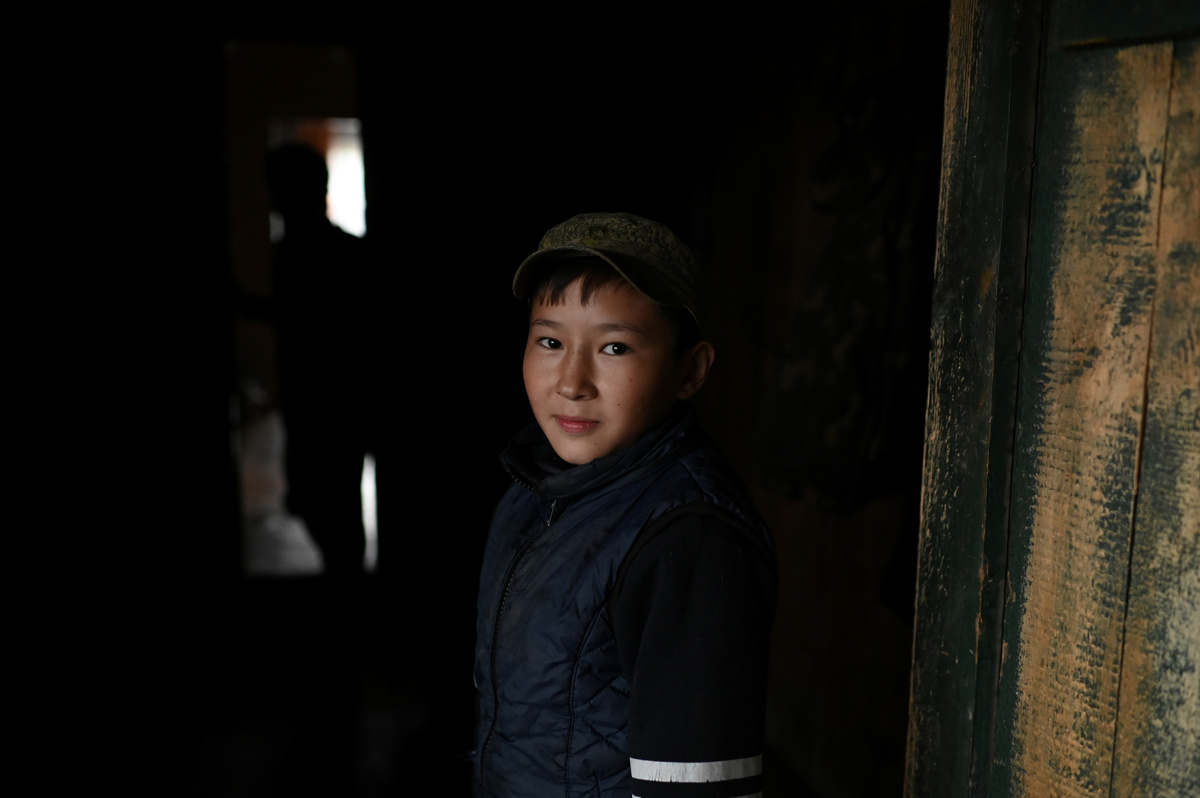
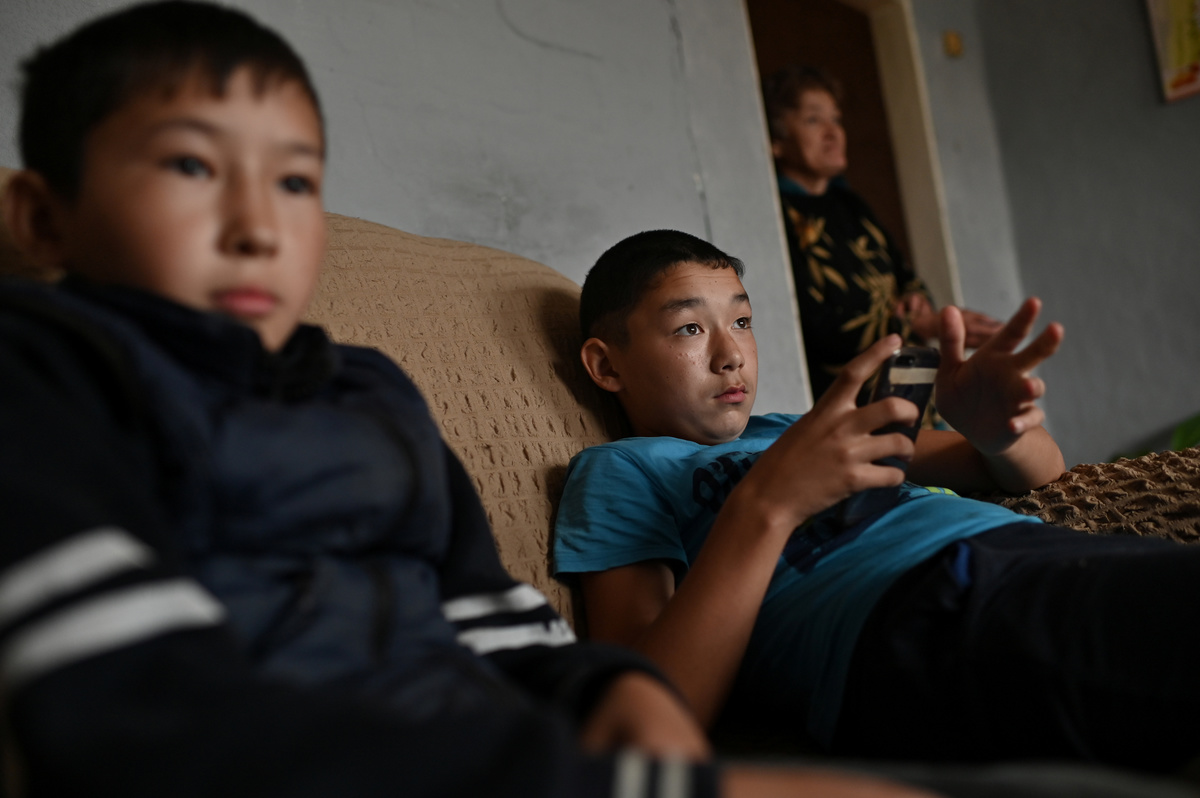
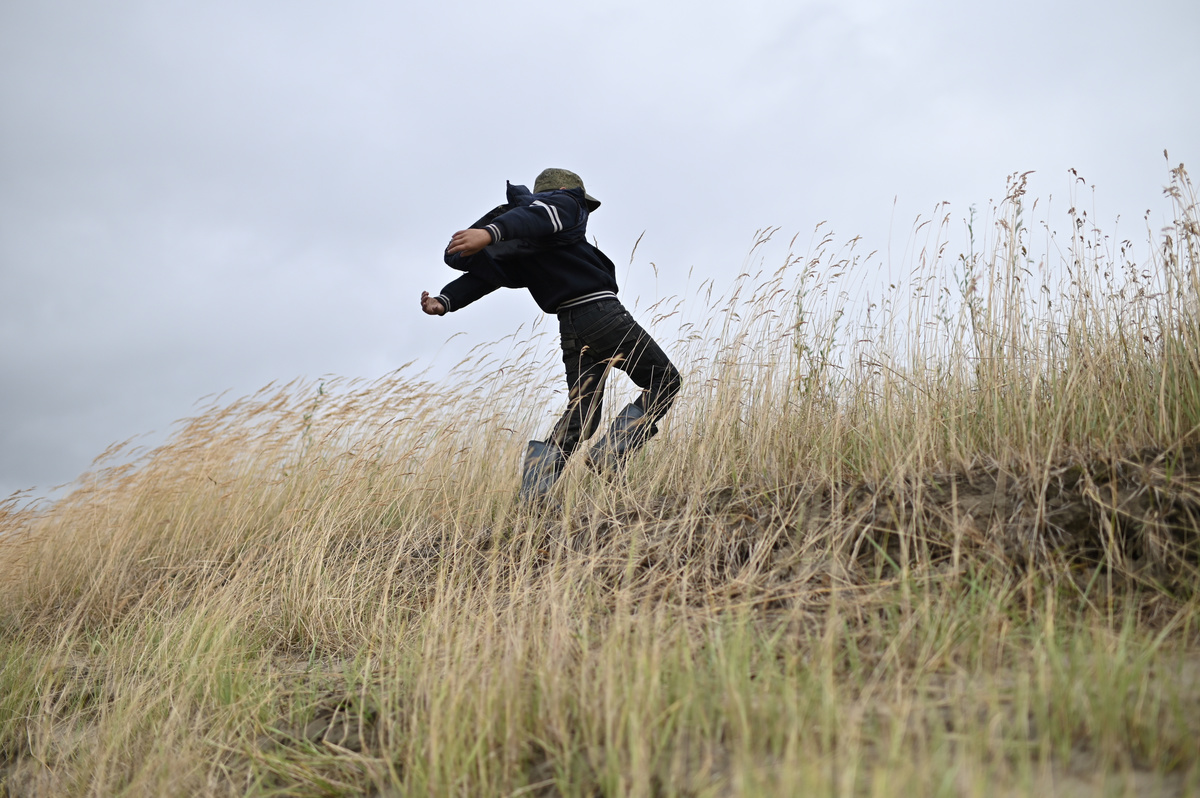
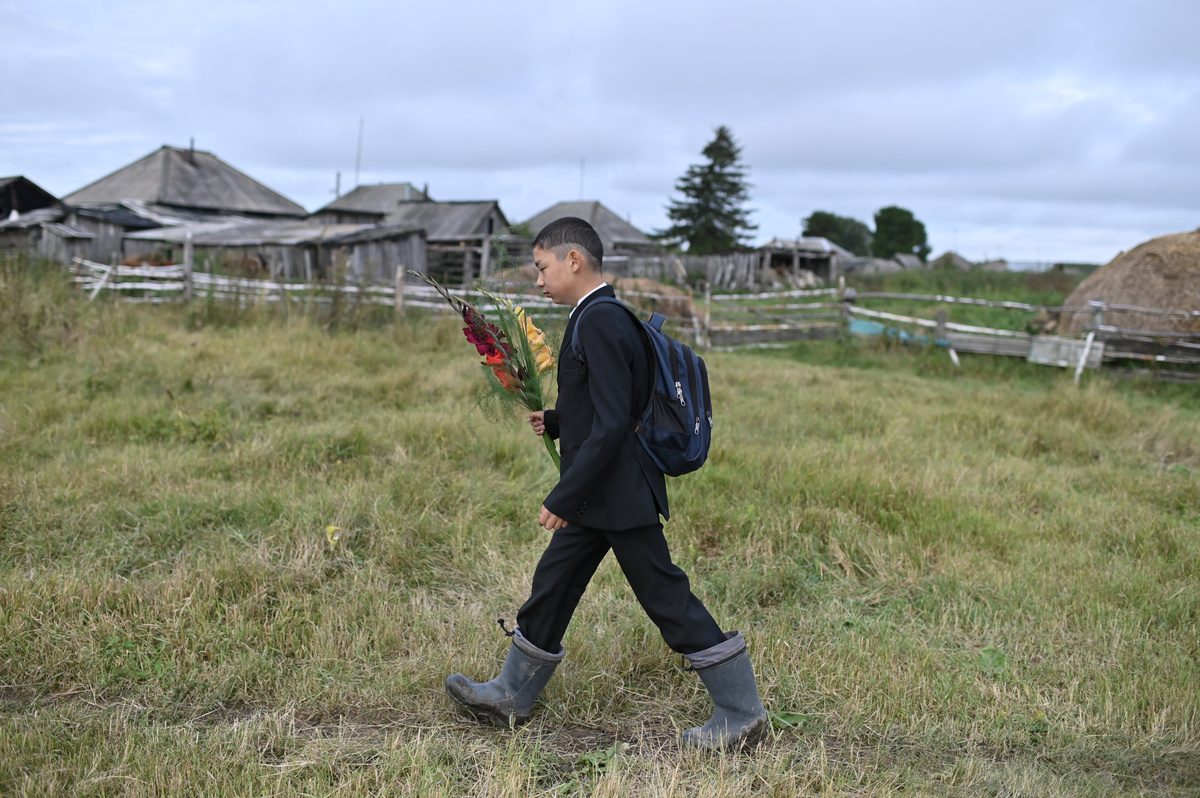
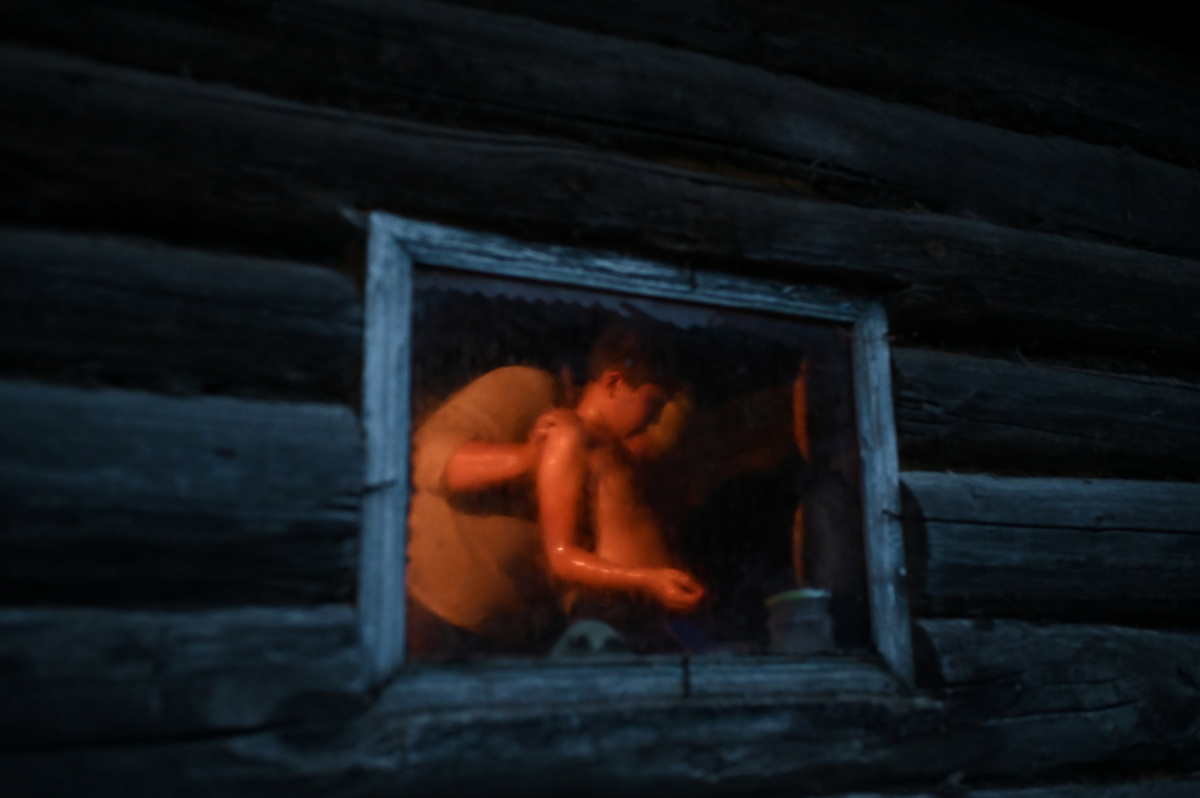
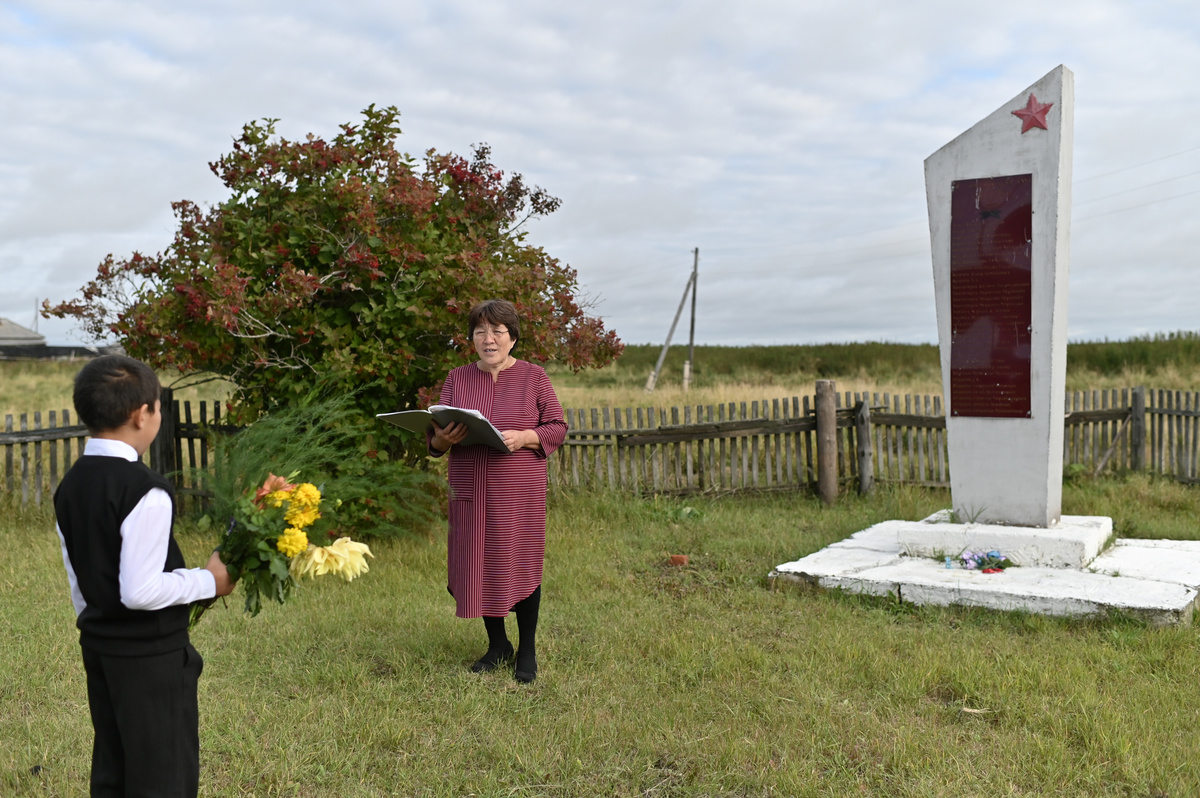
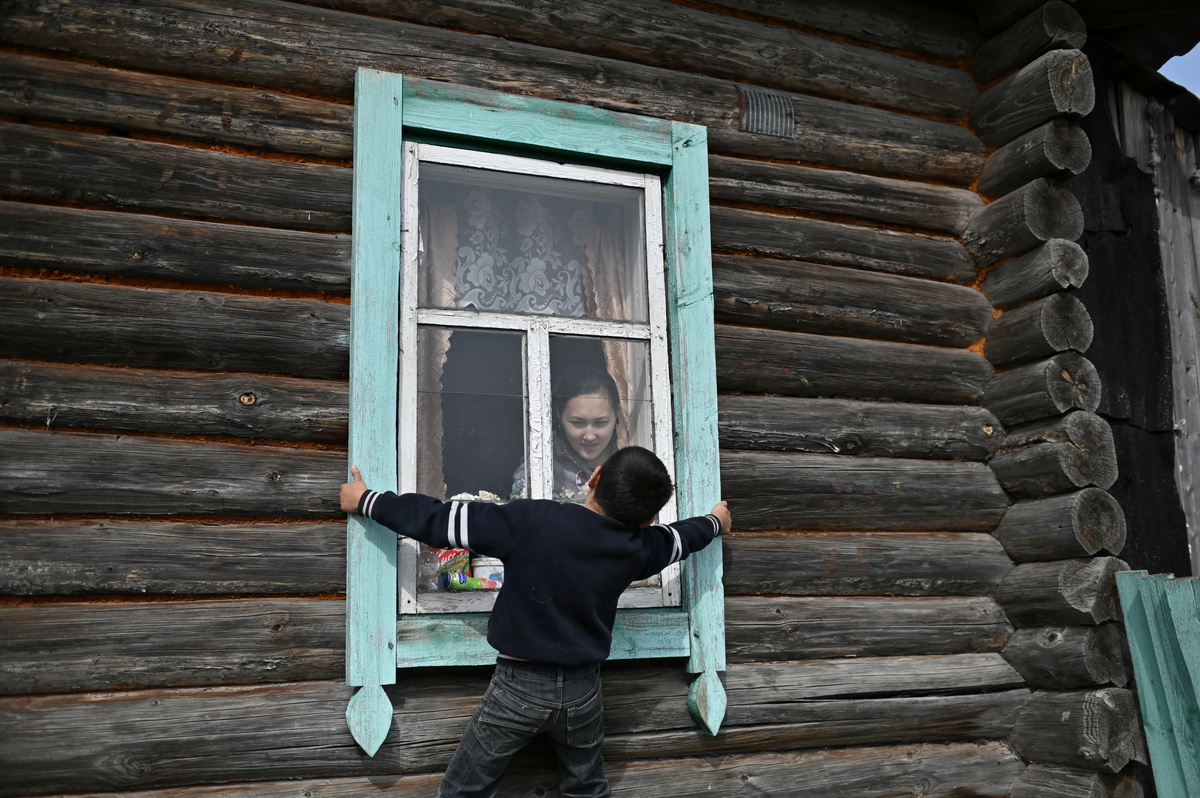
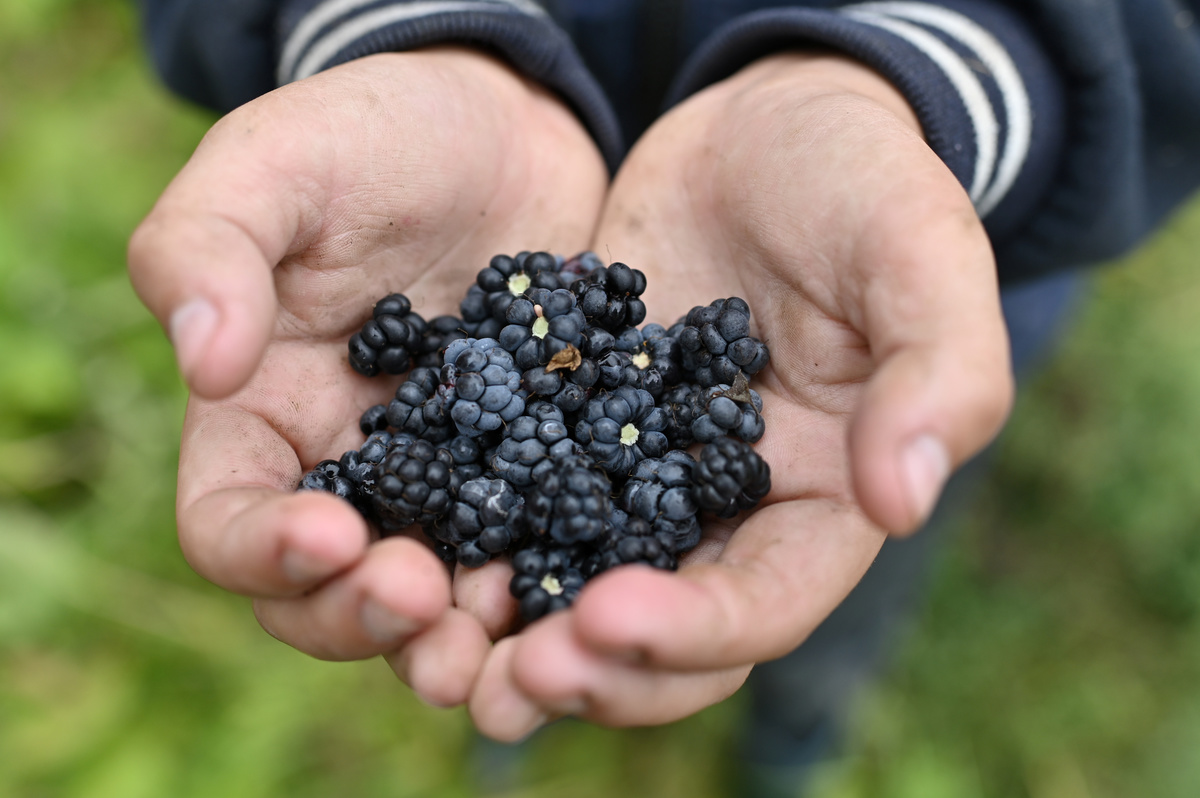
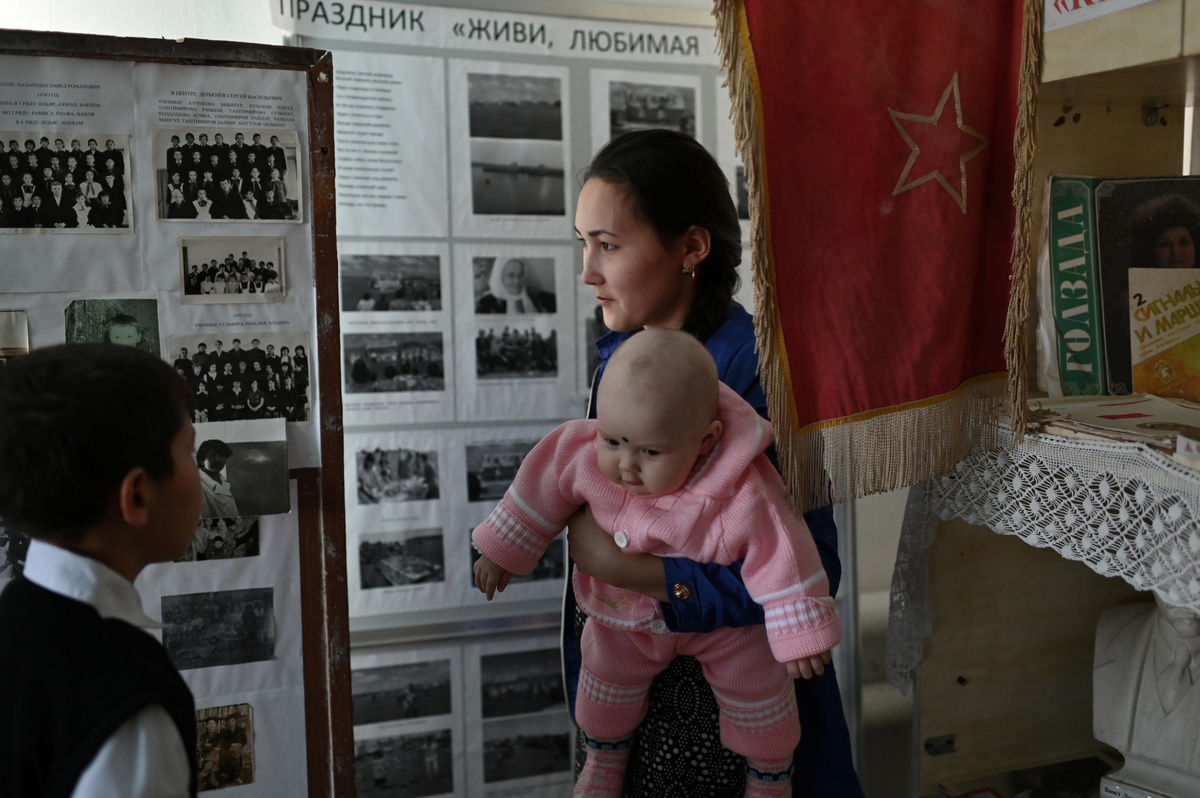
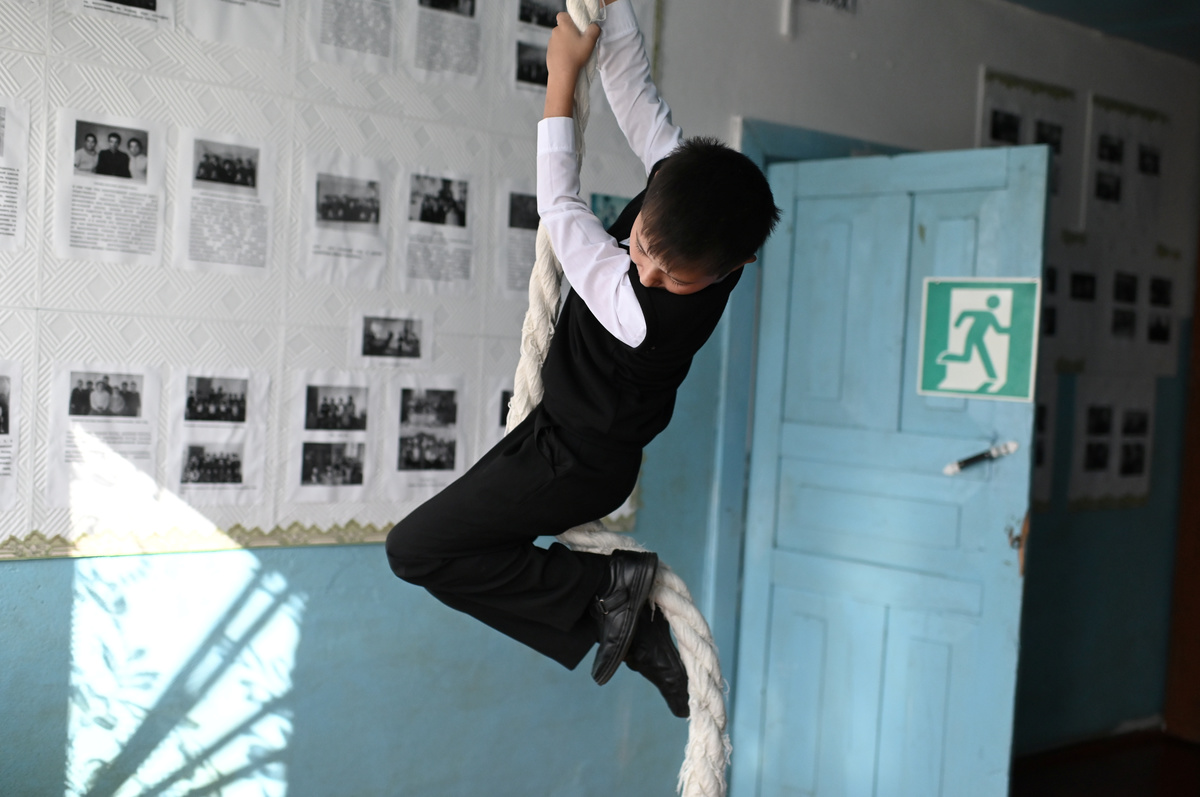
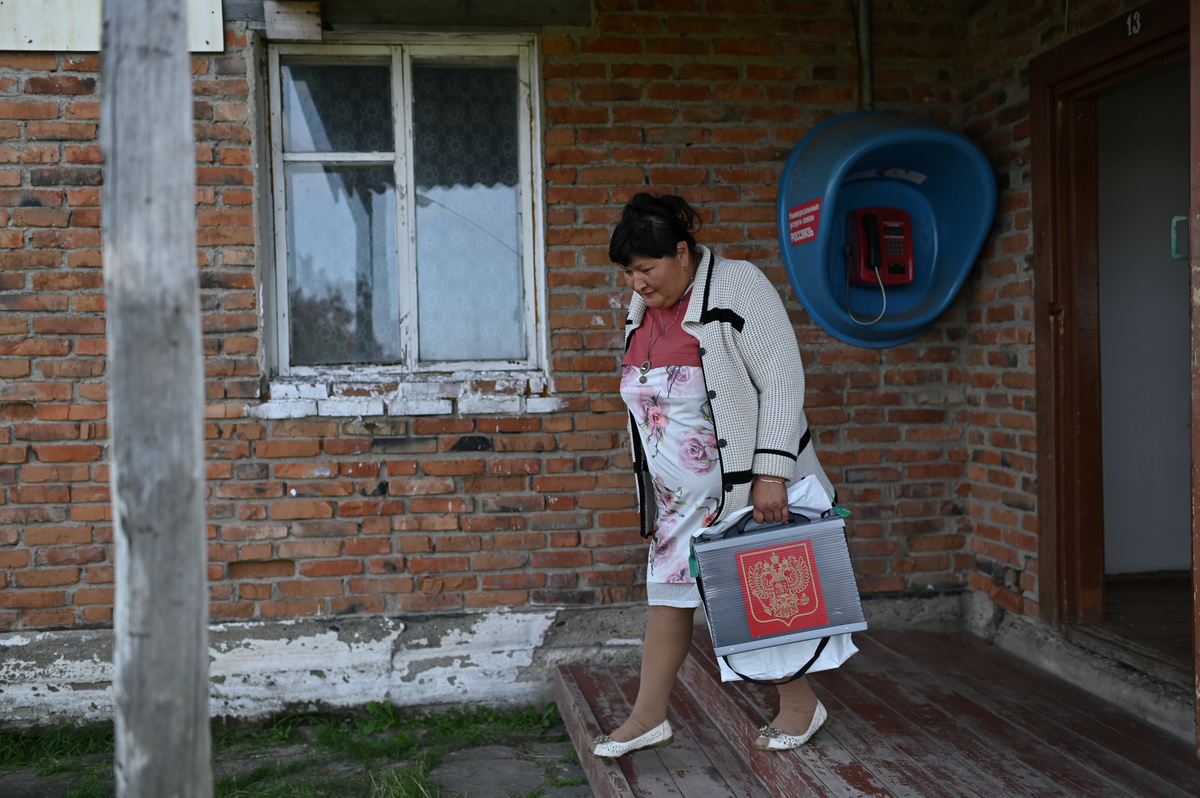
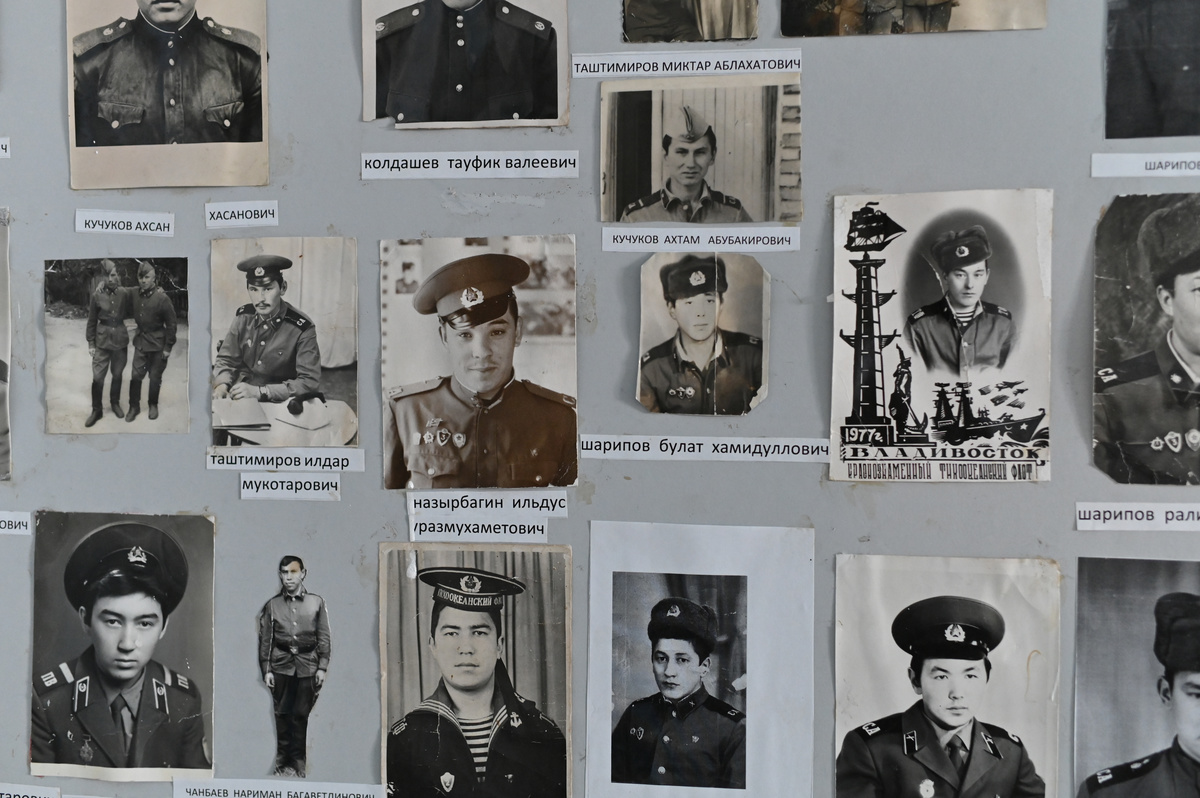
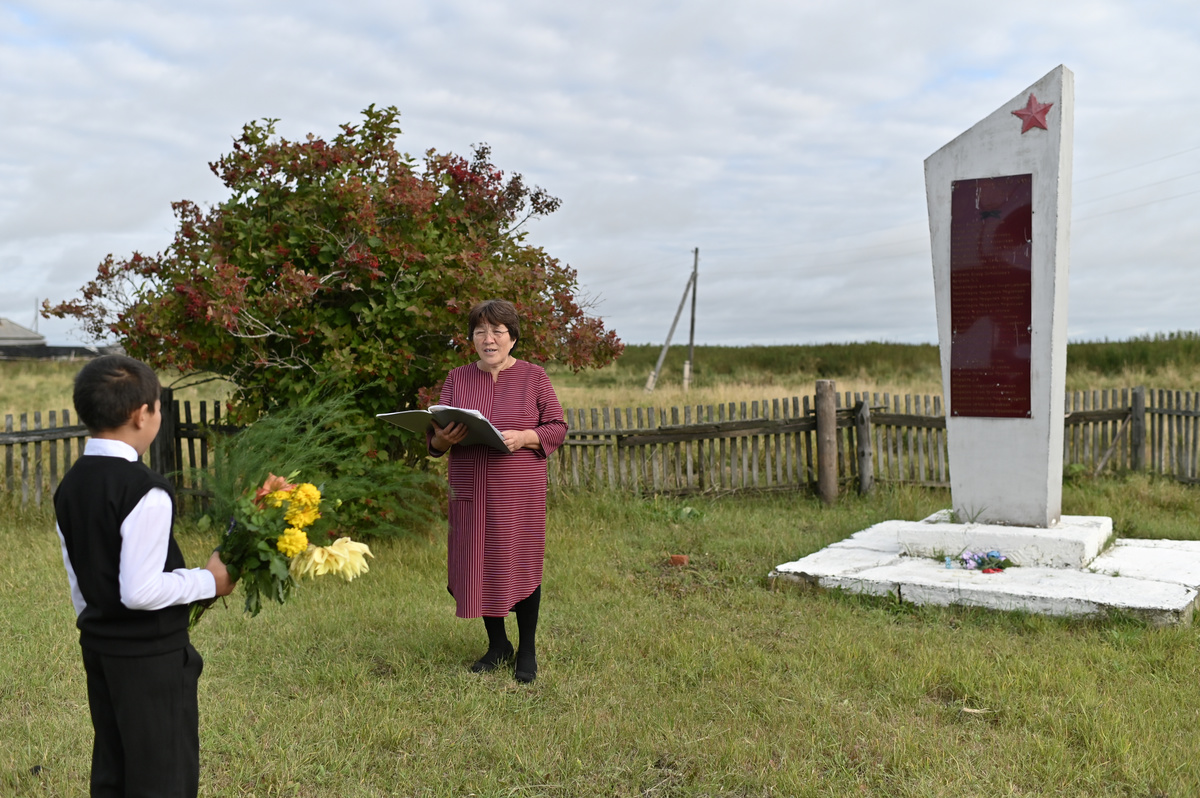
An abandoned house converted to a garage belonging to local residents Rafik and Gulfira Koldasheva, is seen in the village of Sibilyakovo, Omsk region, Russia, September 7, 2019. Like thousands of villages dotted across Russia, the remote Siberian village of Sibilyakovo emptied after the closure of its state-run collective farm following the 1991 collapse of the Soviet planned economy. In its heyday in the 1970s, Sibilyakovo's population was 550. It has shrunk to 39. REUTERS/Alexey Malgavko Spouses Rafik and Gulfira Koldasheva take canned fruit out of their basement storage in the village of Sibilyakovo, Omsk region, Russia, September 7, 2019. REUTERS/Alexey Malgavko Ravil Izhmukhametov, 9, walks in the village of Sibilyakovo in Omsk region, Russia September 1, 2019. REUTERS/Alexey Malgavko Clothes hang to dry in the yard of Izhmukhametov's family house the village of Sibilyakovo, Omsk region, Russia, September 7, 2019. REUTERS/Alexey Malgavko Harvested tomatoes are laid out on the floor in the house of Sibilyakovo's primary school teacher Uminur Kuchukova, in the village of Sibilyakovo, Omsk region, Russia September 7, 2019. REUTERS/Alexey Malgavko Postwoman Dinara Koldasheva, former resident of Sibilyakovo, delivers a newspaper in the village of Sibilyakovo, Omsk region, Russia, September 7, 2019. Koldasheva left Sibilyakovo and relocated to the regional centre of Tara, about 50km away. REUTERS/Alexey Malgavko Rozalia Hannanova, Ravil Izhmukhametov's sister, carries a bucket of water at Izhmukhametov family house in the village of Sibilyakovo, Omsk region, Russia, September 1, 2019. Hannanova lives in the regional centre of Tara, about 50km away. REUTERS/Alexey Malgavko Ravil Izhmukhametov, 9, sits outside his family house in the village of Sibilyakovo in Omsk region, Russia, September 1, 2019. REUTERS/Alexey Malgavko Ildar, 64, Ravil Izhmukhametov's uncle, gets his pension payment of around 9000 Russian rubles delivered by the postwoman Dinara Koldasheva, former resident of Sibilyakovo, in the village of Sibilyakovo, Omsk region, Russia, September 7, 2019. REUTERS/Alexey Malgavko Ravil Izhmukhametov, 9, visits his great-grandmother Kharikamal Takhtimirova, 90, in the village of Sibilyakovo, Omsk region, Russia, September 1, 2019. REUTERS/Alexey Malgavko Ravil Izhmukhametov, 9, eats with his father Dinar, 48, at their house in the village of Sibilyakovo, Omsk region, Russia, September 1, 2019. Ravil's parents are farmers and have livestock but they don't want their son to stay in the village when he grows up. "Our eldest children live in the city and we're happy about that," said Dinar. REUTERS/Alexey Malgavko Dinar Izhmukhametov, 48, looks at his wife Elmira holding their granddaughter in the village of Sibilyakovo, Omsk region, Russia, September 1, 2019. REUTERS/Alexey Malgavko Elmira washes her son Ravil Izhmukhametov, 9, the evening before the first day of the new school year in the village of Sibilyakovo, Omsk region, Russia, September 1, 2019. Ravil is the only pupil in Sibilyakovo's primary school. He said he has no interest in moving to the city, but that he realises he will have no choice one day. He was nonplussed when asked what it was like to go to school without any classmates. "I've got nothing to compare it to, but of course I'd like to have friends so I'm looking forward to going to the main school." REUTERS/Alexey Malgavko Ravil Izhmukhametov, 9, poses for a picture at the house of his friend Ramil in the village of Sibilyakovo, Omsk region, Russia, September 1, 2019. REUTERS/Alexey Malgavko Ravil Izhmukhametov, 9, and his friend Ramil Kuchukov watch TV in the village of Sibilyakovo, Omsk region, Russia, September 1, 2019. REUTERS/Alexey Malgavko Ravil Izhmukhametov, 9, walks outside the village of Sibilyakovo, Omsk region, Russia, September 1, 2019. REUTERS/Alexey Malgavko Ramil Kuchukov walks to cross the river to get to his school in the neighbouring village of Butakovo, in the village of Sibilyakovo, Omsk region, Russia, September 2, 2019. The school is a 30-minute boat journey across the choppy Irtysh River followed by a 20-minute ride on the school bus. REUTERS/Alexey Malgavko Elmira washes her son Ravil Izhmukhametov, 9, the evening before the first day of the new school year in the village of Sibilyakovo, Omsk region, Russia, September 1, 2019. Ravil is the only pupil in Sibilyakovo's primary school. He said he has no interest in moving to the city, but that he realises he will have no choice one day. He was nonplussed when asked what it was like to go to school without any classmates. "I've got nothing to compare it to, but of course I'd like to have friends so I'm looking forward to going to the main school." REUTERS/Alexey Malgavko Ravil Izhmukhametov, 9, and teacher Uminur Kuchukova, 61, attend the ceremony on the first day of the new school year next to a WWII monument in the village of Sibilyakovo, Omsk region, Russia, September 2, 2019. Kuchukova has taught at the school for 42 years. She could have retired years ago, but continues to teach at once bustling school for the sake of its last pupil. When she leaves next year, the school will close. She thinks Izhmukhametov will be old enough to travel to the neighbouring village for lessons. "I feel sorry for him. His parents don't want to leave (Sibilyakovo) yet and it's scary to send a little boy like him over the Irtysh, there are such big waves," she said. REUTERS/Alexey Malgavko Ravil Izhmukhametov, 9, talks to his sister Rozalia Hannanova at their house the village of Sibilyakovo, Omsk region, Russia, September 7, 2019. REUTERS/Alexey Malgavko Ravil Izhmukhametov, 9, holds blackberries outside the village of Sibilyakovo, Omsk region, Russia, September 1, 2019. REUTERS/Alexey Malgavko Ravil Izhmukhametov, 9, and his sister Rozalia Hannanova with her daughter Elvira are seen after the ceremony on the first day of the new school year in the village of Sibilyakovo, Omsk region, Russia, September 2, 2019. Ravil is the only pupil in the school. REUTERS/Alexey Malgavko Ravil Izhmukhametov, 9, attends a class with teacher Uminur Kuchukova, 61, on the first day of the new school year in the village of Sibilyakovo, Omsk region, Russia, September 2, 2019. Kuchukova has taught at the school for 42 years. She could have retired years ago, but continues to teach at once bustling school for the sake of its last pupil. When she leaves next year, the school will close. She thinks Izhmukhametov will be old enough to travel to the neighbouring village for lessons. "I feel sorry for him. His parents don't want to leave (Sibilyakovo) yet and it's scary to send a little boy like him over the Irtysh, there are such big waves," she said. REUTERS/Alexey Malgavko Ravil Izhmukhametov, 9, climbs on a rope in a sport class after the ceremony on the first day of the new school year in the village of Sibilyakovo, Omsk region, Russia, September 2, 2019. Ravil is the only pupil in the school. REUTERS/Alexey MalgavkoLivestock belonging to the Izhmukhametov family are seen in the village of Sibilyakovo, Omsk region, Russia, September 1, 2019. REUTERS/Alexey Malgavko A portrait hangs on a wall of an abandoned house in the village of Sibilyakovo, Omsk region, Russia September 7, 2019. Like thousands of villages dotted across Russia, the remote Siberian village of Sibilyakovo emptied after the closure of its state-run collective farm following the 1991 collapse of the Soviet planned economy. In its heyday in the 1970s, Sibilyakovo's population was 550. It has shrunk to 39. REUTERS/Alexey Malgavko Ravils Izhmukhametov's mother Elmira, a member of the local election commission, walks with a mobile voting box during local elections in the village of Sibilyakovo, Omsk region, Russia, September 8, 2019. REUTERS/Alexey Malgavko A paramedic measures the blood pressure of a local resident at a polling station set up at a school during local elections in the village of Sibilyakovo, Omsk region, Russia, September 8, 2019. REUTERS/Alexey Malgavko Photos of former students are seen at a school museum in the village of Sibilyakovo, Omsk region, Russia, September 7, 2019. In its heyday in the 1970s, Sibilyakovo's primary school had four classes, each of around 18 children. REUTERS/Alexey Malgavko Ravil Izhmukhametov, 9, and teacher Uminur Kuchukova, 61, attend the ceremony on the first day of the new school year next to a WWII monument in the village of Sibilyakovo, Omsk region, Russia, September 2, 2019. Kuchukova has taught at the school for 42 years. She could have retired years ago, but continues to teach at once bustling school for the sake of its last pupil. When she leaves next year, the school will close. She thinks Izhmukhametov will be old enough to travel to the neighbouring village for lessons. "I feel sorry for him. His parents don't want to leave (Sibilyakovo) yet and it's scary to send a little boy like him over the Irtysh, there are such big waves," she said. REUTERS/Alexey Malgavko
Sign up to read this article
Read news from 100’s of titles, curated specifically for you.