Russia has claimed that the new MI6 chief held a “lengthy” phone call with her Russian counterpart just two months after assuming the role, according to Russian media.
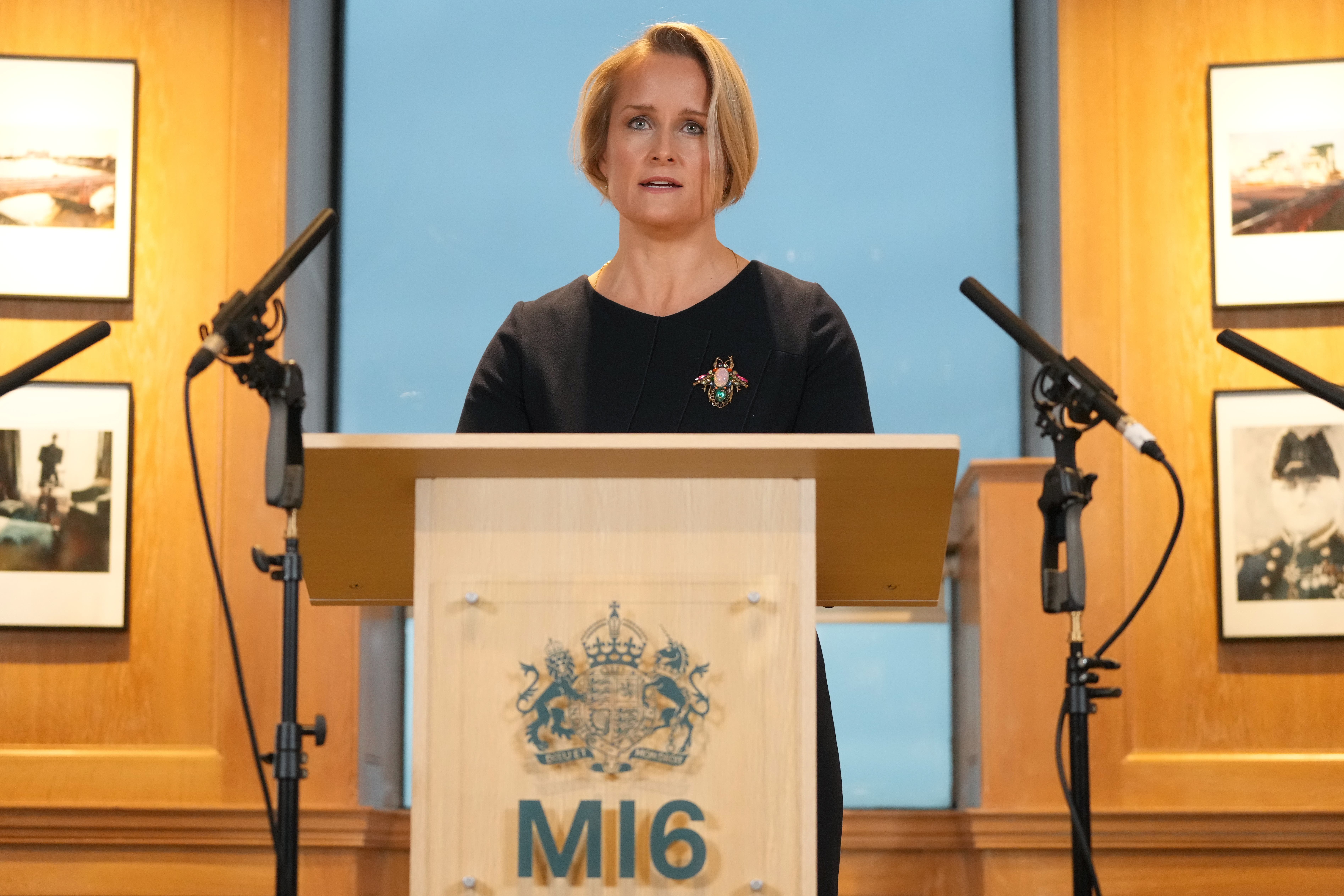
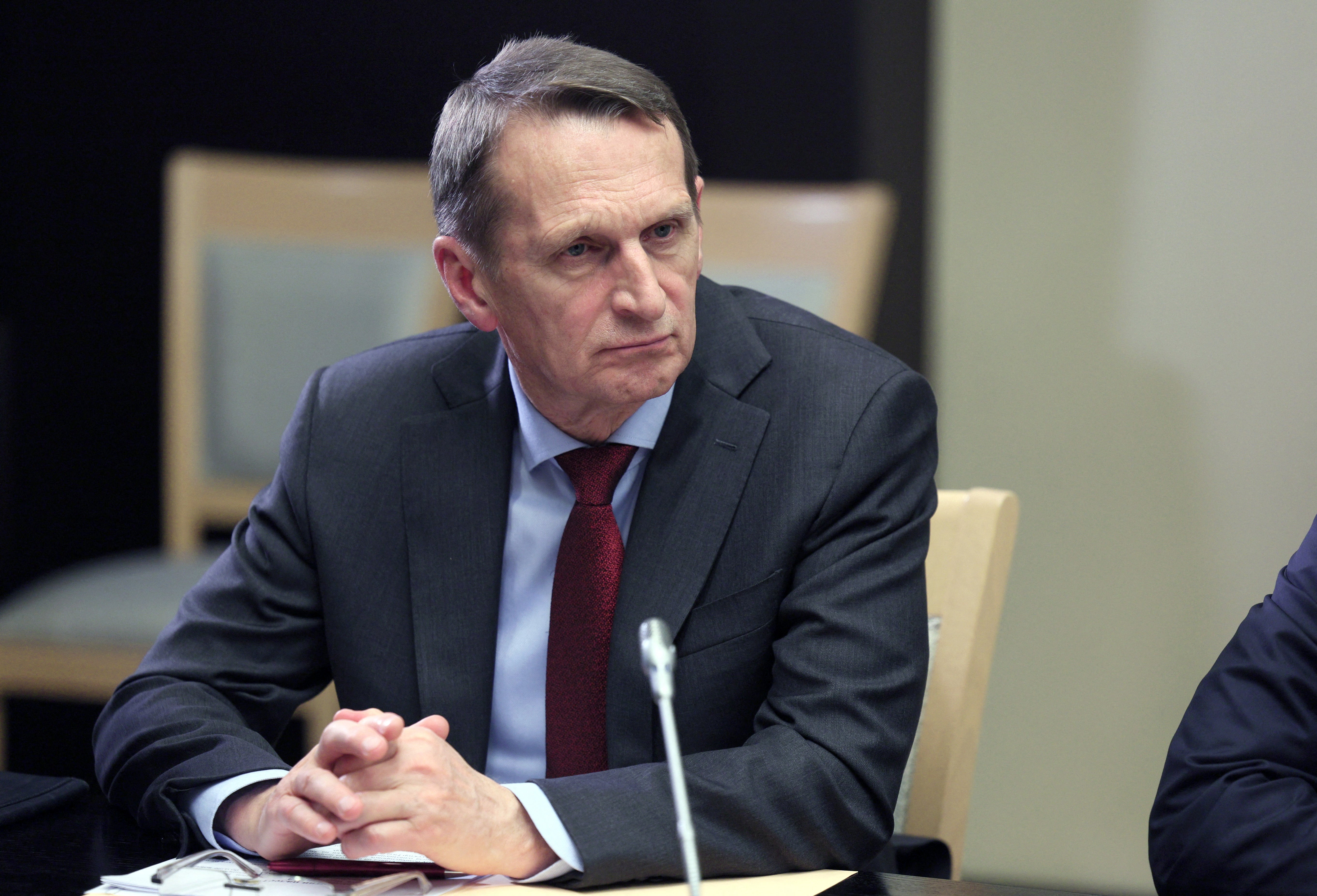
Sergey Naryshkin, the director of Russian foreign intelligence service SVR, said he spoke to Blaise Metreweli, who took office as head of the Secret Intelligence Service (SIS) in October.
“A few days ago, I had a rather lengthy telephone conversation with the newly appointed chief of MI6, [Blaise] Metreweli,” Mr Naryshkin said, according to Russian news agency Tass.
He added that Russian intelligence officers worked officially in London and SIS officers were doing the same in Moscow.
No further details about the alleged call were provided by Mr Naryshkin, who has held several senior roles in Russian politics and led the SVR since 2016.
Military analyst Michael Clarke told Sky News that Moscow is “trying to imply that the Brits are somehow appealing to them … because of the negotiations going on in Washington”.
But the call comes just days after Ms Metreweli, who is the first female MI6 chief, warned of the growing threat posed by an “aggressive, expansionist and revisionist” Russia in her first major public speech in the new role.
Ms Metreweli said the UK is operating in a “space between peace and war” and that while the Ukraine conflict drags on, Russia is also “testing us in the grey zone”.
“Putin should be in no doubt, our support is enduring. The pressure we apply on Ukraine’s behalf will be sustained,” she added.
The Independent has contacted the Foreign Office for comment.
Mr Clarke added that the Brits “would never” admit in public that this call had taken place because it is “very, very sensitive stuff”.
“The British head … should never, ever reveal that they’ve done that, and the fact that Naryshkin is doing it shows that he’s got his own agenda,” he added.
Mr Naryshkin’s comments emerged as European leaders held critical talks in Brussels over the future of funding Ukraine’s war effort.
While EU leaders could not approve a deal to use frozen Russian assets, they approved a €90bn deal to cover around two-thirds of Ukraine’s funding needs for the next two years.
Instead of drawing the funds from frozen Russian assets, the cash for the loan will be raised through joint borrowing by 24 of the EU’s 27 countries, excluding Czechia, Hungary and Slovakia.
Vladimir Putin said Europe had “failed to rob, due to grave consequences for the robbers” in an end-of-year conference on Friday.
Ukraine war live: Putin labels EU ‘burglars’ in rambling speech over frozen assets
Why the EU could not agree on using £80bn of frozen Russian assets to fund Ukraine
Federal regulators to begin sifting through wreckage of North Carolina plane crash that killed 7
French police raid culture minister’s home as part of corruption probe on Macron ally
Watch: Vladimir Putin holds annual end of year address and phone-in with Russians
Watch: Putin calls European leaders ‘little pigs’ ahead of crucial summit in Brussels