
An electrician who researched rockets for the Islamic State but later denounced its extremist ideology will be keenly watched by federal police when he returns to his quiet, rural town.
Haisem Zahab, who has been denied parole twice, will be released from prison when his nine-year sentence expires on Friday.
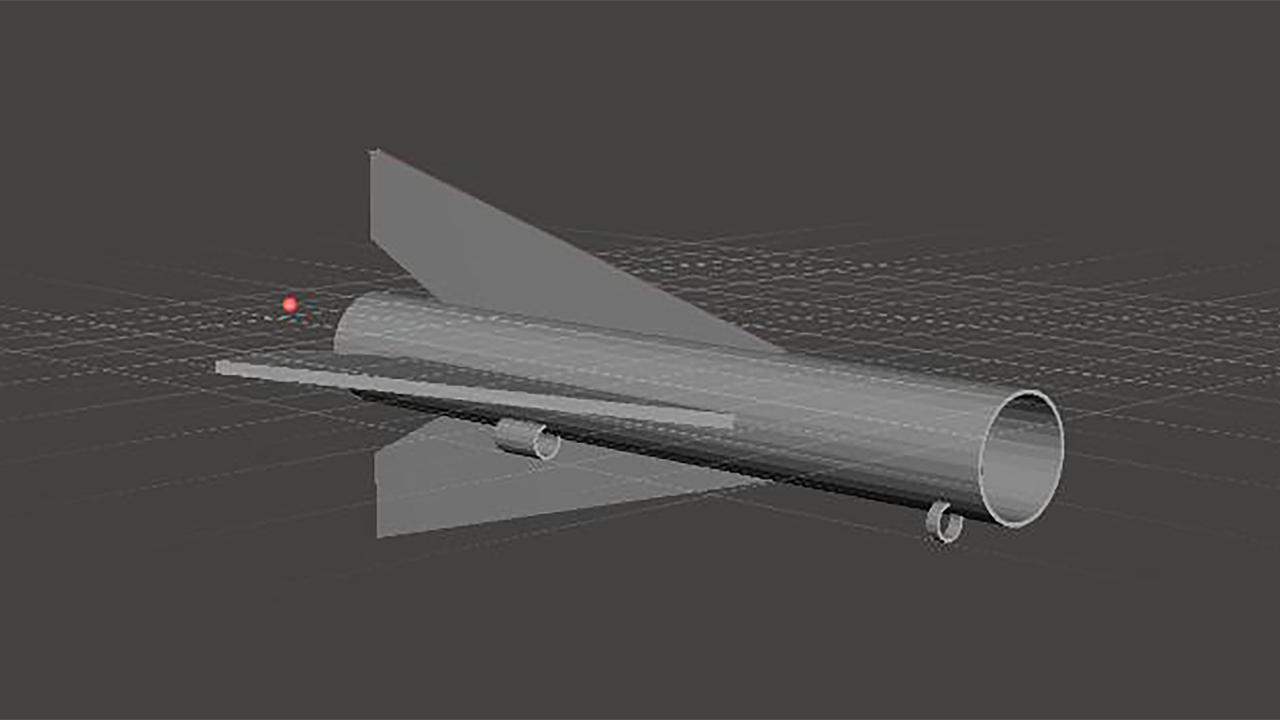
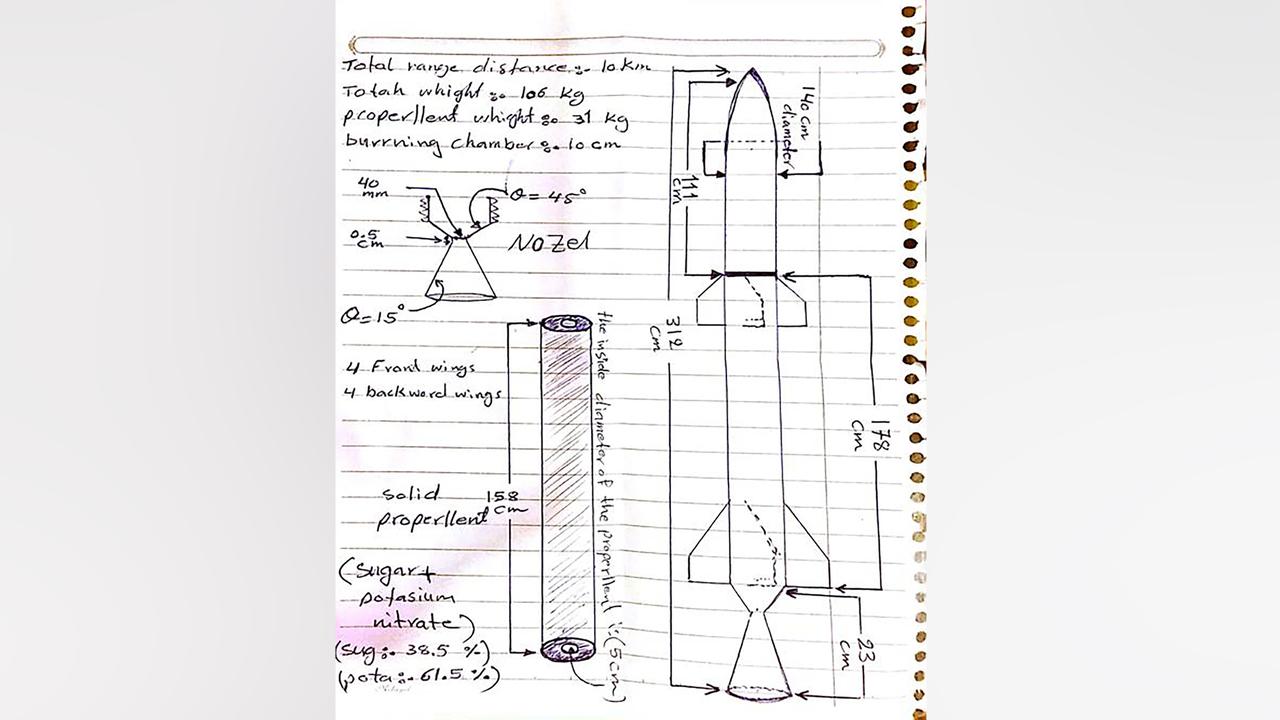
The 52-year-old was jailed in 2019 by the NSW Supreme Court for supporting a terrorist organisation after researching and developing a laser warning receiver, rockets and rocket guidance methods for IS.
During a hearing earlier in March, police asked the Federal Court to impose interim control orders allowing them to supervise the electrician when he returns to live with his family in the rural town of Young.
Justice Stephen Burley on Monday imposed the order, deeming it appropriate and all of the police-proposed conditions as necessary.
The judge's full decision has been suppressed until Tuesday to give the parties time to suggest redactions.
The conditions include electronic monitoring, therapeutic programs and educational support.
At the earlier hearing, the Australian-born man's barrister unsuccessfully argued that post-sentence supervision was not necessary.
Zahab had continually denounced his extremist beliefs since April 2019 after pleading guilty to assisting IS, lawyer Riyad El-Choufani said.
The electrician had moved from Sydney to Young and was not working full-time when he created his first Twitter account, he said.
"Regrettably, what seems to have occurred here is that Mr Zahab fell into the Pandora's box of social media, fell to the seductive qualities of Islamic State's propaganda," he said.
At the time, the Arab Spring had erupted and the electrician came to see IS as a bulwark against the oppressive regime of then-Syrian president Bashar al-Assad, the court was told.
He later told prison officers he thought the terror organisation was a "force for good" when conducting his research from late 2014. Zahab was arrested in March 2017.
The electrician had completed two jail programs aimed at those with extremist ideologies.
Meanwhile, his family had completed a course on radicalisation so they could notice warning signs.
Police acknowledged the 59-year-old had made some progress.
But, having been radicalised online in private, there remained a chance he could fall back into his old ways, barrister Trent Glover SC said, acting for federal police.
Mr Glover said Zahab had minimised his conduct while in prison, describing his research into rockets as a project within the realm of his interests and hobbies.
The agreed facts of his criminal case stated Zahab researched and used 3D technology to develop the mechanical design and fabrication of a laser warning receiver to provide advanced notice of incoming laser-guided weapons.
He created a 288-page report on the receiver and sent it via secure software to a UK national who later admitted IS membership.
In 2019, sentencing judge Justice Geoffrey Bellew rejected Zahab's testimony that he'd been in a cult or bubble of IS supporters - including on Twitter where he assumed the alias "Stranger" - and had divorced himself from mainstream news.
The claim that IS was a "force for good" and could therefore assist civilians fight the al-Assad regime was "fanciful in the extreme".
A full hearing to confirm, vary or revoke the interim control order will take place on June 1.