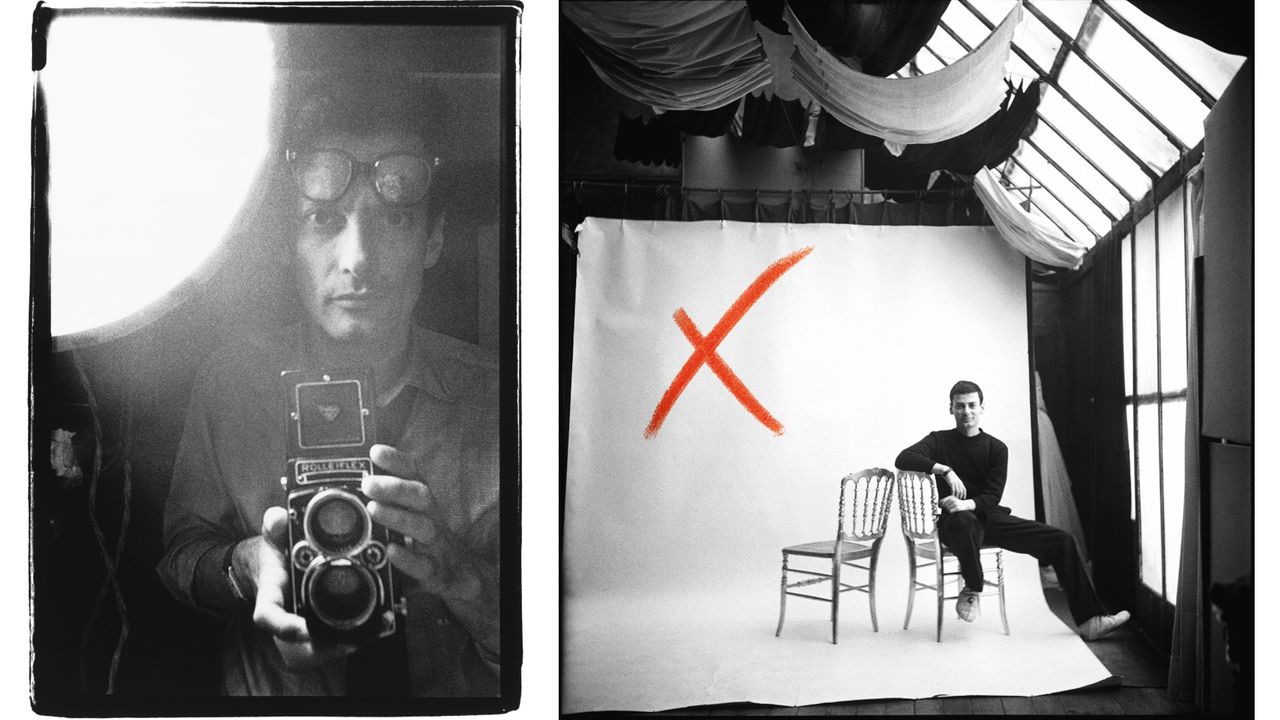
There's a line in Avedon, Ron Howard's new documentary movie about legendary New York photographer Richard Avedon (1923-2004), that really hits home for me. A former studio assistant recalls, matter-of-factly, that Avedon "wasn't technical".
For a man who defined the visual language of the 20th century, who shot decades of Vogue and Harper's Bazaar covers, who photographed Marilyn Monroe, Pablo Picasso and a teenage Lew Alcindor (aka basketball star Kareem Abdul-Jabbar), that's a remarkable thing to hear.
And it suggests that everything you think photography is about might be exactly the wrong thing to focus on.
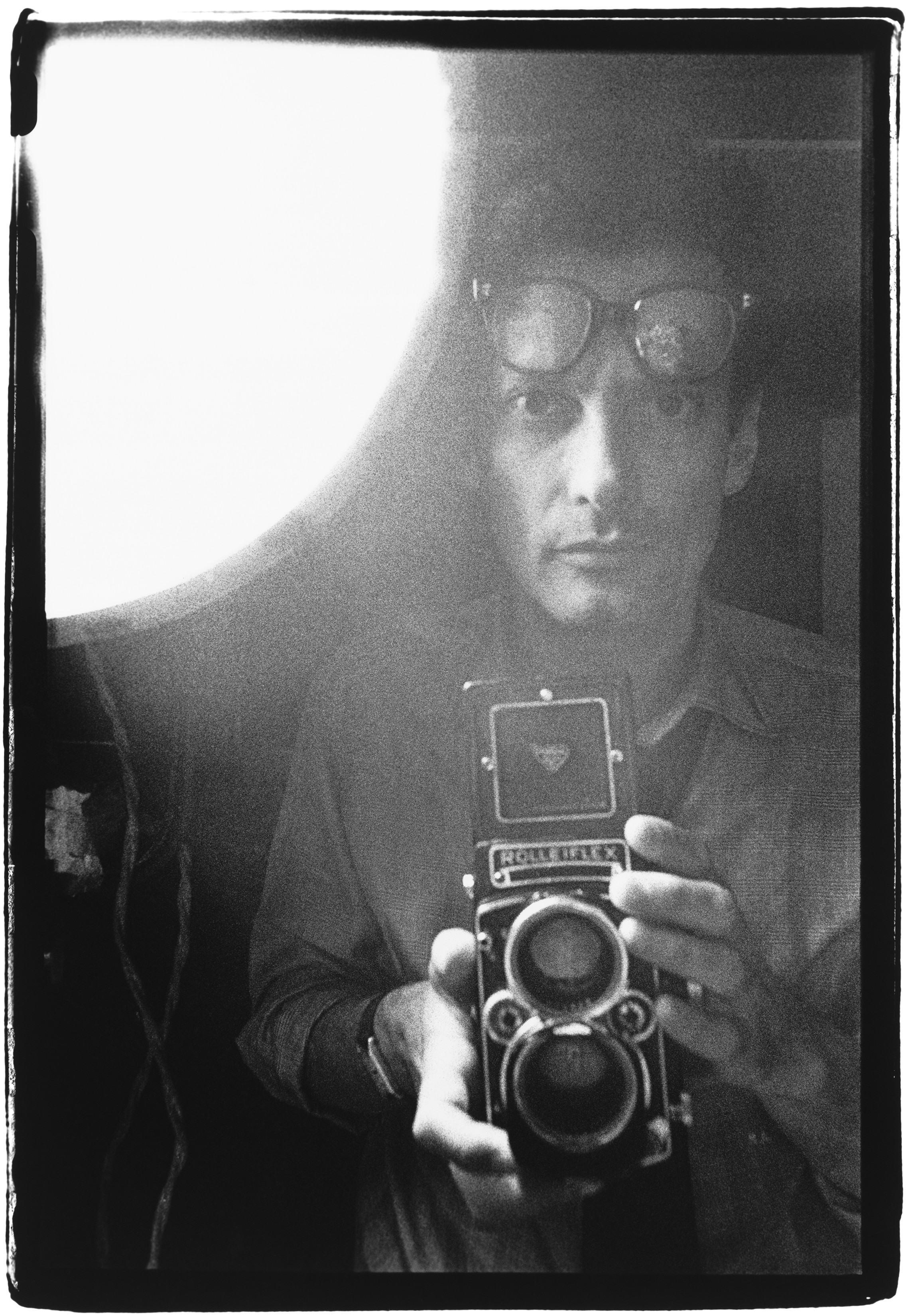
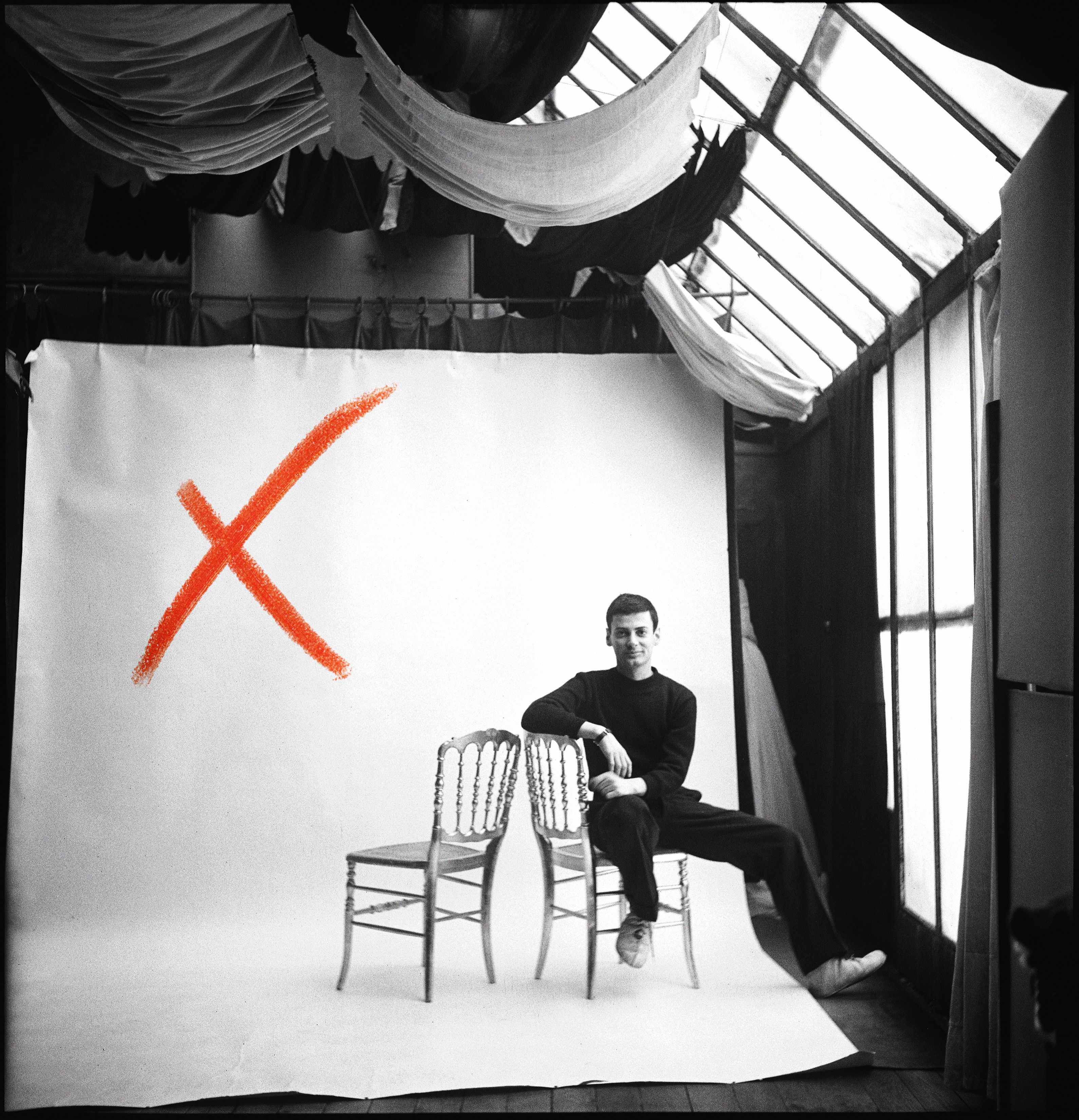
The film, which had its world premiere at Cannes this week and is made in collaboration with the Richard Avedon Foundation, runs for 104 minutes and covers a 60-year career with impressive breadth.
There are contact sheets, home movies, archival interviews and a roster of talking heads including Lauren Hutton, Isabella Rossellini, Twiggy and Calvin Klein.
For anyone who picks up a camera, though, the most interesting thing here will be the film's exploration of Avedon's method. His signature was a plain white background and nothing else: no props, no environmental context, no impediments between the photographer and the person in front of him.
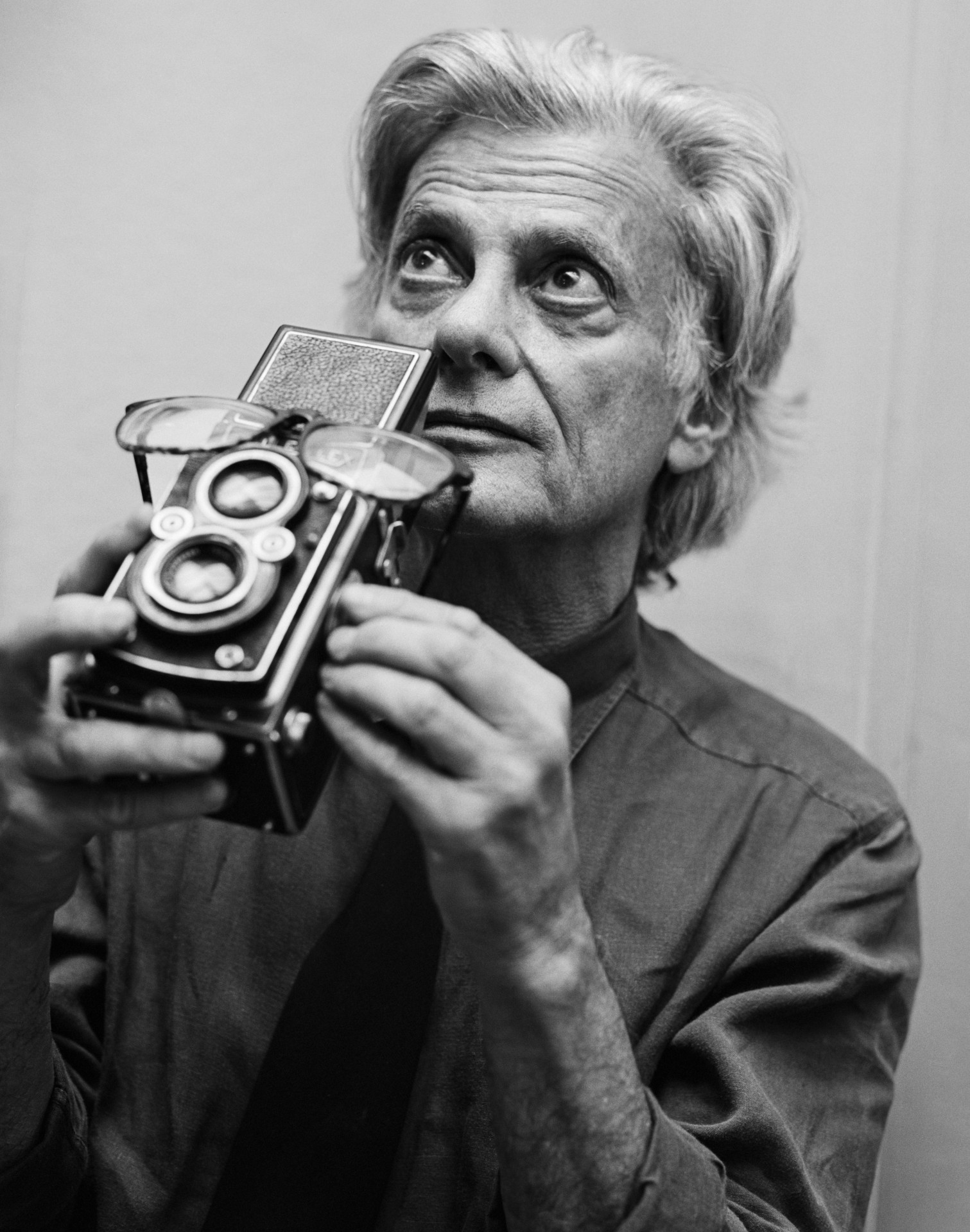
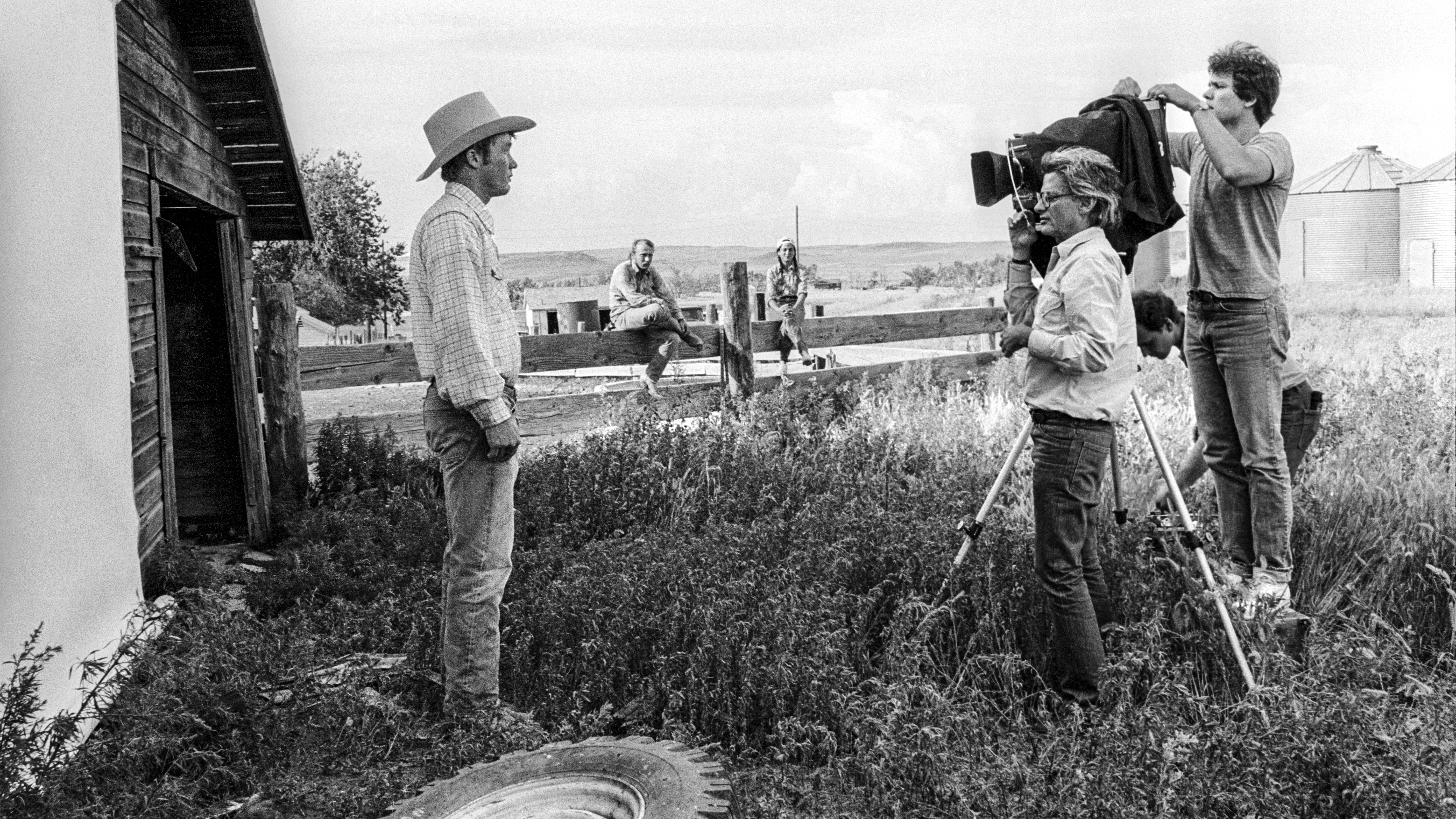
What filled that emptiness was rapport. Avedon charmed, cajoled, played and waited. He'd catch a weary, unguarded Marilyn Monroe when the sparkle had gone flat, or coax something brittle and anxious from the Duke and Duchess of Windsor rather than the regal composure they'd rehearsed.
A sitting with Wallis Simpson and Prince Edward became, in his hands, a study in barely suppressed misery. He got there not through technical brilliance but through the same skills that a good interviewer employs: patience, attention and a talent for making people forget they were being watched.
What the contact sheets reveal
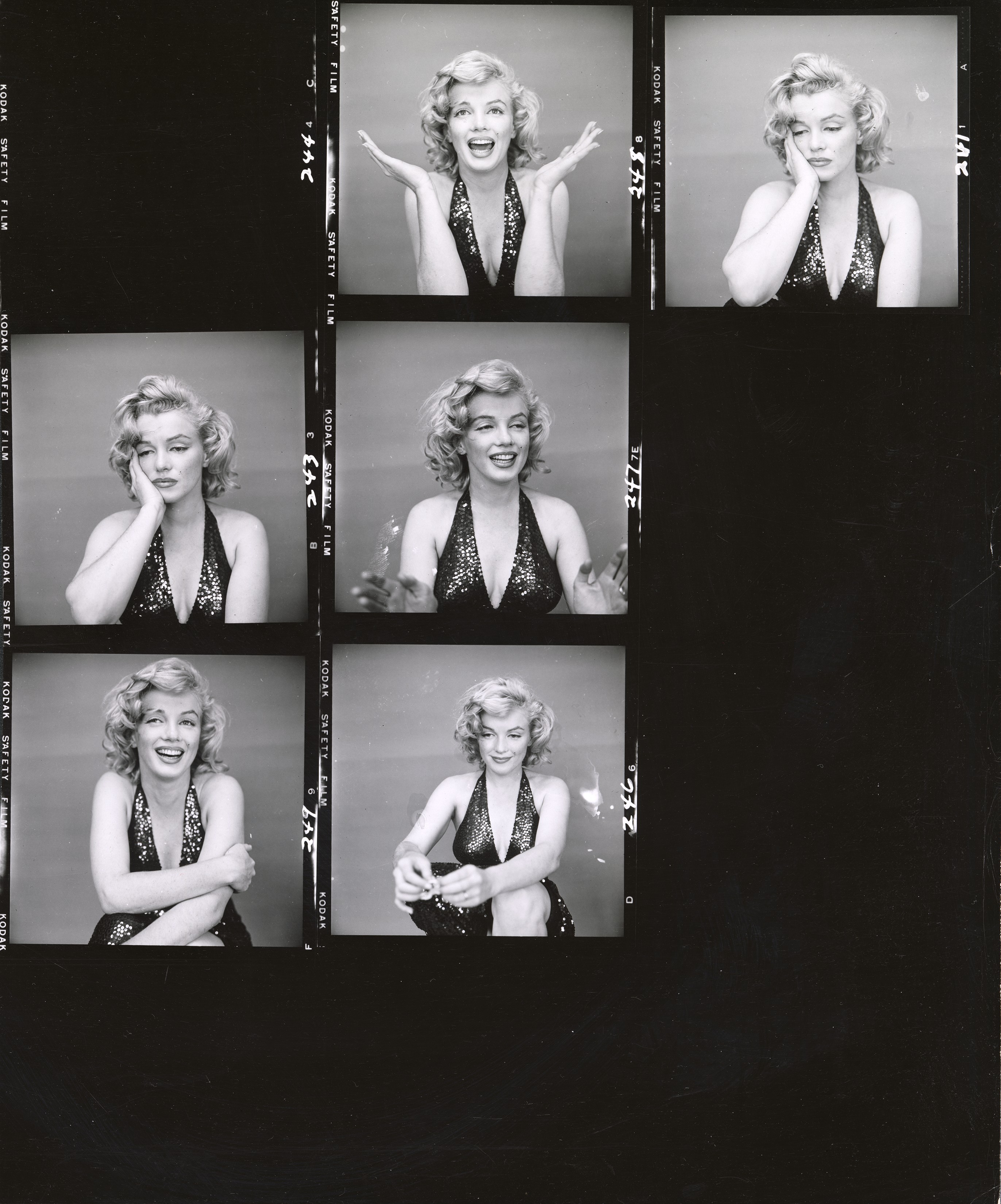
The press images for the film are worth studying in their own right. The Marilyn Monroe contact sheet from May 1957 shows a half-dozen frames, each subtly different: arms raised in delight, chin resting on a hand, arms folded, a glance away from camera.
The final selected image would have been one frame among dozens, perhaps hundreds. This is Avedon's real craft on display – not the technical act of exposure but the editorial intelligence of selection: knowing which millisecond tells the truth.
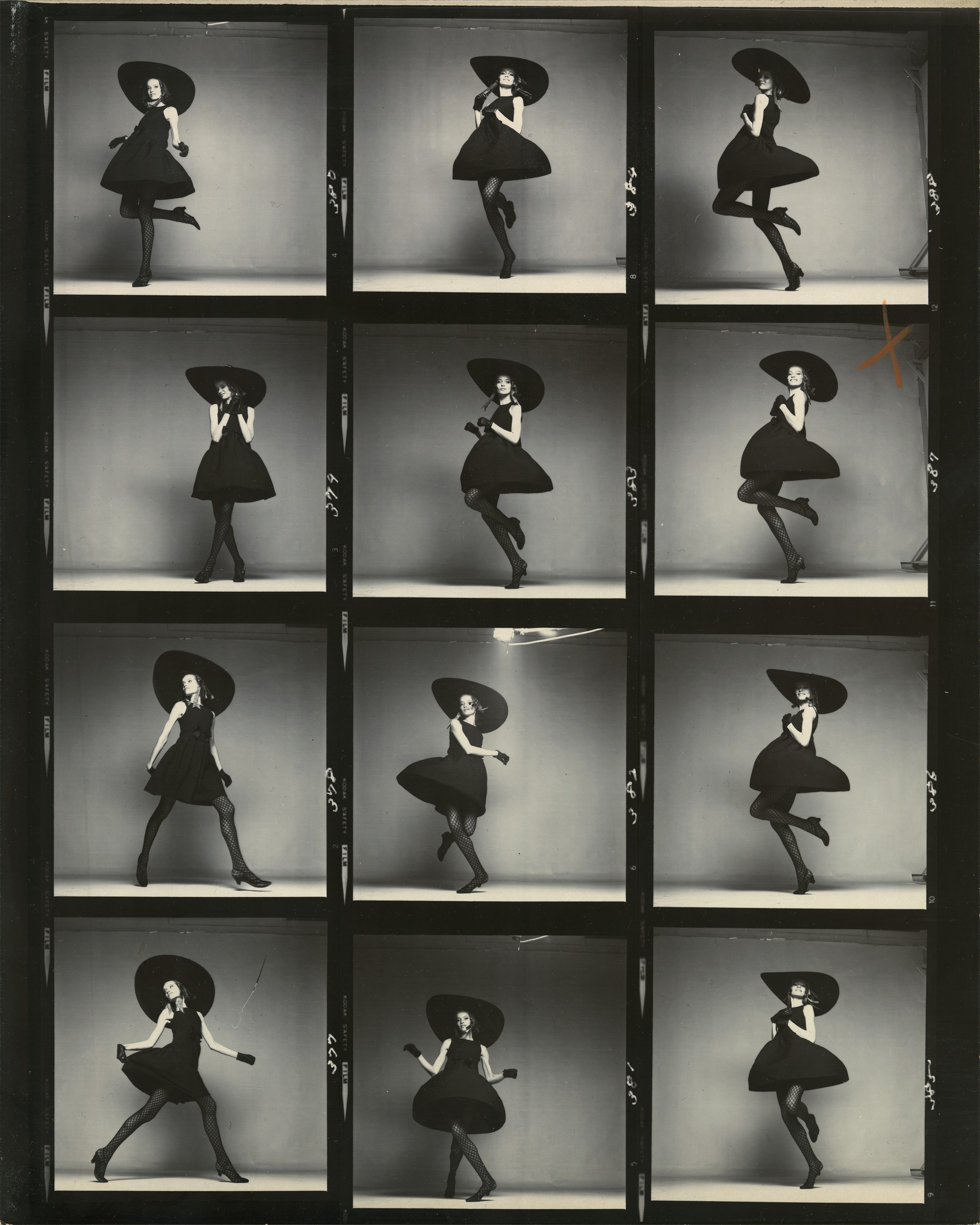
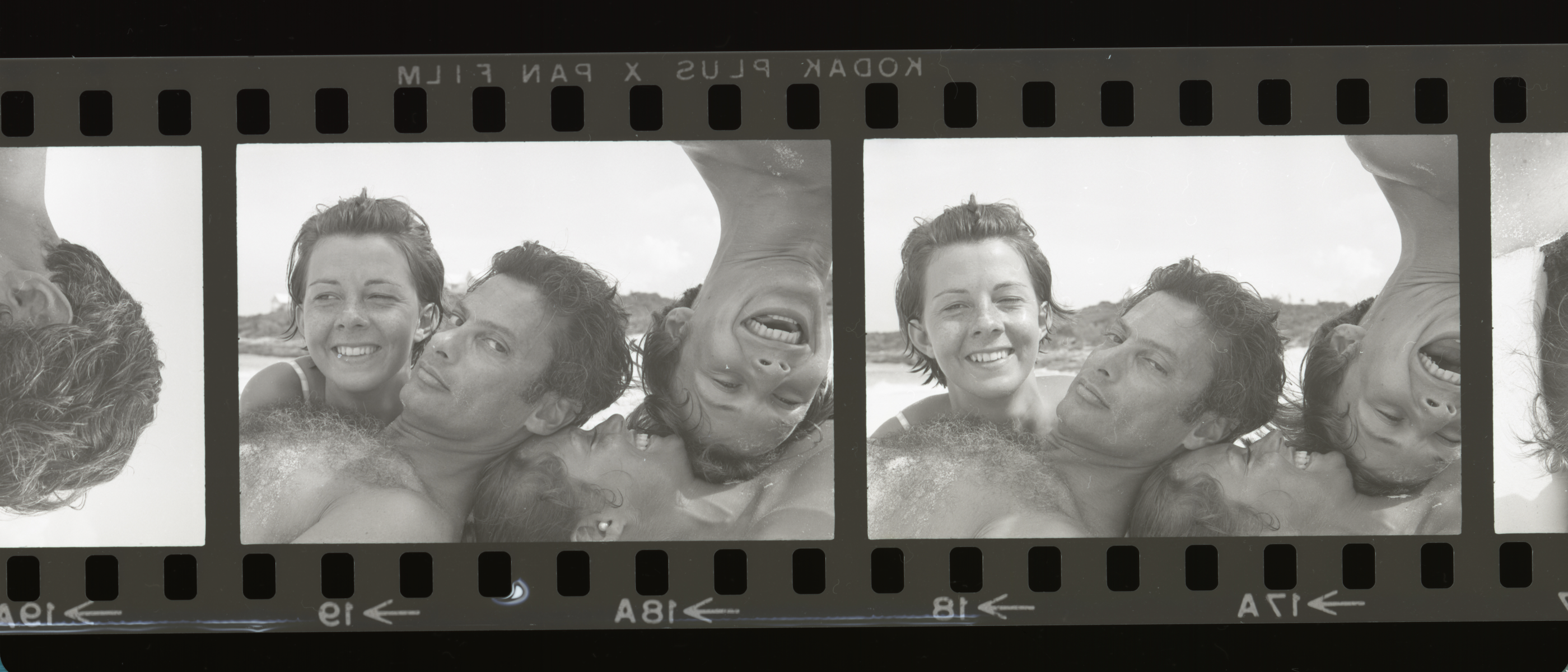
The contact sheet from 1967 of German model and actress Veruschka von Lehndorff makes the same point differently. Twelve frames of a model in a wide-brimmed hat, each one a variation on energy and movement. Avedon famously invited his subjects to dance and move while he shot, understanding that a static pose was a kind of lie.
Motion, Avedon believed, broke down performance and revealed character. That instinct is now so embedded in how photographers work that it's easy to forget someone had to pioneer it.
Why it's worth a watch
Ron Howard's film is a respectful and occasionally cautious portrait: made with the Foundation's co-operation, it skirts some of the more contested territory of Avedon's personal life. But what it does give us is a portrait of a photographer who was, at heart, a people person who happened to hold a camera.
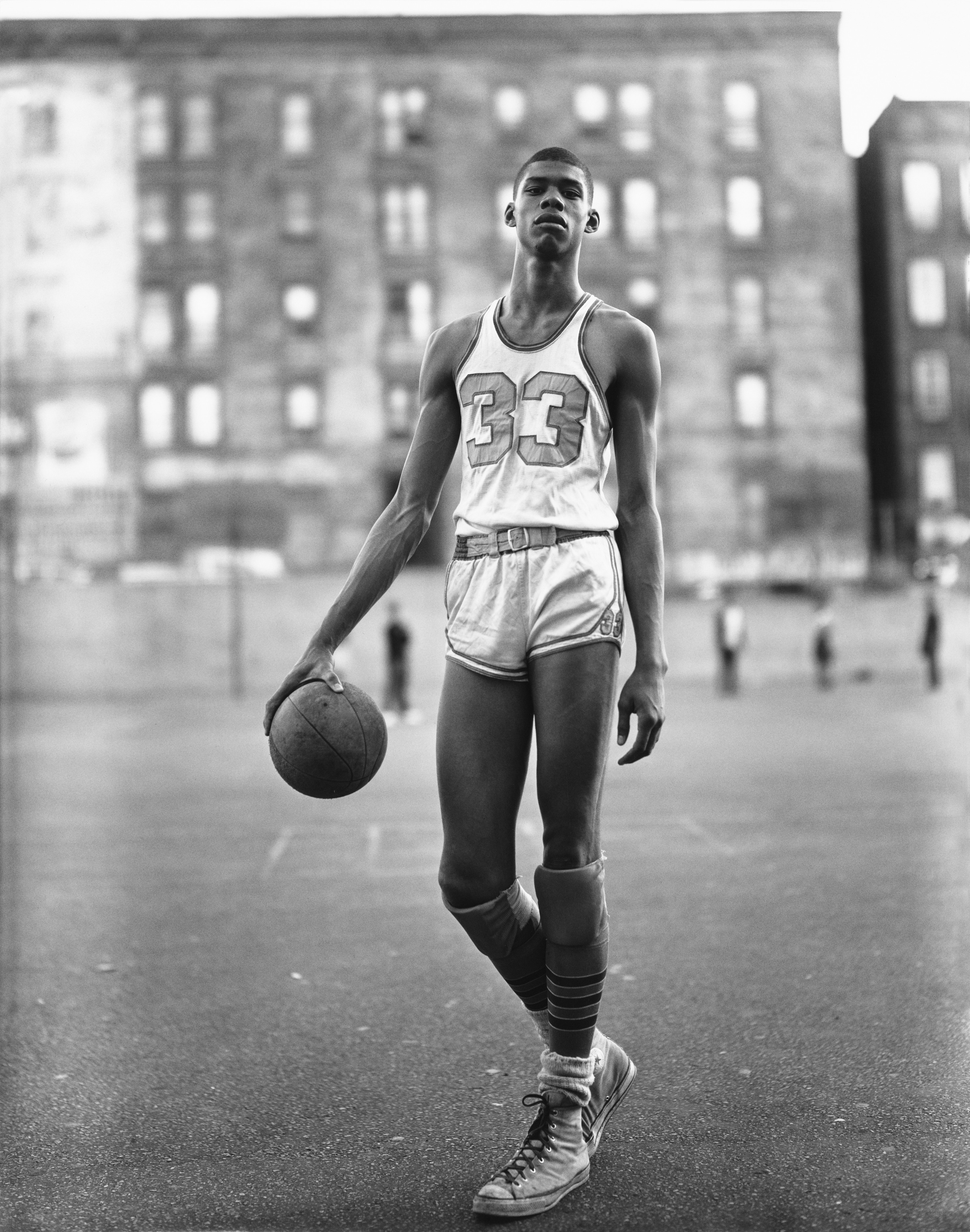
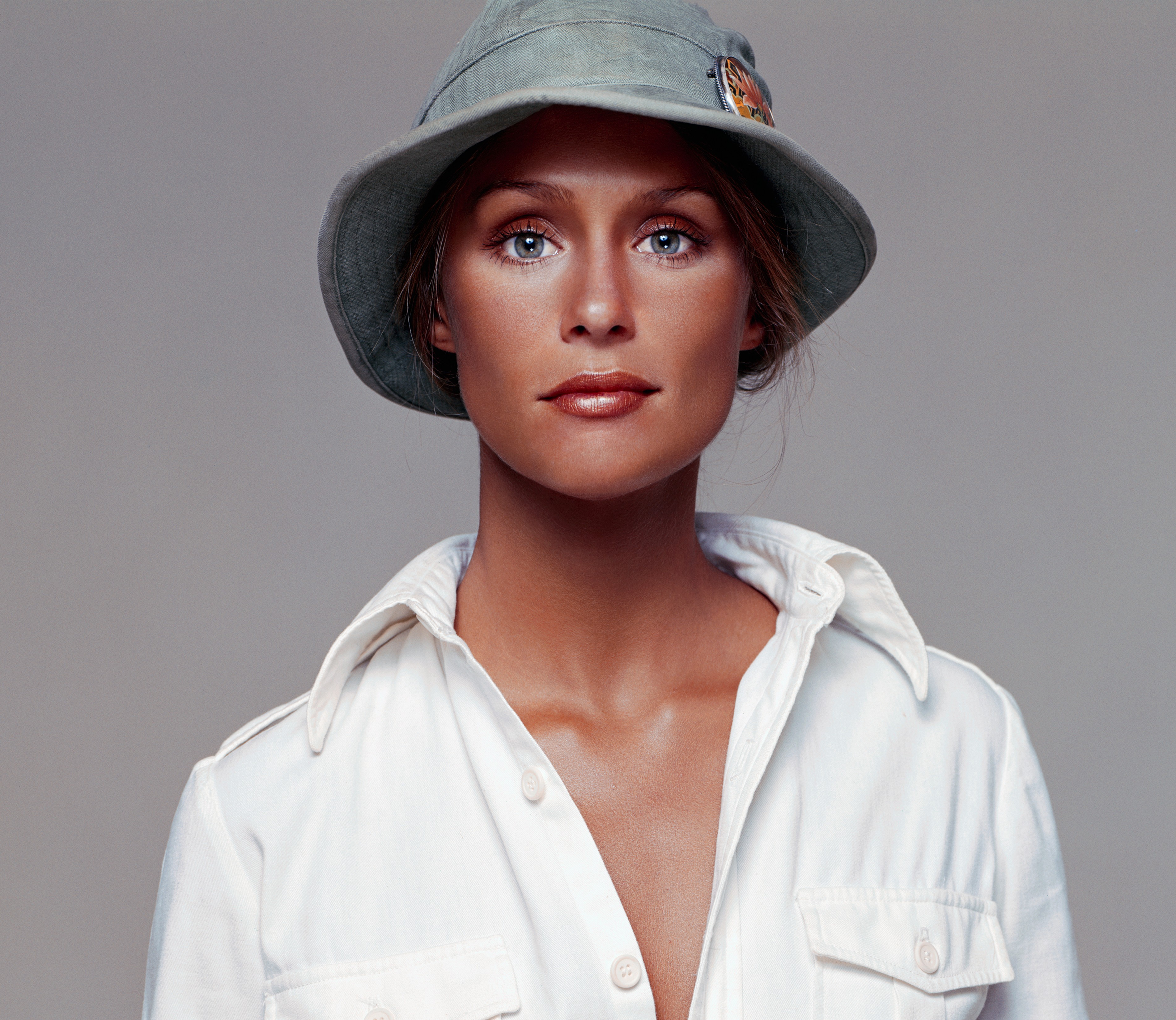
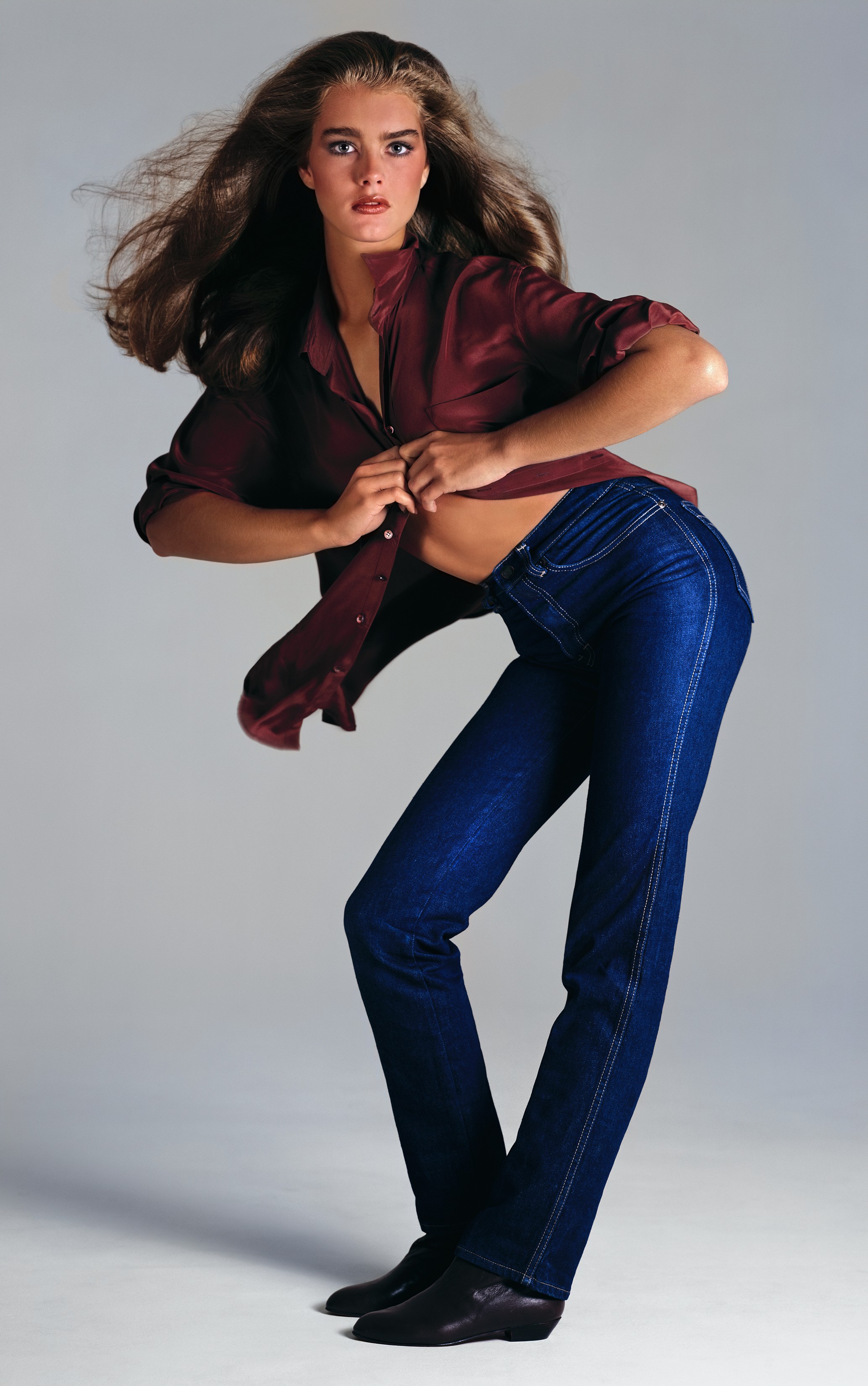
Avedon was sent to Paris in 1947, barely out of his teens, and photographed a new Dior collection. The swirling hems of post-war haute couture were, in his framing, an act of defiance: Europe insisting on beauty after devastation.
That political instinct ran through everything he did, from his Civil Rights-era portraiture to his large-format panoramas of American military brass exhibited alongside images of Vietnamese napalm victims.
The gear didn't do any of that. The eye did, and behind the eye, the relationship. Avedon is screening now at Cannes and seeking US distribution. It's worth catching whenever it lands.
You might also like…
See where Richard Avedon ranks among the 50 best photographers ever. To follow in his footsteps, take a look at the best cameras for portraits and the best portrait lenses.