Rob Reiner, the son of a comedy giant who went on to become of the preeminent filmmakers of his generation with movies such as The Princess Bride, When Harry Met Sally and This Is Spinal Tap, has died. He was 78.
Reiner and his wife, Michele Singer, were found dead Sunday at their home in the Brentwood neighbourhood of Los Angeles.
Authorities are investigating their deaths as a suspected apparent homicide, said Capt. Mike Bland with the Los Angeles Police Department.
“It is with profound sorrow that we announce the tragic passing of Michele and Rob Reiner,” a family spokesperson said in a statement Sunday. “We are heartbroken by this sudden loss, and we ask for privacy during this unbelievably difficult time.”
.jpeg)
Reiner, a titan of American entertainment, excelled both in front of and behind the camera, often grappling with his father Carl Reiner's formidable legacy.
Despite early anxieties about his famous parent's shadow, Reiner carved out a distinctive career, moving from broad sketch comedy to accomplished dramedies, leaving an indelible mark.
Reiner candidly recalled his father's concern: “My father thought, ‘Oh, my God, this poor kid is worried about being in the shadow of a famous father,’” he told 60 Minutes in October. “And he says, ‘What do you want to change your name to?’ And I said, ‘Carl.’ I just wanted to be like him.”
His career began as a writer for The Smothers Brothers Comedy Hour, but his role at 23 as Michael "Meathead" Stivic, Archie Bunker’s liberal son-in-law in Norman Lear’s All in the Family, brought him widespread recognition.
By the 1980s, Reiner transitioned to feature film directing, creating beloved films. His debut, the improvised 1984 cult classic This Is Spinal Tap, remains the definitive mockumentary. Following 1985’s The Sure Thing, Reiner delivered a four-year run with Stand By Me (1986), The Princess Bride (1987), and When Harry Met Sally (1989), cementing his status with American classics, frequently quoted.
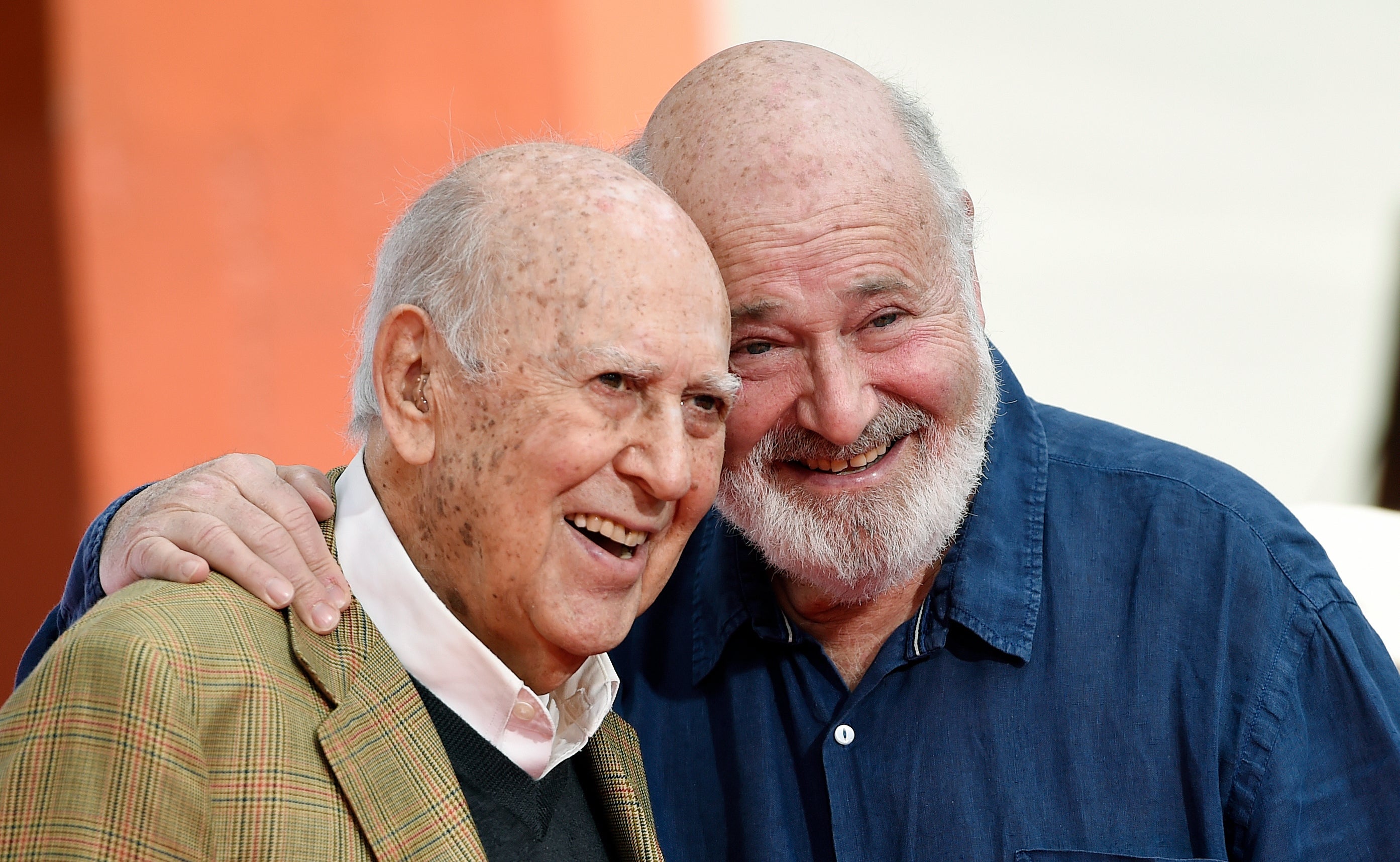
For four decades, Reiner remained a constant Hollywood presence, known for his warm on-screen persona and outspoken liberal advocacy. His co-founded Castle Rock Entertainment produced hits including Seinfeld and The Shawshank Redemption. Though its success waned, Reiner revitalised it, with Castle Rock releasing the sequel Spinal Tap II: The End Continues this autumn.
Throughout his career, Reiner was a fervent Democrat activist, hosting fundraisers and campaigning for progressive causes. He co-founded the American Foundation for Equal Rights, which challenged California’s ban on same-sex marriage, Proposition 8.
He also chaired the campaign for Prop 10, funding early childhood development services through a tobacco tax. Reiner was also a critic of President Donald Trump. This activism ran deep in his family; his father opposed McCarthyism, his mother, Estelle Reiner, protested the Vietnam War.
Addressing his privileged start, Reiner told the Guardian in 2024: “If you’re a nepo baby, doors will open. But you have to deliver. If you don’t deliver, the door will close just as fast as it opened.”
Born in the Bronx on 6 March 1947, Robert Reiner quickly pursued entertainment, studying at UCLA film school and appearing in minor television roles in the 1960s.
Norman Lear’s decision to cast Reiner in All in the Family initially surprised his father. “Norman says to my dad, ‘You know, this kid is really funny.’ And I think my dad said, ‘What? That kid? That kid? He’s sullen. He sits quiet. He doesn’t, you know, he’s not funny.’ He didn’t think I was anyway,” Reiner recounted to 60 Minutes.
On All in the Family, Reiner served as a crucial counterpoint to Carroll O’Connor’s bigoted Archie Bunker, earning five Emmy nominations and winning in 1974 and 1978. He found a mentor in Lear, whom he called "a second father."
Reiner told American Masters in 2005: "It wasn’t just that he hired me for All in the Family. I saw, in how he conducted his life, room to be an activist. Use your celebrity, good fortune, to help make change."
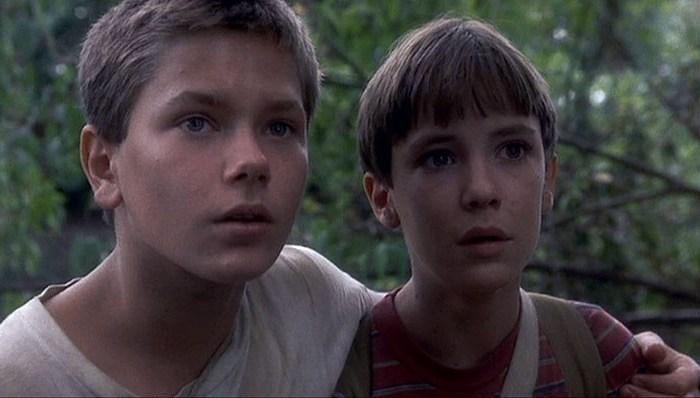
Lear also played a pivotal role in launching Reiner’s directing career, investing $7.5m to finance Stand By Me, his adaptation of Stephen King’s novella The Body. The film, depicting four boys searching for a missing boy’s body, became a coming-of-age classic, propelled its young cast (notably River Phoenix) to fame, and garnering King’s praise.
With his reputation growing, Reiner adapted William Goldman’s 1973 novel The Princess Bride, a book his father had gifted him. Despite interest from figures like Francois Truffaut and Robert Redford, Reiner directed the film from Goldman’s own script, only after securing the author’s blessing.
“At the door he greeted me and he said, ‘This is my baby. I want this on my tombstone. This is my favourite thing I've ever written in my life. What are you going to do with it?'” Reiner recalled. “And we sat down with him and started going through what I thought should be done with the film.”
Though initially a modest box office success, the film – starring Cary Elwes, Mandy Patinkin, Wallace Shawn, André the Giant, and Robin Wright – gained stature, spawning countless memorable lines and becoming a cultural touchstone.
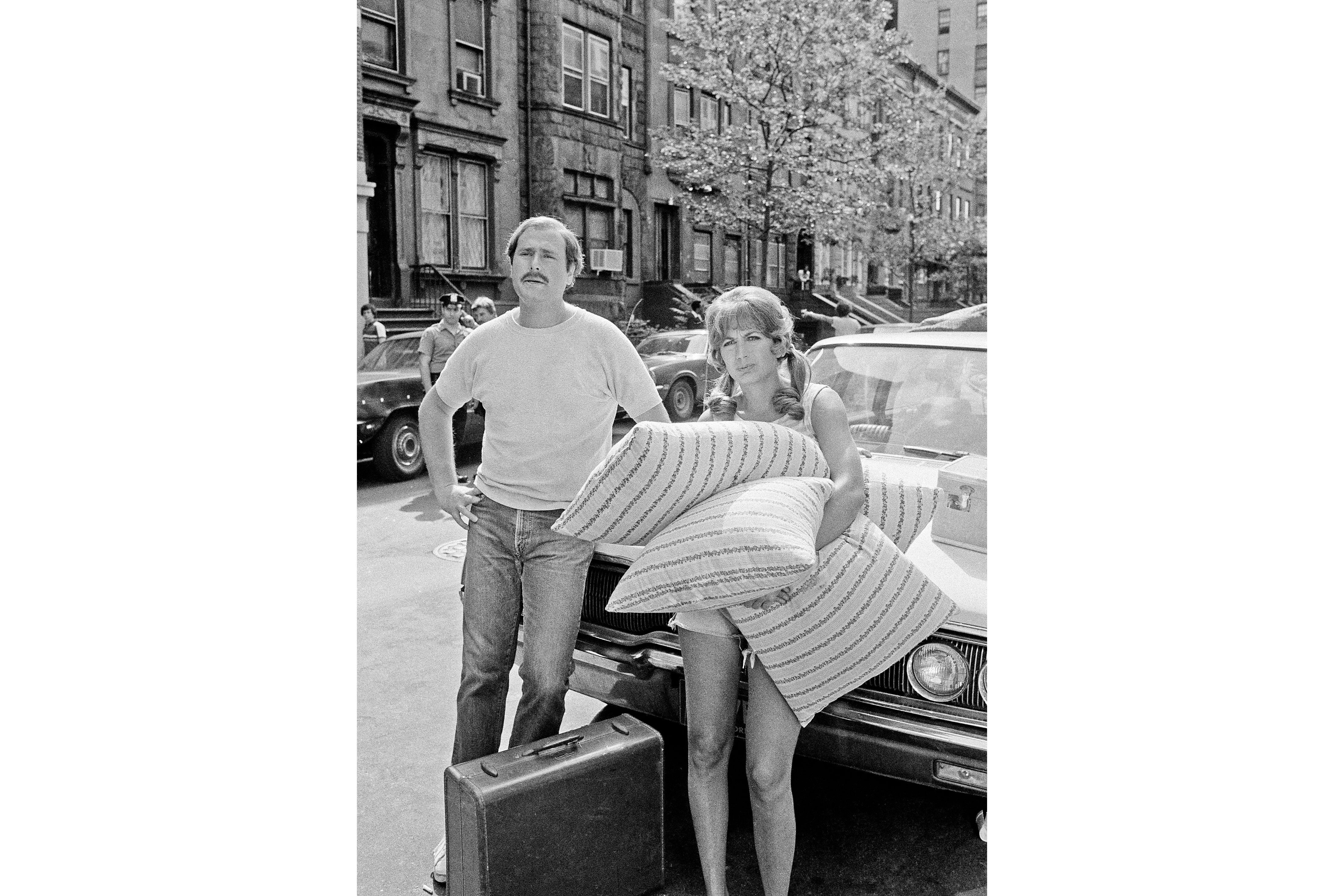
Reiner was married to actor and filmmaker Penny Marshall for a decade from 1971; like him, she achieved sitcom fame with Laverne & Shirley before establishing a lasting legacy behind camera.
The enduring romantic comedy When Harry Met Sally…, a genre-defining film, originated personally for director Rob Reiner. Following his divorce, Reiner conceived the idea for a dating comedy during a lunch with screenwriter Nora Ephron, charting a relationship over 12 years.
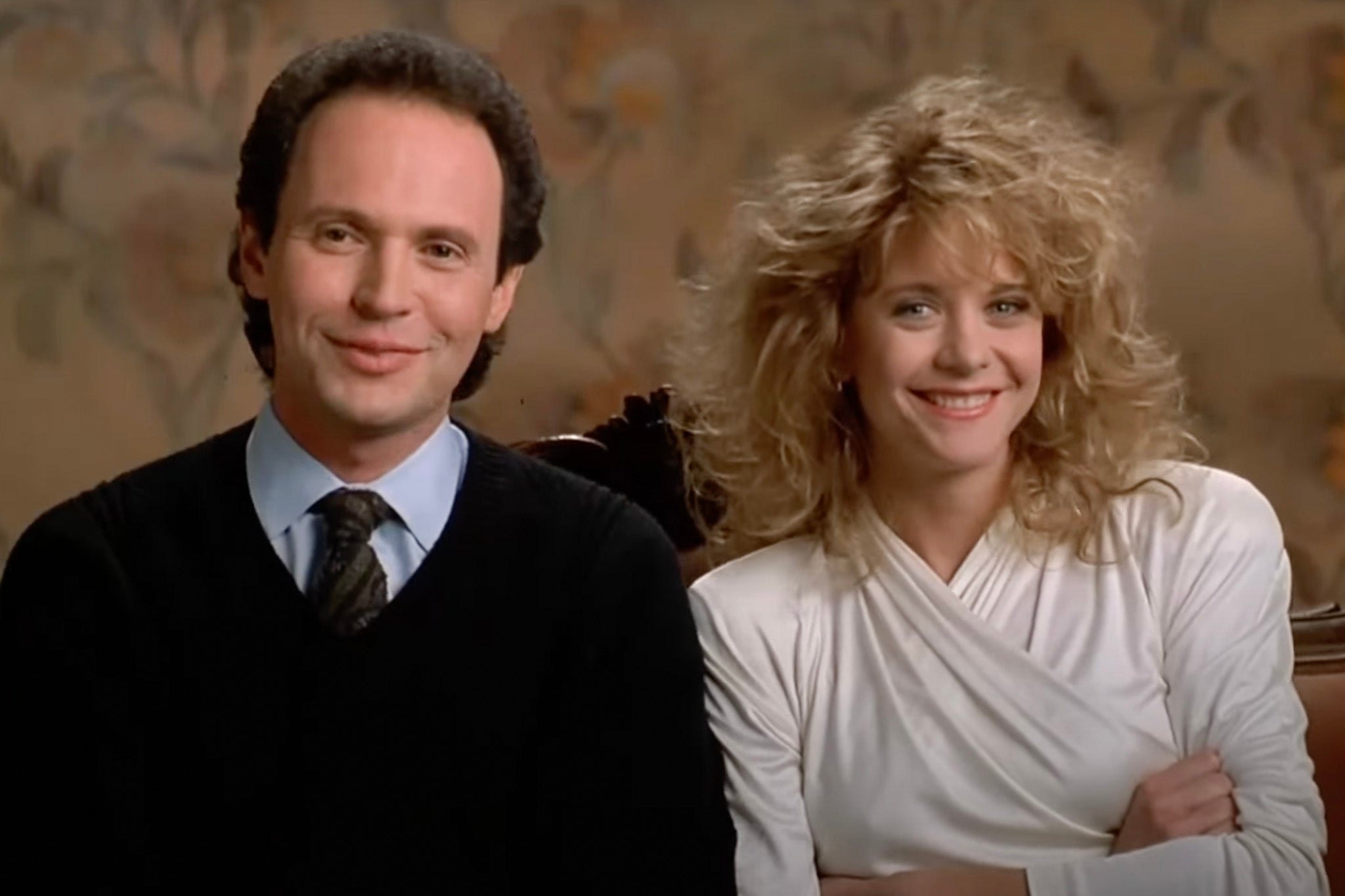
The film, starring Billy Crystal and Meg Ryan, saw its narrative evolve, including the iconic line, “I’ll have what she’s having,” suggested by Crystal and delivered by Reiner’s mother, Estelle.
Its happy ending also mirrored Reiner’s life; he met and married photographer Michele Singer in 1989, having three children: Nick, Jake, and Romy.
Reiner’s directorial prowess extended to Stephen King’s Misery (1990) and Aaron Sorkin dramas A Few Good Men (1992) and The American President (1995).
While later directorial efforts like Ghosts of Mississippi (1996) and The Bucket List (2007) saw less success, he remained a frequent actor in films like Sleepless in Seattle (1993) and The Wolf of Wall Street (2013). He recently directed the 2023 documentary Albert Brooks: Defending My Life.
Reflecting on his career, Reiner told Seth Rogen: |All I’ve ever done is say, ‘Is this something that is an extension of me? For Stand by Me, I didn’t know if it was going to be successful or not. All I thought was, ‘I like this because I know what it feels like.’”
Barack Obama and James Woods lead tributes to Rob Reiner after director found dead
Rob Reiner reveals how wife changed When Harry Met Sally ending
Rob Reiner made many of us fall in love with movies
‘I didn’t have double eyelids’: Why Korean actors are turning to Hollywood
Ella McCay becomes one of Disney’s worst box office flops in history