With memory prices surging and new gadgets becoming more expensive, the smartest smartphone buy in Thailand in 2026 may not be the newest flagship but last year’s premium model — still fast and polished and far less likely to make your credit card need a lie-down.
The timing could hardly be better. As the global economy remains uneven and smartphone makers face higher component costs, many buyers are thinking more carefully before upgrading. Counterpoint warns that rising memory costs are expected to lift smartphone retail prices in 2026, and CNBC reported that average smartphone prices could rise as memory-chip shortages hit production costs.
For expats in Thailand, that makes last year’s flagship a tempting choice. These phones remain powerful enough for mobile banking, LINE chats, Grab taxi bookings, Google Maps, food-delivery applications, night-market photography and the occasional emergency scan of a passport page. Crucially, they can often do all this without demanding the financial commitment of a small second-hand scooter.
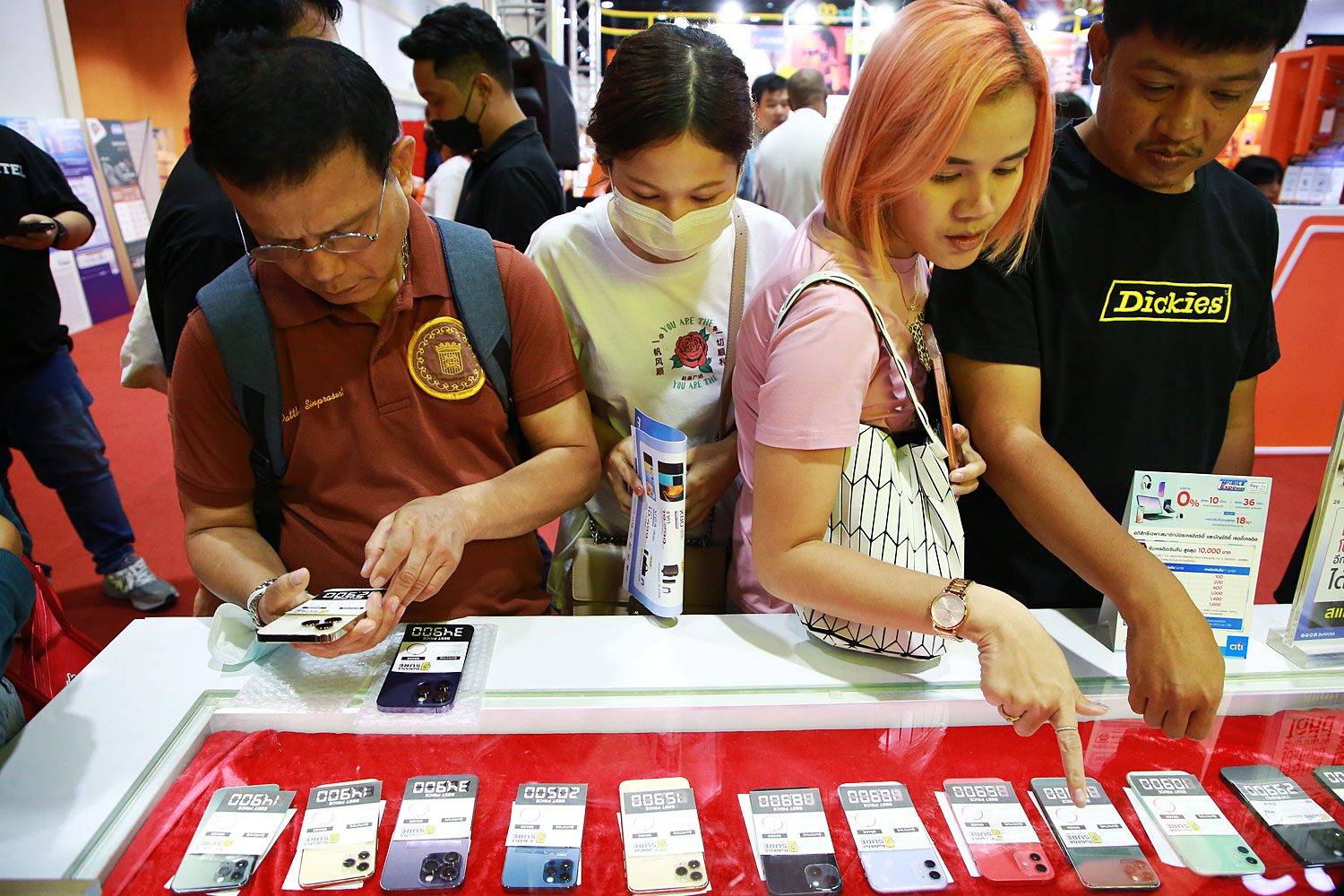
Thailand remains one of Southeast Asia’s stronger premium smartphone markets, with Samsung and Apple holding firm positions while OPPO, Xiaomi and vivo keep the competition lively. Samsung led Thailand’s smartphone market in Q1 2026 with a 26% share, while Xiaomi and Apple each held 15%, according to TelecomLead. Popular brands matter because they usually mean more cases, easier repairs and fewer awkward moments at service counters.
The broader premium-phone race has also shifted. At the top end, brands no longer compete only on raw speed. Buyers now look closely at displays, camera systems, battery life, charging speed and software-update promises. That shift makes last year’s top models more attractive, because many already have more power than most users will need.
A smartphone in Thailand is no longer just a camera and chat machine. It is a wallet, translator, map, immigration-document scanner, food-ordering device and lifeline to family overseas. If last year’s flagship continues to receive software updates, it can be a safer and more practical choice than a cheaper new mid-range phone with weaker cameras, slower storage or uncertain support.
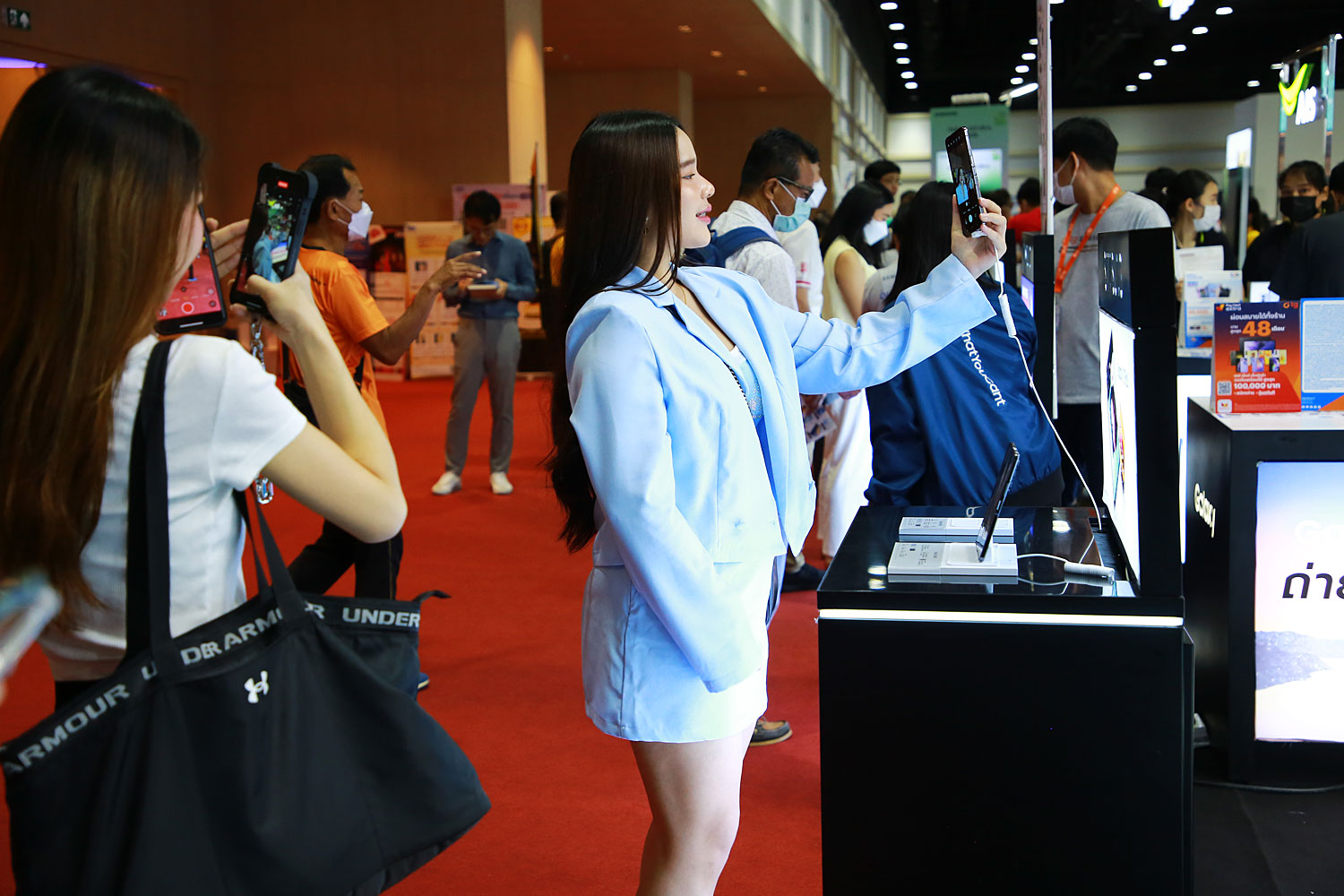
For Android users, Samsung’s previous Galaxy S-series models deserve particular attention. The brand’s scale in Thailand brings practical advantages: accessories, familiar service at Samsung shops in major malls and strong retailer visibility. Older S-series models usually offer bright displays, capable cameras, mature software and a familiar Android experience, while becoming more affordable once the latest generation arrives.
Xiaomi is also worth watching for value-driven buyers. The brand held a 15% market share in Thailand in Q1 2026, helped by aggressive pricing, fast charging, large batteries and gaming-focused features. For expats who care less about prestige and more about specifications per baht, Xiaomi’s previous flagships can be highly persuasive.
Last year’s vivo phones are worth a look for expats who want photos that look pleasing straight from the camera — useful for social media, travel shots and Bangkok’s mix of bright sun, neon signs and low-lit restaurants. vivo has long leaned into camera-centric smartphones in Thailand, with stylish designs aimed partly at younger, mobile-first users; its higher-end models are praised for strong camera systems and excellent daylight photo quality. In plain English, vivo often makes people, food and city scenes look polished without much editing — handy if your idea of post-production is tapping ‘send’ before the som tam (spicy papaya salad) arrives.
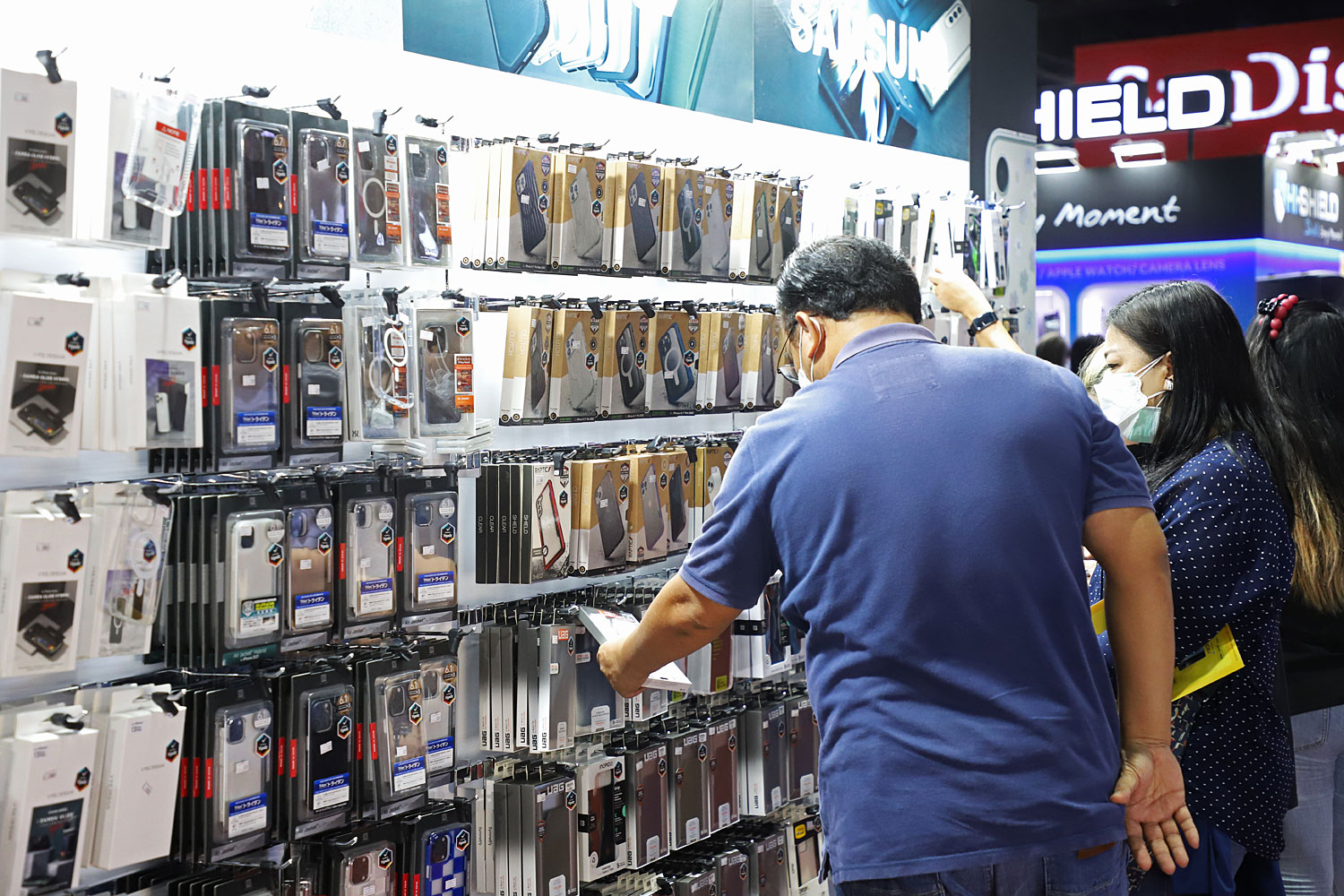
For iPhone users, older premium models remain attractive because Apple’s ecosystem, camera quality and resale value continue to carry weight in Thailand. Many buyers are not just buying a phone. They are staying inside a familiar world of iCloud, AirPods, MacBooks and Apple Watch. For an expat, that can mean fewer surprises and a much lower risk of spending Sunday afternoon arguing with a settings menu.
Generally: buy locally if warranty matters, check NBTC certification, confirm compatibility with AIS (Advanced Info Service), True and dtac and be cautious of suspiciously cheap parallel imports. Buying from reputable local shops can offer better after-sales support and carrier integration, even if prices are sometimes higher than street-market options.