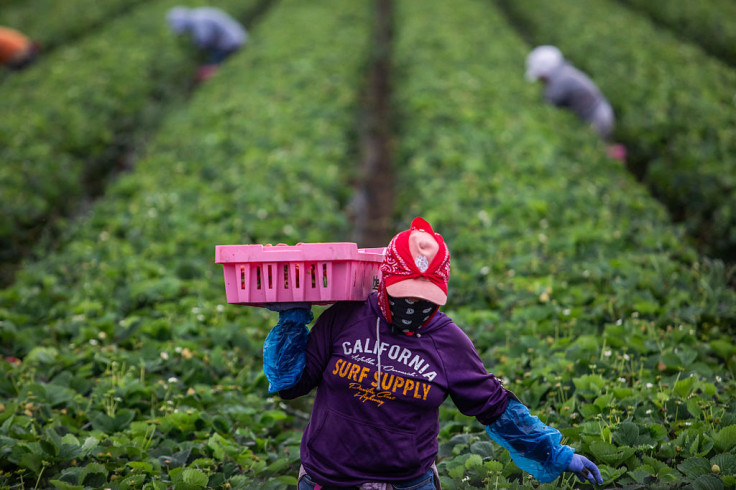
US farmers are facing growing financial pressure as higher fuel and fertilizer costs tied to the conflict in the Middle East add to the strain created by rising borrowing costs, weaker crop exports and persistent inflation, as a new report from The Wall Street Journal has revealed.
Bank lenders across the Midwest say the effects are increasingly visible in agricultural loans. An index measuring farm-loan repayment rates fell in the first quarter from a year earlier, according to the Federal Reserve Bank of Chicago, marking the 10th consecutive quarterly decline. Demand for farm loans also rose for a 10th straight quarter as farmers sought financing to manage higher operating expenses.
"We're watching our clients very, very closely," Mike McKay, head of agriculture-business lending at KeyBank, told The Wall Street Journal. "There's a lot of dynamics out there that could change tomorrow."
The latest pressures stem largely from rising diesel and fertilizer prices following disruptions linked to the war with Iran and continued instability around the Strait of Hormuz, a major global oil transit route. Higher diesel prices increase costs tied to planting, harvesting and transporting crops.
Some farmers have responded by reducing fertilizer use, planting fewer seeds or switching to crops requiring lower input costs. Jeff Bailey, chief executive of Bank of Eastern Oregon, said customers were delaying land purchases and equipment investments.
"They're being more cautious," Bailey said. "They're going to ride this out, but they know it's going to be a little tougher."
Regional lenders are beginning to report signs of stress. Illinois-based First Mid Bank & Trust said more agricultural borrowers had fallen behind on payments in the first quarter, while Farmland Partners said it increased reserves for potential loan losses by about $1.8 million.
The broader economic backdrop has also worsened. A Gallup poll released Friday found only 16% of Americans rated the U.S. economy as "good" or "excellent," while 76% said conditions were getting worse. The survey showed economic confidence at its lowest level since 2022, with inflation accelerated by rising energy prices.
Consumer prices rose in March and April as fuel costs climbed after Iran restricted shipping through the Strait of Hormuz. CNN reported last week that inflation has now outpaced wage growth for the first time since 2023, effectively erasing recent pay gains for many Americans.
Despite growing pressure, economists note the broader U.S. economy has remained relatively resilient, with job growth continuing and retail spending still increasing modestly.