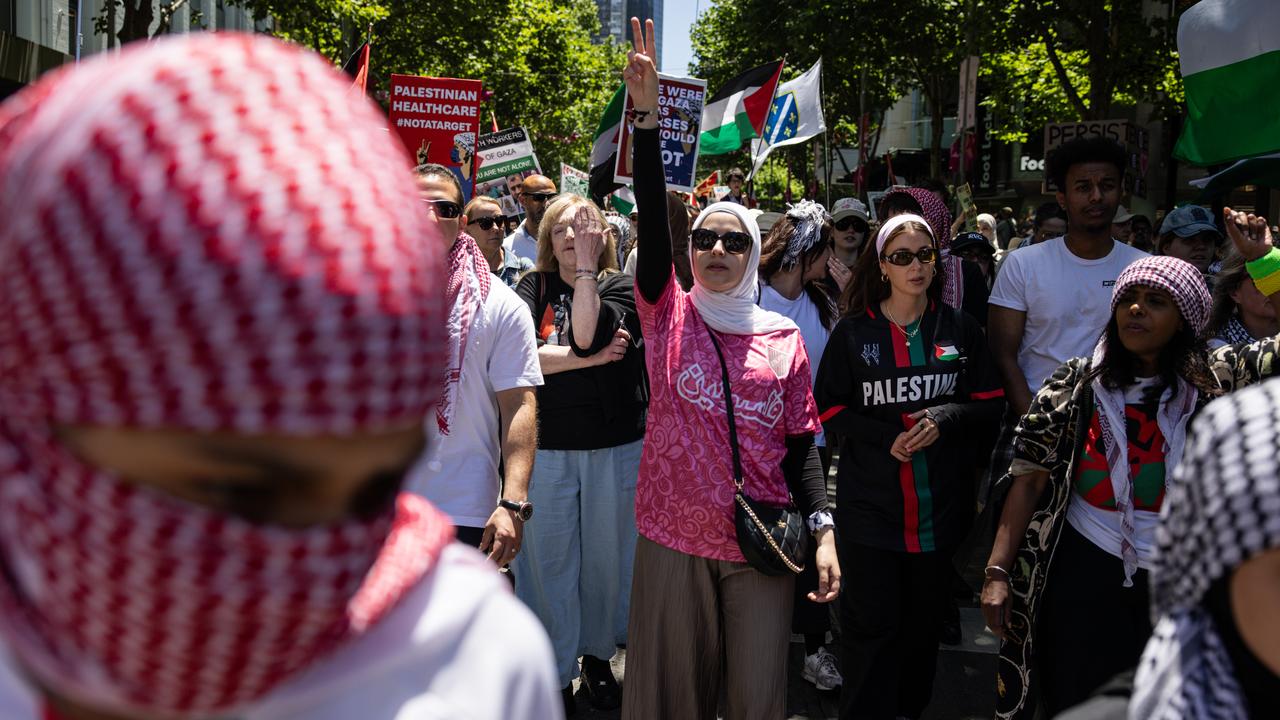
Australians would be banned from chanting "globalise the intifada" as police are given greater powers to demand protesters remove face coverings following the mass shooting at Bondi.
Anyone who publicly displays the ISIS flag or symbols from other terrorist groups will also face up to two years in prison, a $22,000 fine for individuals or a $110,00 fine for organisations, under proposed NSW laws.
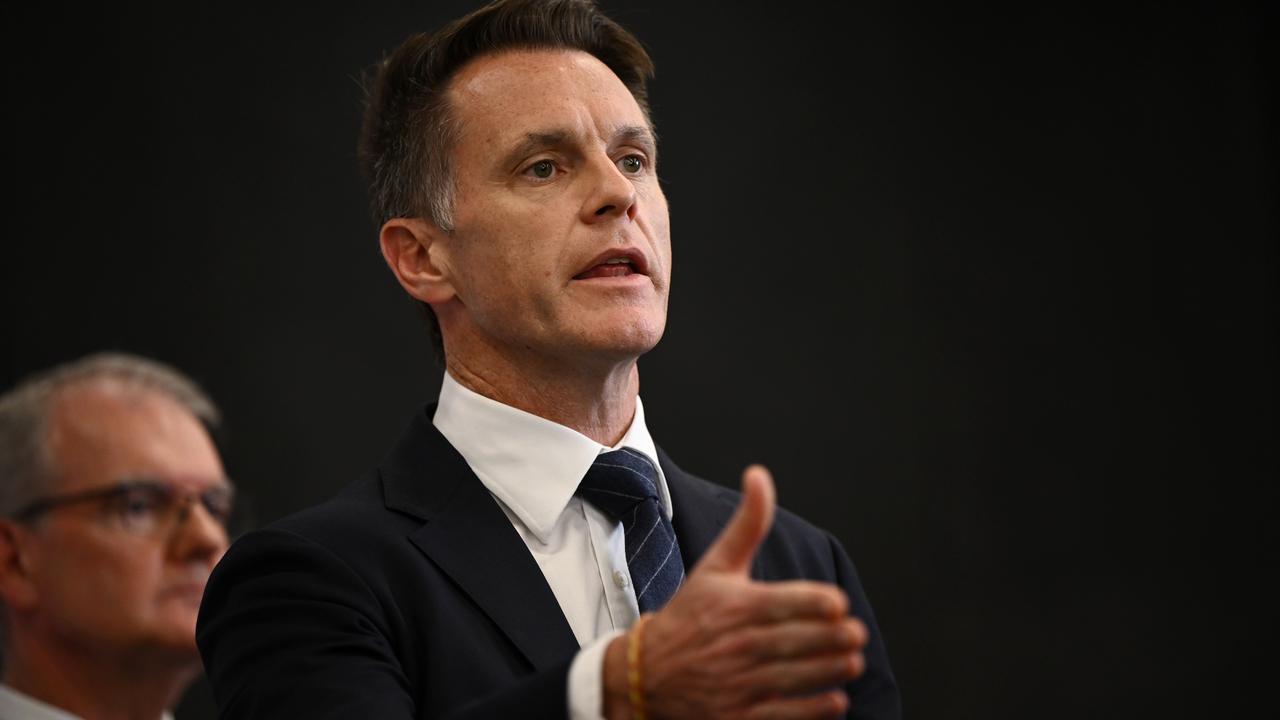
Premier Chris Minns on Saturday begged political colleagues to help pass the legislation in the wake of Sundays' Bondi Beach terror attack, which killed 15 civilians.
"Hate speech or incitement of hatred has no place in our society," he said.
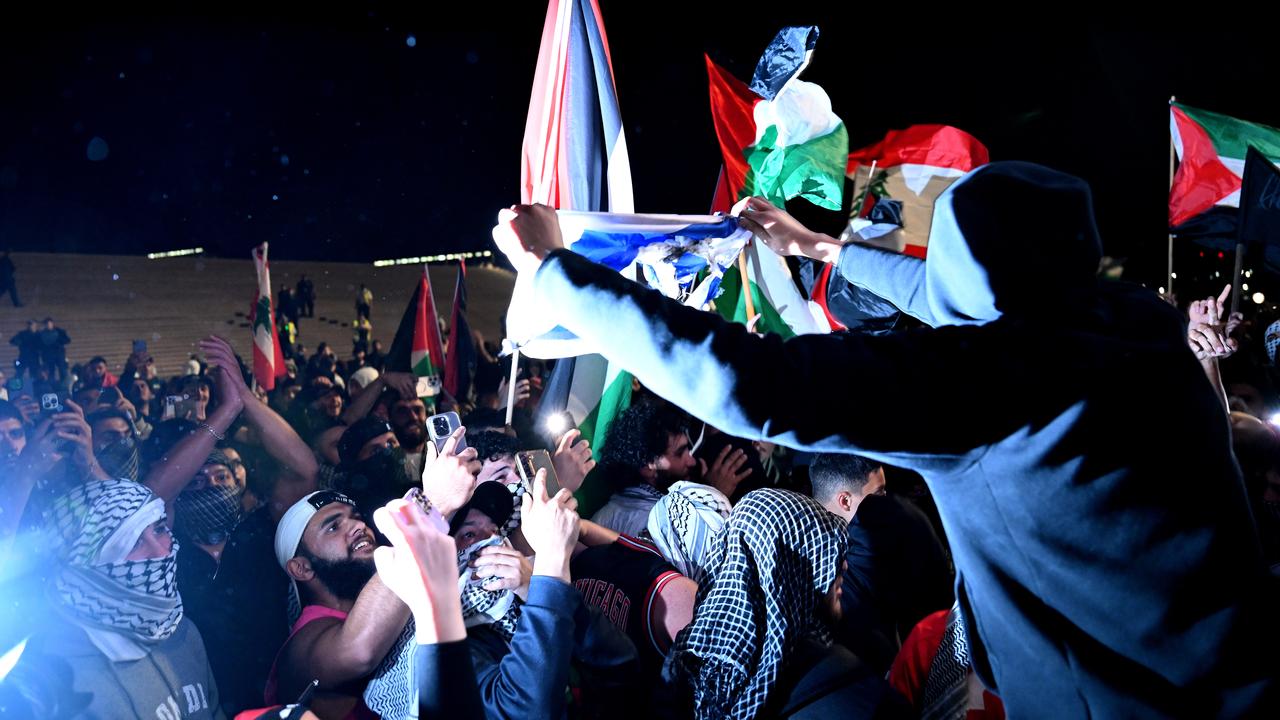
The "globalise the intifada" chant has historically been used as a call for increased pressure on Israel to prioritise human rights, according to Encyclopedia Britannica, with "intifada" referring to uprisings in Gaza and the West Bank during the early 90s and 2000s.
The chant has become more popular as Israel's military ramped up its bombing and starvation of the Palestinian population.
But some have claimed it encourages anti-Semitism and the NSW proposal follows in the footsteps of UK authorities, who announced on Wednesday they would arrest anyone chanting the words or holding a placard that read "globalise the intifada".
"Horrific, recent events have shown that the chant "globalise the intifada" is hate speech and encourages violence in our community," Mr Minns told reporters.
"You're running a very risky racket if you're thinking of using that phrase."
While face coverings currently only have to be removed for police to confirm someone's identity post-arrest, the new restrictions would mean the threshold would be lowered to include all suspects.
The two gunmen who opened fire on Bondi's Hanukkah celebrations had displayed an ISIS flag on their car but did not appear to have chanted the phrase nor worn face coverings.
Reforms that would give the NSW police commissioner powers to suspend the state's protest authorisation system after a terrorism incident are likely to be challenged.
However the move is a bid to address hate more broadly.
Other measures announced earlier by the premier have already faced fierce criticism from civil liberties experts and protest groups.
"These are far too broad powers for the police commissioner," NSW Council for Civil Liberties president Tim Roberts said.
"The banning of protests will not stop anti-Semitism."
Jews Against the Occupation '48 and Greens MP Sue Higginson also came out against the changes while Jewish peak bodies lauded them but said more needs to be done to combat anti-Semitism specifically.
NSW politicians will debate the reforms on Monday after the premier recalled parliament.
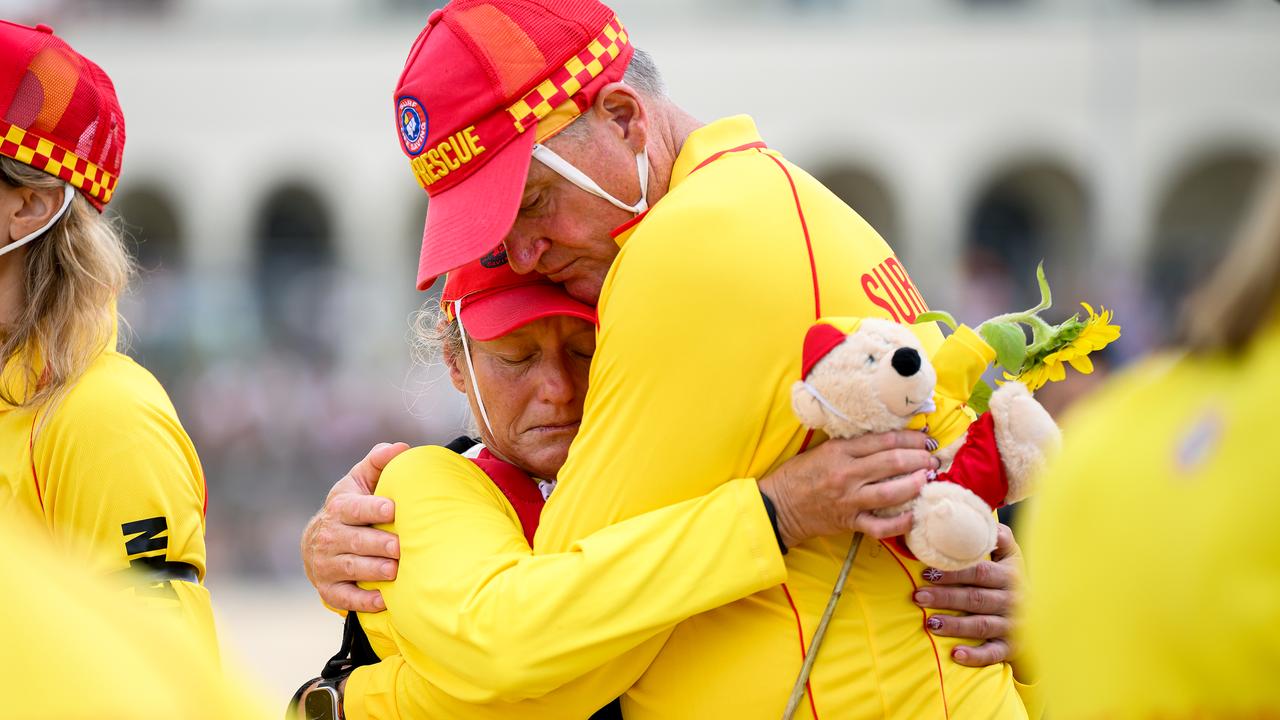
This follows an outpouring of solidarity by Bondi's lifesaving community on Saturday morning.

Hundreds of volunteers stood hand in hand with the beach's world-famous lifeguards, lining almost the entire kilometre-long shoreline.
Their two-minute silence hung heavy over the beach, as the rhythm of the waves beat against the sand bank.
"The emotions are extremely raw for everyone and it's very hard," Waverley Council lifeguard services co-ordinator Daniel McLaughlin told AAP.
"We do a lot of training knowing these emotions are the normal reaction to a horrific, traumatic event.
"But that doesn't make it easy."
Volunteers hugged and cried together in the aftermath of the silence.
Many reflected on the people around them touched by the shocking violence.
Prime Minister Anthony Albanese spruiked more funding for the lifesaving clubs after a National Security Committee meeting on Saturday, while throwing his support behind US strikes on ISIS in Syria.
"ISIS has caused untold suffering around the world directly with the actions that they've taken but also through their evil ideology that they spread," he told reporters in Canberra.
"Last Sunday, there was an ISIS inspired attack here in Australia and that evil ideology represents something that should have no place."