Retirement is rarely (OK, never) looked upon in the same light as an epic fantasy, where characters carry swords and shields to defend themselves from the fierce attack of warriors, giants and dragons.
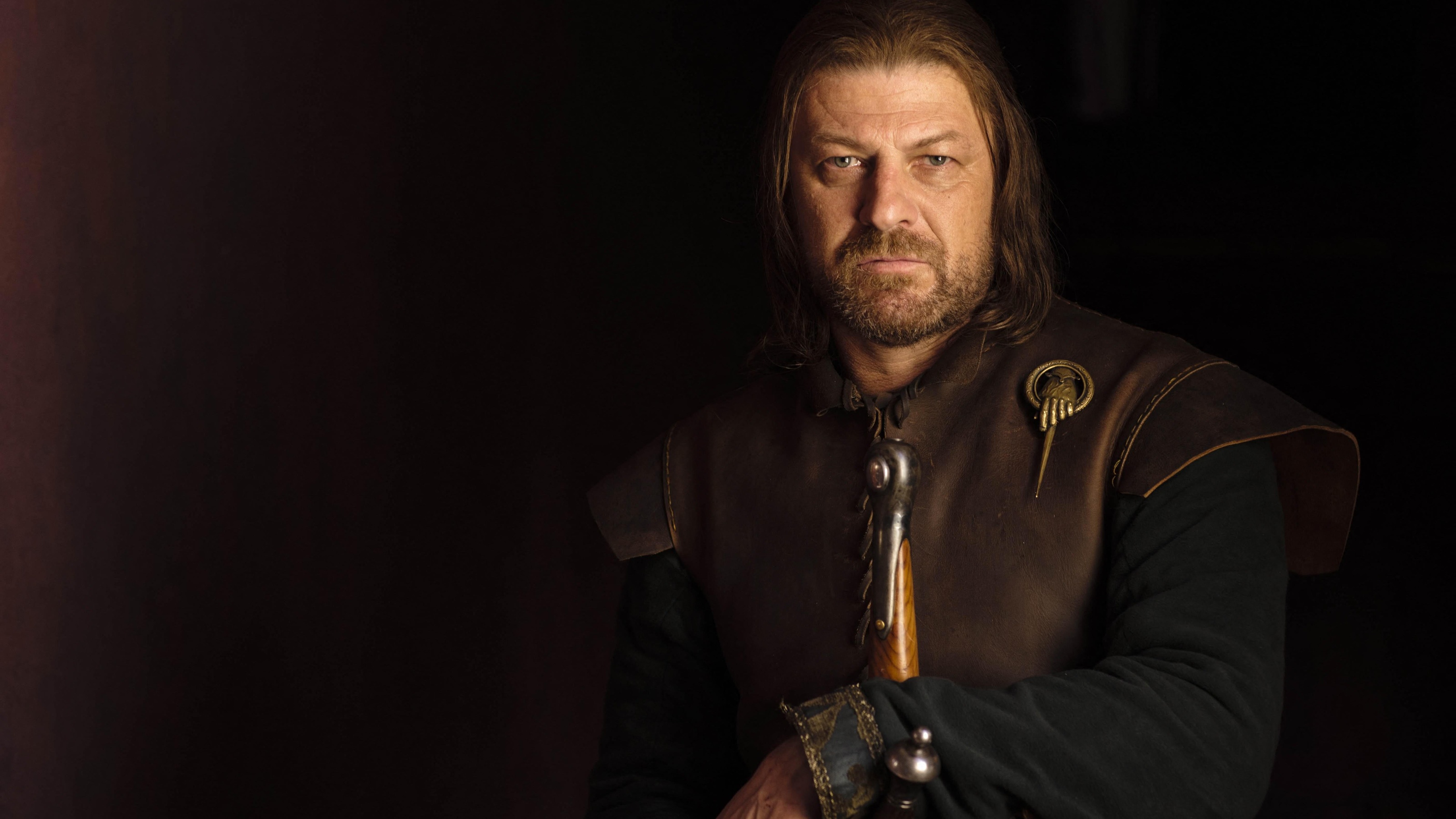
But while watching A Knight of the Seven Kingdoms, the Game of Thrones spinoff, on HBO, it struck me that those swords and shields serve as an apt metaphor for retirement planning. Retirees need both swords and shields, figuratively speaking, if they hope to journey through retirement with minimal nicks and cuts to their portfolios.
Risk is the sword, allowing you to take the offensive and giving your portfolio the ability to grow.
Cash and safer investments act as shields, offering protection to help you weather the onslaught of a volatile market.
If your retirement is to be successful, you will want both sword and shield at the ready.
Wielding the sword for higher returns
The sword (risk) is the more dramatic tool in your arsenal, so let's start there.
Risk is a tricky thing in retirement. It's one thing to have a large percentage of your investments in the stock market when you are 30, 40 or maybe even 50. If things go sour and the market drops precipitously, you likely can withstand the momentary loss because you have decades to recover.
That isn't the case as you are near or enter retirement. A major market setback at that point is difficult to overcome because time is not on your side. Also, you may be drawing on your investments to cover expenses in retirement, and that combination of market losses and money spent can drain your portfolio quickly.
The prudent thing to do at this stage is to reduce your risk so less of your money is subject to market volatility. If someone who is 65 has all of their money at risk, that tells me they aren't ready for the battle that's coming.
But it's also not wise to eliminate all of your risk because you do want some of your money to grow. This is because, too often, some safer investments struggle to keep up with inflation, so your money's spending power is barely growing — if it's growing at all.
Inflation is a major risk for retirees. We know that, fairly recently, inflation shot up to some of the highest rates in years, and that could happen again. Investing a portion of your portfolio in stocks — even though there is risk — is necessary to try to counter the effects of inflation.
But what percentage of your portfolio should be at risk?
Sadly, there is no easy answer, though for many people the correct response to that question might fall somewhere in the 30% to 40% range. But individual cases will vary depending on someone's age, tolerance for risk, income needs and other factors.
One thing I do recommend is having a longer timeline for your risk money. This should be long-term money you don't expect to use for 10 to 20 years. Your cash and safer investments are there for more immediate needs. They are your short-term and medium-term money.
Raising the shield to protect the portfolio
Now that your sword has its assignment, it's time to think about the shield.
Ideally, you will want some money that's immediately available to you to handle routine living expenses as well as emergencies, such as an expensive car repair or a hospital bill.
Then you will want to place a certain amount in those safer investments. With these, you can't expect the kind of gains possible with those aggressive investments that have greater risk attached to them. But you also won't face the potentially devastating losses that can come with a high level of risk.
One example of safe money accounts is certificates of deposit, although their returns tend to be low, so you wouldn't want to park a large share of your money here. Other examples are fixed index annuities, buffered ETFs and structured notes.
A partner for the coming battles
Once you have your money in place — some at risk, some in safer investments and some in cash — the temptation may be to leave things as they are permanently.
That would also be a mistake.
Every year, you should monitor your allocations to see what's working and what's not. In these situations, it's good to have a partner — a financial professional — who can provide advice. A knowledgeable adviser can help you gauge your investments more objectively, suggest any tweaks that need to be made and help you understand what investment options might best help you achieve your goals.
That way, you, your sword and your shield aren't going into battle alone.
Ronnie Blair contributed to this article.
The appearances in Kiplinger were obtained through a PR program. The columnist received assistance from a public relations firm in preparing this piece for submission to Kiplinger.com. Kiplinger was not compensated in any way.
Related Content
- I’m a Retirement Expert Who Just Turned 65. Here’s the Advice I’m Actually Following
- This Retirement Strategy Helps Plot a Stress-Free Path to Cash Flow
- Put Time on Your Side With This Simple Retirement Strategy
- How to Dodge a Retirement Danger You May Not Have Heard About
- 6 Scary Retirement Risks (and How to Vanquish Them)
This article was written by and presents the views of our contributing adviser, not the Kiplinger editorial staff. You can check adviser records with the SEC or with FINRA.