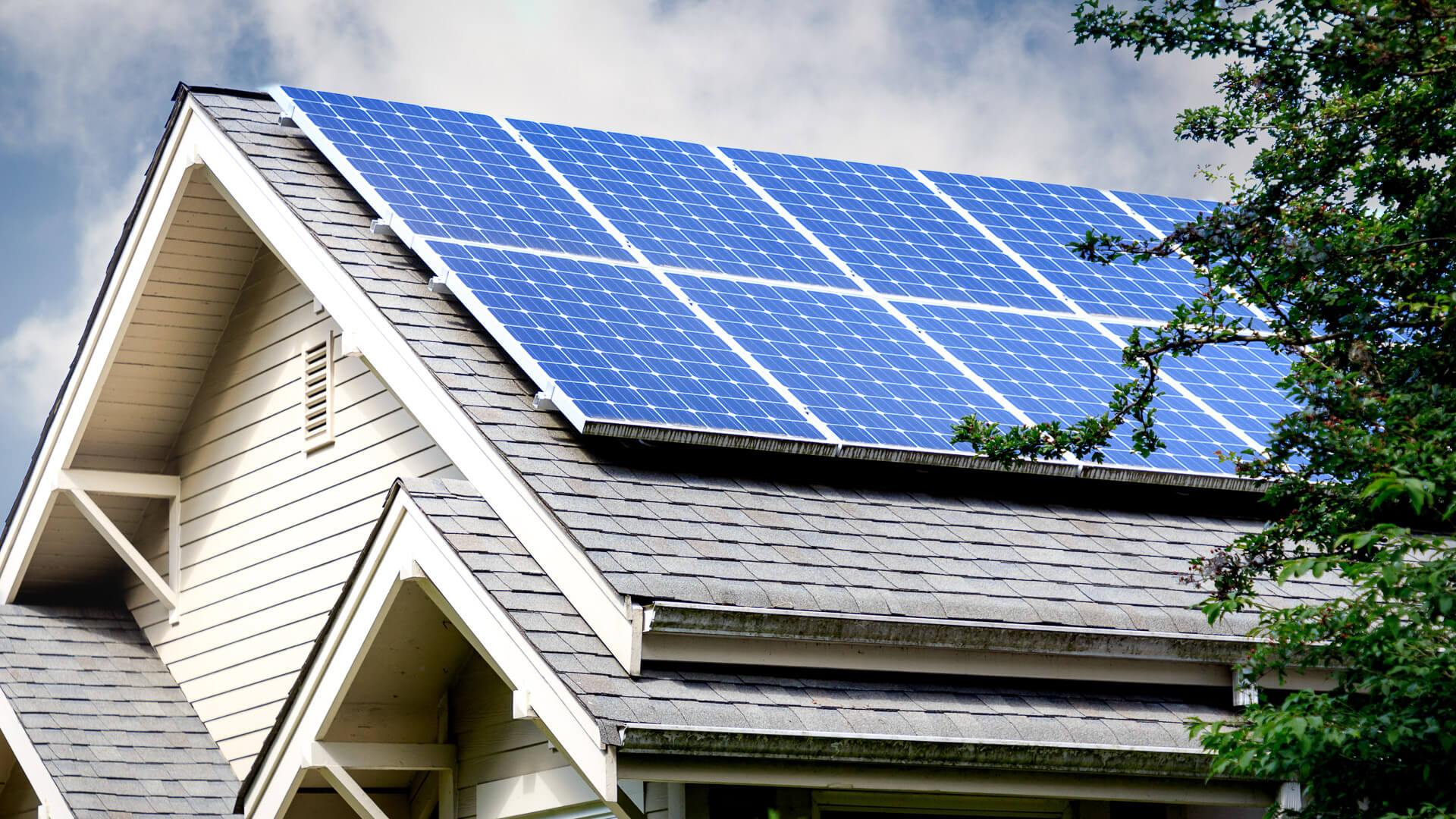
Solar panels have long been touted as a way to reduce energy costs while participating in the green revolution, but high costs have been a barrier for many people. It’s expensive to put solar panels on a roof, and this process may even require that you replace your entire roof first, which can negate the cost savings.
Consider This: 11 Things You Must Do When Your Savings Reach $50,000
Discover More: 9 Downsizing Tips for the Middle Class To Save on Monthly Expenses
That’s why modular plug-in solar panels are attracting many people. They’re easily portable, which makes them a viable option for renters who don’t own the property and individuals who want solar panel but have limited fixed incomes.
A PBS NewsHour segment highlighted the demand for this renewable energy resource while mentioning one catch to keep in mind.
Small, Gradual Investments Make Solar Panels More Accessible
Plug-in solar panels are more affordable than rooftop installations, which makes it easier to gradually build a small fleet. This model makes solar power more accessible and has already become a major energy source in Europe.
A single plug-in solar panels won’t be enough to wipe away your energy bill, but each panel can trim your costs. The total amount you would need to eliminate utility bills will depend on your total energy consumption and other factors. Experts said that a single 300 to 400-watt system can reduce electricity use by 5% to 15%, according to Better Homes & Gardens.
You can gradually chip away your energy costs with plug-in solar panels instead of having to choose between no solar panels and a rooftop installation that can wipe away all of your monthly energy costs.
Read Next: I’m a Financial Planner — Cut These 7 Hidden Expenses To Save Hundreds a Month
Not All States Let You Set Up Plug-In Solar Panels on Your Own
Although plug-in solar panels are a lot less complex than rooftop installations, owners must comply with regulations and pay fees as if they were setting up a rooftop system. Utah is the only state that has passed regulation that will allow plug-in solar panels with no registration when certain safety standards and codes are set.
Similar legislation is in the works in other states, but that roadblock makes this technology more difficult to access. However, the PBS video report said that not all customers are waiting for regulators. Plug-in solar panels have many built-in safety features and plenty of successful use cases in Europe, which makes people eager to set them up in the U.S. to save on their energy bills.
Make Yourself Less Reliant on the Electrical Grid
Relying exclusively on the electrical grid instead of your own power sources will increase monthly costs and put you more at risk during power outages. The grid is also facing more strain since most of the infrastructure was built in the 1960s and 70s. Old electrical grids need to be upgraded and replaced, and that transition can result in some power outages.
If you get a plug-in solar panels, make sure it is exposed to sunlight for at least four hours per day. Putting it in a shady area will reduce how much energy it absorbs from the sun.
More From GOBankingRates
- 21 Insider Costco Moves That Could Add Up to Thousands in Yearly Savings
- 5 Reliable Cars That Will Have Massive Price Drops Ahead of Spring 2026
- 5 Clever Ways Retirees Are Earning Up to $1K Per Month From Home
- 9 Low-Effort Ways to Make Passive Income (You Can Start This Week)
This article originally appeared on GOBankingRates.com: Retirees on Fixed Incomes Can Save Hundreds with These Small Plug-In Solar Panels — But There’s a Catch