
Trail cameras allow researchers to spot skittish wildlife – but when scientists place cameras in the wild, they never know quite what they are going to see. One research group focused on understanding wolves placed a camera on a deer carcass, suspecting potential bobcat activity, and instead captured rare footage of baby cougars.
Earlier this year, the Minnesota Voyaguers Wolf Project received a notification that one of their GPS-collared deer had died. The researchers went out and located the carcass – inside the Voyageur National Park in the northern part of the state – and decided to place two trail cameras in the area to see what animals returned to the site.
The Voyageurs Wolf Project suspected that the animals responsible for the kill could be bobcats, because the deer had been buried in leaves, which hinted at feline predation.
Only four hours after placing the cameras, the researchers were surprised when the animals that reappeared were not bobcats but a family of cougars.
Cougars are rare in the state – the Minnesota Department of Natural Resources (MDNR) says that between 2004 and 2026, there have been only 180 detections of suspected wild cougars. While present in states like Montana and Texas, cougars were considered “locally extinct” in the Midwest, but reports of sightings in Minnesota and Michigan have increased in recent years.
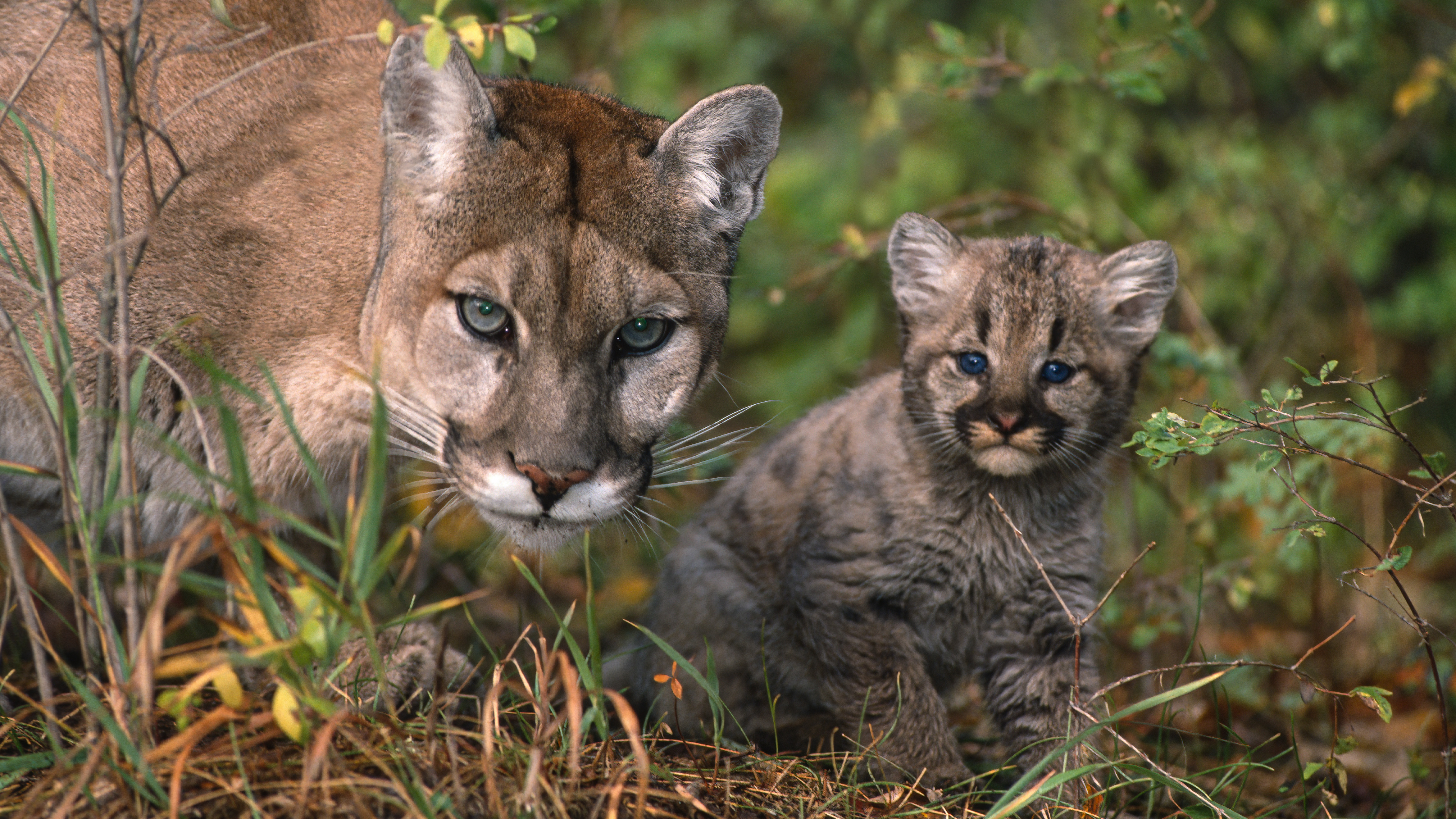
The MDNR says that the new trail camera footage is the first evidence in more than 100 years that confirms that cougars are reproducing in the region.
The footage shows four cougars – a mother and cubs – over the course of several hours. Researchers estimate that the cubs are around seven to nine months old. While the Voyageurs Wolf Project has captured footage of lone cougars eight times in the last three years, all of those sightings were of lone animals.
“Although this is an important starting point for potential population establishment in Minnesota, predicting the future is extremely difficult,” MDNR Research Biologist John Erb said. “These kittens might not survive, potentially getting killed by wolves, a male cougar or vehicles. They may also become part of the founding catalyst for a slow but steady increase in numbers. Time will tell, but we are clearly nearing a point where the probability of a self-sustaining population has increased.”
Although researchers are hesitant, the footage is a sign of hope for the animals once thought to be locally extinct in the Midwest. Researchers also confirmed a sighting of a mother and cubs in Michigan's Upper Peninsula in 2024.
You may also like
Take a look at the best trail cameras for spotting backyard wildlife.