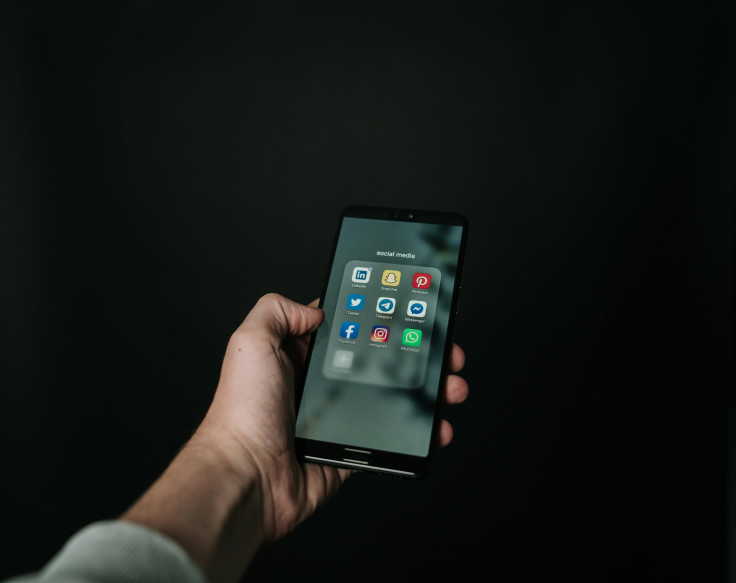
During the second Trump administration, government agencies focused on immigration have used social media in ways rarely seen before, adopting styles more commonly associated with content creators and meme pages rather than the public service announcements and press releases that typically define government communication.
From using songs by globally known artists such as Sabrina Carpenter in videos showing arrests, to posting controversial memes or satirical content featuring Franklin the turtle, a character from a children's book series, the Trump administration has leaned into viral tactics designed to maximize engagement and build public support for its mass deportation plans, showing little concern for how unprofessional the approach may appear or how it may be received by the public.


As the administration continued producing highly edited videos to showcase arrests carried out by federal immigration officials, a new report by The Washington Post obtained internal messages from Immigration and Customs Enforcement's public affairs teams showing how the agency aimed to satisfy senior government officials by creating viral content that highlighted Trump's deportation agenda.
The messages show ICE staff working closely with the White House to produce videos intended to "flood the airwaves," as one official described it, depicting immigrants being chased, apprehended, and detained.
They also include examples of officials using derogatory language about immigrants and planning video edits to reinforce the administration's hardline approach. The team deliberately used copyrighted music without authorization and applied other strategies to maximize online attention and engagement.
One example in the report was a nighttime operation in Houston, Texas, which led to the arrests of more than 120 people.
ICE staff discussed footage filmed by video producers following agents during the operation, noting that even if not all those arrested had criminal records, the videos should emphasize that the agency was "working hard."
They debated which song to use as the soundtrack, with one official suggesting something "hardcore" to increase the video's viral potential. "Think country songs...this is Houston after all," the chat shows. ICE assistant director for public affairs Emily Covington suggested a stronger soundtrack was needed: "I feel like we need something a little more hard-core." They ultimately settled on a rap song by Nbhd Nick, which was later confirmed to have been used without permission.
🧊ICE on the roads🧊
— U.S. Immigration and Customs Enforcement (@ICEgov) November 3, 2025
We made over 120 arrests in Houston Oct. 29 — clearing our roads of dangerous, often unlicensed and uninsured, illegal aliens who should NOT be behind the wheel. pic.twitter.com/qg4EcN9Fnr
David Lapan, a former Homeland Security secretary during Trump's first term, told The Washington Post the second administration politicized the agency, departing from the more "professional and buttoned-up" approach of previous administrations, which presented law enforcement actions clinically and without political spin.
"We were supposed to present the facts, not hype things up. But this veers into propaganda, into creating fear," Lapan said. "We didn't have this meme-ification of serious operations—these things are life or death. It's not a joking matter. But that's how they're treating it now."
The same communications teams have also turned to AI-generated videos to amplify the administration's messaging.
AVOID ICE AIR AND SANTA’S NAUGHTY LIST!
— U.S. Immigration and Customs Enforcement (@ICEgov) December 22, 2025
Self-deport today with the CBP Home app, earn $3,000 and spend Christmas at home with loved ones.
Holiday incentive is valid through the end of 2025. pic.twitter.com/v80QAaKquD
Trump administration officials defended the media operation as responding to what Americans want: visual proof that Trump was fulfilling campaign promises and deporting millions of undocumented immigrants.
After the "Big, Beautiful Bill" passed Congress earlier this year, DHS and other immigration agencies added new communications staff with orders from the White House to prioritize immigration and produce content that would generate high engagement, current and former officials told The Washington Post.
"We're not doing child pornography cases. We're not doing human trafficking cases," one DHS official said. "Everything is immigration."
As the media push intensified, the report says DHS posted videos with clear errors, using footage filmed thousands of miles from the events described. Some edits were made to present events in ways that supported the administration's narrative. In May, Covington asked, at the White House's request, whether a deportation flight video could be re-edited to "not feature tons of females," to what an ICE official responded that the b-roll would be altered accordingly.
Requests from White House officials for content showing "the worst of the worst" pushed communications teams to unprecedented extremes, including the use of derogatory language, offensive imagery, and humor that critics said crossed the line of good taste.
At least five DHS and ICE videos have been removed from X in recent months following complaints from representatives of comedian Theo Von, the band MGMT, and rappers Jay-Z, Joey Valence, and Chamillionaire. Other creators and companies have also raised concerns over unauthorized use of their intellectual property, including the Pokémon Co., whose signature cartoon style was imitated in a DHS video captioned "Gotta Catch 'Em All."
Gotta Catch ‘Em All. pic.twitter.com/qCvflkJGmB
— Homeland Security (@DHSgov) September 22, 2025
"They just went nuts," a former DHS producer told The Washington Post. "There was no limit. It was like if someone from Reddit took over."
Public affairs officers were instructed to rewrite releases and online posts with more aggressive language if they wanted their content promoted, former and current agency officials told the outlet.
"If the truth of the operation does not match the narrative of the 'worst of the worst,' it's going to be killed," one official said.
Despite criticism, DHS spokeswoman Tricia McLaughlin told The Washington Post the White House had given DHS and ICE communications teams "autonomy to create content that is effectively reaching the American public," adding that officials were proud to break with past strategies because the approach had proven successful in drawing attention.
"They were irrelevant," she said. "And we've made it matter."


© 2025 Latin Times. All rights reserved. Do not reproduce without permission.