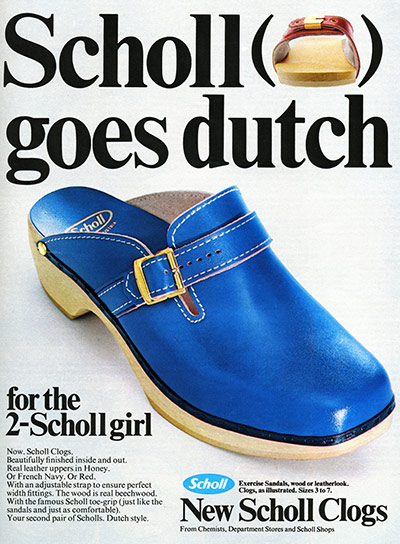
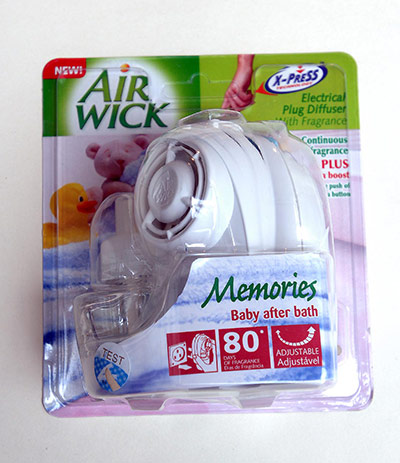
The best-selling condom brand in the UK can trace its roots back to 1915 when LA Jackson founded the London Rubber Company and started selling imported condoms and barber supplies. In 1929, the firm registered the brand name, Durex, which stands for DUrability, Reliability and EXcellence. The company started using new latex technology in the 1930s and created the first anatomically shaped condom in 1969. In 1985, the London Rubber Company changed its name to London International Group plc and went on to introduce a range of different brands: from Avanti, made from a unique polyurethane material that is odourless and double the strength of natural latex; to Elite and Improved Ribbed. London International Group merged with Seton Scholl Healthcare in 1999 to create SSL International. More recently, SSL has broadened the Durex range into sex toys, lubricants and massage oilsPhotograph: Linda Nylind/GuardianWilliam Mathias Scholl started his working life in a shoe store in Chicago in 1899, where the range of foot conditions that he saw lead him to enroll in medical school to study podiatry. He qualified five years later and created his first footcare product, an arch support called the Foot-eazer. In 1907 the Scholl Manufacturing Co was created and in 1912 Dr Scholl founded the Illinois College of Chiropody and Orthopaedics. But it was not until 1913 that the first Dr Scholl shop opened in London. The company branched out into compression hosiery for the relief of swollen ankles and varicose veins, while the first Scholl exercise sandal was created in 1959. Scholls took off in the 1960s and 1970s, when they were seen on the feet of celebrities such as Twiggy and Jean Shrimpton. Seton Healthcare and Scholl merged in July 1998 to form Seton Scholl Healthcare, which merged with the owner of Durex the following year to create SSL InternationalPhotograph: AlamyFirst launched in the US in 1944, Reckitt Benckiser’s Air Wick air freshener was introduced to European homeowners in 1953 and quickly took off. The brand is now to be found in 85 countries and has expanded into a range of fragrances which can be delivered by sprays, gels and scented candlesPhotograph: Martin Godwin/Guardian
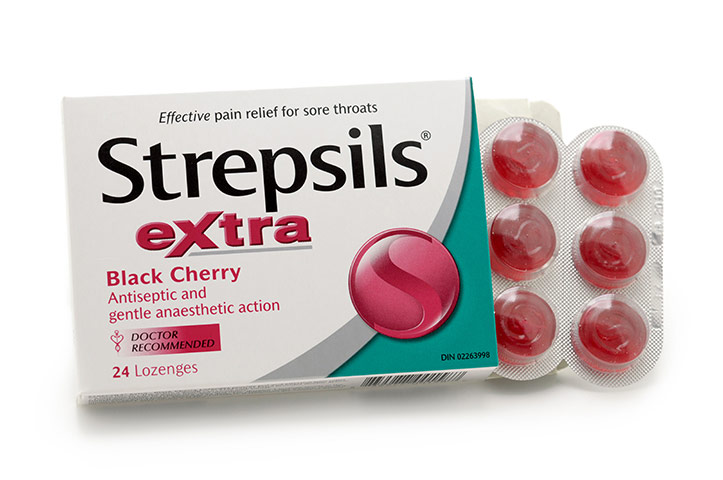
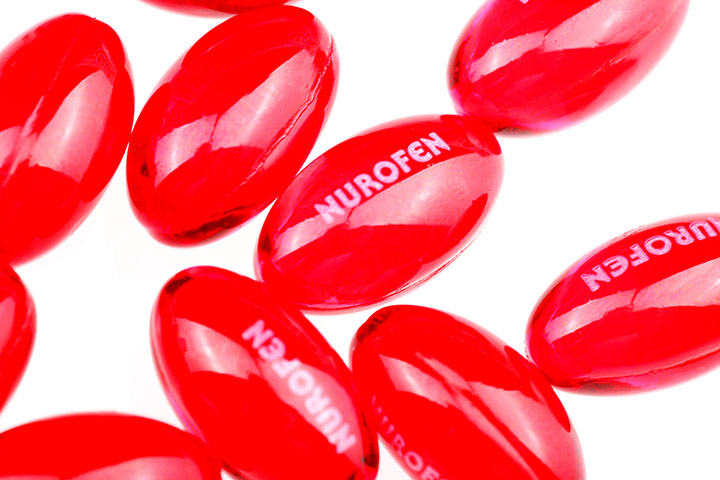
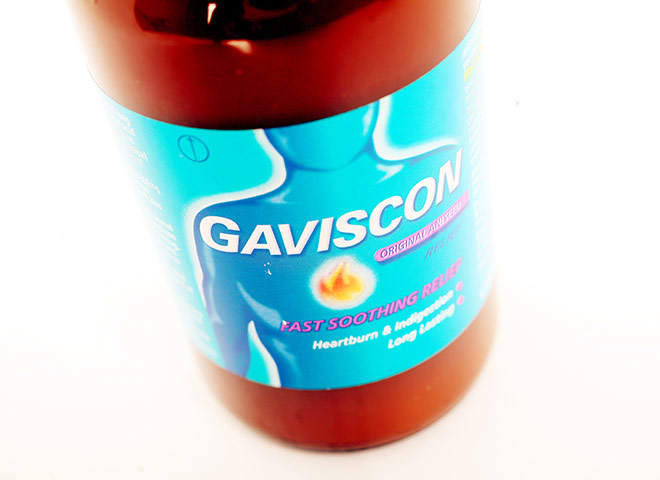
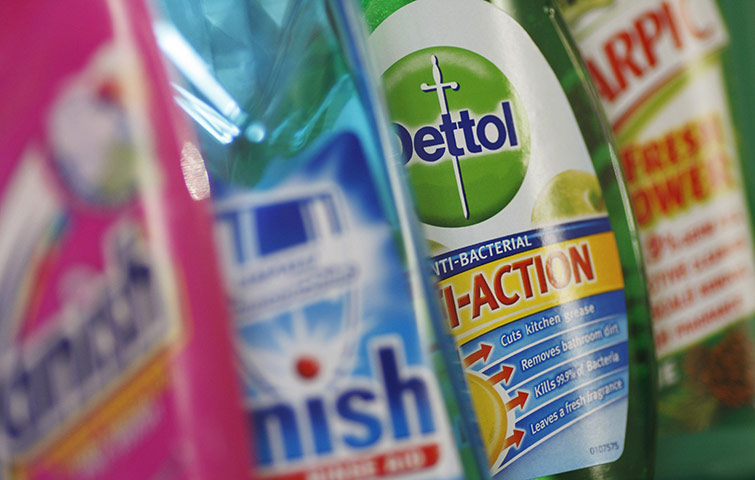
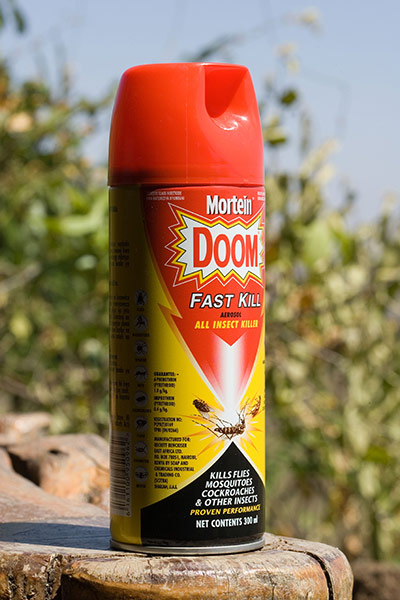
Strepsils started life as a throat gargle in 1950 but have been transformed into one of the world’s leading medicated throat lozenge brands. Reckitt Benckiser snapped up the name in 2006 from owner Boots Healthcare International (BHI)Photograph: Helen Sessions/AlamyIn the same deal, Reckitt also acquired painkiller brand Nurofen, the active ingredient in which – Ibuprofen – was in fact developed by Boots itself in the 1960s, with manufacturing of the drug taken over by BASF in 1994Photograph: mediablitzimages (uk) Limited/AlamyHeartburn treatment Gaviscon has been available in the UK for many years but two years ago it emerged that Reckitt Benckiser had attempted to prevent a generic version of the product appearing in the UK market. In February, the Office of Fair Trading alleged that the company deliberately prevented doctors from prescribing cheaper alternatives to GavisconPhotograph: Graeme Robertson/GuardianHarpic and Dettol, two of the best-known names in home cleaning, entered the Reckitt Benckiser family in 1932. That was the year that Reckitt & Sons acquired lavatory cleaner Harpic – which first went on sale in the UK in the 1920s – and started selling Dettol, which had won the endorsement of the medical profession. Reckitt Benckiser also owns a host of other household names including Vanish, Woolite, Calgon, Lysol, Finish dishwasher tablets, Veet and ClearasilPhotograph: Stephen Hird/ReutersFrench’s Mustard has been a regular sight on American tables for more than a century. It was created by George French in 1904 and sold by the company that he had built with his brothers Robert and Francis in the dying days of the nineteenth century in New York state. For many years the company was based at 1 Mustard Street in Rochester, New York before it was acquired by Reckitt & Colman, which subsequently became part of Reckitt BenckiserPhotograph: Kathy deWitt/AlamyJ Hagemann, a German immigrant to Australia, started selling an insecticidal powder in the 1870s under the Mortein brand – which legend has it was based on a combination of the French word mort, meaning dead, and ein, the German for one. In the early 1920s a squeeze puffer was created while in 1928 Hagemann introduced a liquid version which could be sprayed. It was not until the 1950s, however, that an aerosol version appeared and it was backed by some of the first adverts seen on Australian television. They starred an animated insect called Louie The Fly, who is still appearing in Mortein ads to this day. Mortein, acquired by Reckitt & Colman in 1969, is now well know for its mosquito coils and the product is well known across Australia, New Zealand, South East Asia and the South PacificPhotograph: Mark Boulton/Alamy
Sign up to read this article
Read news from 100’s of titles, curated specifically for you.