Suggested by: Acewindsor & welovelucytoo
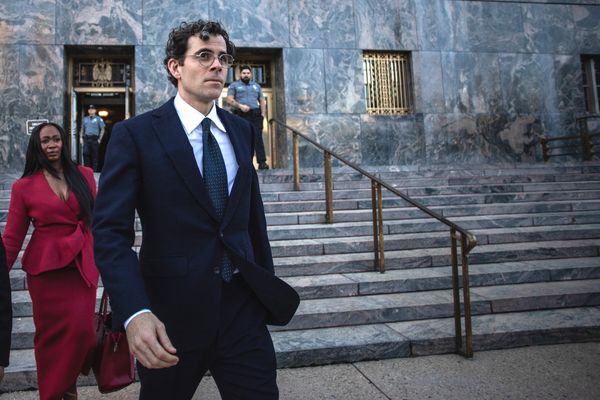
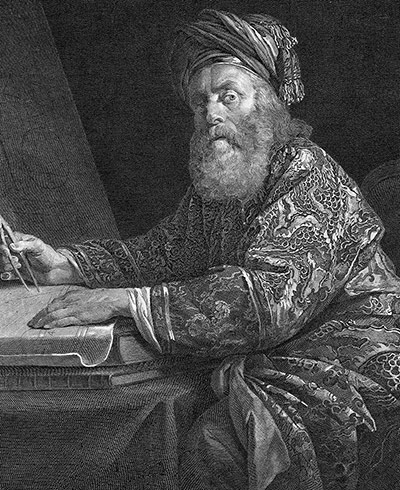
'What about the man who started it all?' cries welovelucytoo. One of the earliest known physicists, the Greek mathematician and physicist laid down the foundations of hydrostatics. He invented the screwpump – which is still used today in sewage systems Photograph: Bettmann/Corbis
Suggested by: mazdaznan, johnzandt1 & duduriri
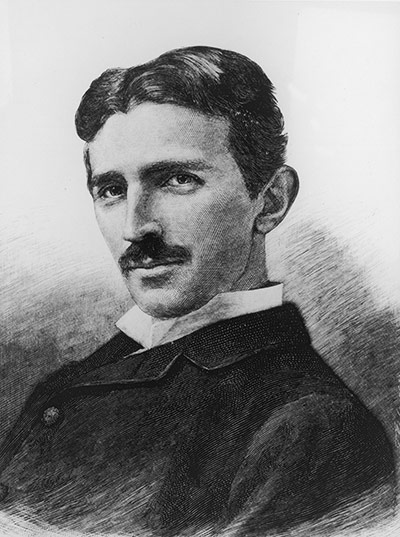
Nikola Tesla contributed to the design of the modern AC electrical supply system. As johnzandt1 points out, 'I mean, we use his invention every single day, no one else on this list can claim that.' So... inventor or physicist? Photograph: Hulton Archive/Getty Images
Suggested by: hazh & Grishnakh
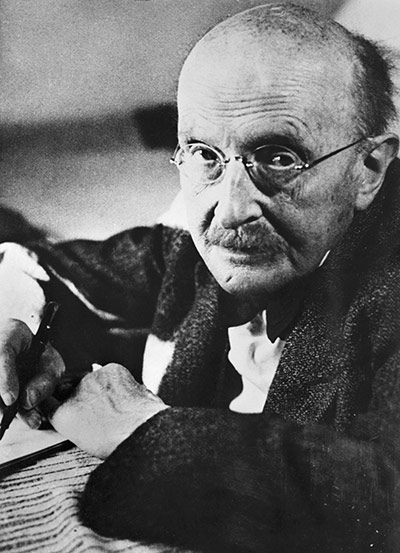
Nobel prize winner Planck originated quantum theory, which in turn led to the revolution of the human understanding of atomic and subatomic theory Photograph: Bettmann/Corbis
Suggested by: zimbrabim & JayD555
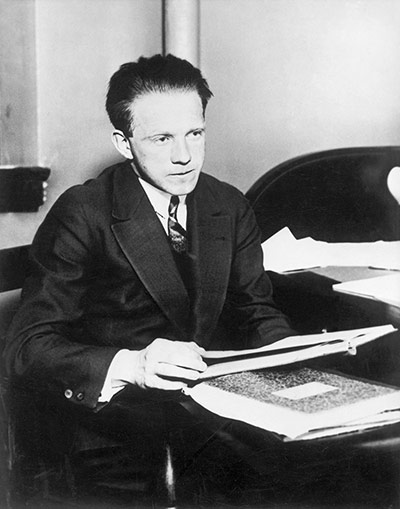
Heisenberg, the 'father' of quantum mechanics, is often shrouded in controversy around his involvement in atomic research during the second world war. However, there is no doubting the brilliant contribution this Nobel prize winner made to science Photograph: Bettmann/Corbis
Suggested by: watersdeep & Grishnakh
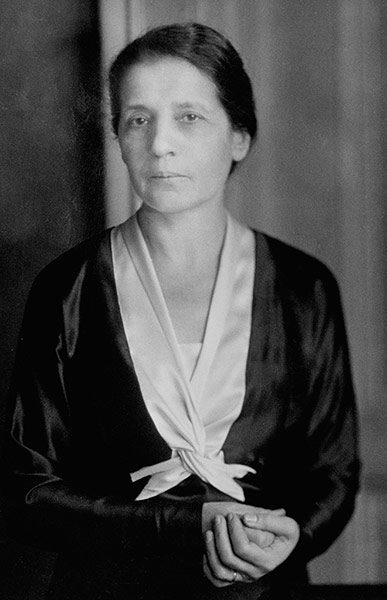
Overlooked by the Nobel prize committee, Meitner was a part of the team that discovered nuclear fission. Her colleague, Otto Hahn scooped the 1944 prize for chemistry, but in 1997 element 109 was named in her honour: 'Meitnerium' Photograph: Corbis
Suggested by: Carnegie1
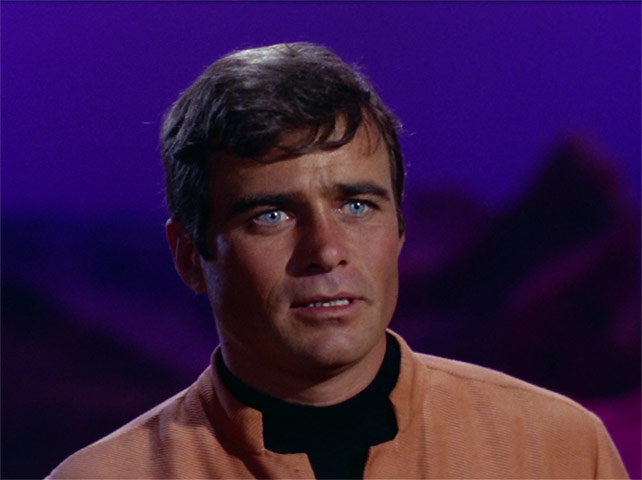
A touch of the fictional world brought in by Carnegie1's contribution here, with Star Trek's Cochrane creating humanity's first warp-capable vessel. Would sci-fi be the same now without it? Photograph: Public Domain
Suggested by: Randandan, PlatoApresSocrates, JohnTMaher & Pabostock
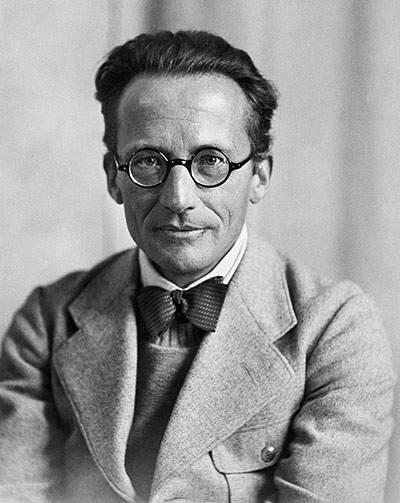
Schrödinger, a physicist of quantum theory, developed the results that formed the basis of wave mechanics. His criticisms of the Copenhagen interpretation of quantum mechanics led him to create the now infamous thought experiment 'Schrödinger's cat'. Pabostock thinks his cat should be on the list, too Photograph: Bettmann/Corbis
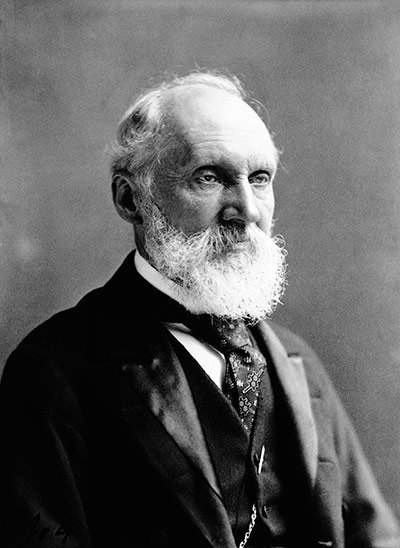
Suggested by: Calgacus18
Lord Kelvin, born William Thomson, determined the correct value of absolute zero. At approximately -273.15 Celsius, this is the coldest possible temperature. The Kelvin scale of absolute temperature was named in his honour Photograph: Corbis
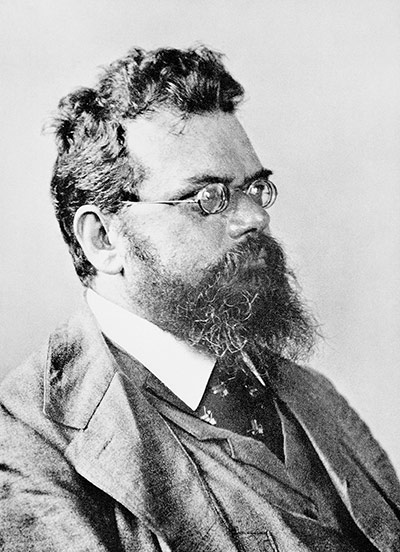
Suggested by: studentgrant75 & Melissa Dunn
For studentgrant75, Boltzmann's work was the foundation for the field of statistical mechanics. 'He could not convince people his work was correct, and in one of his bouts of depression killed himself' Photograph: Bettmann/CORBIS
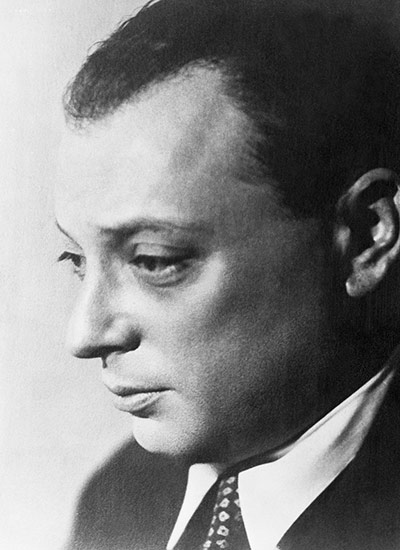
Suggested by: sacco & Randandan
Nominated by Einstein for a Nobel prize, Pauli won due to his groundbreaking work in quantum physics. He discovered a new law of nature, the 'Pauli principle', concerning the behaviour of electrons Photograph: Bettmann/Corbis