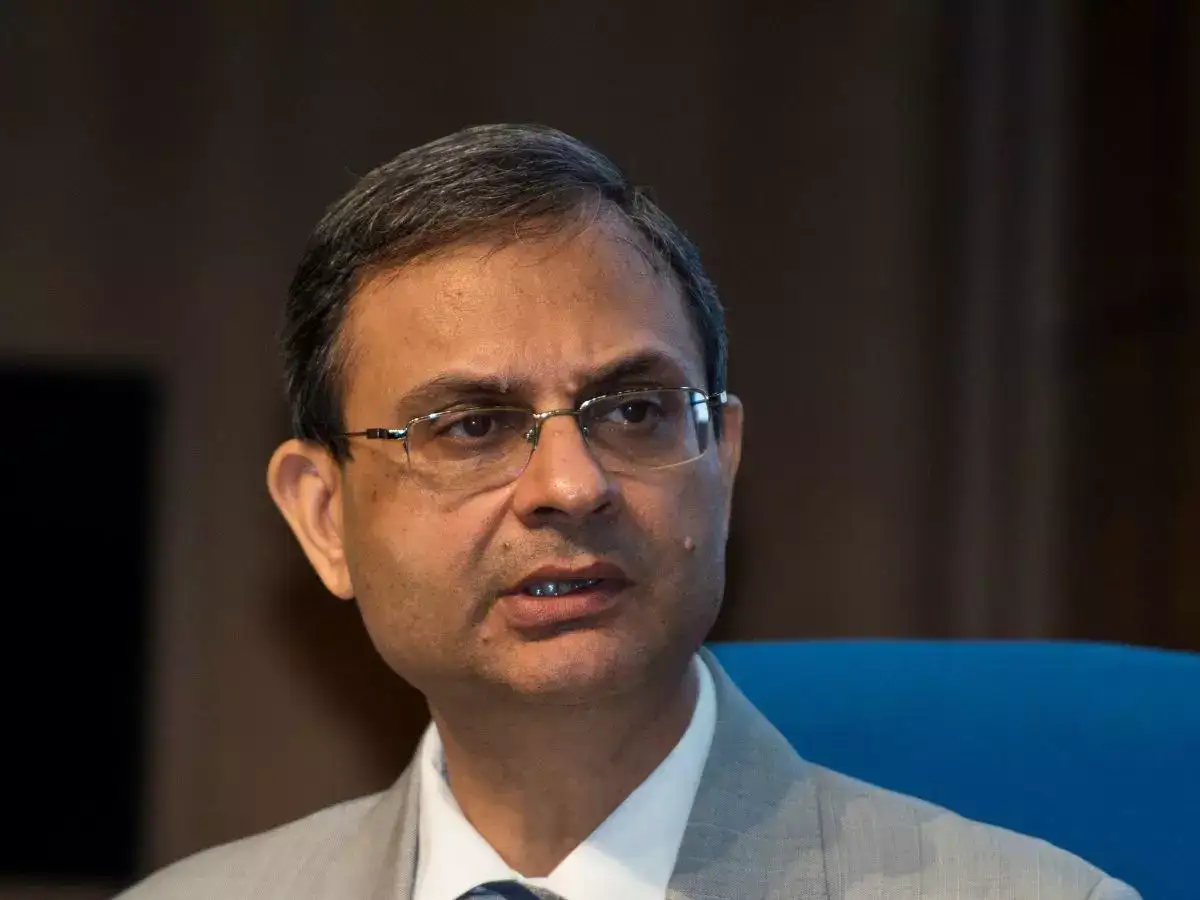
The easing of geopolitical tensions in West Asia has brought some relief to policymakers, but the Reserve Bank of India (RBI) is not lowering its guard just yet. RBI Governor Sanjay Malhotra said that while the truce has reduced immediate risks to inflation and growth, uncertainties surrounding crude oil prices, the monsoon, and global developments continue to warrant caution.
Speaking to ET Now, Malhotra said the central bank remains firmly data-dependent and has no pre-set path on interest rates despite market speculation about a possible tightening cycle.
West Asia Truce Brings Relief, but Risks Persist
The RBI Governor described the de-escalation in West Asia as a positive development for both the global and Indian economies, especially given India's close economic ties with the region.
"To some extent the de-escalation in the West Asian conflict is a big positive for the whole world and also for our Indian economy, especially because we are so deeply interconnected with West Asia. It is positive news both for growth and for inflation, as crude prices have moderated. In fact, urea prices have plummeted. The Indian economy is resilient. The government and the OMCs together cushioned the impact of the energy shock to a great extent, and all high-frequency indicators show that India has weathered the shock quite well. Still, these are very uncertain times, and as we said in our monetary policy, we are in wait-and-watch mode. We hope that this truce continues and better times lie ahead for all of us," he said.
External Uncertainty Remains the Biggest Challenge
While domestic indicators have remained stable, Malhotra said external developments continue to pose the biggest challenge for monetary policy.
"The currency and the external uncertainty are what we are all concerned about. Last year it was more about trade and tariff-related uncertainties, and this calendar year, from March onwards, it has been more about the West Asian conflict. Most of it is external uncertainty that is weighing on us. Although I must mention that monetary policy, by definition, has to cater to uncertainty. We are well prepared for whatever kind of uncertainty we may have," he said.
RBI Watching for Inflation Spillover
The Governor said the Monetary Policy Committee (MPC) is closely monitoring whether higher wholesale prices eventually spill over into broader consumer inflation.
"We are not sure, frankly, whether we will have second-round effects or not. If we were sure, the Monetary Policy Committee would have acted. Inflation is still below 4%, at 3.9%, mostly due to food. Core inflation is about 2.4%. But WPI did go up, largely because of fuel. Whether it generalises or not is something we have to wait and watch. Accordingly, we will make the next policy move."
Crude Risks Have Reduced, But Outlook Remains Uncertain
Although oil prices have softened, Malhotra cautioned against assuming that risks have disappeared.
"Upside risks have certainly reduced, but we will still have to wait and watch as to where crude prices ultimately end up. The truce itself is fragile. It will take time for supplies to be fully restored, infrastructure has been damaged, inventories have declined, and countries will look to rebuild their reserves."
No Immediate Signal of Rate Hike
Responding to speculation that the RBI is preparing markets for higher interest rates, Malhotra dismissed the interpretation, saying the central bank intentionally retained its neutral stance.
"If it was so certain that we were going to hike rates in the coming months, then we would have changed our stance from neutral to restrictive. We did not do that precisely because there is elevated uncertainty. It will be premature to talk about a rate hike. We will continue to remain data-dependent and take it policy by policy."
Monsoon and Crude Both Matter
Asked whether crude oil or the monsoon poses a greater inflation risk, the Governor declined to rank the two, saying both remain equally important.
"We are watchful of both. I will not like to pick either one of them. Both are uncertain. Both have consequences for inflation, and we will be looking at the overall picture."
India-US Trade Deal Could Boost Growth
Malhotra expressed optimism about the progress in trade negotiations between India and the United States, saying a successful agreement could benefit exports, investments and the broader economy.
"There has been good progress made. I am not aware of the exact specifics, but obviously, as we read through the media, India will sign a deal which is positive for India. Trade and investments go together, and so it should be good for investments as well."
India's Resilience Backed by Multiple Factors
The Governor attributed India's resilience during the energy shock to strategic reserves, demand moderation, and increased global production.
"Demand curtailment, release of reserves, and increased production from other sources are the three reasons which led to this resilience. Going forward, these reserves will have to be rebuilt, some demand will return, and it will take time for supplies through Hormuz to normalise. We will have to wait and watch where prices finally settle."
Outlook: Cautious Optimism
While easing geopolitical tensions have reduced immediate inflation risks, the RBI believes uncertainty remains elevated. The central bank will continue to assess incoming data on inflation, crude oil prices, the monsoon, and global developments before taking any policy action. For now, the message from Mint Street is clear: caution outweighs conviction.