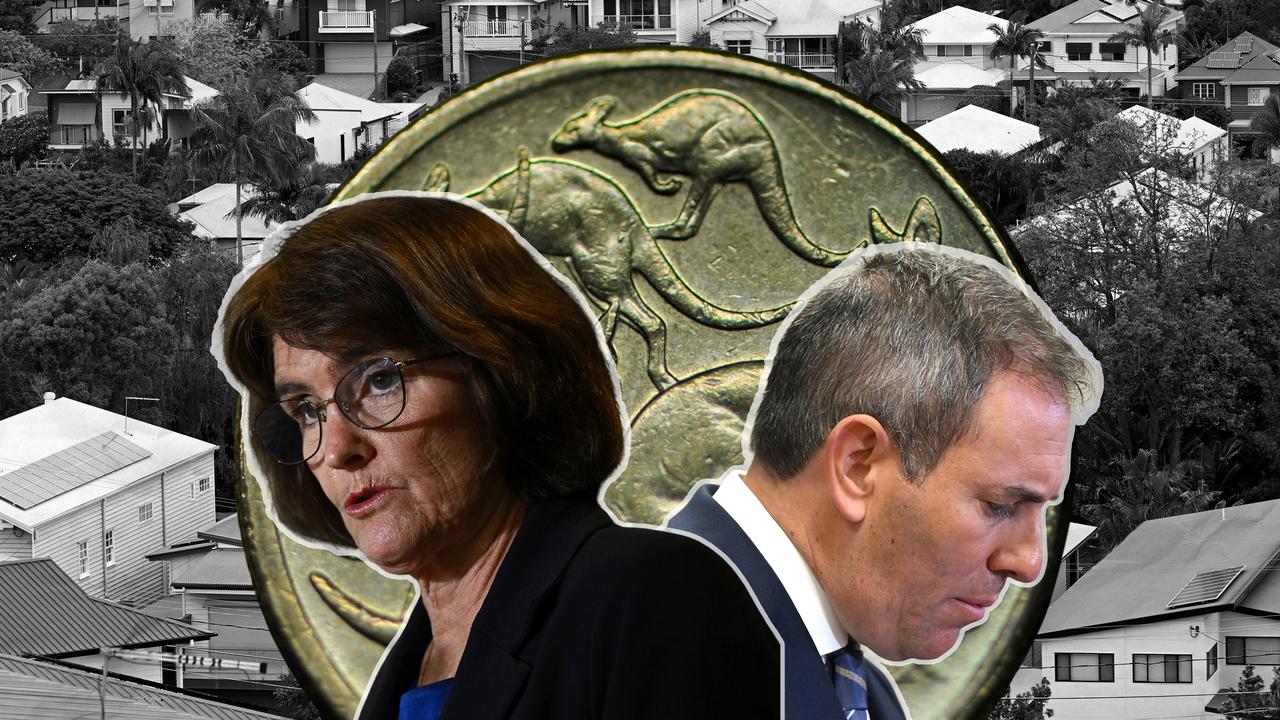
A conflict at the heart of the Reserve Bank's mandate could determine the outcome of its next interest rates decision.
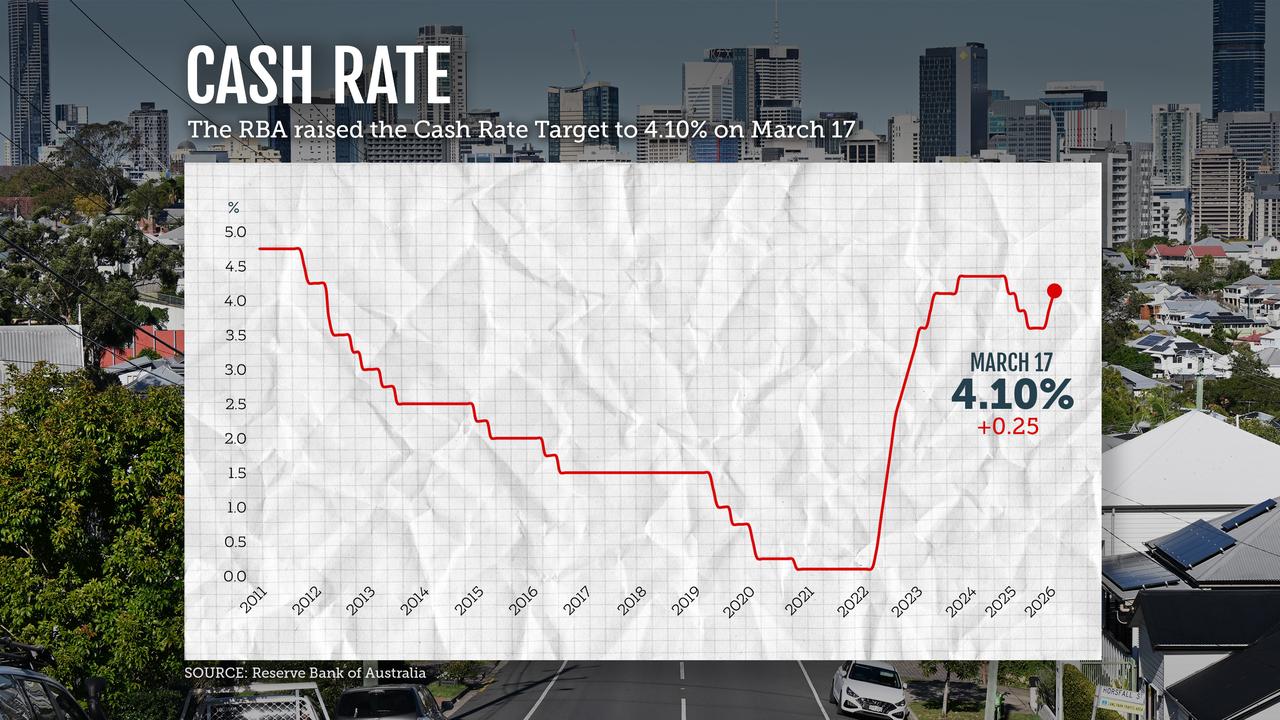
Minutes from the central bank's March meeting published on Tuesday revealed a split between the five members who voted for a hike in the cash rate and the four who voted to hold it at 3.85 per cent.
While all agreed inflation was too high and the conflict in the Middle East would make it worse, they differed over how urgently the bank needed to act.
The four doves were more concerned about weaker-than-expected consumption figures and thought falling unit labour costs were a sign the jobs market might not be as strong as their colleagues believed.
Compared to the five hawks, they placed greater weight on arguments that the war would dampen economic growth, which merited waiting until May before hiking.
NAB senior economist Taylor Nugent said the drag on growth from the conflict meant central banks would not need to fight inflation as hard as in a demand-driven shock, but the right response would depend on how they weighed the competing risks.
The key question for the RBA was whether it would protect full employment or strive to get inflation back to its 2.5 per cent target quickly, HSBC chief economist Paul Bloxham said.
"To us, it seems unlikely that the RBA can have both," he wrote in a research note.
The RBA's recent "narrow pathway" approach clearly favoured full employment over getting inflation down fast, Mr Bloxham said.
He argued the bank needed to abandon that path or risk the credibility of its inflation target coming into question, which could cause inflation expectations to become overblown.
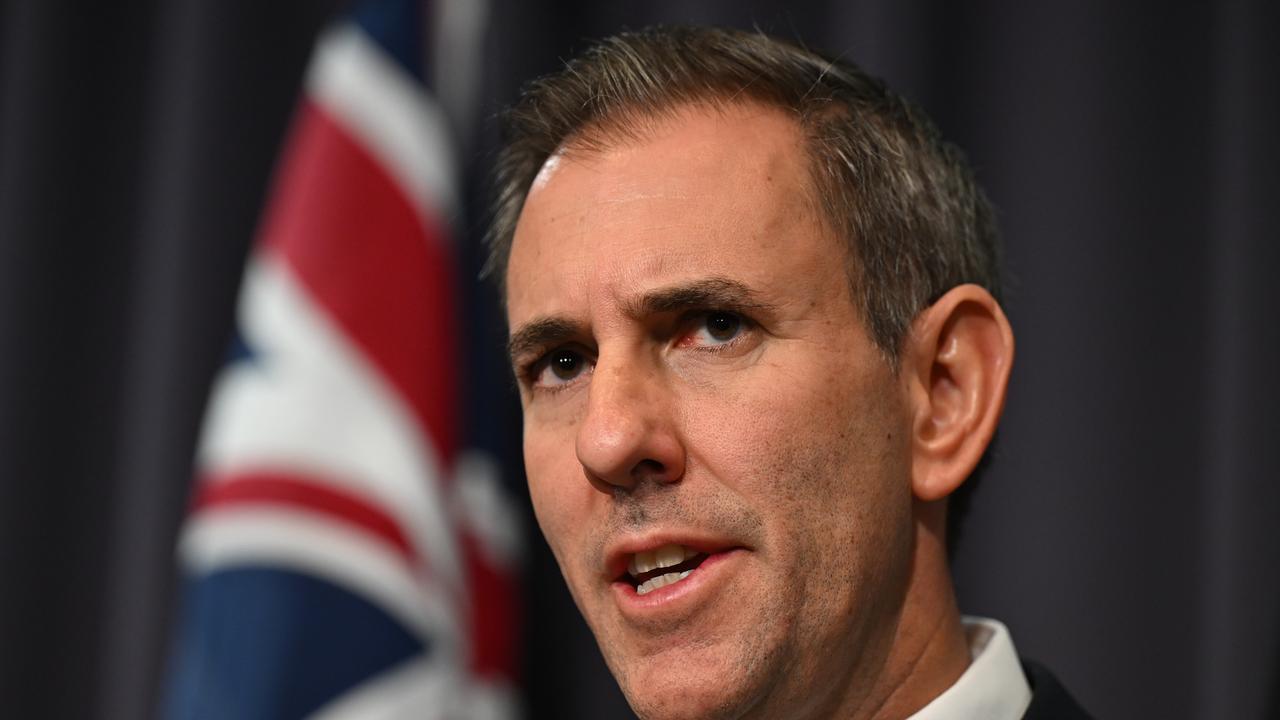
Unlike economists at HSBC, Treasurer Jim Chalmers did not envisage the economy shrinking in the June quarter as a result of the conflict.
"We've got a few weeks still before we finalise the forecasts for the budget," he told reporters on Tuesday.
"We're not currently anticipating our economy to go backwards, but obviously there's more than the usual amount of global economic uncertainty playing out in our efforts to land credible forecasts."
Commonwealth Bank chief economist Luke Yeaman said there was no doubt Australians would see higher inflation and lower growth as business and household budgets were hit by high petrol prices.
"At this stage, we are not calling a recession, but I think we are going to see a material hit to growth," he told a briefing.
Ahead of the Middle East war, the nation's biggest mortgage lender was already forecasting the economy to slow as the central bank began to hike.
Consumer confidence has plummeted since the start of the war, causing economists to slash their predictions for household spending in 2026.
The ANZ-Roy Morgan consumer confidence index reached a new low in the week to March 29, down 4.3 points to 58.8.
"All subindices deteriorated last week, with household confidence in their current and future finances at their lowest level since the subindices were first available in 1985," ANZ economist Sophia Angala said.
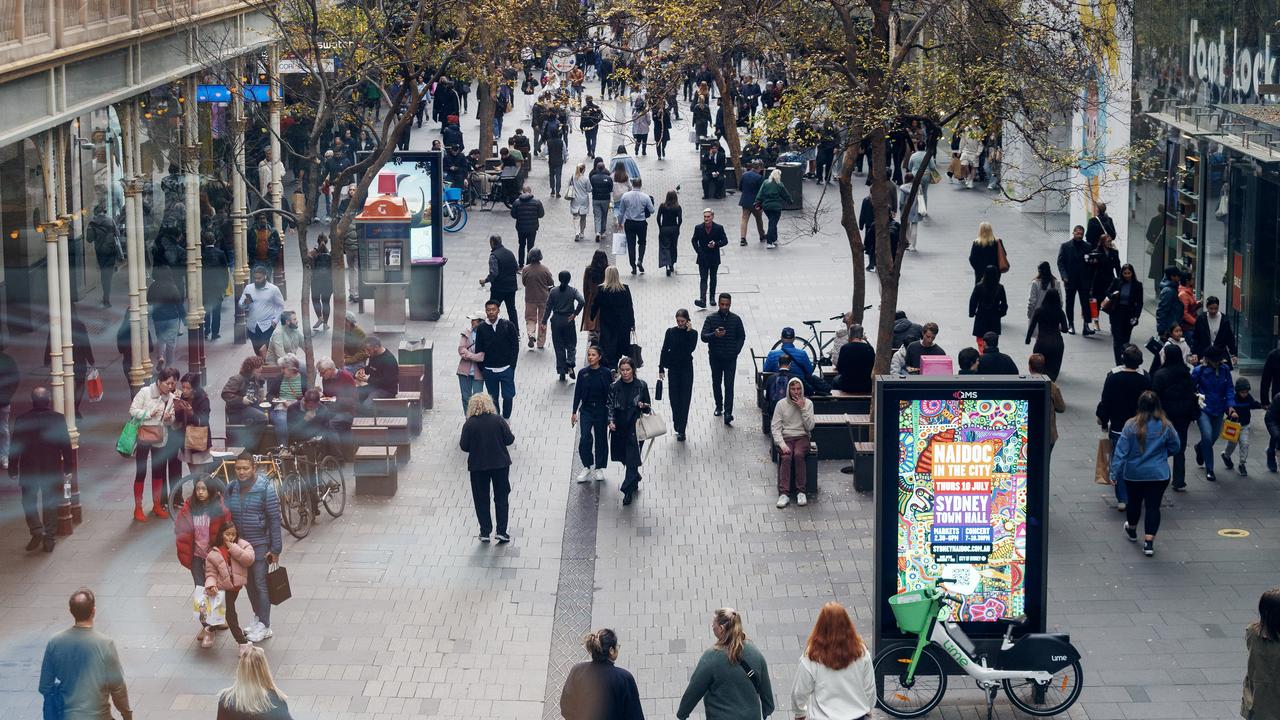
Inflation expectations were also the worst on record, rising from 6.9 per cent to 7.3 per cent.
"We expect household spending to weaken in response to the impact of inflation and higher interest rates on disposable incomes," Ms Angala said.
Economists at all of Australia's big four banks expect the RBA to lift rates again in May.