
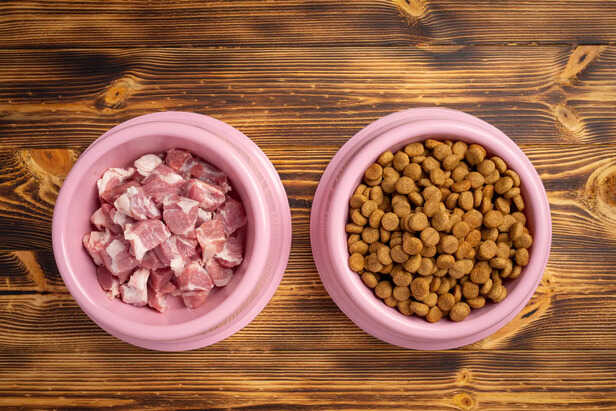
Pet parents in India, from Bhopal apartments to bustling Delhi homes, face a tough choice: raw diets mimicking wolves' meals or trusty kibble bags. Raw enthusiasts tout shinier coats and energy boosts, while kibble fans praise ease amid busy lives. Recent studies, like one from the University of Helsinki, reveal raw fed dogs showing superior metabolic health over kibble eaters. This article unpacks science, vet views, and practical tips to help you decide what's truly healthier for your furry companion.
Nutritional Comparison

Raw diets, often called BARF (Biologically Appropriate Raw Food), feature uncooked muscle meat, organs, bones, and minimal veggies delivering high protein (up to 70%) and fats dogs evolved to digest efficiently. A 2024 Helsinki study on 46 Staffordshire Bull Terriers found raw fed dogs had lower blood sugar, insulin, cholesterol, and weight gain after 4.5 months, plus higher ketones for stable energy indicating better insulin sensitivity and "metabolic flexibility." Kibble, extruded at high heat, meets AAFCO standards for completeness but often packs 30 to 60% carbs from grains or fillers, potentially stressing canine systems designed for low carb intake.
Health Benefits and Risks: Raw Diet
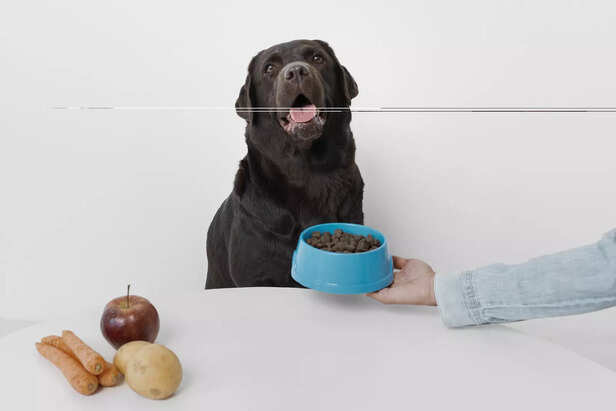
Proponents highlight raw's enzyme retention for superior digestion studies show higher protein digestibility, diverse gut microbiomes, smaller stools, and reduced dental calculus from raw bones. Bloodwork in raw fed dogs often reveals elevated natural vitamins (B, C, E) and minerals for immunity and coat shine. However, vets warn of Salmonella, coli, and antibiotic resistant bacteria in raw meat, risking pet illness or zoonotic spread especially in homes with kids or elders a 2022 study found 90% of DIY raw diets nutrient deficient. Bones can fracture teeth or block intestines if not sized right.
Health Benefits and Risks: Kibble

Quality kibble from WSAVA approved brands ( Royal Canin) ensures balanced macros via feeding trials, suiting picky eaters or travelers with shelf stable convenience at lower costs. It's safer from pathogens due to processing, ideal for immunocompromised dogs. Drawbacks include processing stripping natural nutrients (replaced synthetically, less absorbable) and carb overload linked to obesity, inflammation, and poorer fecal quality in studies. Cheap kibbles risk recalls from fillers or contaminants.
Vet Recommendations and Transitions

Vets like those from AVMA advise against raw for most due to risks, favoring premium kibble unless allergies demand alternatives always check labels for named meats over "by products." For raw switchers: Start 25% raw mixed with kibble over 7 to 10 days; freeze meat; source from vetted suppliers; supplement if needed via nutritionists. Monitor via annual bloodwork raw suits active breeds like Labs, kibble fits seniors or apartments. Hybrids (80% kibble, 20% raw toppers) balance benefits. In India, FSSAI regulated kibble thrives in heat; raw needs refrigeration.
Neither raw nor kibble is universally "healthier" raw edges metabolic wins for fit dogs under supervision, while kibble excels in safety and simplicity for everyday reliability. Base your pick on lifestyle, budget, and vet input Test with stool/energy checks after 1 to 3 months. Your dog's gleam, vigor, and joy prove the winner prioritize quality over trends for those tail wagging years ahead.