
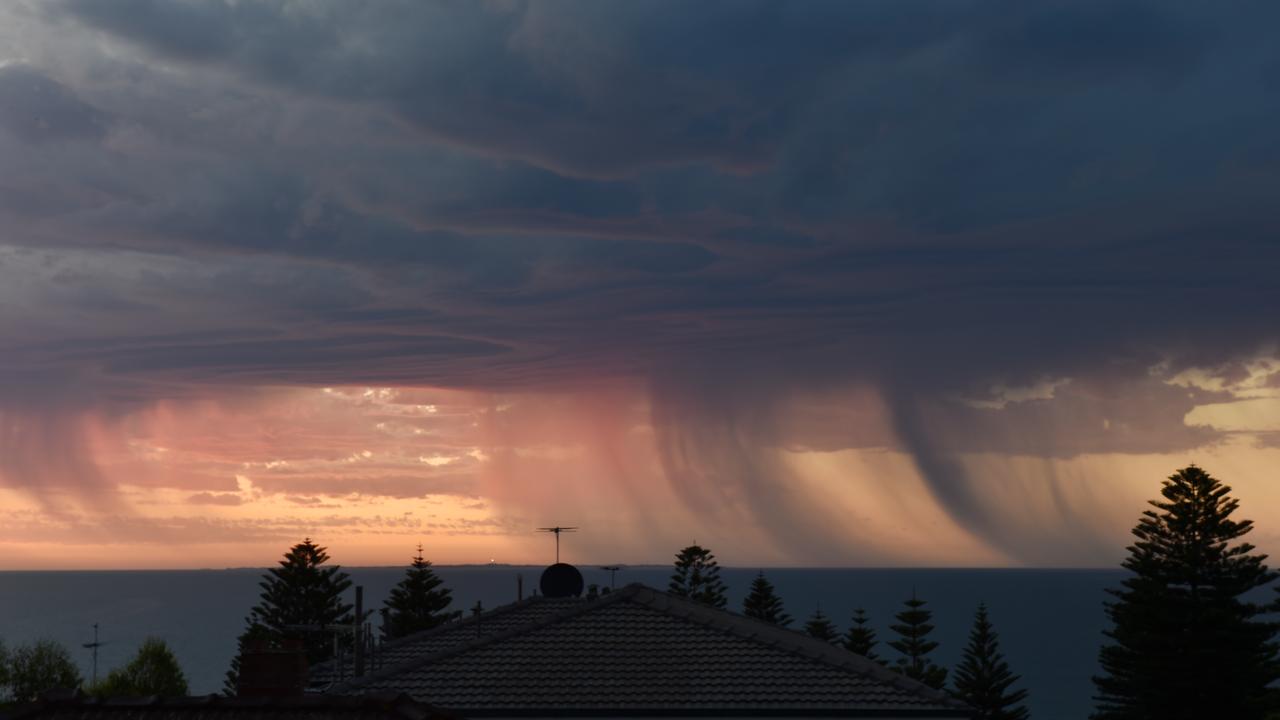
Severe weather driven by a "once-in-every-few-years" low pressure system is bound for one of Australia's main population centres.
Heavy rain and and potentially destructive winds were set to begin impacting the West Australian coastline from Saturday evening, continuing throughout the weekend and into Monday.
Severe weather warnings are in place from Kalbarri, north of Geraldton, all the way down past Perth to the state's southern coastline.
Severe Weather Update Saturday 30 May 2026: Destructive winds, severe storms, large waves for WA.
— Bureau of Meteorology, Australia (@BOM_au) May 30, 2026
Video current as of 10:00am AWST Saturday 30 May 2026.
For the latest forecasts and warnings, go to our website https://t.co/4W35o8iFmh or the BOM Weather app. pic.twitter.com/95hVJa7IFA
The unusually strong system would bring potentially destructive wind gusts, heavy falls and very large waves, Bureau of Meteorology meteorologist Ilana Cherny said.
Ms Cherny said damage to property and power outages were likely, with the most severe impacts predicted to be felt southwest of about Perth to Albany.
"The risk of those hazards begins this evening as showers and thunderstorms start to move through," she said.
"In addition to those winds and rain ... we may also see some very localised tornadoes which, if they develop, would be very fast moving and short-lived."
Kalbarri and the central west were expected to begin feeling the storm's effects first as it extended into the lower west and southwest through the early hours of Sunday.
The risk of damaging winds would continue east beyond Esperance into Sunday.
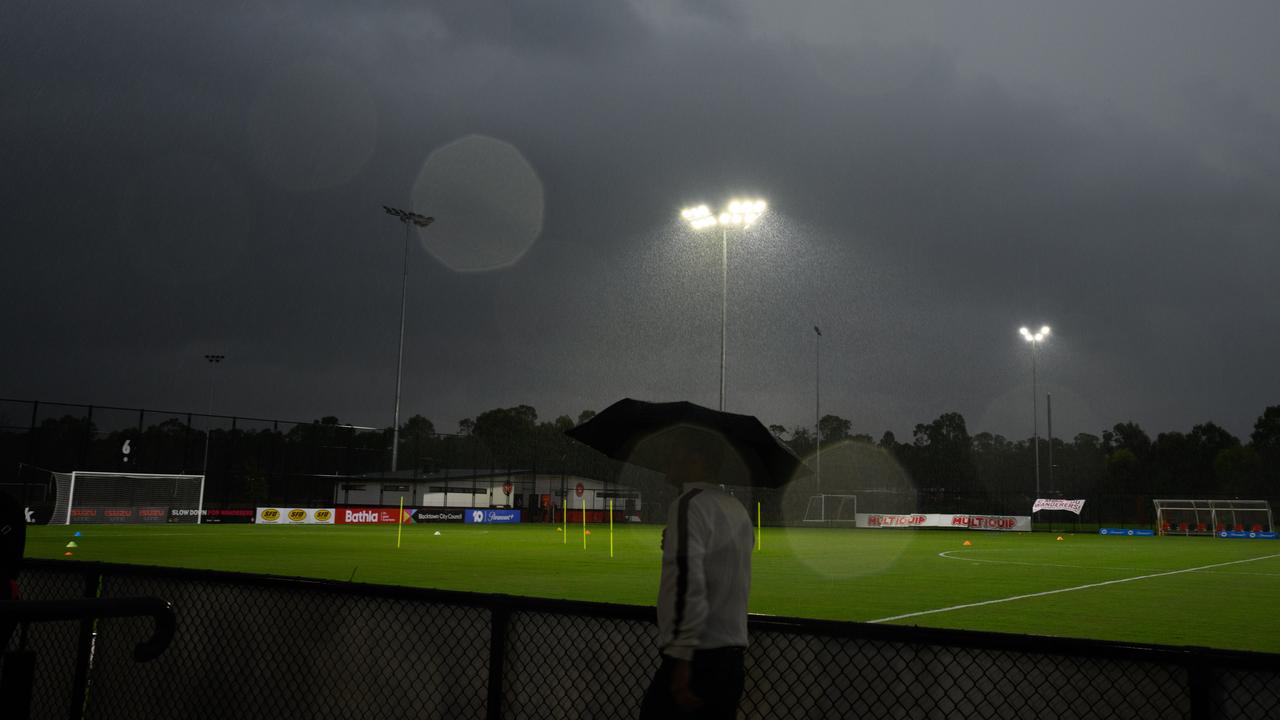
Offshore waves up to eight metres were possible on Sunday which could create dangerous surf, coastal erosion and potential inundation of low-lying areas.
Throughout Sunday evening and into Monday a second burst of very strong winds, as well as thunderstorms, is expected to impact the coastline north of Perth, down through the Margaret River and as far south as Albany.
Driving the severe weather is a low pressure system heading towards the coast which Ms Carney described as unusually deep.
"We only see one this deep on average once every few years," she said.
On Monday the low will continue east into the Great Australian Bight with gusty storms expected to impact Adelaide and surrounds early in the week.