Raksha Bandhan 2026 Date: 28 August, Friday in India, This year, people have been confused about the exact day of the Raksha Bandhan. The Purnima Tithi falls on August 27 and August 28 which creates confusion. The full-moon tithi will begin on August 27 at 9.08 am and will end on August 28 at 9.48 am. Raksha Bandhan is celebrated on the Purnima day and the relevant time frame is August 28, so brothers will tie Rakhi to their brothers on Friday, August 28.
Raksha Bandhan 2026 date: August 27 or 28?
If you are checking your calendar and wondering whether Rakhi falls on August 27 or August 28 this year, the answer is August 28, 2026. The reason August 27 also appears in some searches is that the Purnima Tithi starts on that day. However, the tithi continues into August 28 and ends at 9:48 am that morning.
Rakhi Shubh muhurat on August 28
The muhurat for Rakhi thread ceremony on August 28 for New Delhi is from 5:57 am to 9:48 am, as per the Panchang. The time may vary slightly in different places, so people in other cities should check their local Panchang before planning the ceremony. An important point this year is that Bhadra ends before sunrise, so the Rakhi ceremony does not have to be postponed due to Bhadra during the available morning muhurat in New Delhi.
Why is August 27 showing up for Raksha Bandhan?
The confusion is linked to the Purnima Tithi rather than a second Raksha Bandhan date.
According to the Panchang for New Delhi, Purnima Tithi begins at 9:08 am on August 27 and ends at 9:48 am on August 28. Raksha Bandhan is associated with the Shravana Purnima, which is why the festival date is observed on August 28 this year.
Raksha Bandhan 2026
Raksha Bandhan 2026 Date: Friday, August 28, 2026
Raksha Bandhan Purnima Tithi begins: August 27 at 9:08 am
Raksha Bandhan Purnima Tithi ends: August 28 at 9:48 am
Rakhi tying muhurat: 5:57 am to 9:48 am
Bhadra: Ends before sunrise
Why Raksha Bandhan is celebrated?
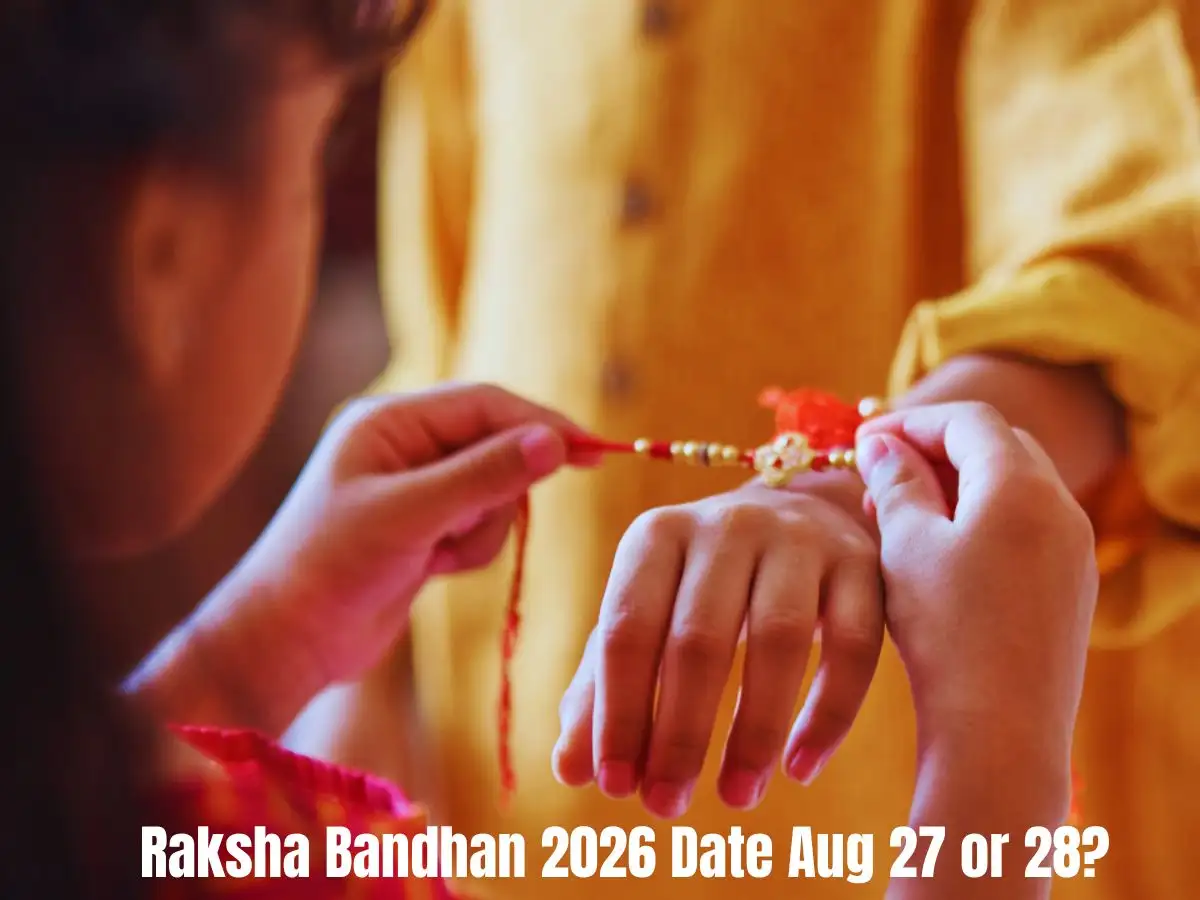
Raksha Bandhan is celebrated as a festival of the bond between brothers and sisters. On the occasion, sisters traditionally tie a Rakhi around their brothers' wrists, while brothers offer gifts and reaffirm their affection and support.
The festival has also evolved beyond the traditional brother-sister ritual, with many families using the occasion to celebrate sibling relationships and spend time together.