Rachel Reeves has stated that trade disruption resulting from the Middle East crisis is "certainly not good for the British economy".
The Chancellor indicated the government could be prepared to intervene on energy costs if the conflict spiralled.
Appearing before Parliament’s Treasury Committee on Wednesday, Ms Reeves said it would be "unwise to speculate" about the Iran war's impact on UK inflation, growth, or interest rates. She confirmed, however, that the Treasury is "looking at a number of scenarios".
The conflict has restricted shipping through the Strait of Hormuz, a vital route for oil and gas supplies.
Three commercial ships were hit by "unknown projectiles" in the region in separate incidents on Wednesday morning, according to the UK Maritime Trade Operations Centre.
One attack off the Oman coast set a vessel ablaze. US Central Command overnight said American forces had "eliminated multiple Iranian naval vessels", including "16 minelayers", near the Strait of Hormuz.
Ms Reeves told MPs: “It’s certainly not good for the British economy to have trade disrupted, and especially when so much oil and gas comes from that part of the world.
“But the best thing that we can do as a Government is to seek to de-escalate this conflict.”
She said “the quicker we can de-escalate, the better it will be for all of those different economic variables”.
G7 countries, whose finance and energy ministers have met in recent days, are mulling the release of strategic oil reserves.
Ms Reeves said: “I’ve been very clear that the UK is willing to play its part in using those reserves to put downward pressure on oil prices and ensure that supply remains strong.”
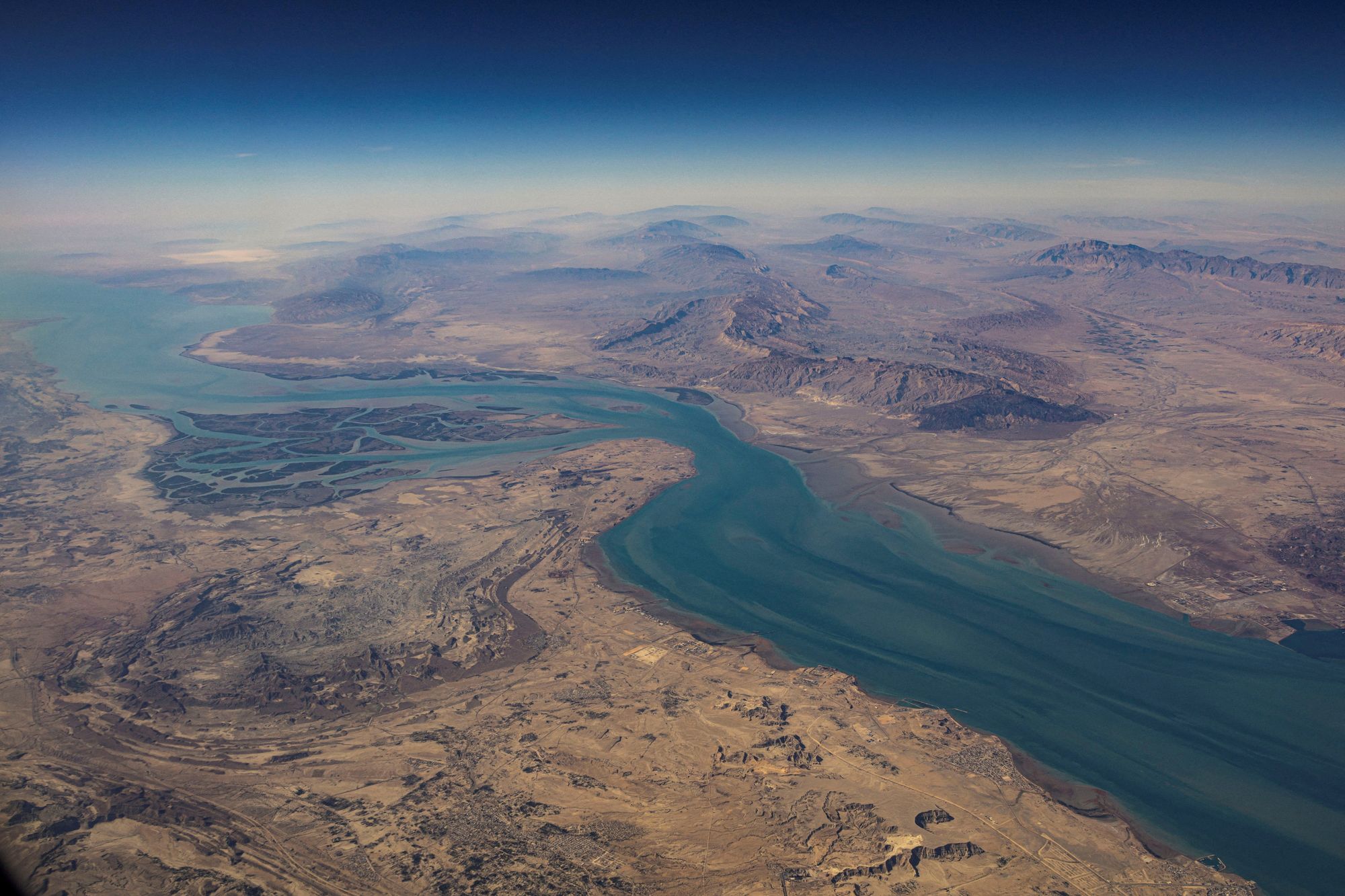
The UK is working closely with allies in the Gulf and in the G7 and also with the insurance industry to ensure that vessels can move through the Strait of Hormuz again she added.
Asked if the Government has the ability to intervene as it did during the Ukraine crisis, the senior minister told MPs: “We will always make sure that we do everything we can to protect consumers, but also to ensure our national security as an economy.
“We are in a stronger position than when I became Chancellor to respond to shocks like these and we are in a stronger position in many ways than when Russia illegally invaded Ukraine.”
Inflation is lower than at the time of the Ukraine invasion, she said, and was forecast to go down.
The UK is less reliant on gas than at the time of the 2022 Russian invasion, which led to a spike in prices and a multibillion-pound state intervention to subsidise bills.
Nick Clegg hits out at ‘deeply unfair’ university tuition fees system
Iran-US war live: Ships struck in Strait of Hormuz after US hits mine-laying boats
Why was Peter Mandelson arrested?
Nazanin Zaghari-Ratcliffe urges Starmer not to get dragged into Trump war on Iran
Timeline of Lord Mandelson’s controversial relationship with Jeffrey Epstein
From Labour ‘Prince’ to Epstein shame: How Lord Mandelson fell from grace