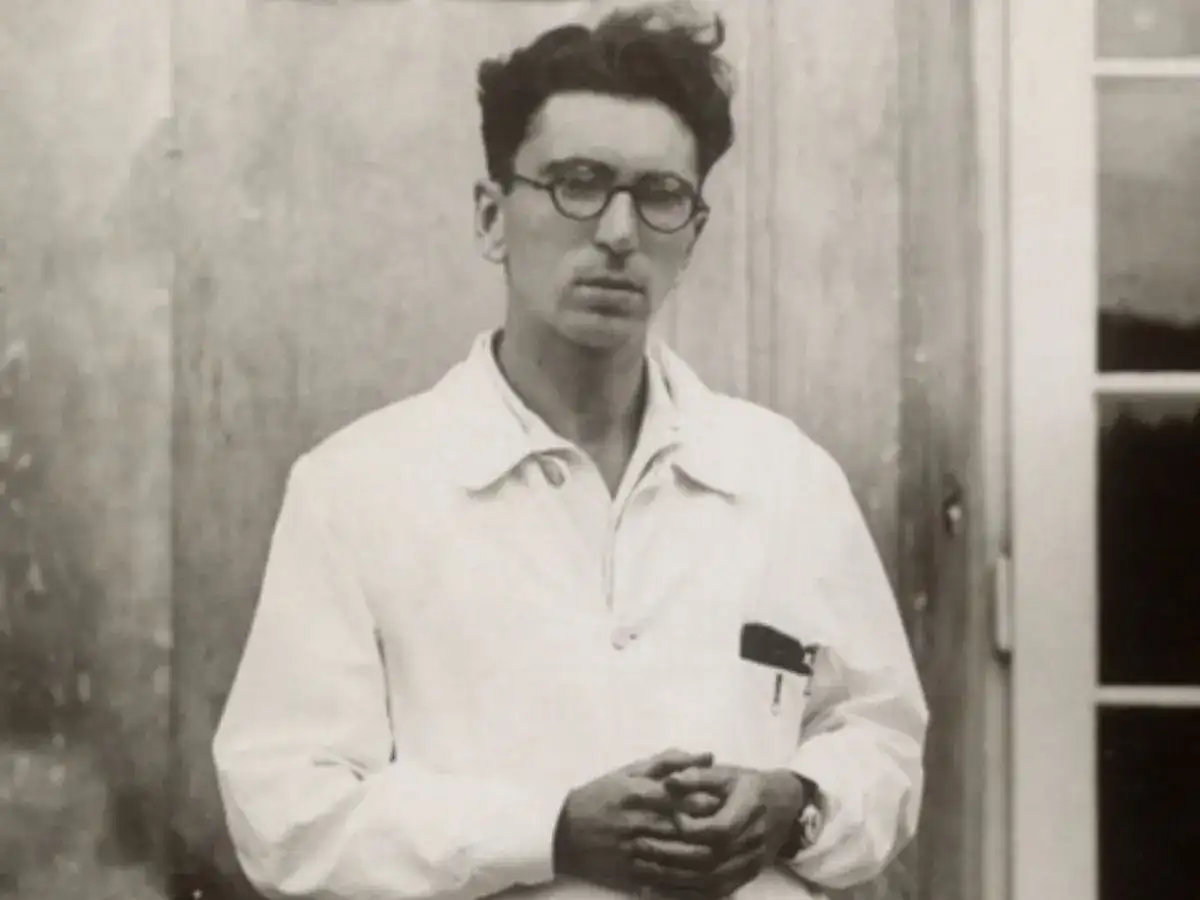
Some quotes feel inspiring for a moment. Others stay with people for life because they emerge from real pain, survival, and experience. One of the most powerful examples comes from Viktor Frankl, whose words continue to offer hope to millions facing grief, fear, uncertainty, and hardship decades later.
Quote of the Day by Viktor Frankl
Viktor Frankl once wrote, “Everything can be taken from a man but one thing: the last of the human freedoms—to choose one’s attitude in any given set of circumstances, to choose one’s own way.”
The quote has remained timeless because it was not written from comfort or privilege. It came from a man who survived some of the darkest horrors in human history. During World War II, Frankl was imprisoned in Nazi concentration camps, including Auschwitz, where he lost his parents, brother, and pregnant wife. He endured starvation, brutality, humiliation, and constant uncertainty about whether he would survive another day.
Yet even in those unimaginable conditions, Frankl observed something that changed the course of his thinking forever. He realised that while people could lose their possessions, freedom, health, and loved ones, there was still one thing no oppressor could completely control: the ability to choose how to respond internally.
Why does Viktor Frankl’s quote still connect so deeply with people today?
What makes the quote so emotionally powerful is its honesty. Frankl was not pretending suffering was easy or romantic. He understood pain more intimately than most people ever will. But he believed human beings still possessed the ability to decide how suffering would shape them.
For many readers, the quote feels deeply personal because life often brings situations nobody can control. Illness, heartbreak, failure, loss, betrayal, financial struggles, and uncertainty can leave people feeling powerless. Frankl’s words do not promise magical solutions. Instead, they remind people that even when circumstances become unbearable, their mindset and response still belong to them.
That idea later became central to Frankl’s famous book, Man’s Search for Meaning, which explored survival, resilience, and the psychological importance of purpose. The book went on to influence generations of readers, therapists, leaders, athletes, and educators around the world.
The quote also stands out because it challenges a common assumption about freedom. Most people think freedom only means external independence — money, opportunity, success, or control over life. Frankl suggested something deeper: true freedom begins internally.
What does this quote teach us about resilience and personal choice?
One reason the quote continues spreading online today is because modern life often feels emotionally overwhelming. Social pressure, constant comparison, anxiety, and uncertainty can make people feel trapped by situations they cannot change. Frankl’s words offer a different perspective.
The quote does not deny pain. Instead, it argues that human dignity survives through choice. A person may not control what happens to them, but they can still choose compassion over bitterness, courage over fear, or hope over despair.
That is what gives the quote its emotional weight. Frankl understood that attitude is not about pretending everything is fine. It is about refusing to let suffering completely define one’s humanity.
Over the years, Viktor Frankl became one of the most influential voices in psychology and philosophy because his ideas were rooted in lived experience rather than abstract theory. His work on meaning and resilience helped shape existential therapy and inspired conversations about mental strength, purpose, and emotional survival across generations.
Today, his quote continues going viral not because it offers easy motivation, but because it speaks to something universal. Every person eventually faces moments they cannot control. Frankl’s words remind them that even then, one freedom still remains.
The quote still feels so powerful decades later. Not because it promises a life without suffering, but because it insists that even in darkness, human beings still have the ability to choose who they become.