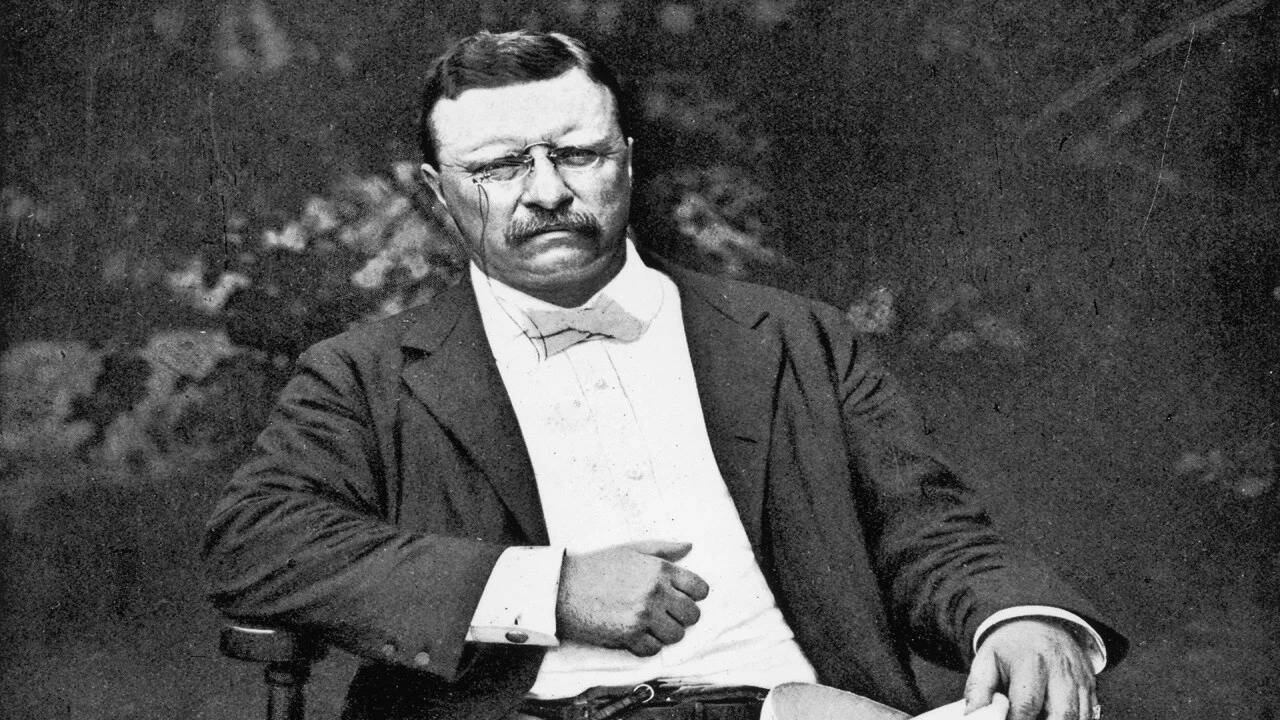
“The best prize that life offers is the chance to work hard at work worth doing.” — Theodore Roosevelt
Get breaking news anytime, anywhere. Download the TOI app now!
Hard work is usually spoken of as the price people pay to achieve success. Theodore Roosevelt's words turn that idea around. The 26th US president suggested that the real reward is not the promotion, the wealth or the recognition that may come later. It is the opportunity to devote time and energy to something that genuinely deserves the effort. The saying makes an important distinction between being busy and being purposeful. Long hours alone do not make work meaningful. Meaning comes from believing that what is being built, created or contributed has value beyond the hours invested in it.
Roosevelt expressed this idea in his 1910 speech Citizenship in a Republic , delivered at the Sorbonne in Paris, a speech remembered today for its famous “Man in the Arena” passage. Throughout his public life, he argued that citizenship, public service and personal responsibility demanded action rather than comfort. Although the speech was addressed to questions of democracy and public life, the quotation reaches much further. It asks readers to think not only about how hard they work but also about what, exactly, they are working towards.
Effort is easier to sustain when it has a purpose
People are capable of remarkable endurance when they understand why their work matters. Doctors continue through long shifts because patients depend on them. Teachers spend years preparing lessons that may influence lives they will never fully witness. Scientists devote decades to research without any guarantee that the answer they seek will be found during their own careers. Parents willingly sacrifice sleep, comfort and personal time because they see those efforts as investments in someone else's future.
The work itself is not always enjoyable. It can be repetitive, physically demanding or emotionally exhausting. What makes it worthwhile is the purpose attached to it. Without that purpose, the same effort can quickly become a burden.
Roosevelt's own life reflected this belief. A sickly child who struggled with severe asthma, he embraced what he called “the strenuous life,” believing that physical and mental challenges built character rather than diminished it. As a rancher, soldier, conservationist, governor and eventually President of the United States, he repeatedly chose demanding responsibilities over easier alternatives. His achievements differed widely, but they were connected by a conviction that meaningful work required commitment rather than convenience.
Not every worthwhile job is prestigious
The saying also challenges a common misunderstanding about meaningful work. Purpose is not determined by status. Some of the most valuable work in society receives little public attention, while highly visible careers are not automatically fulfilling.
A mechanic who keeps ambulances on the road, a sanitation worker who helps keep cities healthy, a farmer whose harvest feeds thousands or a nurse caring for patients through the night may never receive widespread recognition. Their work still carries enormous value because other people depend on it. Likewise, an artist, researcher or entrepreneur may spend years on a project before anyone else understands its significance. The worth of the effort cannot always be measured by immediate applause.
That is one reason Roosevelt speaks of “work worth doing” rather than “successful work.” Success depends partly on circumstances beyond an individual's control. Worth depends on contribution, integrity and the difference the work makes, whether or not it attracts attention.
This idea also explains why people sometimes leave secure careers to pursue different paths. The decision is rarely about avoiding hard work. More often, it reflects the search for work that feels connected to their abilities, values or sense of responsibility. The hours may remain just as long, but the reason for investing those hours changes completely.
Why the quote still resonates
Modern life has made it easier to measure careers through salaries, titles and public recognition. Those measures have their place, but they cannot answer a more personal question: does the work itself feel worth the effort it demands? Roosevelt's quotation continues to resonate because it shifts attention away from rewards that arrive at the end of a journey and towards the value of the journey itself.
Few people remember a life solely because it was comfortable. They remember the causes they believed in, the problems they helped solve, the people they served and the work that gave shape to their days. Roosevelt’s words remind readers that the greatest prize is not simply to work hard, nor merely to succeed. It is to spend one's effort on something that remains worthwhile long after the work is done.