Love, peace, and forgiveness have the power to transform human behavior in ways that anger and revenge never can. A compassionate mindset can calm conflict, heal emotional wounds, and bring harmony even in the most divided situations.
Gandhi’s powerful quote, “An eye for an eye will only make the whole world blind,” highlights the danger of retaliation and endless cycles of revenge. In today’s world of social conflict, emotional reactions, and global tensions, this message remains deeply relevant. It reminds us that true strength lies in restraint, forgiveness, and understanding rather than revenge. Gandhi’s words continue to inspire discussions about peace, emotional maturity, and the importance of choosing compassion over conflict to build a better and more balanced world.
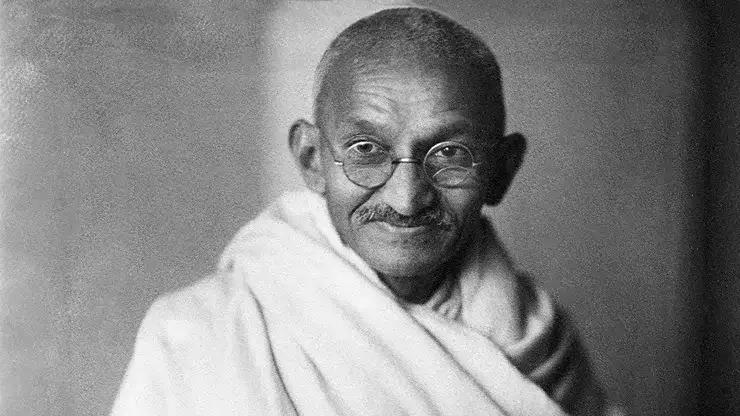
Quote of the Day by Mahatma Gandhi on forgiveness, truth and non-violence: “An eye for an eye will only make the whole world blind.”
Meaning of Mahatma Gandhi’s Quote About Revenge and Humanity
Mahatma Gandhi’s quote explores the destructive nature of revenge and how it impacts individuals and society. The phrase “an eye for an eye” represents the idea of retaliation responding to harm with the same harm. Gandhi warns that if everyone follows this path, it only leads to continuous conflict, suffering, and loss of humanity.
However, the deeper meaning of his message is that true strength lies in breaking this cycle. Choosing forgiveness, patience, and understanding prevents violence from spreading further. Instead of escalating conflict, compassion helps restore peace and balance.
This quote emphasizes that a peaceful society cannot be built on revenge. It highlights the importance of emotional control, moral strength, and forgiveness in resolving conflicts and maintaining harmony in human relationships and the world at large.
Mahatma Gandhi Biography: Early Life and Background
Mahatma Gandhi was born on October 2, 1869, in Porbandar, Gujarat, India. His full name was Mohandas Karamchand Gandhi. He was born into a Hindu family where his father served as a local government official and his mother was deeply religious and influenced by Jain traditions. These early influences shaped his lifelong principles of truth, non-violence, self-discipline, and simplicity. As a child, Gandhi was quiet and introverted, but he developed strong moral values that later guided his leadership style.
Education and Journey to England
In 1888, Gandhi traveled to London to study law at University College London. His time in England exposed him to Western culture, literature, and various religious ideas, including Christianity and Theosophy. He worked hard to adapt to a new lifestyle while maintaining his vegetarian diet and personal values. After completing his law degree in 1891, he returned to India as a qualified barrister, but struggled to build a strong legal career due to lack of confidence and courtroom experience.
Experience in South Africa
In 1893, Gandhi accepted a legal assignment in South Africa, which became a turning point in his life. He faced severe racial discrimination, including being denied basic rights and publicly humiliated for his skin color. One of the most famous incidents was when he was thrown off a train for refusing to leave a first-class compartment. These experiences deeply affected him and inspired him to fight injustice. It was here that he developed the concept of
Satyagraha, a philosophy based on truth, non-violent resistance, and civil disobedience.
Role in India’s Freedom Struggle
Gandhi returned to India in 1915 and quickly became a leading figure in the independence movement against British rule. He organized and led several major nationwide movements, including the Non-Cooperation Movement (1920), Civil Disobedience Movement (1930), and the Quit India Movement (1942). He encouraged Indians to boycott foreign goods, promote self-reliance, and unite across caste, religion, and class barriers. His leadership transformed the freedom struggle into a mass movement involving millions of ordinary people.
Legacy and Death
Mahatma Gandhi played a key role in India achieving independence on August 15, 1947. Even after independence, he continued working for peace, religious harmony, and social reform, especially during the partition violence. On January 30, 1948, he was assassinated in New Delhi by Nathuram Godse. Despite his tragic death, Gandhi’s philosophy of non-violence and truth continues to inspire global leaders and movements. He is remembered as the “Father of the Nation” in India and a timeless symbol of peace, courage, and moral leadership.
What is Non-violence
Non-violence is a philosophy and practice of avoiding harm to others in thoughts, words, and actions. It is based on the belief that conflicts and injustice can be resolved without using physical force or aggression. Instead of responding with violence, non-violence encourages patience, dialogue, understanding, and peaceful resistance. This idea is closely associated with leaders like Mahatma Gandhi, who used non-violence as a powerful tool during India’s freedom struggle. Non-violence does not mean weakness; rather, it requires great inner strength, self-control, and courage to face difficult situations without reacting aggressively. It promotes respect for all human beings and aims to create harmony in society. In today’s world, non-violence is still important for resolving conflicts, building peaceful communities, and encouraging mutual respect among individuals and nations.
Life Lessons from Mahatma Gandhi’s Famous Quote
Mahatma Gandhi’s quote,
“An eye for an eye will only make the whole world blind,”teaches an important lesson about the consequences of revenge and retaliation. It reminds us that responding to harm with more harm only continues a cycle of violence, conflict, and suffering. Instead of solving problems, it deepens divisions between people and communities. The quote encourages individuals to choose forgiveness, patience, and understanding even in difficult situations. Gandhi believed that true strength lies in controlling anger and responding with peace rather than aggression. In everyday life, this lesson helps people build healthier relationships, resolve conflicts calmly, and avoid unnecessary emotional damage. His message continues to guide humanity toward compassion, emotional maturity, and peaceful living in both personal and social situations.
Why This Quote Still Matters Today
Mahatma Gandhi’s quote remains deeply relevant in today’s world because conflicts, misunderstandings, and emotional reactions are still common in daily life. In an age of social media arguments, global tensions, and personal disputes, the idea of avoiding revenge feels more important than ever. Many situations today escalate simply because people react emotionally instead of responding calmly. Gandhi’s message reminds us that breaking the cycle of anger is the only way to create lasting peace. Whether in friendships, families, or international relations, choosing understanding over retaliation helps build stronger and more respectful connections. His words continue to inspire people to practice emotional control, empathy, and peaceful problem-solving in a fast-paced and often reactive world.
Relationship Wisdom
Mahatma Gandhi’s quote,
“An eye for an eye will only make the whole world blind,”offers deep wisdom for how people should handle relationships and conflicts. It reminds us that reacting with revenge, anger, or harshness only damages trust and creates emotional distance between people. In any relationship—whether friendship, family, or romantic—conflict is natural, but how we respond to it defines the strength of the bond. Choosing forgiveness, patience, and understanding helps heal emotional wounds instead of deepening them. Gandhi’s message encourages people to pause before reacting and to respond with calmness rather than aggression. True emotional strength in relationships comes from the ability to let go of anger and choose peace. This wisdom continues to guide people toward healthier communication, stronger bonds, and more respectful human connections.