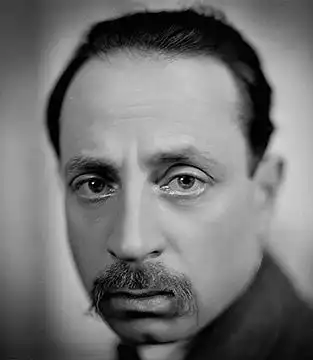
Quote of the Day by Rainer Maria Rilke: Rainer Maria Rilke is widely regarded as one of the most influential poets of modern literature, known for his deeply reflective and philosophical writing on love, existence, solitude, and human emotion. His works often explore the hidden layers of the inner self, focusing on how individuals experience life not only through relationships but also through personal introspection and emotional depth.
Through timeless works such as Duino Elegies and Sonnets to Orpheus, Rilke developed a unique poetic voice that blends philosophy with emotion. His writings continue to resonate because they capture universal human experiences especially the complexity of love and the importance of individuality within relationships. One of his most meaningful reflections states: “Love consists of this: two solitudes that meet, protect and greet each other.” This quote remains powerful because it challenges traditional ideas of love. Instead of describing love as emotional dependence or complete merging, Rilke presents it as a meeting of two complete individuals who maintain their independence while forming a deep connection.
Quote of the Day Today: Rainer Maria Rilke on healthy relationships and maturity
Quote of the Day by Rainer Maria Rilke: "Love consists of this: two solitudes that meet, protect and greet each other "
Meaning of the Quote of the Day: What Rainer Maria Rilke’s quote really means?
The quote by Rainer Maria Rilke beautifully defines love as a mature connection between two independent individuals.
1. Love as two complete individuals coming together
The quote by Rainer Maria Rilke explains that love is not about losing identity or becoming emotionally dependent on another person. When he says, “two solitudes that meet,” he is referring to two individuals who each carry their own inner world—thoughts, emotions, memories, and personal experiences.
The deeper meaning is that love begins when two complete people come together without losing their individuality. Instead of merging identities, Rilke suggests that love is healthiest when both people remain emotionally whole and self-aware.
2. Love as respect, emotional safety, and mutual protection
The second part of the quote, “protect and greet each other” describes how love functions once two individuals come together. To “greet” each other represents acceptance, kindness, and openness without judgment. To “protect” each other represents emotional safety, care, and respect for boundaries.
Rilke’s message highlights that love should not be controlling or possessive. Instead, it should create a space where both individuals feel free to grow while still being emotionally supported. True love, in this sense, is not about ownership but about mutual respect and gentle understanding.
Toxic Love vs Healthy Love
Toxicity in love appears when care turns into control, trust turns into suspicion, and connection turns into emotional pressure. Instead of creating comfort, a toxic relationship often creates anxiety, insecurity, and self-doubt. Love is meant to support growth, but toxicity slowly limits personal freedom and individuality. It can show up as constant criticism, lack of respect for boundaries, emotional manipulation, or the need to dominate the other person’s decisions and feelings. Healthy love, on the other hand, is built on respect, honesty, and emotional safety where both people feel valued and free. Real love does not demand ownership; it encourages understanding and space. When toxicity enters a relationship, communication weakens and emotional distance grows even while people stay together physically. Recognizing toxic patterns early is important because love should bring peace, not pain. True connection allows both individuals to grow, heal, and feel secure without losing their identity.
Biography of Rainer Maria Rilke
Early Life and Background
Rainer Maria Rilke was born on December 4, 1875, in Prague, then part of the Austro-Hungarian Empire. From an early age, he showed sensitivity toward art, language, and emotion. His upbringing was emotionally complex, and his early experiences played a major role in shaping his introspective and deeply reflective writing style.
He initially attended military schools, but the rigid structure did not suit his artistic temperament. He later turned toward literature, philosophy, and poetry, which became the foundation of his life’s work.
Literary Career and Major Works
Rilke’s literary career began in the late 19th century, and he quickly gained recognition for his emotional depth and poetic originality. His writing evolved from early lyrical poetry to more philosophical and existential themes.
Some of his most important works include:
- The Book of Hours
- New Poems
- Duino Elegies
- Sonnets to Orpheus
These works explore themes such as love, death, spirituality, solitude, and the meaning of existence. His poetry is known for its emotional intensity and philosophical depth, making him one of the defining voices of modernist literature.
Travels, Influence and Later Life
Rilke traveled extensively across Europe, including Russia, France, and Italy. These experiences deeply influenced his worldview and writing, exposing him to different cultures, spiritual ideas, and artistic traditions. In his later years, he lived a mostly solitary life in Switzerland, focusing on writing and reflection. Despite his isolation, he produced some of his most powerful literary works during this period. He passed away on December 29, 1926, but his legacy continues to influence poetry, philosophy, psychology, and modern interpretations of love and individuality.
Life Lessons from Rainer Maria Rilke’s Quote on Love
Love requires individuality
Each person should maintain their identity within a relationship rather than losing themselves.
Emotional dependence weakens connection
Healthy love is based on respect and understanding, not neediness or control.
Space strengthens relationships
Personal space allows individuals to grow emotionally and mentally.
Love is acceptance, not ownership
True love respects freedom and does not attempt to control the other person.
Mature relationships balance closeness and independence
The strongest relationships allow both intimacy and individuality to exist together.
Why This Quote is Still Relevant Today
In modern relationships, people often struggle between emotional closeness and personal independence. Many misunderstand love as constant connection or dependency, which can lead to emotional pressure or loss of identity. Rilke’s quote offers a more balanced and mature perspective. It shows that strong relationships are built when two individuals remain independent yet emotionally connected. This idea is especially relevant today, where emotional boundaries, mental health, and personal identity are increasingly important in relationships. His philosophy reminds us that love is not about completing each other, but about respecting each other as already complete individuals.
Other Inspiring Quotes by Rainer Maria Rilke
Here are few more famous quotes by Rainer Maria Rilke
- “Perhaps all the dragons in our lives are princesses who are only waiting to see us act, just once, with beauty and courage. Perhaps everything that frightens us is, in its deepest essence, something helpless that wants our love.” As per Goodreads
- “We need, in love, to practice only this: letting each other go. For holding on comes easily; we do not need to learn it.” As per Goodreads
- “I want to be with those who know secret things or else alone.” As per Goodreads
- “Believe in a love that is being stored up for you like an inheritance, and have faith that in this love there is a strength and a blessing so large that you can travel as far as you wish without having to step outside it.” As per Goodreads
- “I live my life in widening circles that reach out across the world.” As per Goodreads