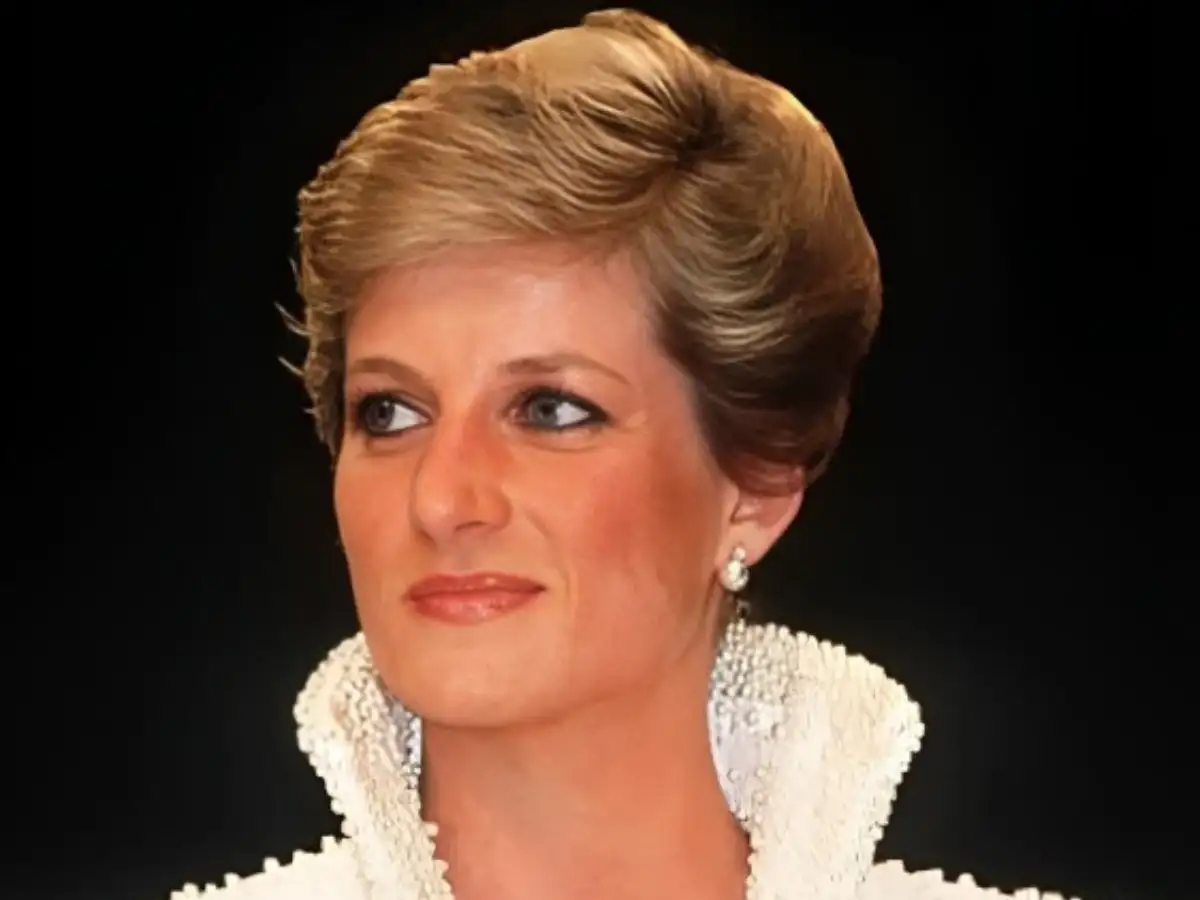
Quote of the Day by Princess Diana: Princess Diana is not just remembered as a member of the British royal family, but as a deeply compassionate and kind human being who connected with people on an emotional level across the world. At a time when public figures often felt distant and unreachable, she stood out for her warmth, empathy, and willingness to engage directly with those suffering. Whether it was visiting hospitals, embracing AIDS patients at a time of stigma, or walking through landmine fields to raise awareness, her actions reflected a consistent belief in human dignity and care.
One of her most powerful quotes captures this spirit beautifully. Even years after her passing, her words continue to circulate widely on social media, inspiring new generations to think differently about compassion and service. Her quote is more than just words and serves as a lasting reminder of how she lived her life.
ALSO READ: Microsoft AI chief says AI could soon replace human office jobs in 18 months. Are you at risk?
Quote of the Day
“Nothing brings me more happiness than trying to help the most vulnerable people in society. It is a goal and an essential part of my life—a kind of destiny. Whoever is in distress can call on me. I will come running wherever they are.” — Princess Diana
This quote underlines a deep sense of purpose rooted in compassion and responsibility towards others and highlights the idea that true happiness comes from helping those in need. It also shows how service was not just an act for Diana, but a personal calling that shaped her identity and life choices.
Understanding the Meaning Behind the Quote
Princess Diana's quote speaks about emotional availability and unconditional care. She is expressing that helping vulnerable people was not occasional charity for her but a guiding force in her life. She saw suffering and responded to it with immediate empathy rather than ignoring it.
The line “whoever is in distress can call on me” reflects a rare kind of openness, where compassion is not limited by status, boundaries, or social barriers. It shows a willingness to step into pain rather than avoid it, something that defined much of her public life.
Even the idea of “coming running wherever they are” suggests urgency and sincerity and talks about active presence—meaning being physically and emotionally there for people when they need support the most.
Princess Diana’s Humanitarian Approach
Princess Diana’s approach to humanitarian work was personal, hands-on, and deeply emotional. She did not limit herself to formal duties or ceremonial appearances and often chose direct interaction with people who were suffering.
One of the most defining aspects of her work was her involvement with AIDS patients during a time when the disease was heavily misunderstood and stigmatized. By holding their hands and speaking to them without gloves, she challenged fear and social prejudice in a powerful way.
She also worked extensively on issues like homelessness and landmine clearance. Her visit to minefields in Angola became a global symbol of courage and awareness, showing how compassion can also influence international policy and public attention. Her humanitarian work was rooted in emotional presence, making people feel seen, valued, heard and respected.
Why This Quote Continues to Be Shared Today
Even decades after her death, Princess Diana’s words continue to circulate widely on social media because they feel timeless and deeply human. In a fast-paced digital world, her message of slowing down and caring for the most vulnerable still feels relevant centuries later.
People connect with her authenticity because she lived the idea of compassion. This makes her words more believable and emotionally powerful.
The quote also resonates because it speaks to a universal human desire: to matter in someone’s life and to make a difference. In moments of stress, isolation, or social distance, her words act as a reminder that kindness still holds meaning.
Princess Diana and Her Global Public Image
Princess Diana’s public image was unique compared to many royal figures. She was often called the “People’s Princess” because of her ability to connect with ordinary individuals on a personal level.
Unlike traditional royal formality, she showed vulnerability, warmth, and emotional openness. This made her widely admired across cultures and countries, not just in the United Kingdom.
Her global influence extended beyond royalty. She became a symbol of empathy, strength, and modern compassion. Even today, she is remembered not only for her role in the royal family but for how she redefined public service with humanity at its center.
Emotional Impact of Her Words
This quote stands out because of its simplicity and emotional clarity and doesn’t depend on complex language or abstract ideas. Instead, it speaks directly about real human situations—pain, need, and the act of helping others.
For many readers, it works like a gentle reminder of personal responsibility toward society. It encourages reflection on how we respond when someone around us is struggling.
The quote also highlights an important idea: empathy is not just an emotion, it is a conscious choice. You decide to show up, to care, and to respond. Because of this message, the quote is often shared in contexts related to charity work, volunteering, and motivational content, where it continues to inspire action rather than just thought.
Legacy of Compassion in Public Memory
Princess Diana’s humanitarian efforts remain a defining part of how she is remembered today. Her work went beyond symbolic appearances and helped bring attention to issues that were often ignored or misunderstood in mainstream discussions.
Her involvement with HIV/AIDS patients played a major role in changing public perception at a time when fear and stigma were widespread. Similarly, her advocacy against landmines helped draw global attention to the long-term impact of war on innocent civilians.
These efforts contributed to a wider conversation about dignity, health, and global responsibility. She used her public platform to highlight human suffering in a way that felt personal and urgent.
This quote reflects that broader legacy. It reinforces the idea that responding to people in distress should be immediate, sincere, and deeply human—values that continue to define her lasting impact on the world.
How to Apply This Quote in Real Life
Here are 5 simple ways to bring this Princess Diana's message into everyday life:
1. Help without waiting for the “right moment”
Don’t wait for perfect conditions or convenience. If someone needs support—emotional, financial, or practical—respond when you can, even in small ways.
2. Be present for people in distress
Sometimes people don’t need advice, just someone who listens. Give your attention fully when someone is going through a difficult phase.
3. Practice small acts of kindness daily
It doesn’t have to be big actions. Checking on a friend, helping a stranger, or offering encouragement can reflect the same spirit of compassion.
4. Turn empathy into action
Feeling for others is important, but acting on it matters more. Volunteer, donate, or support causes that help vulnerable people in your community.
5. Make kindness a personal habit, not an occasional act
Instead of treating kindness as something rare, build it into your lifestyle. Responding with care should feel natural, not forced or occasional.
Other famous quotes by Princess Diana
“Family is the most important thing in the world.”
“Only do what your heart tells you.” “Anywhere I see suffering, that is where I want to be, doing what I can.”
“Hugs can do great amounts of good—especially for children.”
“People think that at the end of the day a man is the only answer to fulfillment. Actually, a job is better for me.”
“I like to be a free spirit. Some don’t like that, but that’s the way I am.”
“Carry out a random act of kindness, with no expectation of reward, safe in the knowledge that one day someone might do the same for you.”
“I felt I was a lamb to the slaughter. And I knew it.”
“Everyone needs to be valued. Everyone has the potential to give something back.”
“I don't go by a rule book; I lead from the heart, not the head.”
“I think the biggest disease the world suffers from in this day and age is the disease of people feeling unloved.”