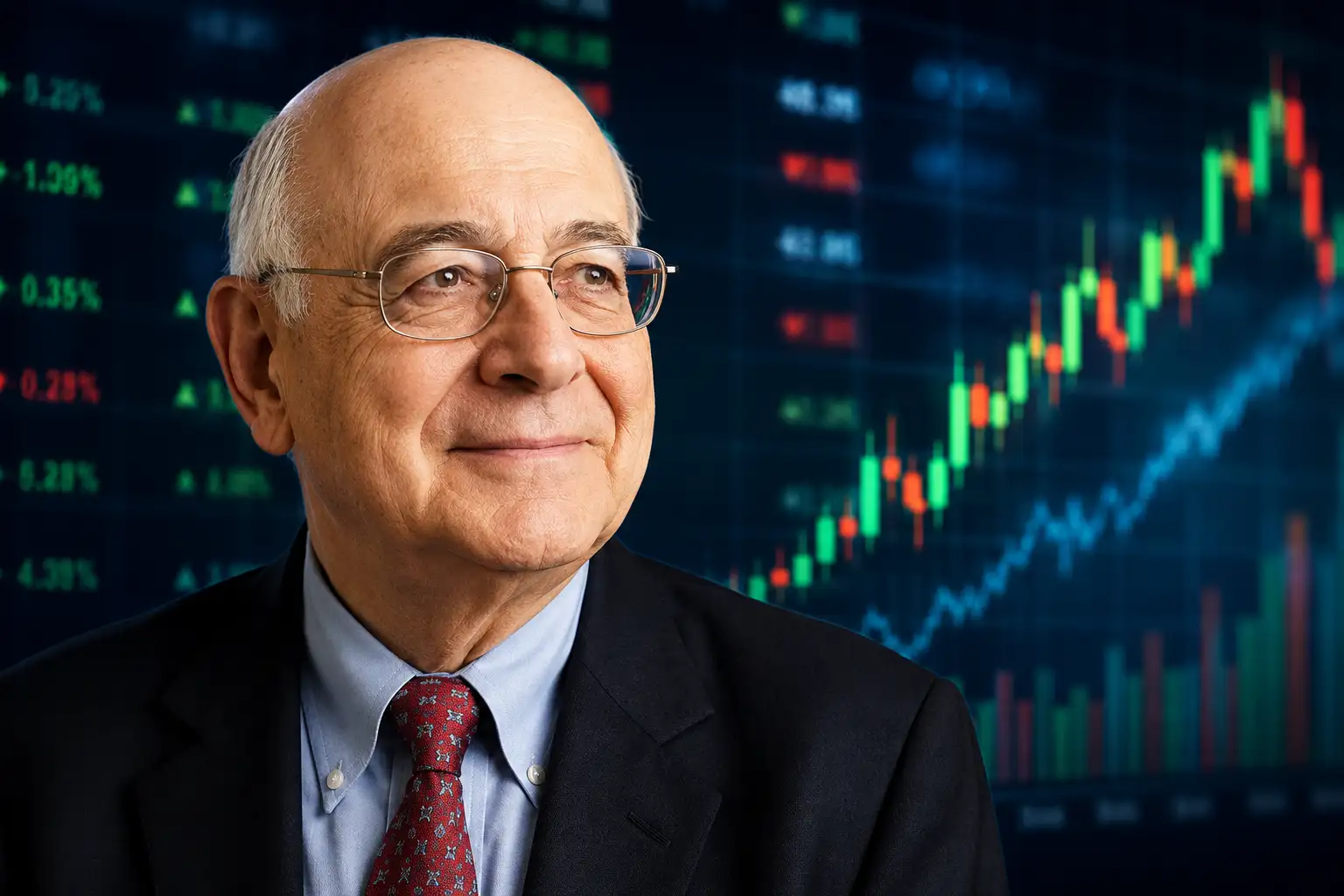
Behavioral finance expert Meir Statman once remarked, “The market may be crazy, but that doesn’t make you a psychiatrist.” The quote captures one of the biggest mistakes investors make during periods of volatility, trying to diagnose, predict, and outsmart every market movement instead of focusing on disciplined investing.
Markets Often Defy Logic
Markets frequently behave irrationally. Stocks rally on weak economic data, fall despite strong earnings, and swing sharply on geopolitical headlines, interest rate expectations, or investor sentiment. In such an environment, many investors begin treating the market like a patient whose emotions and intentions must be interpreted daily.
Statman’s observation is a reminder that investors are not required to explain every twist and turn of the market. Attempting to constantly decode short-term behavior can lead to emotional decisions, overtrading, and poor portfolio outcomes.
The Danger of Emotional Investing
Investors often assume they can identify whether markets are euphoric, fearful, manipulated, or disconnected from reality. But history shows that markets can remain irrational far longer than investors expect.
The quote is especially relevant in modern markets driven by social media trends, algorithmic trading, retail participation, and rapid news cycles. Sharp rallies and sudden corrections frequently tempt investors into reacting impulsively. Fear of missing out during bull runs and panic during downturns can cloud judgment.
Behavioral Finance and Human Psychology
Behavioral finance studies have consistently shown that emotions such as greed, fear, overconfidence, and regret influence investment decisions more than pure logic. Statman, one of the pioneers in behavioral finance, has long argued that investors are human beings with emotional tendencies, not perfectly rational machines.
Rather than trying to “treat” the market’s perceived irrationality, long-term investors are generally better served by focusing on fundamentals, diversification, asset allocation, and risk management.
Discipline Matters More Than Prediction
Successful investing often depends less on predicting short-term market psychology and more on maintaining discipline through market cycles. The quote also highlights the importance of humility in investing. No investor, strategist, or analyst can consistently explain every market move.
Economic forecasts shift, geopolitical risks evolve rapidly, and sentiment can overpower fundamentals in the short run. Investors who accept this uncertainty are often better positioned to avoid emotional mistakes.
The Bigger Lesson for Investors
In the end, markets do not need therapy, they simply reflect the collective emotions, expectations, and uncertainties of millions of participants. Investors who recognize this reality are often more likely to remain patient, disciplined, and focused on long-term financial goals rather than reacting to every bout of market “madness.”