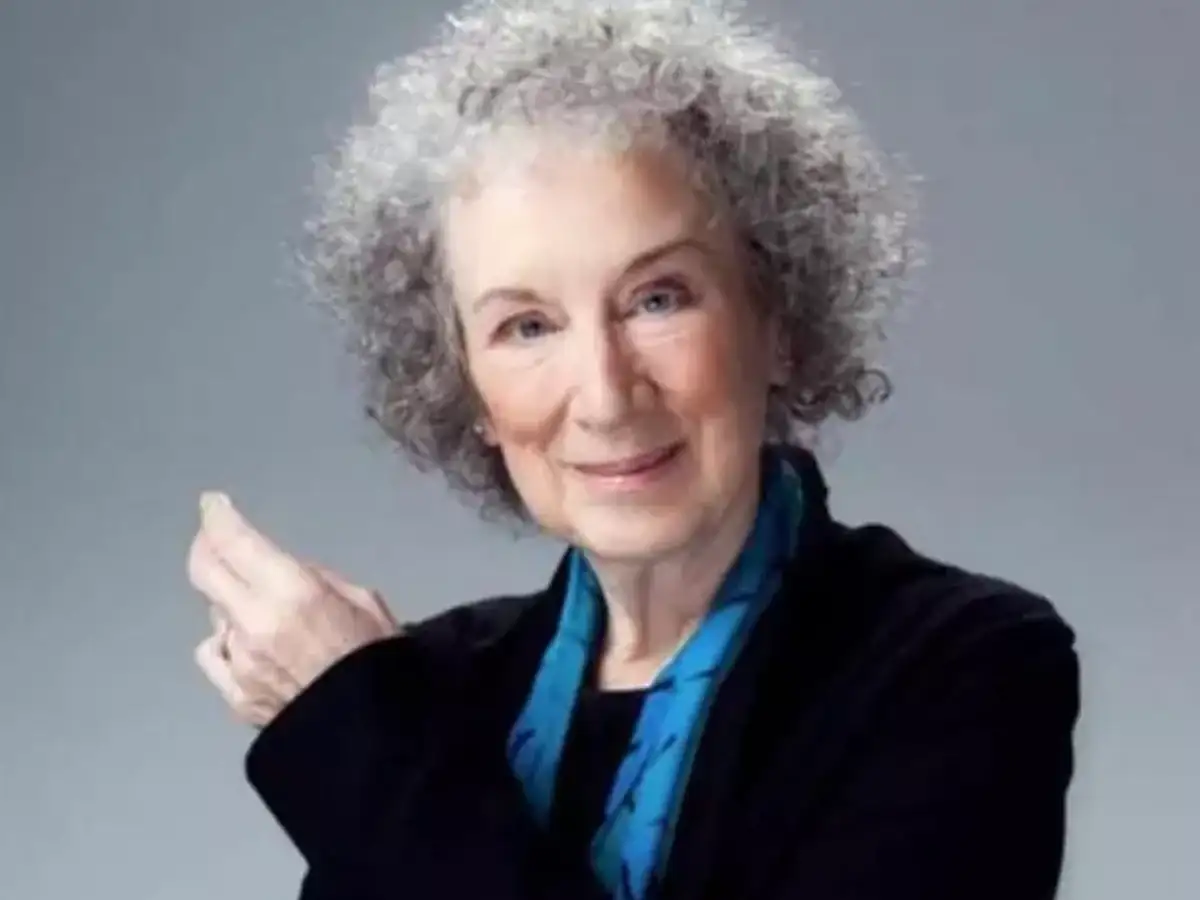
Words can seem ordinary when we use them every day, but Margaret Atwood's famous line, “A word after a word after a word is power,” offers a powerful reminder of just how much language can influence people, ideas and even society. The quote comes from Atwood's poem “Spelling”, which is associated with her 1981 poetry collection True Stories.
The line has also been used officially by Canada Post on a Margaret Atwood commemorative stamp, which described it as a line from “Spelling”, one of her best-known poems about writing.
What does Margaret Atwood's quote mean?
At its heart, the quote suggests that individual words can gain strength when they are brought together. One word may communicate an idea, but words arranged into sentences can tell a story, make an argument, record an experience or give a voice to someone who might otherwise remain unheard.
The simplicity of the line is part of its impact. Atwood does not describe words as powerful on their own; instead, she emphasises the process of putting one word after another. For writers, journalists, poets and readers, that can be understood as a reminder that meaningful communication is built gradually.
Words can give people a voice
One of the strongest life lessons in Atwood's quote is the importance of finding your voice. Writing down an experience, expressing an opinion or simply telling your story can be a way of reclaiming control over how your experiences are understood.
This idea is particularly significant in “Spelling”, where Atwood connects language with themes of identity, silence and women's experiences. The poem moves from a child learning letters to much deeper questions about language and power.
Small efforts can create something powerful
The quote can also be read as a lesson about consistency. A single word may not seem significant, just as one small effort may not appear to change much. But repeated efforts can eventually produce something substantial.
Writing a page every day, learning a new skill, speaking up when something matters or making small improvements to your life can work in much the same way. Progress often happens one small step at a time.
Your words can shape how others see the world
Language does more than describe reality. The words people choose can influence how an idea, person or event is perceived. A carefully written story can make readers understand an experience they have never lived themselves, while careless words can spread misunderstanding.
That makes Atwood's quote particularly relevant in an age of social media, instant messaging and online publishing. A few words can now reach thousands or even millions of people within minutes.
Writing is more than putting words on a page
Atwood's quote is also a reminder that writing carries responsibility. Whether it is a newspaper article, a novel, a poem, a social media post or a personal message, words can inform, persuade, comfort or hurt.
The power of language therefore comes with the need to use it thoughtfully. Before publishing or saying something, it is worth considering not only what we want to say but also how our words might affect the person reading or hearing them.
The life lesson from Margaret Atwood's quote
The simplest lesson is perhaps the most memorable: do not underestimate small things.
One word becomes a sentence. Sentences become paragraphs. Paragraphs become stories. Stories can preserve memories, challenge ideas and change the way people think.
Atwood's line encourages us to keep writing, speaking and expressing ourselves, because sometimes power is not found in one extraordinary statement, but in one word after another.
Margaret Atwood's words
Margaret Atwood is widely recognised for exploring language, power, identity and social structures throughout her writing. Her poem “Spelling” remains particularly memorable for its connection between language and personal power. The quote has since taken on a life of its own and continues to resonate with writers and readers around the world.
Quote of the day: “A word after a word after a word is power.” — Margaret Atwood, “Spelling”