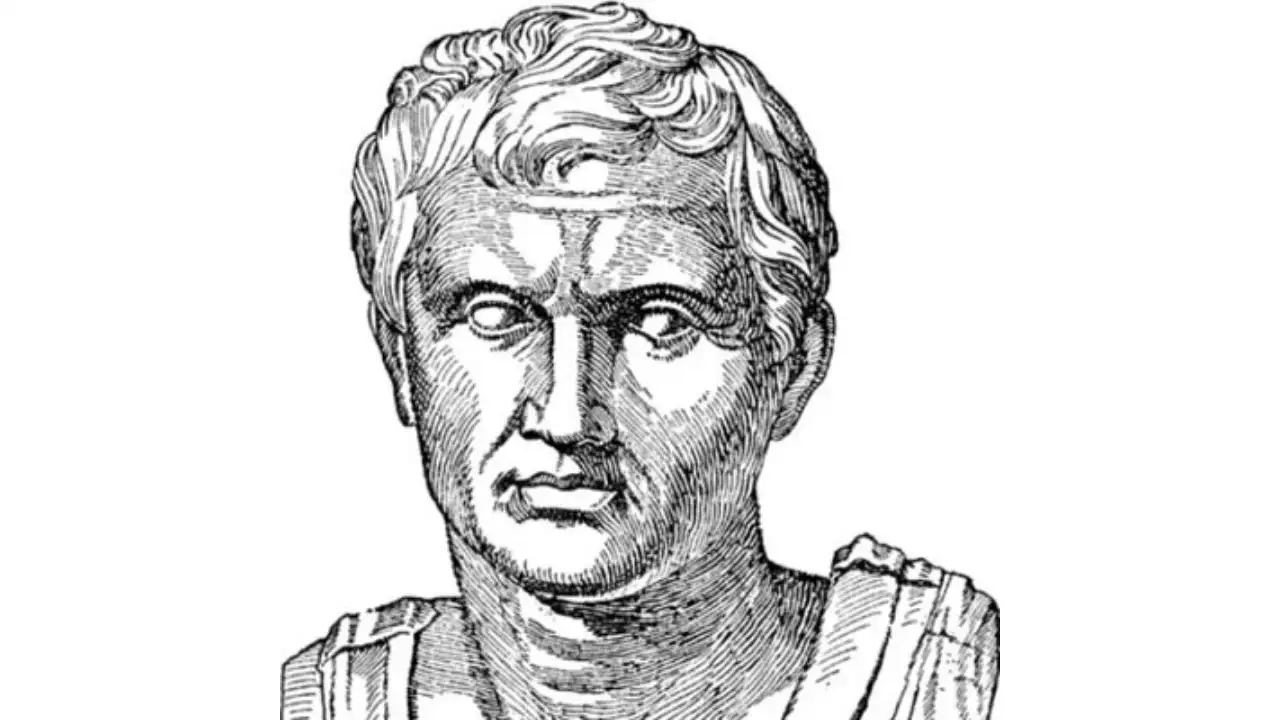
Quote of the day by Marcus Junius Brutus : Loyalty to friends, family, or colleagues can sometimes conflict with a sense of responsibility toward a larger cause. These situations rarely have easy answers, which is why stories about honor, sacrifice, and difficult decisions continue to resonate across generations. Some of the most enduring lessons on this subject come not from history books but from classic literature. One of the best-known examples is the speech delivered by Marcus Junius Brutus in William Shakespeare's Julius Caesar, where he explains the reasoning behind one of literature's most controversial decisions.
Quote of the day today: Marcus Junius Brutus' speech on loyalty, duty, leadership and sacrifice
Today's quote of the day features Brutus' famous speech from the play, Julius Caesar, written by English playwright and poet, William Shakespeare.
Marcus Junius Brutus said, " Be patient till the last. Romans, countrymen, and lovers! Hear me for my cause, and be silent that you may hear. Believe me for mine honor, and have respect to mine honor that you may believe. Censure me in your wisdom, and awake your senses that you may the better judge. If there be any in this assembly, any dear friend of Caesar's, to him I say that Brutus's love to Caesar was no less than his. If then that friend demand why Brutus rose against Caesar, this is my answer: not that I loved Caesar less, but that I loved Rome more, " as per Sparknotes.
Marcus Junius Brutus' speech reflects the struggle between personal loyalty and public duty
In his address to the people of Rome, Brutus asks the crowd to hear his explanation before judging him. He insists that his actions were not driven by hatred for Julius Caesar but by what he believed was his duty to Rome. His famous words, "not that I loved Caesar less, but that I loved Rome more," capture the emotional conflict between personal affection and commitment to a greater cause.
Why Marcus Junius Brutus' quote remains relevant
Although written centuries ago, the speech continues to resonate because it explores timeless themes of leadership, responsibility, justice, and sacrifice. It encourages readers to think carefully about the motives behind difficult decisions rather than judging them at first glance.
Life lessons from today's quote of the day
Today's quote reminds readers that some of life's hardest decisions involve balancing personal relationships with a sense of duty. Brutus' speech encourages thoughtful reflection, careful judgment, and the understanding that leadership often requires difficult choices.
Who was Marcus Junius Brutus
Marcus Junius Brutus (c. 85 BCE–42 BCE) was a Roman politician best known for leading the conspiracy that assassinated Julius Caesar in 44 BCE, as per a Britannica report. He was raised by Cato the Younger and was deeply influenced by Stoic philosophy.
Marcus Junius Brutus' role in Roman history
Although Caesar pardoned Brutus and appointed him to important offices, Brutus joined the conspiracy after Caesar became perpetual dictator. Following Caesar's assassination, Brutus fought Mark Antony and Octavian before taking his own life after the Battle of Philippi in 42 BCE, as per the Britannica report.
Marcus Junius Brutus' legacy
Brutus became a symbol of resistance to tyranny and later inspired William Shakespeare's portrayal of the character in the play Julius Caesar.