
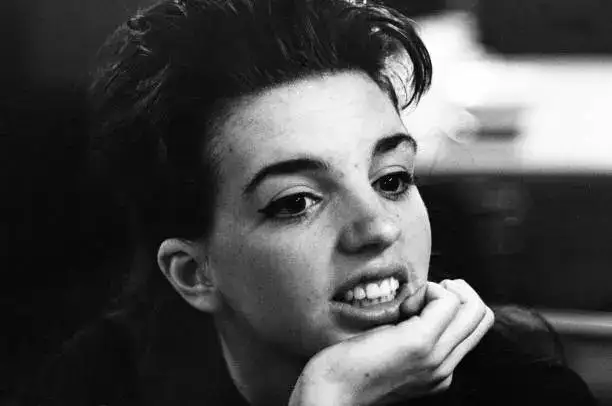
Quote of the day: Few entertainers in Hollywood history have blended vulnerability, glamour and resilience quite like Liza Minnelli. From dazzling Broadway audiences to delivering one of cinema’s most unforgettable performances in Cabaret, Minnelli built a career defined by emotional honesty and fearless self-expression. The daughter of legendary stars Judy Garland and Vincente Minnelli, she grew up under the spotlight while navigating enormous expectations, personal struggles and public scrutiny. Yet throughout decades of triumphs and setbacks, Minnelli remained known for her ability to transform pain into performance and heartbreak into art. That emotional resilience is reflected perfectly in one of her most memorable quotes about perspective, memory and personal healing.
Quote of the day today
The quote of the day by Liza Minnelli reads:
“I think that's the greatest gift one can have: point of view. You know? I've come to believe that if you have a bad memory of something, change it.”
The statement captures Minnelli’s optimistic yet deeply emotional approach to life. Rather than remaining trapped by painful experiences, she encourages people to reclaim their memories by changing the way they interpret them.
Who is Liza Minnelli?
Born in Hollywood in 1946, Minnelli entered the entertainment world at an early age. While many knew her as the daughter of icons Judy Garland and Vincente Minnelli, she quickly proved herself to be a star in her own right.
Her breakout moment came in the 1965 Broadway musical Flora, the Red Menace, where she won a Tony Award at just 19 years old. That achievement made her one of the youngest winners in the category and launched a career that stretched across theater, film, television and music.
Minnelli’s biggest cinematic triumph arrived with Cabaret, directed by Bob Fosse. Her performance as Sally Bowles earned her an Academy Award and turned her into an international sensation. The role showcased not only her musical talent, but also her emotional intensity and ability to portray deeply complicated characters.
Over the years, Minnelli became famous for powerful stage performances, dramatic storytelling and a unique emotional connection with audiences. Despite facing health issues, addiction struggles and personal hardships, she continued performing and reinventing herself across generations.
Quote of the day meaning
Minnelli’s quote centers on the power of perspective. She suggests that memories are not always fixed objects that permanently define us. Instead, human beings have the ability to reinterpret painful experiences and give them new meaning.
The line “if you have a bad memory of something, change it” does not mean pretending difficult events never happened. Rather, it reflects the idea that people can choose how much power those memories hold over their lives.
Psychologists often describe this process as reframing, changing the emotional lens through which people view past experiences. A painful failure, for example, can later become a lesson in growth. A heartbreak may eventually be remembered as a turning point that led to greater self-understanding.
Minnelli’s words resonate because many people spend years trapped by embarrassment, regret or trauma. Her quote offers a gentler alternative: memories can evolve as people evolve.
Why the quote feels so relatable today
In an era dominated by social media, public pressure and constant comparison, many people struggle with overthinking past mistakes. Old memories often resurface repeatedly, amplified by digital culture and personal anxiety.
That is partly why Minnelli’s quote continues to connect with audiences today. It reminds people that emotional healing is not always about erasing the past, but about changing their relationship with it.
The quote also reflects a growing cultural focus on mental wellness, self-reflection and emotional resilience. More people are openly discussing therapy, healing and the importance of controlling negative thought patterns rather than allowing them to dominate daily life.
Minnelli’s philosophy feels especially powerful because it comes from someone who experienced both extraordinary fame and profound hardship. Her words carry the weight of lived experience rather than abstract advice.
A career shaped by reinventionOne reason Minnelli’s quote feels authentic is because her own career became an example of reinvention. After massive success in the 1970s, she faced periods of professional disappointment, health struggles and intense tabloid scrutiny.
Yet she repeatedly returned to the stage, finding new ways to connect with audiences through music and performance. Whether appearing in Broadway productions, recording albums or making television appearances, Minnelli continued adapting while maintaining her distinctive identity.
Her resilience became part of her appeal. Fans admired not only her talent, but also her willingness to remain visible and creative despite personal challenges.
Minnelli also developed a reputation for emotional honesty. Unlike many celebrities who carefully protected polished public images, she often appeared refreshingly candid about vulnerability, mistakes and recovery.
The emotional legacy of Cabaret
Much of Minnelli’s enduring cultural legacy still traces back to
Cabaret, the groundbreaking musical film set in pre-World War II Berlin. Her portrayal of Sally Bowles combined glamour, sadness, ambition and denial in ways that still resonate decades later.
The performance helped define a generation of movie musicals and established Minnelli as one of Hollywood’s most magnetic entertainers. Songs like “Maybe This Time” and “Cabaret” became closely tied to themes of survival, reinvention and emotional escape.
Those same themes appear in her quote about memory and perspective. Both her performances and her public statements often revolve around the idea that people must keep moving forward despite pain or disappointment.
Why people continue sharing her words
Minnelli’s quote survives because it speaks to a universal human struggle: how to live with difficult memories without allowing them to destroy joy in the present.
Some people interpret the quote as advice about forgiveness. Others see it as a reminder to stop replaying painful moments endlessly. For many, it simply offers hope that emotional wounds can soften with time and perspective.
In the end, Minnelli’s message is less about denying reality and more about reclaiming emotional control. Life inevitably brings heartbreak, mistakes and disappointment, but her words suggest people still have the power to reshape the stories they tell themselves about those moments.
That belief, that perspective itself can become a form of healing, may be one of the greatest gifts her quote continues to offer.









.png?w=600)




