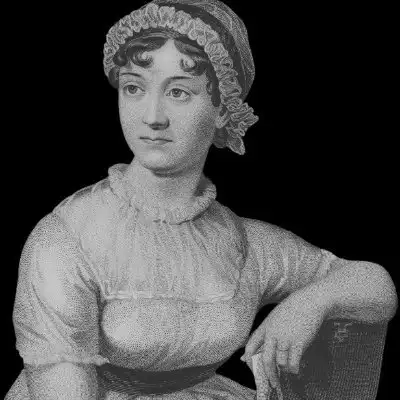
Quote of the day by Jane Austen : Nowadays life is filled with constant input from social media, conversations, and societal expectations, making it harder for individuals to rely on their own judgment. People are frequently exposed to competing opinions that shape their decisions, sometimes causing confusion or self-doubt. In such an environment, reflections from classic literature offer grounding reminders about the importance of self-awareness and inner clarity. Jane Austen, one of the most respected English novelists' quote draws attention to her belief in trusting one’s own inner guidance over external influence. It encourages readers to pause and reconnect with their instincts, emphasizing that personal clarity often comes from within rather than from outside approval or validation.
Quote of the Day by Jane Austen on Self-Awareness and Inner Guidance
Jane Austen said, " We have all a better guide in ourselves, if we would attend to it, than any other person can be ," as per BrainyQuote.
Jane Austen Quote Explained: Self-Wisdom and Personal Judgment Explained
Jane Austen’s quote highlights the idea that every individual possesses an inner sense of direction that is often more reliable than outside opinions. This inner guide is shaped by personal experiences, values, and intuition, allowing people to understand their own situations in a way no one else fully can. However, the effectiveness of this guidance depends on whether a person chooses to listen to it.
How External Opinions Influence Decision-Making
People often look outward when making decisions, seeking advice from friends, family, or society at large. While such input can be helpful, it is not always aligned with an individual’s personal circumstances or emotional reality. Austen’s message suggests that over-reliance on external voices can sometimes lead to confusion or misplaced judgment, especially when those voices conflict with one’s own instincts.
Importance of Self-Trust in Decision Making
The phrase “if we would attend to it” is central to understanding the quote. It implies that inner wisdom already exists within each person but is frequently ignored or overshadowed. Fear of judgment, uncertainty, or pressure to conform often prevents individuals from trusting their own thoughts. Over time, this disconnect can weaken confidence and create dependence on others for validation.
Why Listening to Yourself Matters More Than Social Approval
In today’s digital age, this message is even more significant. With constant exposure to opinions, comparisons, and curated lifestyles online, people can easily lose touch with their own sense of direction. Austen’s words serve as a reminder to slow down, reflect, and prioritize personal understanding over external noise.
Life Lessons from Jane Austen's Quote
Jane Austen’s reflection promotes self-trust, emotional clarity, and independence. It reminds readers that the most meaningful guidance often comes from within, and learning to listen to that inner voice can lead to more confident and authentic life choices.
Who Was Jane Austen
Jane Austen (1775–1817) was an English novelist who reshaped literature by focusing on ordinary people, relationships, and social life with realism and wit.
Born in Steventon, Hampshire, Austen grew up in a large, educated family. Close to her sister Cassandra, she developed a love for reading and writing early in life, as per a Britannica report. Her family environment strongly influenced the social settings of her novels.
Major Novels Written by Jane Austen
She wrote six major novels, including Sense and Sensibility, Pride and Prejudice, Mansfield Park, Emma, Northanger Abbey, and Persuasion. Published between 1811 and 1817, her works portrayed English middle-class society and became lasting classics, as per the Britannica report.
Literary Themes in Jane Austen’s Works
Austen’s novels explore love, marriage, class, and morality through sharp observation and irony. Her most notable works include Pride and Prejudice, Emma, and Sense and Sensibility, which remain widely read for their strong characters and realistic storytelling.
Legacy and Influence of Jane Austen
Austen gained recognition during her lifetime but published anonymously. She spent her final years writing in Chawton and died in 1817 at age 41, as per the Britannica report. Her novels continue to shape modern literature and popular culture through their timeless themes and adaptations.





.jpeg?w=600)