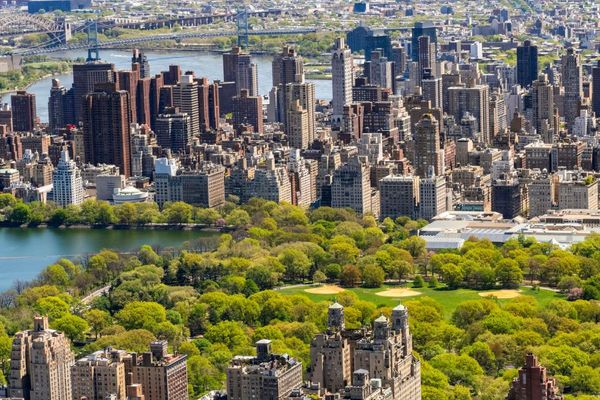
Quote of the day by Harrison Ford, "Nature doesn't need people – people need nature; nature would survive the extinction of the human being and go on just fine, but human culture, human beings, cannot survive without nature" serves as a powerful reminder that humanity is not separate from nature but an inseparable part of it. The quote emphasizes that protecting the environment is not simply about saving wildlife or preserving scenic landscapes—it is about safeguarding our own future. The relationship between humanity and nature has shaped civilization since the beginning of history. Forests have provided shelter, rivers have sustained agriculture, oceans have supported trade, and clean air has made life possible. Yet, as technology and urbanization continue to expand, many people forget how deeply human existence depends on the natural world.
The first lesson in this quote is that nature existed long before human civilization and will likely continue long after humanity is gone. Over billions of years, Earth has experienced dramatic changes, including volcanic eruptions, ice ages, asteroid impacts, and the extinction of countless species. Despite these events, ecosystems have repeatedly adapted and recovered. Nature possesses remarkable resilience. Human beings, however, rely on stable ecosystems for survival. Without clean water, fertile soil, breathable air, and a suitable climate, civilization cannot flourish.
Quote of the Day Meaning
One of the clearest examples of humanity's dependence on nature is food production. Every meal originates from natural resources. Crops require fertile soil, fresh water, sunlight, and healthy ecosystems to grow. Farmers also depend on pollinators such as bees and butterflies to support many fruits, vegetables, and other crops. Healthy forests regulate rainfall, while rivers and groundwater provide irrigation. If these natural systems are damaged through pollution or unsustainable practices, food security becomes increasingly threatened. Nature is therefore not merely a backdrop to human life but its very foundation.
The quote also highlights the importance of biodiversity. Every species plays a role within ecosystems, whether by pollinating plants, controlling pests, recycling nutrients, or maintaining ecological balance. Even organisms that seem insignificant contribute to the health of the environment. When biodiversity declines, ecosystems become less stable and more vulnerable to disease, invasive species, and climate-related disruptions. Protecting wildlife is therefore closely connected to protecting human well-being.
Quote of the Day Highlights
Another valuable lesson is the importance of clean air and water. Trees absorb carbon dioxide, produce oxygen, and help regulate temperatures. Wetlands naturally filter water, while forests reduce soil erosion and protect watersheds. These ecological services occur without human intervention, yet they are essential for public health and economic stability. When natural habitats are destroyed, communities often face increased pollution, flooding, water shortages, and declining quality of life.
The quote is especially relevant in the context of climate change. Rising global temperatures, more frequent extreme weather events, melting glaciers, and changing rainfall patterns demonstrate how environmental disruption directly affects people. Farmers experience changing growing seasons, coastal communities face rising sea levels, and vulnerable populations often bear the greatest burden of natural disasters. These challenges remind us that environmental stewardship is not merely an ecological concern but also a humanitarian and economic necessity.
The message also encourages responsible use of natural resources. Throughout history, human progress has depended on forests, minerals, fossil fuels, and freshwater supplies. However, using these resources without regard for long-term sustainability can damage ecosystems faster than they can recover. Responsible conservation means balancing development with environmental protection. Renewable energy, sustainable agriculture, responsible forestry, and efficient resource management allow societies to prosper while preserving nature for future generations.
Words of Wisdom by Harrison Ford
The quote also reminds us of nature's influence on human health and happiness. Spending time in parks, forests, mountains, or near rivers often reduces stress, improves mental well-being, and encourages physical activity. Natural environments inspire creativity, reflection, and emotional balance. Throughout history, artists, writers, scientists, and philosophers have found inspiration in the beauty and complexity of the natural world. Human culture itself has been deeply shaped by landscapes, seasons, animals, and the rhythms of nature.
Another significant lesson is humility. Technological advancement sometimes creates the illusion that humans have complete control over their environment. Yet events such as droughts, hurricanes, floods, pandemics, and wildfires remind us of nature's immense power. Rather than viewing ourselves as masters of nature, the quote encourages us to see ourselves as caretakers with a responsibility to preserve the delicate balance upon which our own survival depends.
Ultimately, Harrison Ford's statement is not pessimistic but hopeful. It reminds us that humanity still has the opportunity to make wiser choices. Through conservation, scientific innovation, environmental education, and international cooperation, people can protect ecosystems while supporting sustainable development. Every effort to reduce pollution, restore habitats, conserve water, and protect biodiversity contributes to a healthier planet for present and future generations.