
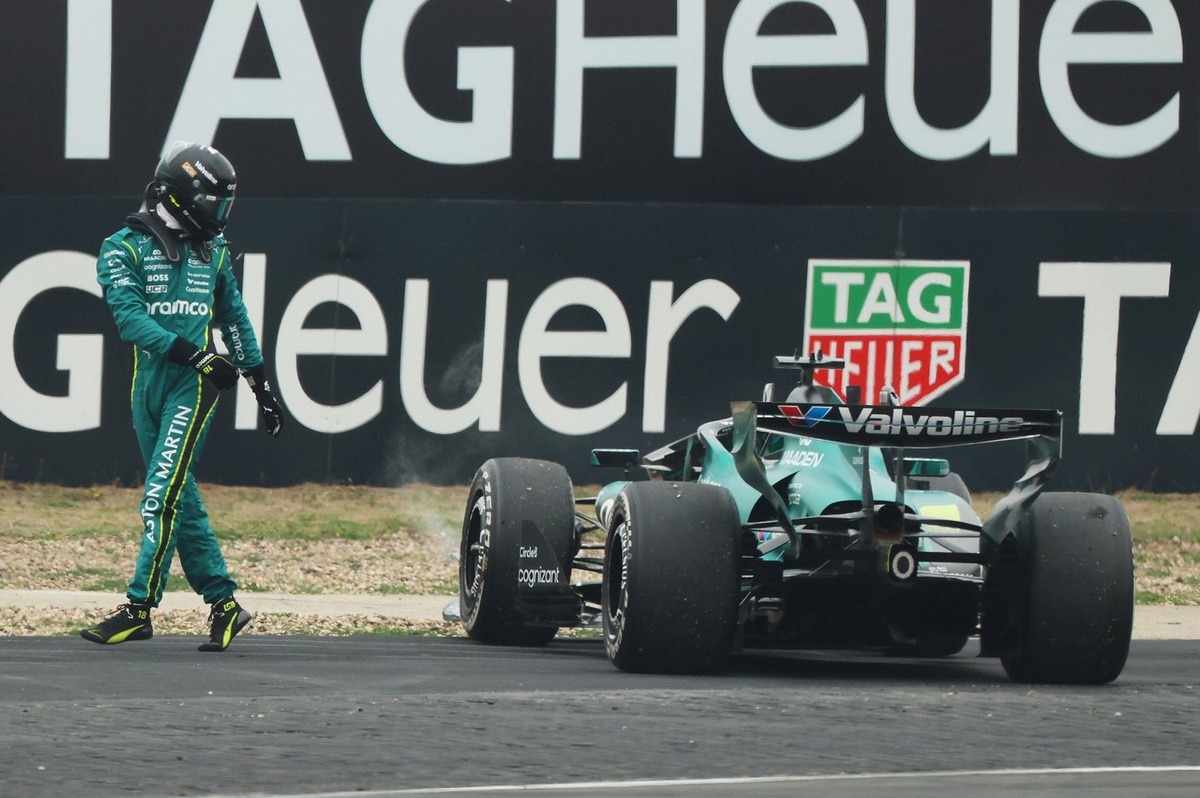
Given how the start of the new era is unfolding for the Aston Martin and Honda joint project, just finishing the Japanese Grand Prix - even if with only one car - can be considered a success for the troubled outfit. Yet, the ambitions of the team are far greater - as it's no secret Lawrence Stroll wants to see it winning races and championships, and sooner rather than later. Right now, though, it seems unrealistic that all the issues Aston Martin and Honda are currently facing can be solved in the near future. But what could the timeline of the recovery be?
Our writers from the international network offer their views.
We don't know how good AMR26 really is yet
Roberto Chinchero, Motorsport.com Italy:
There is little doubt: the crisis of the Aston Martin–Honda partnership has been the biggest negative surprise of this first part of the season. A team that had set its sights on joining the elite group of top outfits has instead found itself at the back of the field, alongside newcomer Cadillac.
It quickly became clear that the main issues stem from the significant delay in Honda’s power unit, a factor that greatly complicates the situation, as intervention timelines on engines are always lengthy. In such a difficult scenario, the ADUO [Additional Development and Upgrade Opportunities] represents a potential lifeline, as it will allow Honda engineers to work on the power unit within shorter timeframes.
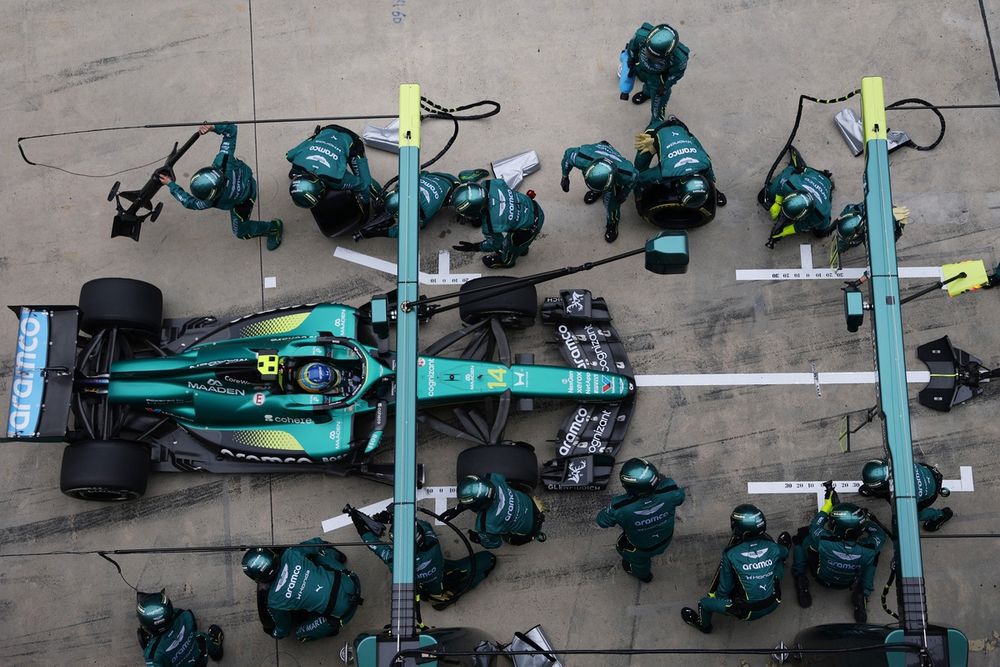
However, two crucial questions remain: do the Japanese engineers have the necessary fixes to bring their power unit up to an acceptable level of performance? And above all, how long will it take?
Realistically, it is hard to imagine Aston Martin challenging the front-running teams in 2026, but we could see Fernando Alonso and Lance Stroll climb back up the order in the second half of the season, potentially breaking into the top 10 – provided that Honda can make the most of what the ADUO will offer.
There is also one final question concerning the competitiveness of the car itself. So far, Adrian Newey’s project is impossible to judge: the engine deficit is so significant that it makes it difficult to assess the true potential of the AMR26. In the current situation, it appears to be the least of the team’s concerns, but the time will come when the car itself will also have to demonstrate its capabilities.
It could be sooner than you think - if it doesn't turn into a blame game
Ken Tanaka, Motorsport.com Japan:
It is often suggested that the root cause of the current issue lies with Honda. Certainly, the source of the vibrations is the Honda-built engine, and this is something Honda itself has acknowledged. However, engines naturally produce vibrations. Unless those vibrations fall outside acceptable limits, this is the kind of issue that should be addressed through integration with the chassis.
In fact, there was no particular mention of vibration-related problems when the Honda engine was used by Red Bull up until last year. If the vibration levels had been abnormal, it is reasonable to assume that such issues would have been identified during the development phase.
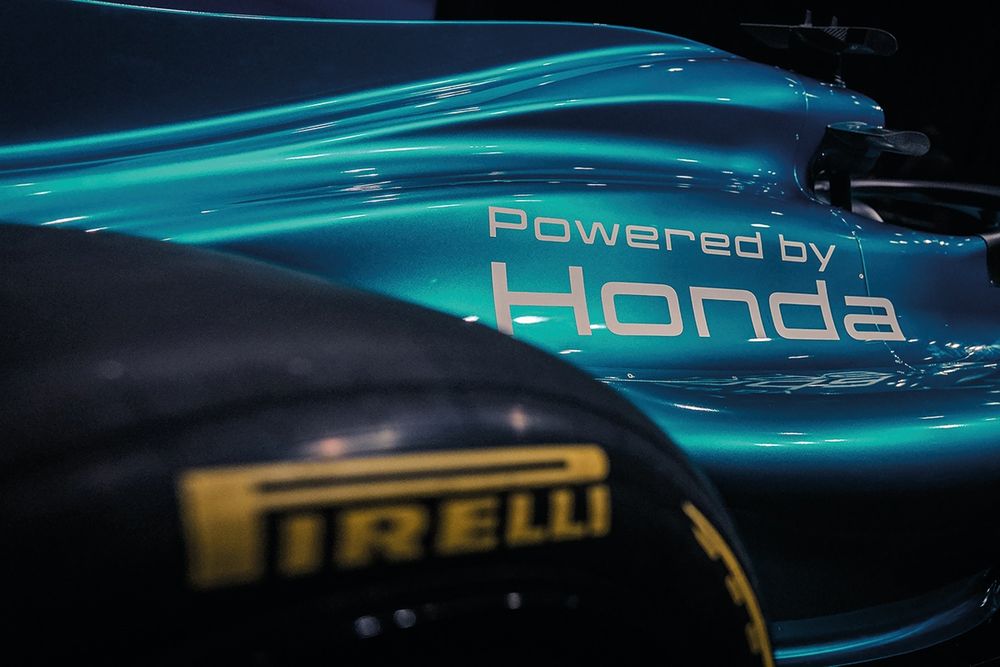
That said, this is not to suggest that Honda bears no responsibility, nor is it to place the blame on Aston Martin. Rather, it is likely that when components developed independently – each aiming for peak performance – were combined, unintended negative effects unfortunately emerged.
If the situation turns into a blame game, then the answer to the central question of “How long will this crisis last?” would be “indefinitely.” On the other hand, if both sides are able to work together properly, the solution may come sooner than expected.
No quick fix for interlinked problems
Stuart Codling, Autosport:
The mess Aston Martin finds itself mired in is truly bizarre. As with Honda's previous collaboration with McLaren at the dawn of the hybrid era, there is no easy way of disentangling the power unit's shortcomings from those of the chassis.
Well, you can blame Honda, but McLaren only began to improve following the divorce, when the shift to alternative sources of power demonstrated its chassis shortcomings. Likewise, the AMR26, technically fascinating though it is, remains an enigma.
Under previous ownership, the team now competing as Aston Martin was the king of making limited resources go a long way. Now it's the opposite, as owner Lawrence Stroll throws money at high-profile recruits and quickly fires them when change doesn't happen quickly enough for his liking.
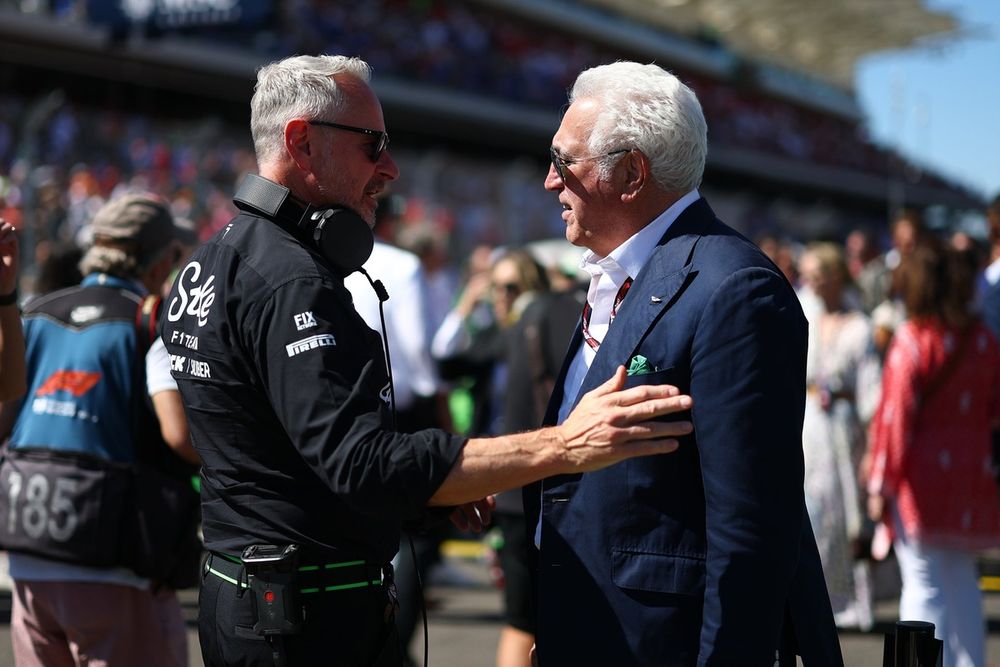
The fact that Stroll has recently had to deny talk of further management changes suggests more change is in the offing. Wielding the axe is no way to get the best out of the talent you have at your disposal.
Neither will more bloodletting solve the fundamental problems of an underperforming engine, which needs more changes than the catch-up regulations permit, and a car the team can't begin to understand properly until it can lap consistently at a representative pace.
It will last through the 2026 season
Federico Faturos, Motorsport.com Latin America:
Let’s face it: 2026 already looks like a write-off for the Aston Martin-Honda partnership in terms of results. Based on what we have seen over the opening two grands prix, it would take something extraordinary for it to dig itself out of this hole during the current season and join the fight at or near the sharp end of the F1 pecking order.
There is no doubt that Aston Martin on the chassis side and Honda on the power unit side are making progress – as any F1 organisation should – but they both remain a long way from delivering meaningful performance gains, as Mike Krack made clear after the Chinese Grand Prix. Incremental steps are one thing; closing a fundamental deficit is quite another.
Honda, in particular, is boxed in. It simply cannot resolve its issues quickly enough to produce a genuinely competitive power unit in the coming weeks or months. The current regulations, and the constraints of the ADUO concept, leave very little room to manoeuvre. Any short-term gains are far more likely to come in reliability rather than outright performance – and that, on its own, will not move the needle.
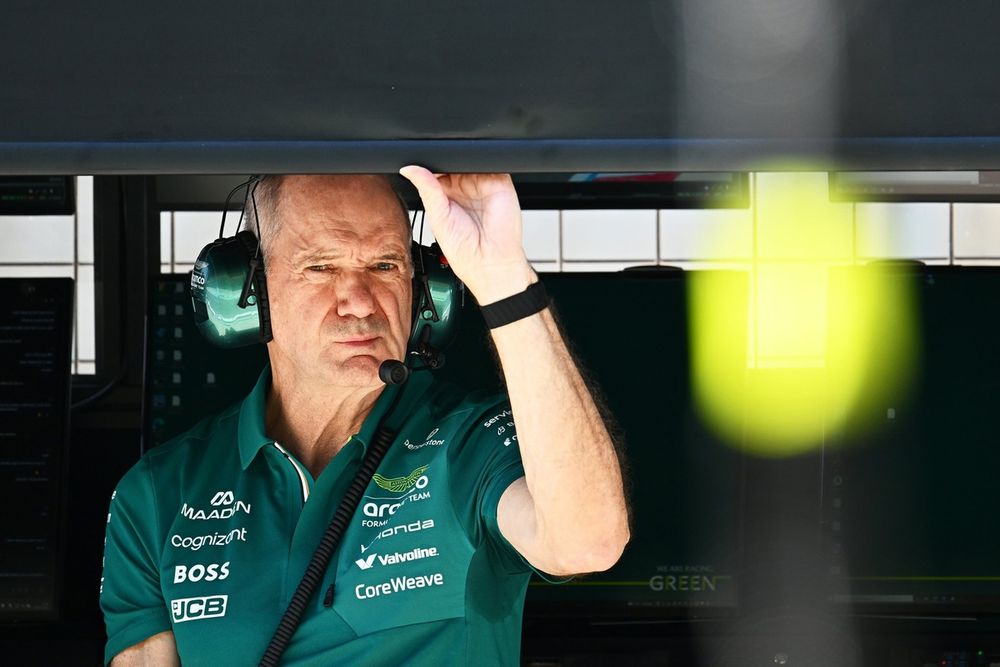
Even if Honda were to find a breakthrough, there are still significant question marks over the chassis. Newey may be encouraged by the car’s architectural package – the elements that cannot be easily changed in-season – and confident about its “tremendous development potential”, but potential is just that until it is realised. Right now, this is still an unproven package that requires a lot more mileage before its true level becomes clear, and it would be no surprise if further weaknesses emerge along the way.
All of this points in the same direction: Aston Martin is not in a short-term dip, but at the start of a longer, more complex rebuild. The destination may yet be promising, but the road there will not be quick. Realistically, this is a situation that will carry through the entirety of the 2026 season before any meaningful reset can take place.
A few months, at best...
Jose Carlos de Celis, Motorsport.com Spain:
Aston Martin’s problem is so significant that it can be attributed to three causes. On the one hand, the reliability of the Honda engine, and on the other, the performance of that power unit. That won’t be resolved until at least the implementation of the ADUO system (which, following the cancellation of Bahrain and Saudi Arabia, might not arrive until mid-June). However, if Honda manages to fix its problems by then, the third cause could emerge.
Newey clearly stated that, in terms of aerodynamics, their car would be fifth on the grid, but that remains to be proven. And if, once the engine is fixed, it turns out there’s also a technical shortfall in the car (working in conjunction with the power unit), the timeline would be even longer. In fact, we’d have to see how long that would take, because by the time it’s resolved, it might be more useful to focus directly on 2027.
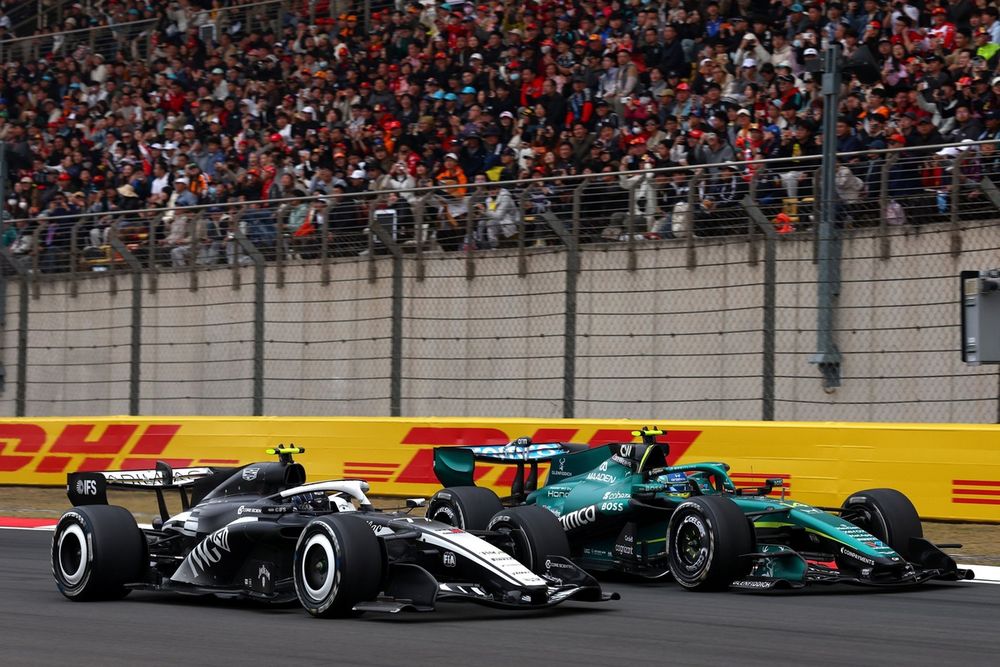
Perhaps the best approach is to focus on scoring points in the second half of the year and hope for podium finishes (and victories?) in 2027. Well, maybe I sound pessimistic, but Newey has always admitted that they’re four months behind schedule because their first car didn’t enter the wind tunnel until April 2025, and Alonso admitted after China that it will take them “three or four months” to climb out of the back of the grid. On this point, I tend to agree with them.
They could be stuck... until 2030
Ed Hardy, Autosport:
What has recently become clear is that Aston Martin will not achieve its previously discussed target of winning races in 2026, before contending for titles in ’27. Because if the opening rounds of this season have taught anything, it is that the Aston project has suffered a setback of at least a few years simply due to how big the problems it faces are.
They don’t just lie on the engine side either – when will the Silverstone outfit finally settle on a management structure? It became clear very early on that Newey wasn’t team principal material, from refusing to do media sessions – he’d often send predecessor Krack – to not even being on the ground in China despite his squad being in crisis. And if Jonathan Wheatley does join, it won’t be any time soon.
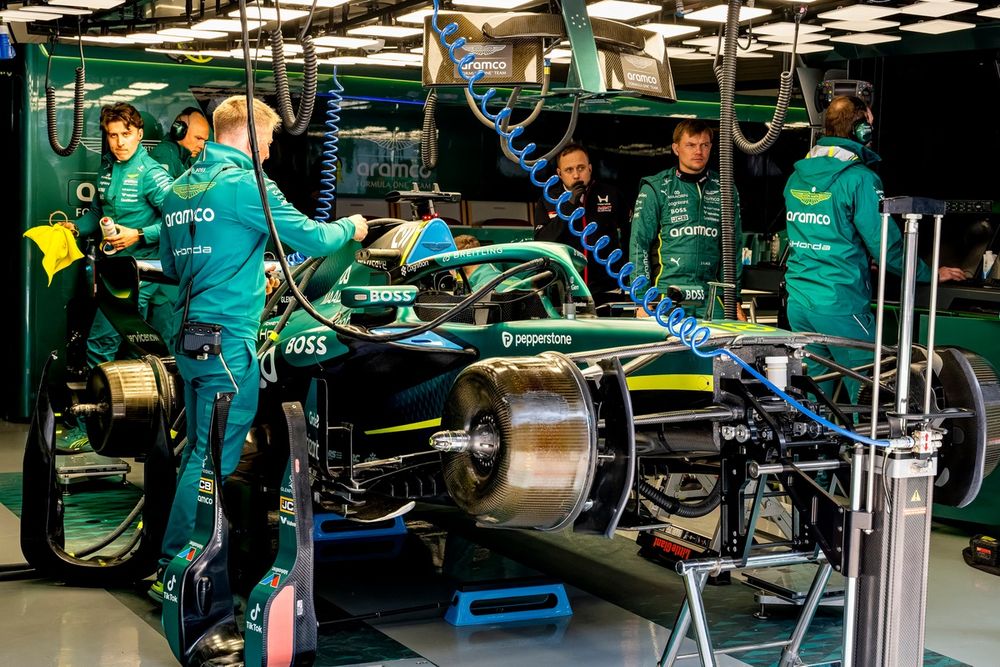
That’s down to him needing a period of gardening leave after his shock Audi exit, and I feel it’ll only be then, when there is a settled management structure, that it can truly kick on. On paper it looks like Aston has all the tools it needs to compete at the front, but is that really the case?
There are doubts, and this strikes resemblances to McLaren when it had a Honda power unit, thinking most problems lay on the engine side only to then discover that they ran deeper. It took the Woking team approximately 10 years to find success again, so while Aston may finally claim glory, I worry it won’t be until the next regulation change in the 2030s.