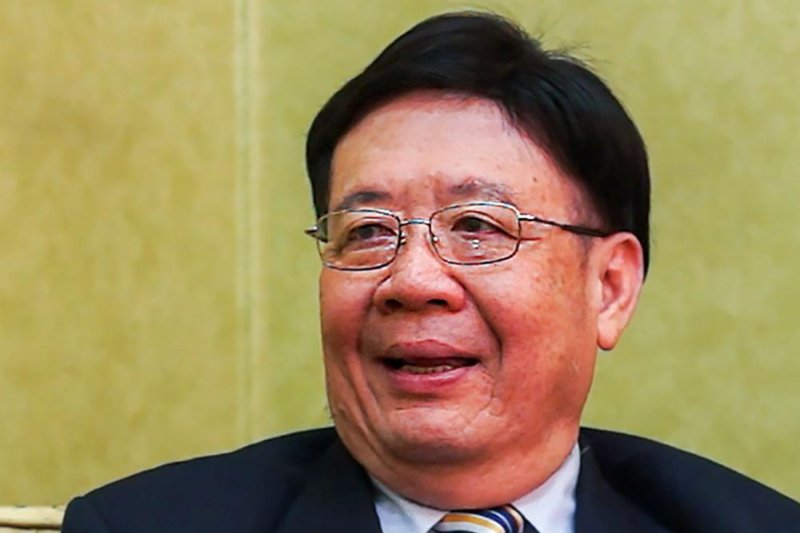
A ceasefire between the US and Iran is likely to drive down global crude oil prices to around US$70 per barrel, according to a specialist on the US and Chinese economies.
"US President Donald Trump's ultimate goal is to keep oil prices less than $70-80 per barrel. If he fails to bring prices down to that range, the likelihood of losing the midterm elections and the subsequent presidential election is high," said Sompop Manarungsan, president of the Panyapiwat Institute of Management.
The ceasefire negotiations have a greater chance of succeeding now than during previous periods because Trump cannot afford for the conflict to continue, while Iran is also looking for a way to bring it to an end, said Mr Sompop.
"Trump appears to have the stronger incentive to end the war, as his biggest concern at the moment is inflation. The US Consumer Price Index [CPI] rose to 4.25% last month, while the Producer Price Index [PPI] climbed to more than 6%, driven by rising oil prices and higher production costs," he said.
"If this trend persists, the higher costs will quickly be passed on to consumers, leading to a sharp increase in the cost of living for Americans."
OIL PRICES
Petrol prices have already hiked by 20-30% for Americans since the war started. If this trend continues, Trump may find it difficult to pursue other policy objectives, including monetary policy initiatives, said Mr Sompop.
Even with Trump ally Kevin Warsh as new Federal Reserve chair, the chances of lowering interest rates are minimal and a rate hike is possible, noted Mr Sompop.
"The US president's immediate goal is to bring down oil prices to $70-80 per barrel as quickly as possible. Without lower oil prices, reducing the CPI and PPI will be extremely difficult, meaning Trump could miss opportunities to capitalise politically on hosting the Fifa World Cup, celebrations marking the 250th anniversary of US independence, and the summer holiday season," he said.
With the US midterm elections approaching later this year, high oil prices could result in losses for the Republican Party. Another troubling sign for Trump is growing dissatisfaction within the party, as some representatives voted for measures to limit Trump's authority to wage war, noted Mr Sompop.
ENERGY INFRASTRUCTURE
Addressing concerns that global oil prices may remain elevated because Iran's oil infrastructure was damaged, he said he disagrees and expects Trump to allow Russian and Venezuelan oil to be traded more freely as the US lifts sanctions on Iranian oil exports.
Additional supplies from these three producers would likely depress oil prices to around $70 per barrel, said Mr Sompop. Russia, Venezuela and Iran represent some of the world's largest oil-producing regions and are capable of significantly increasing global supply.
US military bases in the Middle East have suffered greater damage than Iran's energy infrastructure, he noted, with the latter likely to be restored quickly.
However, the US approach towards Iran is unlikely to change dramatically, regardless of the president in office, said Mr Sompop. Iran's demonstrated military capabilities are likely to prompt a major reassessment of US military strategy, he said.
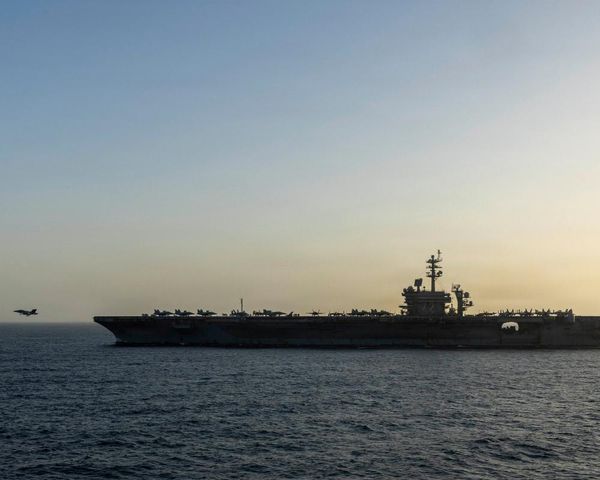
The US now recognises that maintaining large numbers of overseas military bases and aircraft carriers may no longer provide the same strategic advantages as in the past, as they can become vulnerable stationary targets, noted Mr Sompop. As a result, a sweeping overhaul of US security and defence strategy is likely, centred on unmanned warfare.