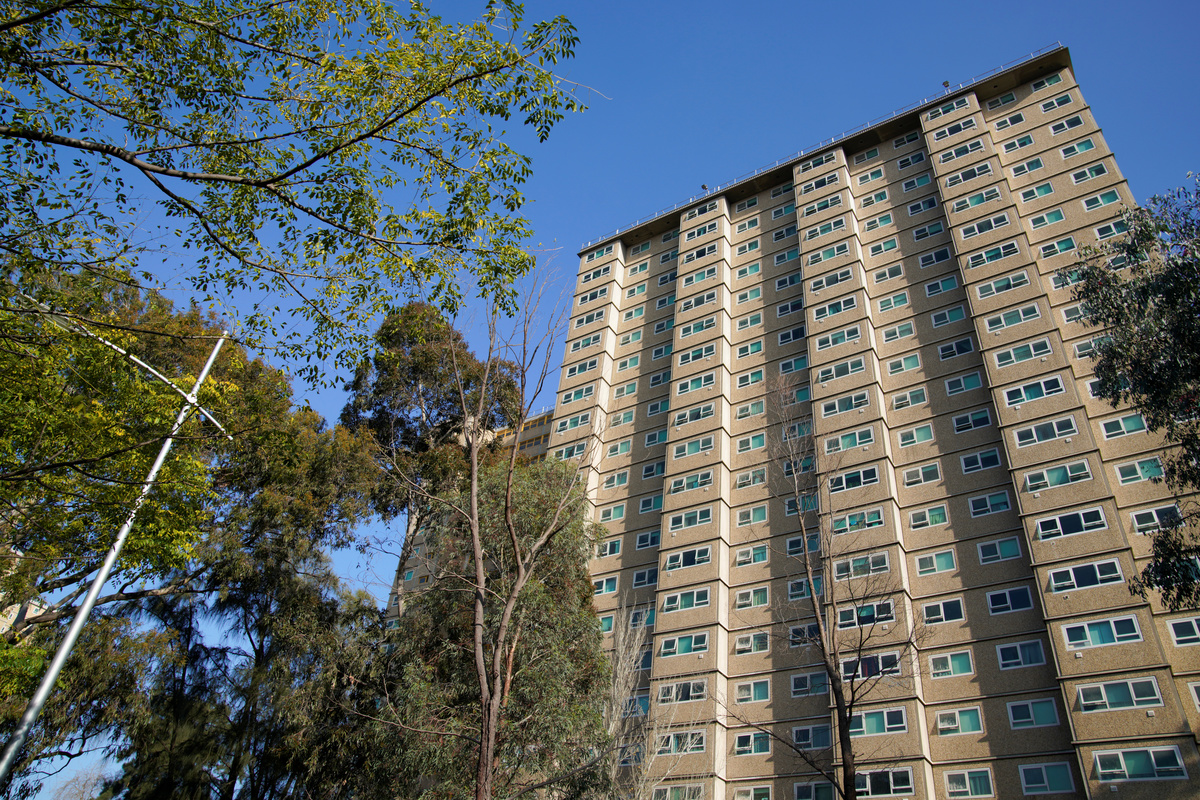
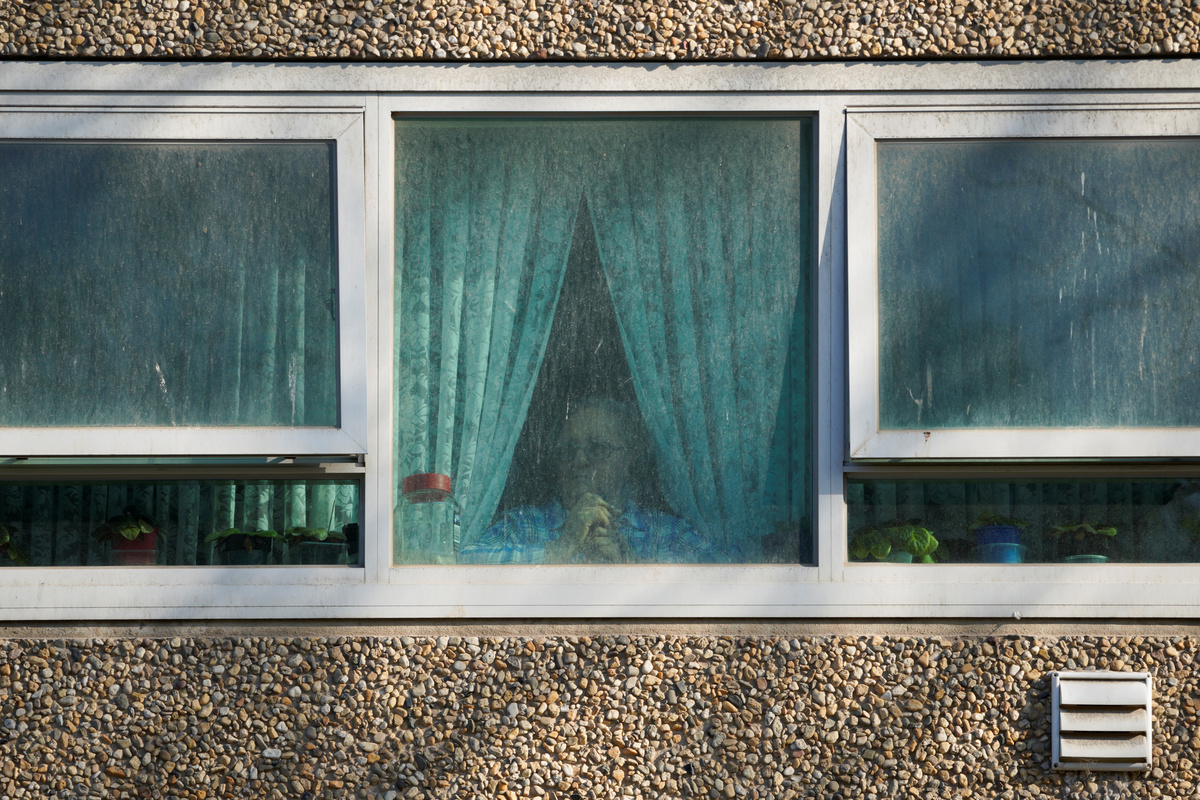
Emel Evcin first heard on a phone call with a friend that nearby COVID-19 cases had rendered her Melbourne apartment block quarantined, yet on checking through the curtains, she saw not medical staff but law enforcement.
"I looked outside from my window and no nurses, no cleaners, no food - just lots of cops," the 42-year-old mother of two told Reuters by phone from her two-bedroom flat. "This is not a lockdown, this is a lockup."
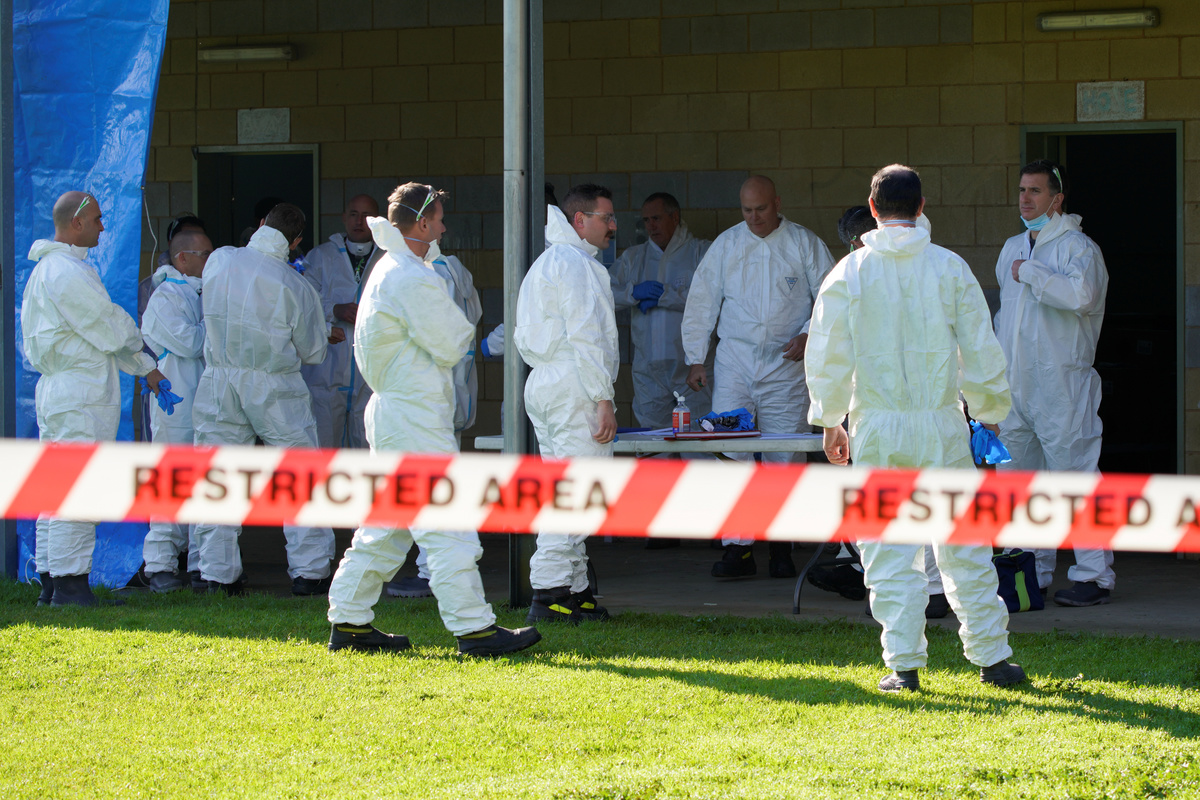
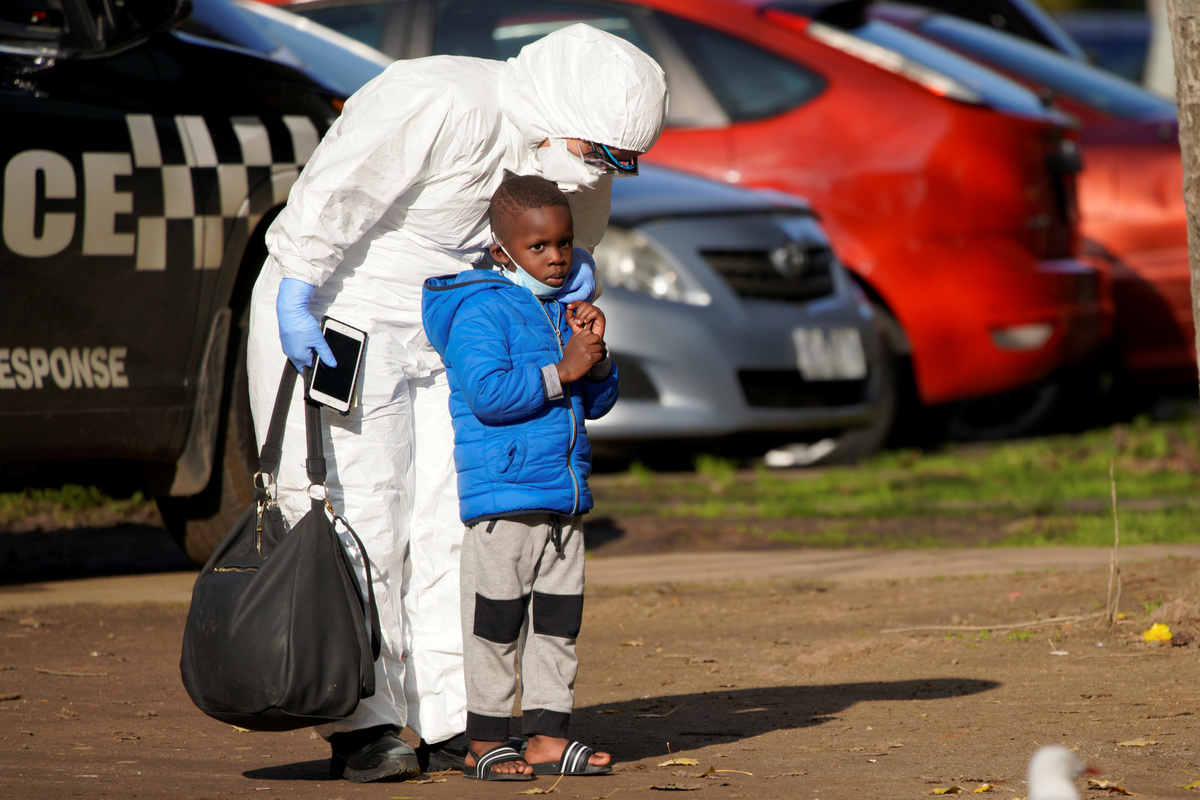
More than 3,000 public housing residents in nine high-rise blocks entered a fourth full day of lockdown on Tuesday following a surge in COVID-19 cases, as authorities in Australia's most stricken city try to halt the infection for fear of it spreading rapidly in the densely populated buildings.
Melbourne is the capital of Victoria state, which on Tuesday reported its highest number of new infections at 191.
Victoria closed its border with New South Wales state from late Tuesday, contrasting with easing restrictions in the rest of the country, where new infections are largely confined to returned travellers quarantined in hotels.
Relatively loose social distancing protocols among security staff at such hotels in Melbourne is widely believed to have contributed to the latest spike.
At the Melbourne towers, access roads were taped up and playgrounds and sporting ovals closed, while dozens of police stood guard and helped distribute hampers and food packages delivered by charities, according to a Reuters witness.
Police said they have stationed two officers on every floor of each tower.
Amina Yussuf, an Australian citizen of Somali background living with her seven children in one of the towers said she was shocked and felt traumatised when police prevented her from leaving the building to shop for food for the week on Saturday.
"I told them I wasn't going far but they wouldn't let me," Yussuf said. "It was really shocking, I was scared and very confused. I don't now how to put it into words."
Yussuf, Evcin and another resident all told Reuters they thought the situation could have been handled better, with more community consultation.
"This building is not suitable. There is not enough space, not enough ventilation, no fresh air, no sun," said Evcin, an Australian citizen of Kurdish descent.
Such a sudden and concentrated lockdown, seen first in Chinese epicentre Wuhan, is unprecedented in Australia which prides itself on its civil liberties. It has sparked public outcry that the harshest measures have been applied to some of the city's poorest residents.
Victoria state's media spokesperson did not respond to a request for comment ahead of a public briefing.
The government previously said it could not give ample notice of the lockdown because of the urgency of the matter, comparing the tower blocks to "vertical cruise ships".
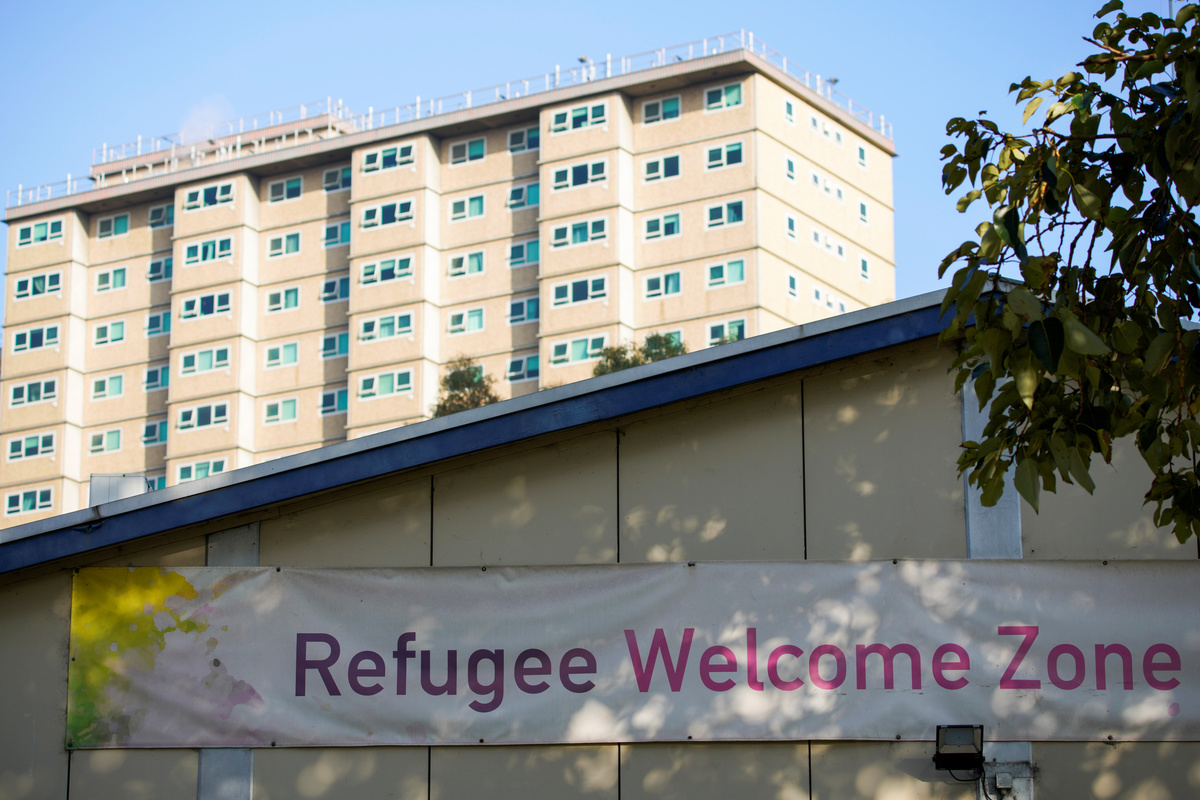
Sue Cunningham, Red Cross director for the state of Victoria, said while the situation is very difficult for the police, such a heavy police presence is intimidating for anyone, let alone the towers' demographic, which includes refugees.
Cunningham also said there had been a spike in calls for support from residents, some of whom said food items did not match their dietary needs.
Matt Tilley, from Food Bank Victoria, said the charity was well practiced in delivering hampers after a busy summer providing food to families affected by recent bush fires.
"We've got our packing lines working around the clock," said Tilley. "It's like a well oiled machine. I guess this year has given us a lot of practice."
(Reporting by Paulina Duran and Melanie Burton; Writing by Jonathan Barrett; Editing by Christopher Cushing)