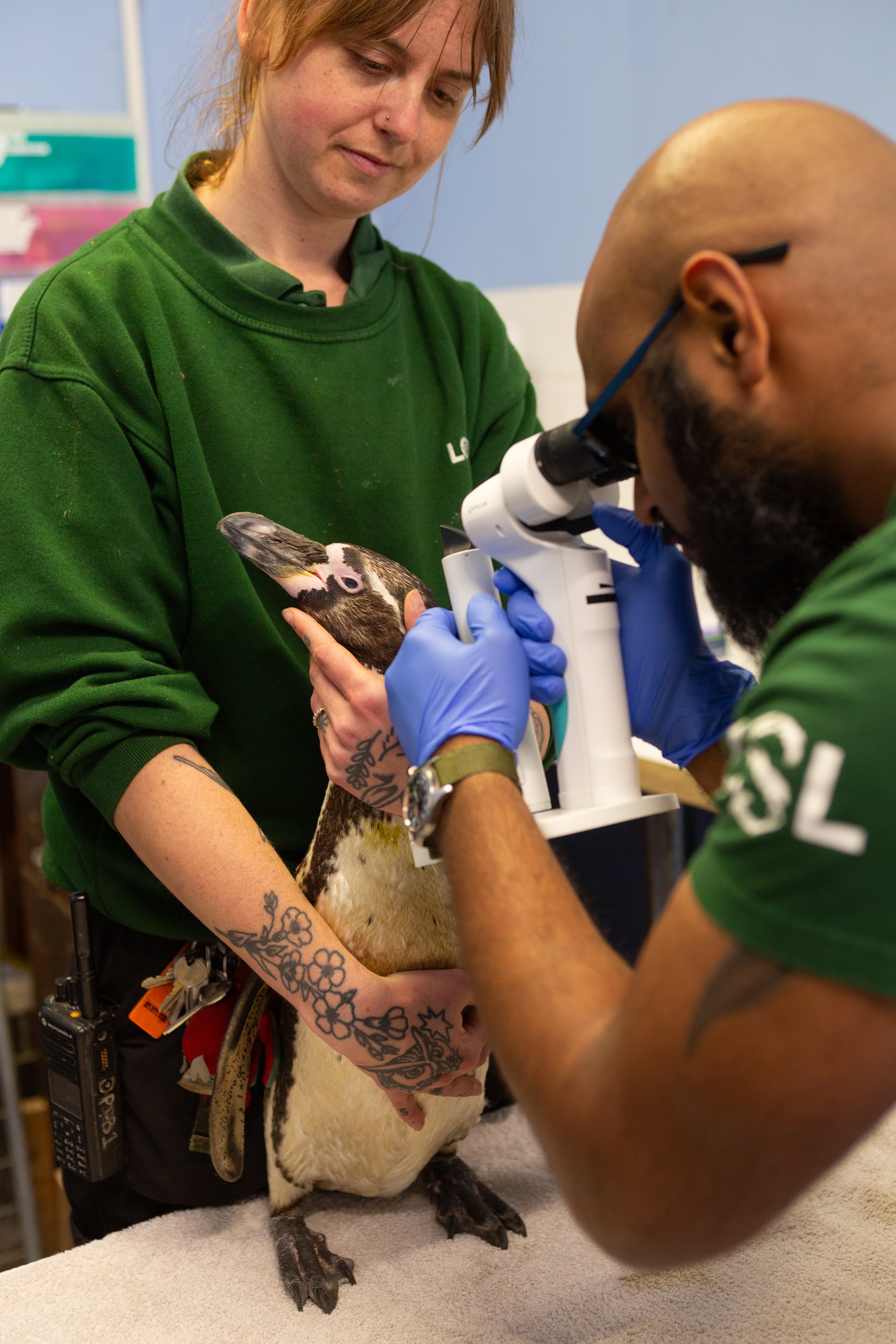
The public will be able to watch penguin health checks and frog X-rays in a new £20 million wildlife health centre, the Zoological Society of London has said as it marks its 200th anniversary.
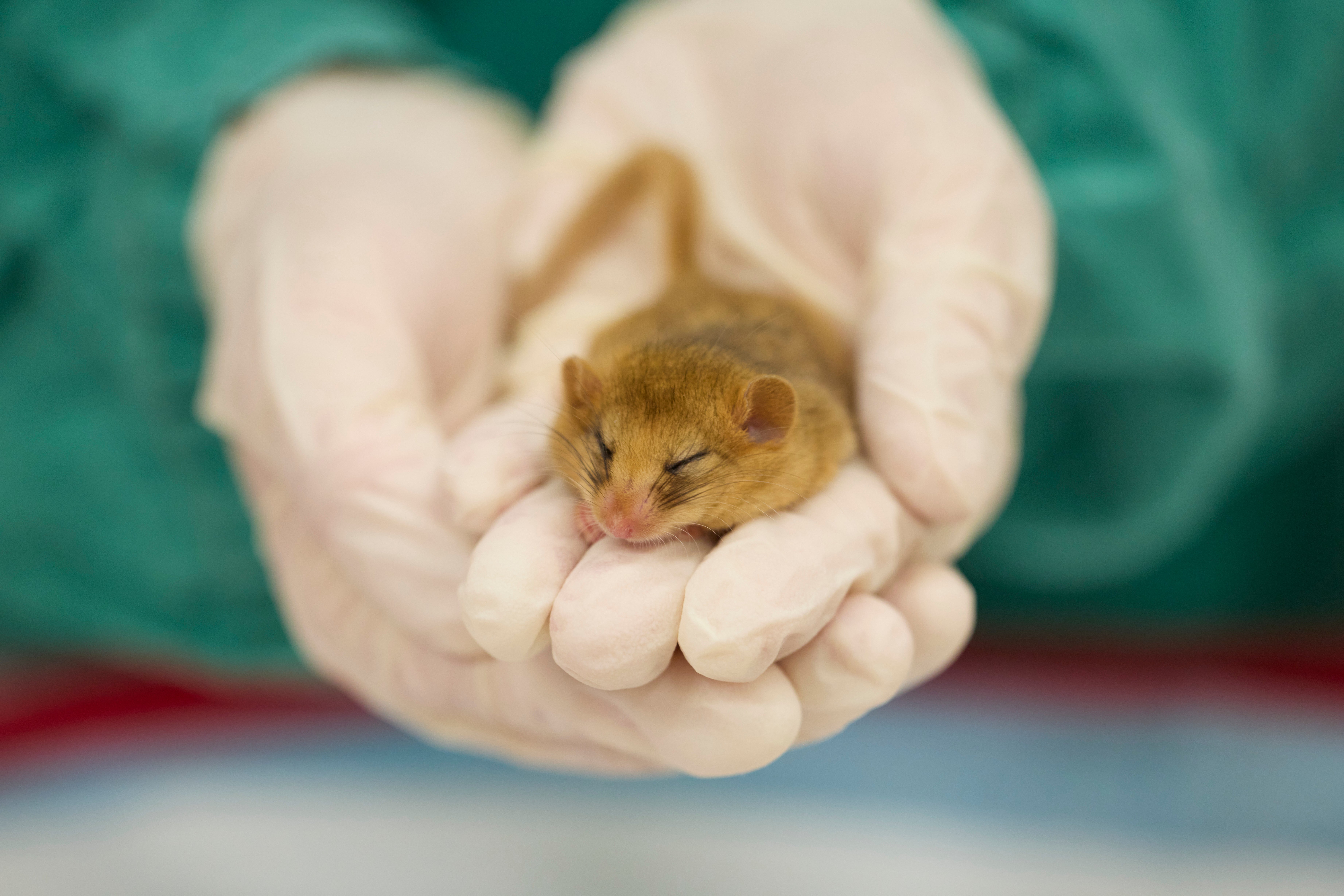
The new facility at ZSL’s UK headquarters in Regent’s Park, London, will deliver care for zoo animals, monitor emerging diseases in the wild and undertake conservation work such as health-checking wildlife including hazel dormice before releases into the wild.
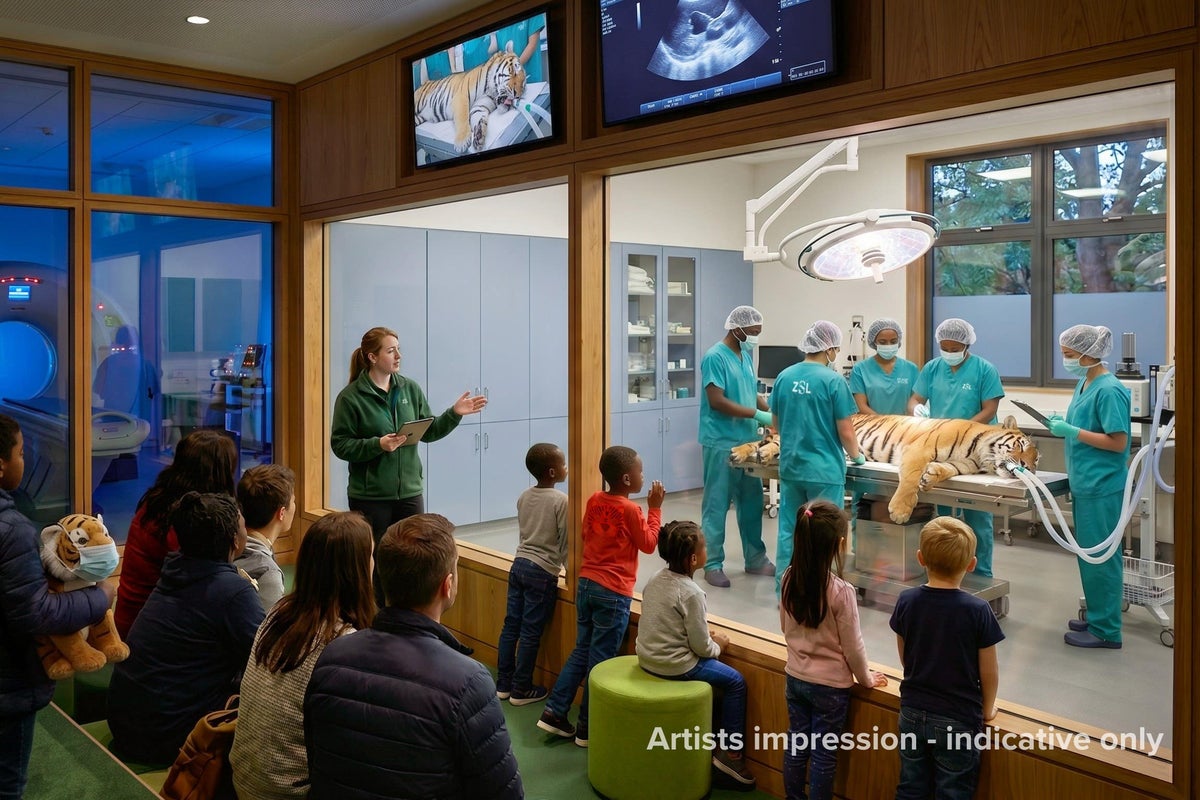
And the planned centre, made possible with an anonymous donation that is the biggest in the conservation charity’s 200-year history, will bring veterinary science to the public with the UK’s first vet hospital viewing gallery for visitors.
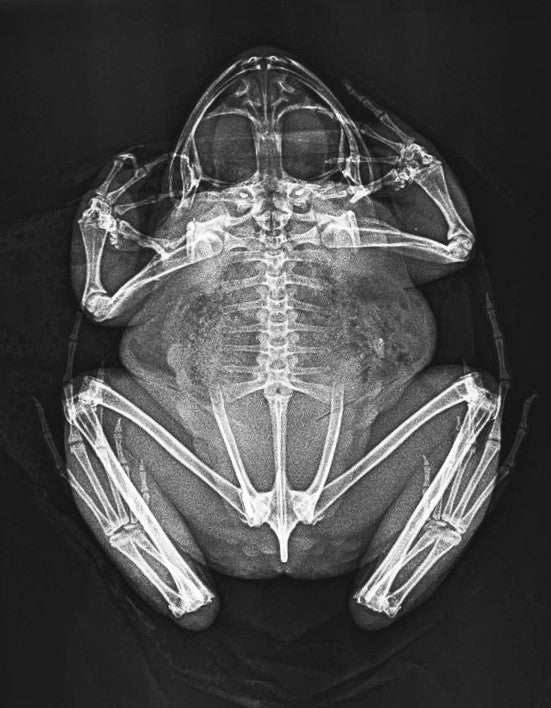
People will be able to watch veterinary care taking place, such as X-raying mountain chicken frogs as part of health checks for London Zoo’s population of the critically endangered amphibians, which have been driven to the brink of extinction in their wild Caribbean home by the devastating chytrid fungus.
Visitors will also see science research such as porpoise and dolphin autopsies following strandings around the coast of England and Wales, and disease surveillance including the pre-release checks done on hazel dormice before they are released in reintroduction projects in woods around the country.
The centre will also expand the existing work to teach wildlife vets and conservation scientists with postgraduate training, specialist training and field-based training in biodiversity hotspots, the charity said.
Kathryn England, ZSL chief executive, said: “For 200 years, ZSL has been committed to growing our understanding of wildlife and taking people on that journey with us; from opening the world’s first scientific zoo, to launching the Institute of Zoology, and establishing global conservation projects.
“In those two centuries we have evolved from studying wildlife, to conserving it, to fighting for it.”
The team at ZSL said it had a long history of veterinary care, from employing the first visiting vet for the zoo in 1829 who saw the animals twice a week, to the appointment of Britain’s first dedicated zoo vet in 1959 and the creation of Europe’s first purpose-built zoo vet hospital still in use today at London Zoo.
The charity also works studying wildlife diseases and their spread, from bovine TB to how the multiple viruses carried by bats can spill over into humans, and says the new centre will embody the “one health” approach that the health of animals, humans and ecosystems are fundamentally connected.
Ms England added: “We established the foundations of modern zoo veterinary care, have advanced conservation science on a global scale and been at the vanguard of public engagement with wildlife; our history has shaped how wildlife is studied, treated and protected.
“Now, that legacy becomes a platform for action.”
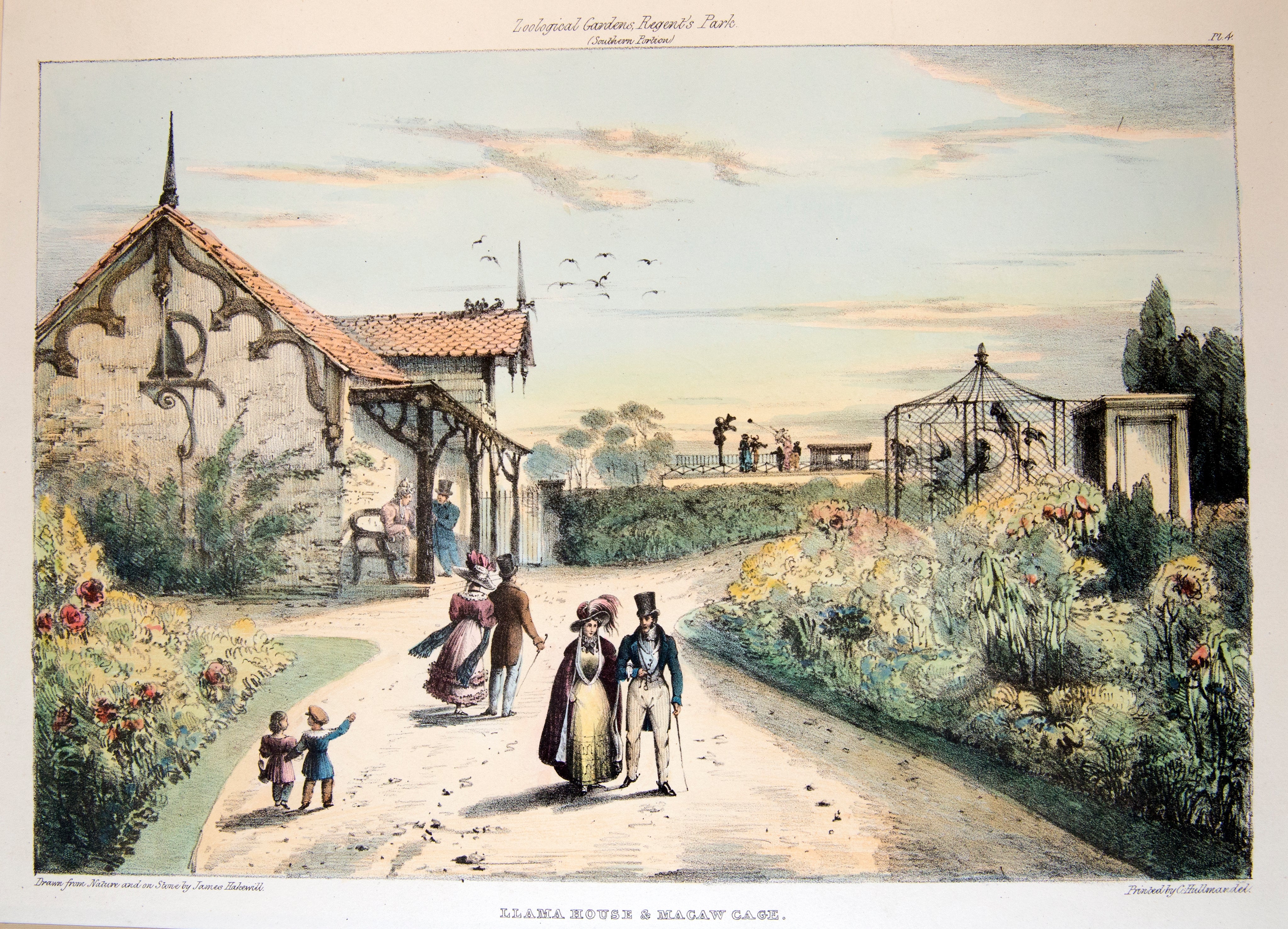
The move is announced as ZSL, which was founded in 1826 and opened the world’s first scientific zoo, in Regent’s Park in 1828, celebrates its 200th anniversary.
ZSL’s head of wildlife health services, Dr Amanda Guthrie, told the Press Association the new centre would be a “state-of-the-art facility” that would provide more space for the veterinary team and equipment, potentially housing new technology such as a CT scanner and new post-mortem areas.
Under the plans, which are at an early stage with the exact site of the new facility still being discussed, it will also have audio-visual equipment to allow teaching for wildlife vets and conservationists remotely around the world.
“This facility will allow us to do more teaching and research and collaboration, and provide even better care for the animals,” Dr Guthrie said.
“But for us, most importantly, we want visitors to get to see the work we do, we want to be transparent, we want people to really see the excellent care we provide, but then also for people to understand how important wildlife health is in the conservation space.”
And she said: “We’re really excited for the public to get to see the work we do and understand the high degree of animal welfare we aspire to every single day in the exemplary care that these animals receive, and to be inspired to consider careers in wildlife health and wildlife conservation.”
It is expected that visitors to London Zoo, at ZSL’s headquarters in Regent’s Park, will be able to visit the wildlife health centre as part of their visit, and see wildlife healthcare taking place – with most likely to see the preventative health checks and care that form the majority of the charity’s veterinary work.
First meeting of ‘coalition of the willing’ hears one problem holding back action
Majestic giraffes pictured in new book to raise funds for wildlife protection
China hit by rare April floods forcing hundreds of residents to evacuate
Simple change in food handling process can cut exposure to plastic chemicals by half
How meat and dairy giants greenwash their image
Boom time for Chinese solar makers as Middle East oil crisis drives demand